


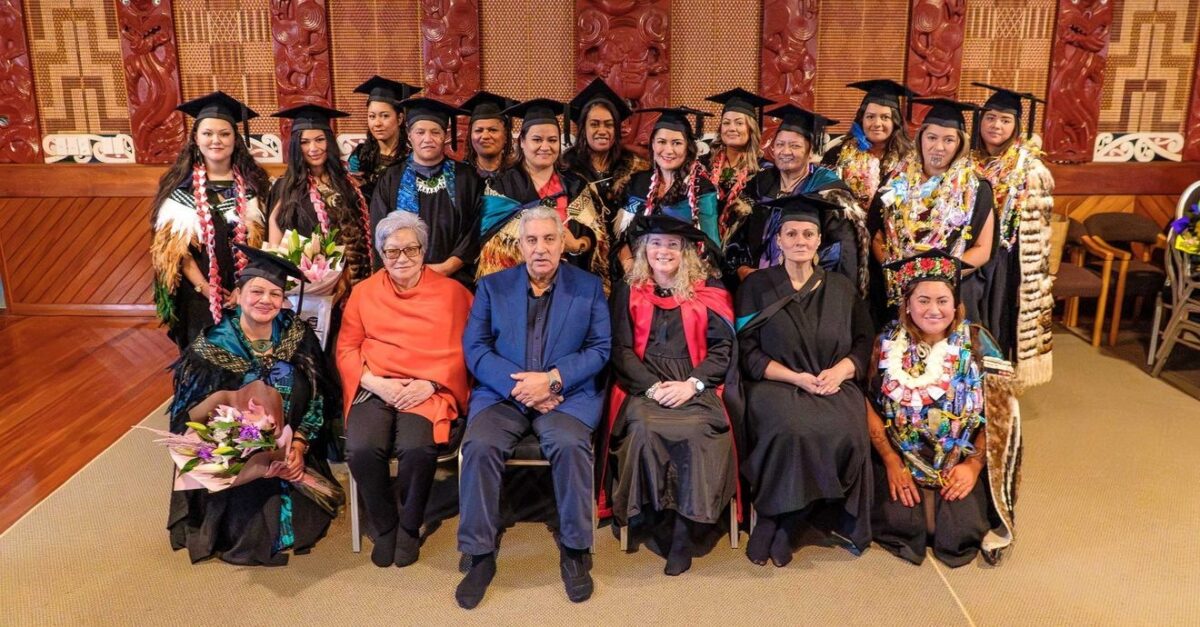
Sometimes the challenges seemed insurmountable, but they stuck at it anyway.
The first cohort of a Māori nursing degree hosted and initiated by Hutt mana whenua Te Rūnanganui o Te Āti Awa, geared to allow students to work while they studied, has graduated.
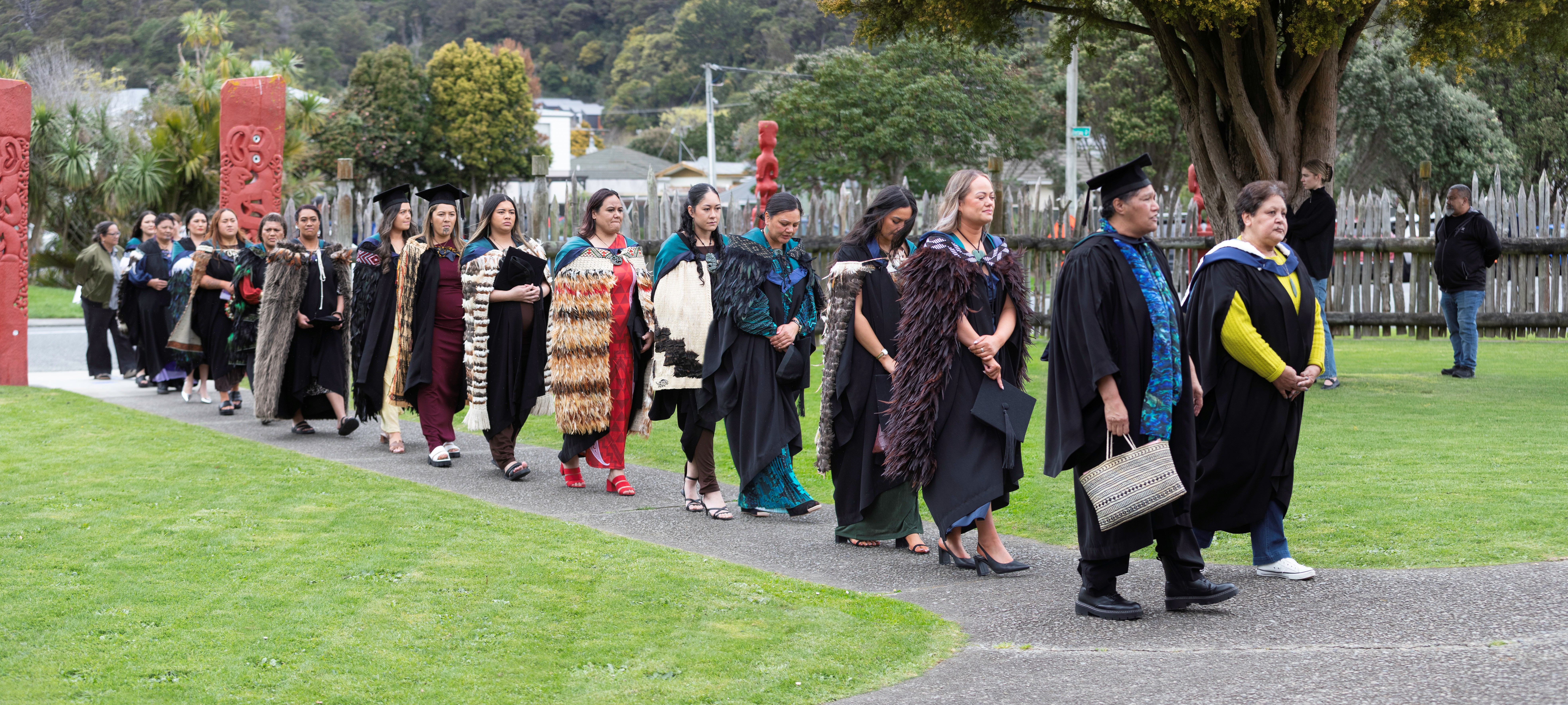
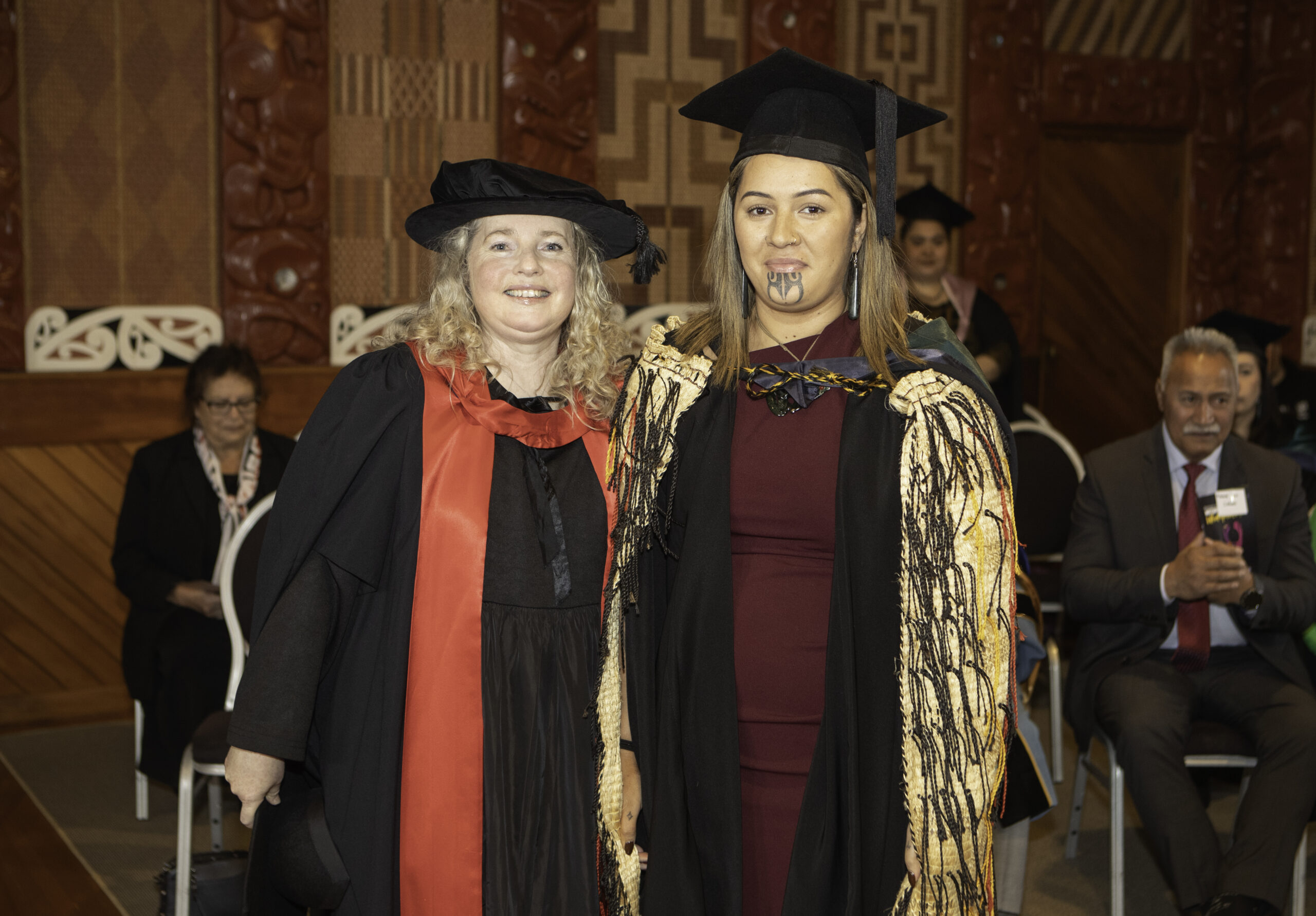
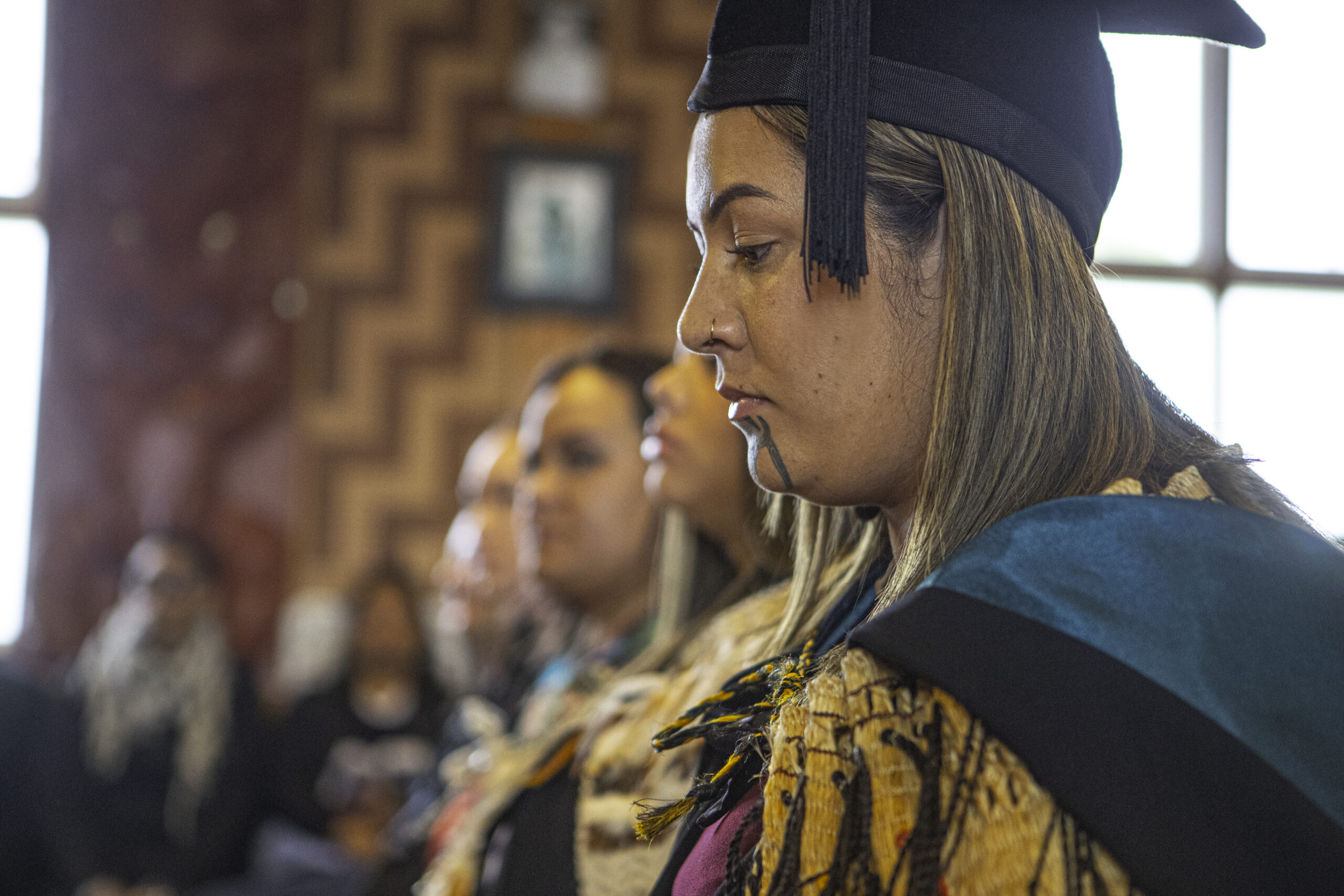
Bachelor of nursing Māori Matariki cohort students walked through the gates of Waiwhetū marae in September to celebrate their achievement.
Jeanette Grace, dean of Te Wānanga Māori school at Whitireia, said she felt pure joy seeing this cohort come through.
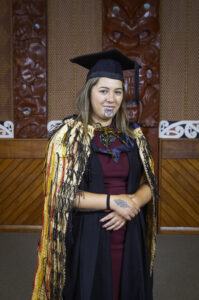
“All of them have had a great degree of life to manage while they’ve studied. Sometimes it’s seemed like the odds have been insurmountable and they’ve just stuck at it.”

Back at the start of the course when the students first arrived at Waiwhetū, even Grace was surprised to see every single student’s name and iwi flashing up on a big screen at the end of the wharenui — an unexpected welcome by the home iwi. Grace had only finished the last interviews for students a few days earlier.
This was the pōwhiri welcoming the students to a course that would change their lives.
“It brings tears to my eyes thinking about it,” says Grace.
The 20-strong degree cohort, aged 18 to 63, finished with 14 graduates. “It was a very diverse range of ages, a very diverse group of learners. The majority of them hadn’t done tertiary study, certainly at this level.”
The course mixed online learning with in-person classes in iwi facilities. Older students in particular had to face challenges of finding their confidence — “they were full of hope, and full of fear”, Grace said.
But every Matariki graduate’s success was a gift for health in general. “Any Māori nurse that goes out who’s comfortable in te ao Māori — they bring to the space that they go into an ability to see problems differently, to see the environment differently, to see the opportunities differently.”
The degree, Grace said, was “absolutely life changing”, and when she thought about it, the success of the ākonga would change the lives of others not even in the course.
Graduate speaker, Rongomai Luke-Royal had herself gone to the kōhanga reo and the kura kaupapa Māori school attached to the marae, Grace said. “All the rangatahi . . . saw that girl that had been to their school, listened to her, saw what she’d achieved, that’s powerful for helping them to see what’s possible for them.”
Luke-Royal told Kaitiaki that graduating as part of the first cohort was “honestly something really special”.
“We weren’t just studying to become nurses — we were learning in an environment that connected us to our whakapapa, our culture, our whānau and our community.”
She said being based in a marae environment gave ākonga a real sense of belonging. It was somewhere they could learn, ask questions, challenge themselves, “and also be ourselves”.
“Some of the friendships we made will be lifelong. We weren’t just classmates — we became a whānau, and I think that support is a big part of what helped us get across the finish line.”
Luke-Royal said while studying for the degree she was working full-time as a health-care assistant, alongside completing a Te Mahi Awhina Tuatahi qualification for upskilling in that profession.
Meanwhile, in the midst of her degree she was announced in the squad for the White Sox, the national women’s softball team, in 2024.
There was a lot happening outside of study, she said, like her sports — as a player and coach — but there was also kapa haka too.
‘We were learning in an environment that connected us to our whakapapa, our culture, our whānau and our community.’
In her final year she joined new regional group Te Kapa Haka o Pukeatua, which became another “huge commitment” alongside work, study and sport.
“We had weekend wānanga, rehearsals and even spent time making our own piupiu. It was a really special experience, but it definitely required a lot of time and dedication.”
Luke-Royal wrapped her last day of clinical placement on a Friday, and the next day was standing onstage at TSB Arena with the group at the regional finals. They ended up winning and qualifying for Te Matatini o Ngā Taniwha 2027, “which was an incredible way to finish that chapter”.
“For Māori patients and whānau, having someone who understands the importance of things like whakapapa, tikanga, whānau involvement and whakawhanaungatanga can make a real difference to how comfortable and safe they feel within the health system.”
‘Some of the friendships we made will be lifelong. We weren’t just classmates — we became a whānau.’
Looking back, she said managing all her commitments was great preparation for nursing. “It taught me resilience, time management, discipline and, probably most importantly, that it’s okay to ask for support.”
Jeanette Grace, meanwhile, said even though some of the students had stepped out of study in the first cohort, two would be coming back next year, and “will finish the journey”.
“Because we’re quite understanding that sometimes life is such that they have to hold off, but the pathway is always there for them to come back.”
‘It’s collaboration, and support’
NZNO kaiwhakahaere Kerri Nuku said developing the Māori workforce in nursing was important.
“Māori patients who are sick and in a vulnerable or compromised position often seek out that other Māori face. The value they bring to the workforce is immeasurable.”
Degrees like the Matariki cohort with iwi support gave added value to the the students.
“It sends a really strong message to the ākonga that they’ve got the support, the korowai of the iwi that they’re working within.”
Nuku said initiatives like this supported training and learning in the best way for Māori — collaboratively. Many Māori tauira had told her previously that they felt isolated in the system.
“The difference that holds these programmes apart from others is that students are encouraged to work together. It doesn’t set up that competitive model – it’s about supporting each other because they know the issues we have at the moment are bigger than just an individual passing.”