


I was driving in Auckland on May 6, 2025, when I heard Workplace Relations and Safety Minister Brooke van Velden talking in Parliament and saying why, under urgency, the Government was destroying pay equity.

I was shocked and outraged at the way she so blithely and callously talked about wiping out not just years of negotiations, struggle and careful work by workers and unions and employers, but decades of struggle for women’s and workers’ rights in this country.
All just in a 10 minute Parliament speech without a shred of emotion in her voice. And the Government was doing it under urgency without a moment’s pretence of public consultation.
They passed the Equal Pay Amendment Act that night, simply because they wanted to save money for their Budget.
As we found out later, the Government had been working for months on this cunning plan, even while workers, unions and employers had continued in good faith to go through the claims assessment process.

With the new law, National, ACT and New Zealand First were establishing virtually impossible barriers to future claims, wiping out the 2020 Act and 33 claims retrospectively. About 180,000 workers were affected. The estimated cost of the lost claims was $12.8b.
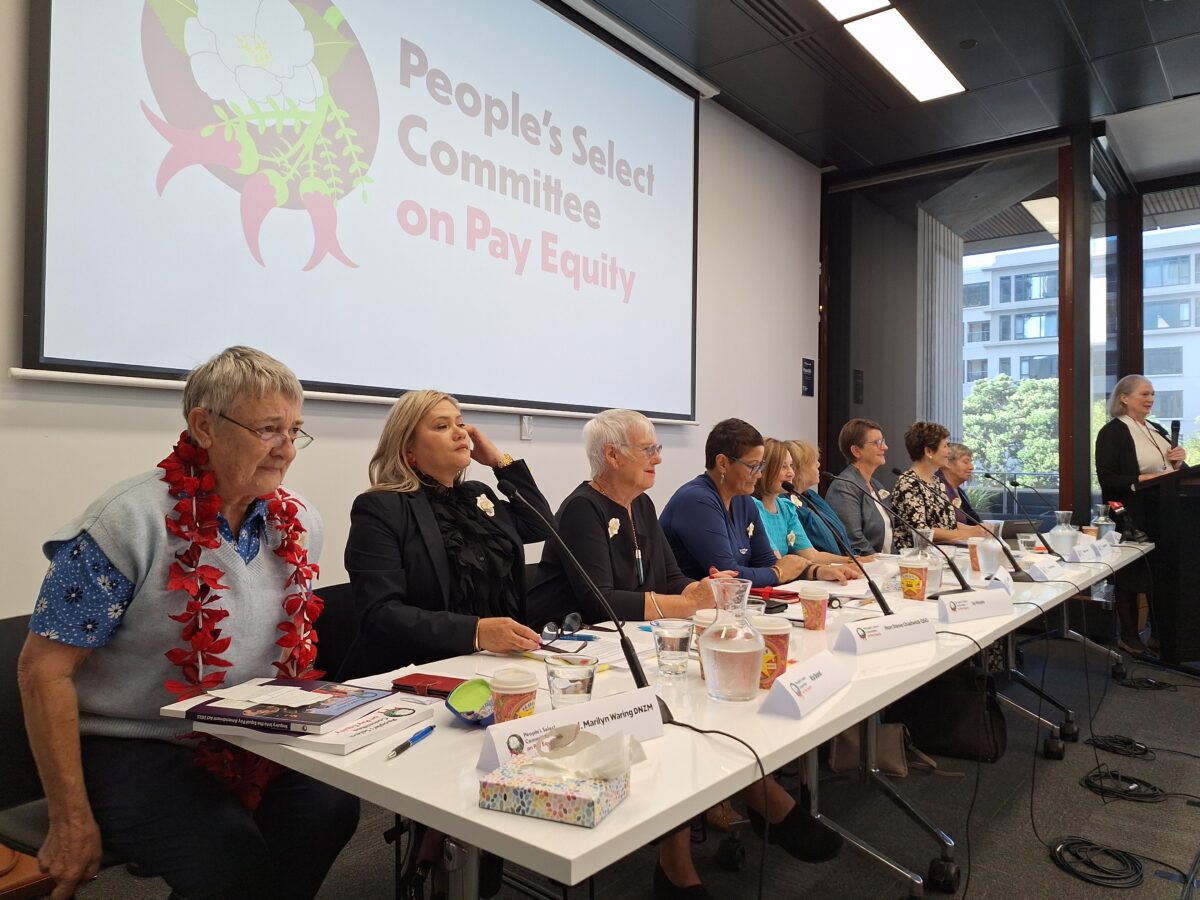
The day after that law went through, Marilyn Waring rang me up and asked me whether I’d join her and eight other women — former MPs — on a people’s select committee on pay equity.
How could I say no? It would be a lot of work but what an honour to be asked.
The purpose was to do what the Government should have done. That is, listen to the affected workers, to the unions, to the women’s and human rights groups and to the employers themselves.
We wanted to run as close to the Parliamentary select committee process as we could but doing it from the outside. We had nearly 1400 substantive submissions and 30 hours of hearings.
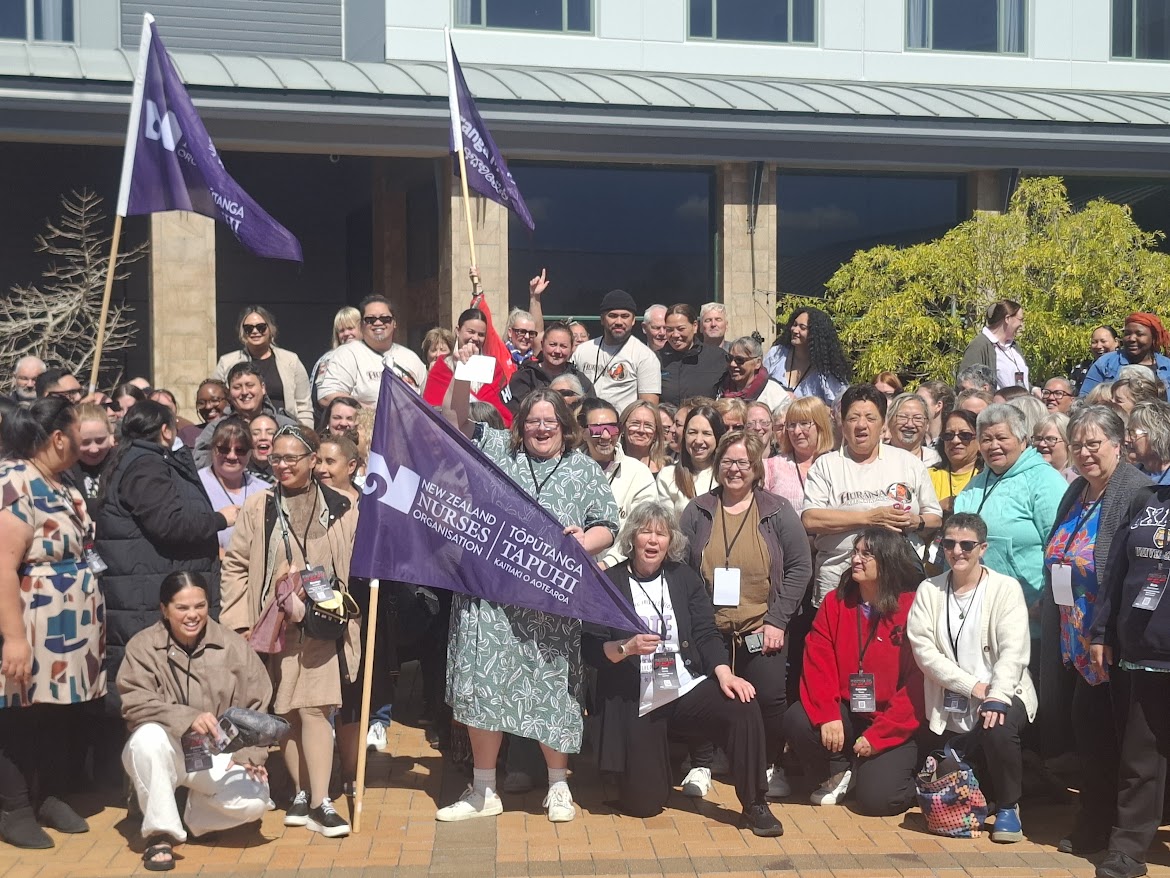
There were many emotional, surprising and profound moments as we listened to submitters. Workers talked about the despair they felt when a claim they’d been working on, sometimes for years, was tossed out that one night; and of how the undervaluation they already felt — inherent in any pay equity claim — was now intensified by the blatant contempt in which the country’s Government now held them. Over and over again, workers told us how it affected them personally.
‘All just in a 10 minute Parliament speech without a blink of emotion in her eyes.’
We heard many contributions from organisers and individuals in nursing and the health sector — not surprising given the number of claims from the sector that were cancelled overnight: in aged care, primary care, community care, hospices, Plunket and elsewhere.
So much of what we were listening to made us deeply angry, and so many times we were almost, if not completely, reduced to tears.
Looking back at the quality, intensity and integrity of the submissions people made, the process felt as serious and as worthy as any of those I ever took on the select committees I went through while actually being in Parliament.
It was an example of a different kind of democracy. Of not only listening respectfully to the voices of people who make submissions at a time when the Government refused to hear those voices, but also of working together with women from other political parties, from very different personal and political backgrounds, to achieve common goals.
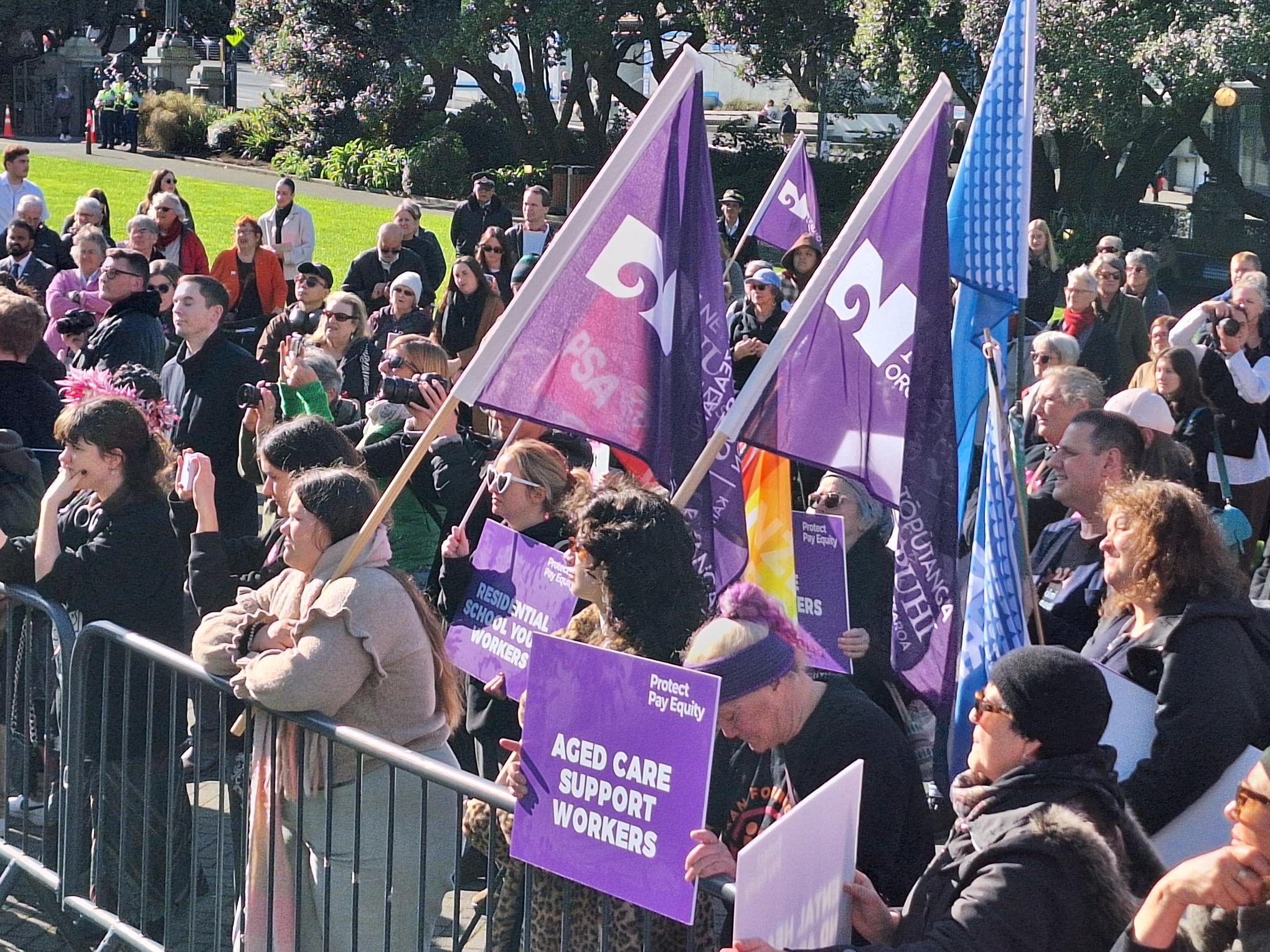
The committee finished in February this year with the launch of a major report in Pōneke. It’s fully researched and contains much information and useful recommendations.
The project was part of a wider response to the ripping-away of pay equity but I think it did help with creating a sense of energy as we go into this year’s election.
I’m not here to politically campaign for any party, but speaking from the pay equity perspective, I’d like to make it clear who is to blame for what’s happened: for this massive attack on workers and on women after decades of fighting for change.
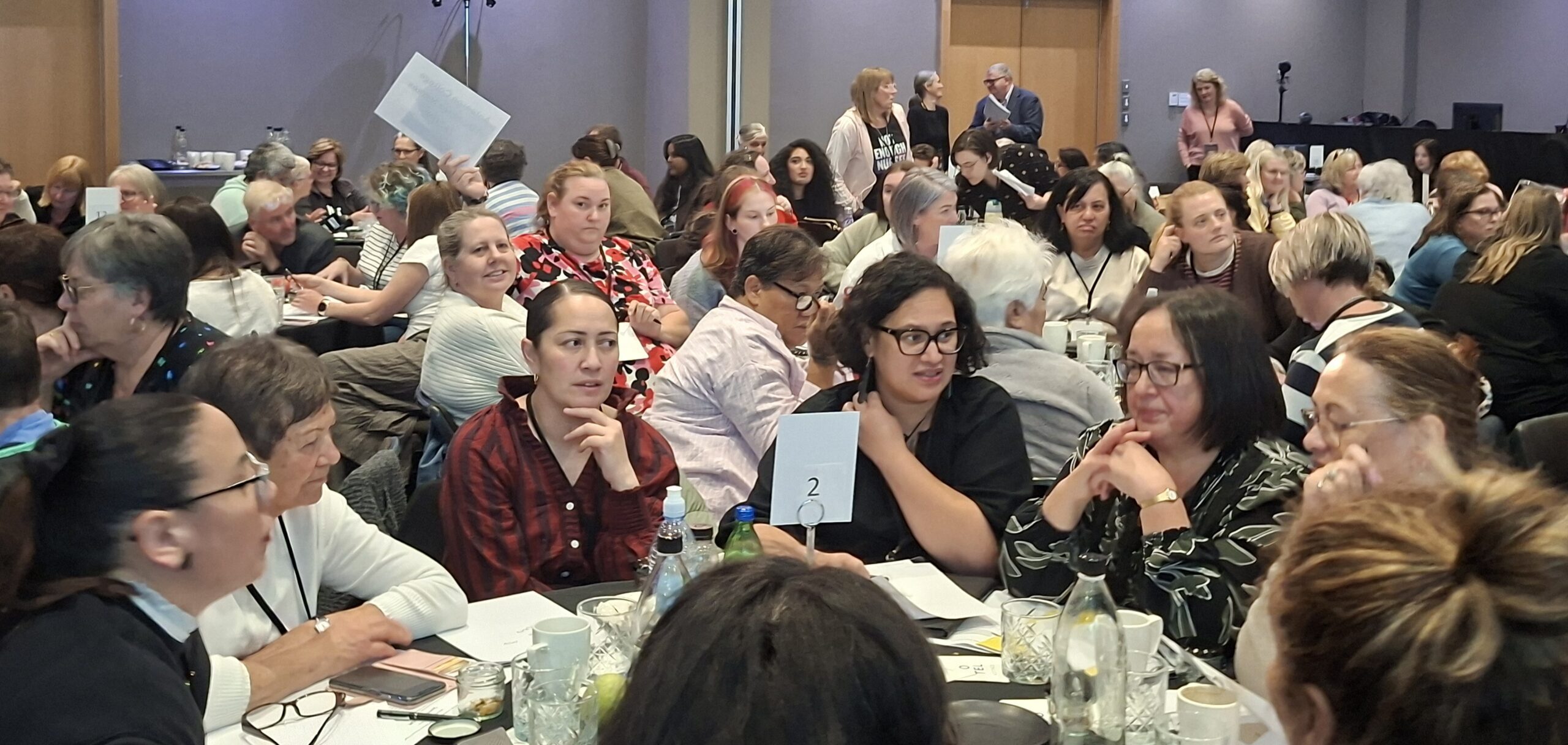
The parties and the people within them that are responsible are not just Brooke van Velden and ACT but also National and New Zealand First. We can’t forget that. No-one from those three parties or their representatives should be let of the hook for the damage they’ve done: The damage that disproportionately impacts Māori and Pasifika and those that Māori and Pasifika workers serve every day in the health and disability sectors in our communities.
I think the most critical political question we face at the moment, should Labour play a leading role in the next Government, is the extent they will reinstate cancelled claims. The Greens strongly advocate for restoring and extending pay equity provisions, and Te Pāti Māori has been highly critical of last year’s changes — not surprising given the disproportionate impact this had on Māori and Pacific workers.
‘There were many emotional, surprising and profound moments as we listened to submitters.’
The people’s select committee took the position that it may well be more important to get a new Government to move quickly with the reversal of the 2025 amendments and the reinstatement of the 2020 Act with something very close to it, than spend a lot of time on approving tweaks.
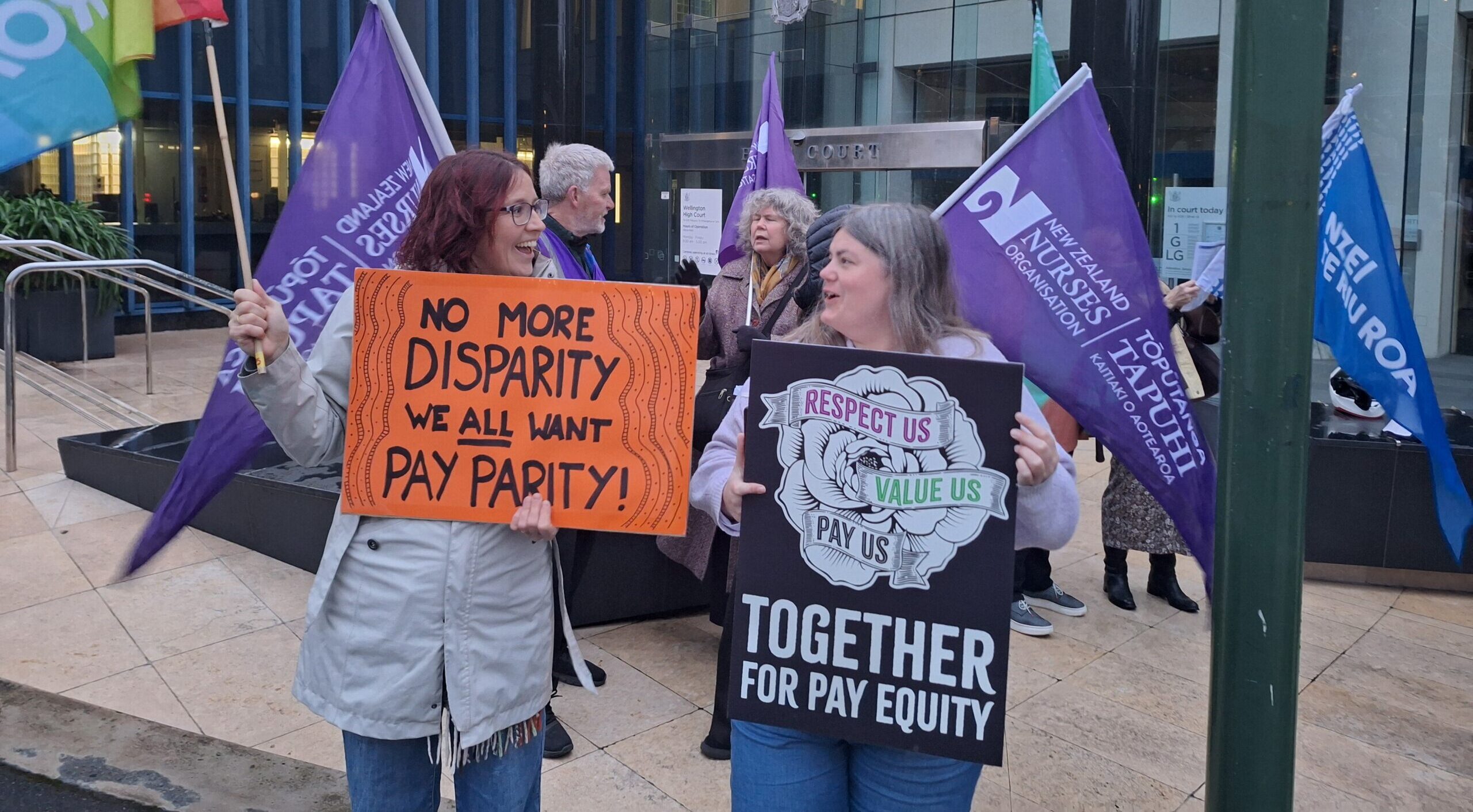
If they go for a full overhaul you start having an excuse for a full review. If you have any experience with reviews, the Government can use them to put off doing anything. Reviews can come later.
We’ve had many decades of struggle for workers’ and women’s rights ripped away from us, the time to reverse it is now.
Kia kaha, kia manawanui, kia mau.