


NZNO and its members have come out swinging at the Employment Leave Bill, proposed by the Coalition Government, as anti-worker, anti-women and just bad for the soul.

The NZNO written submission to the education and workforce select committee said the law change would cut millions of workers’ entitlements.
However, Workplace Relations and Safety Minister Brooke Van Velden has told Kaitiaki the Government intends to pass it before November’s election.

NZNO president Anne Daniels said the move was another example of the Government’s focus on budget over people.
“Workers’ rights have been – I wish I could say slowly – rapidly removed, mostly in secrecy, and if there has been consultation it has been within tight time frames with minimal time to respond.”

Sufficient holidays were crucial for workers’ wellbeing, she said.
“Holidays are supposed to be for rest and recuperation so you can go back and do your job as well as you can because you are not exhausted and burnt out.”
If adopted, the bill would also hit casual and part-time workers – predominantly women, who shouldered more childcare – hardest.
On the heels of mass-dumping of pay equity claims and proposal to ease workplace health and safety rules, this was simply another attack on women-dominated workforces, Daniels said.
By the numbers
- Currently all workers — full-time, part-time, or casual — get 10 days of sick leave annually if they have worked continuously for six months.
- The proposed law would pro-rata sick leave instead — likely cutting sick days for casual and part-time workers.
- Also, all workers would max out their annual entitlement for sick leave at 80 hours on the bill’s new hourly calculations. This means, for example, nurses working four 10-hour shifts a week, who currently get a flat 10 sick days (100 hours) annually, would lose two days of sick leave.
- Meanwhile the new law would stop workers such as nurses and health-care assistants from accruing annual leave while they recover from injuries on ACC.
Time for the soul
A registered nurse and NZNO member working 10-plus hour shifts at Wellington hospital, who did not wish to be named, spoke to Kaitiaki about the bill.
I think it’s counterproductive and deceitful.
We’re already working at a less-than ideal level with the Government’s inability to commit to staffing us adequately. We already go to work sick as it is, because you get the text from work saying ‘can you please come in, we’re really short staffed’.
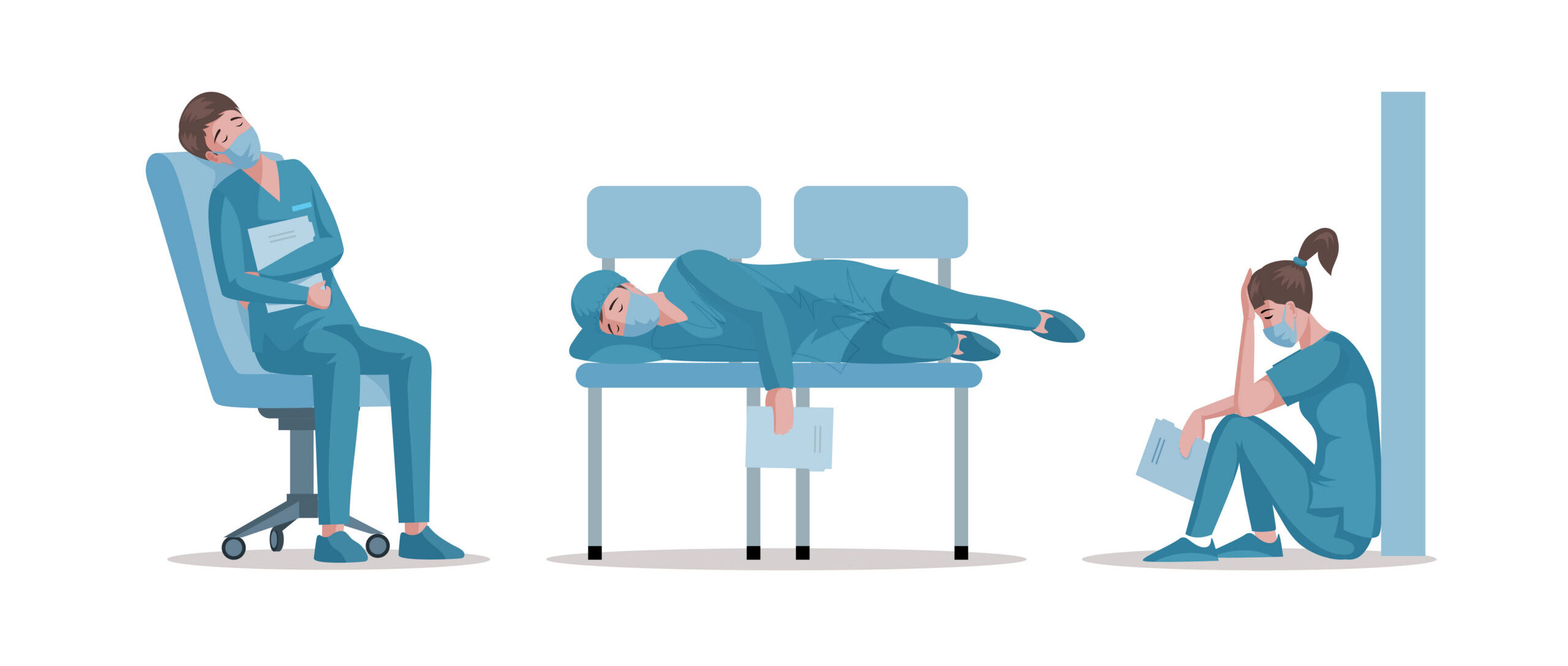
Working night shifts in particular reduces your life span. There’s well-documented evidence of that. Now if they want to take away some of your entitlement to sick leave, people are going to come to work sick, which also increases your tiredness.
You’re going to make more mistakes and your work-life balance just becomes pretty grim when you’re working when you shouldn’t be.
Also, a lot of sick leave is more about mental health than physical health.
Yesterday I looked after two patients who had breast surgery as a result of cancer.
It’s very confronting when you’ve been through it yourself, but you’ve still got to provide care to these people, and you’ve got to put your own feelings aside and give these people what they need. And it’s hard.
Sometimes sick leave is there to restore your soul.

To read about the fight against the Government’s law changes hammering workers on May Day — and see members’ faces around the motu — click here.
NZNO mental health nurses section chair Helen Garrick said this change would be “very detrimental” to nurses who had been assaulted and forced on leave.
The bill comes alongside the Government’s phased police withdrawal from mental health call-outs — leaving nurses and HCAs on their own to deal with violent patients.
These people would already be struggling with the after-effects of physical attacks, she said, and then would have to deal with a loss of income, she said.
“I’m certainly very upset by that proposal — I think it’s terrible for people to have to worry about that on top of everything else.”
‘Significant financial liability’
Meanwhile, van Velden said the ACC provisions responded to feedback from employers that they faced “significant financial liability” if an employee was off work for a long period of time.
“Workers will begin accruing leave, and have access to it, as soon as they return to work, including for hours worked while they are still also receiving ACC.”
She said the bill aimed to simplify how leave was earned, taken, and paid. “There are areas where employees will benefit most and areas where employers will benefit most.”
The select committee will report back to Parliament on July 13.
“The Government intends to pass the bill into law before the election. Once passed, there will be a 24-month implementation period before it comes into force, to support employers with implementing the change,” said van Velden.