



KIA ORA KOUTOU. Welcome to the 2025 edition of Kaitiaki Nursing Research. As this edition marks our first fully online production, I am reminded that much of our nursing research is now undertaken virtually and in collaboration with other researchers, enabled by digital tools that allow us to work across institutional and international boundaries (McClunie-Trust et al., 2022).
Scholarly information is abundant, in both quantity and quality, available through a wide range of subscribed and open-source digital repositories. Gusenbauer (2021) reports that more research has been published so far this century than in the preceding 100 years. This abundance of information means that researchers need to develop sophisticated methods for searching databases and digital repositories, and to engage librarians as information experts in framing searches and evaluating what they find (Gusenbauer, 2021). Online tools for storing research data and integrating multiple researchers into research projects, such as Microsoft Teams, the Open Science Framework (2025), and Covidence (2023), have increased collaboration potential, enabling researchers to work together virtually in real time (McClunie-Trust et al., 2022).
Facilitating collaboration
Research collaborations are an effective way to develop knowledge, improve patient outcomes, and foster innovation. Collaborations can leverage the skills and other capabilities of like-minded researchers (McClunie-Trust et al., 2022), expand researchers’ networks, and offer opportunities to share expertise and resources. Collaborations often lead to greater productivity on more complex research projects (Abramo et al., 2017). Collaborations among nurse academics, nurse clinicians and health-care organisations promote the translation of research into practice, ultimately improving health-care delivery and patient safety. They lay the groundwork for innovative solutions in response to the cultural and clinical requirements of nursing education, practice and research in Aotearoa New Zealand.
Collaborations with communities and researcher colleagues that incorporate a Māori worldview put cultural values and identity to the fore in research in a way that expands knowledge and understanding (Durie, 2001). Blending Māori values and Western science offers a transformative approach for nurse researchers to address equity issues in Māori health (Rolleston et al., 2022). Positioning research within te ao Māori enables Māori researchers to take an approach informed by Te Ara Tika — a framework for Māori research ethics which includes the four principles of “whakapapa (relationships), tika (research design), manākitanga (cultural responsibility), and mana (justice/equity), which draw from mātauranga Māori and tikanga Māori” (Woods et al., 2025, p. 4).
Māori men in nursing education
In this year’s edition, the researched viewpoint by Hughes et al. presents reflections on the experiences of two Māori male nurses working in nursing education. Seamus Hughes and John Hiakita note that the Nursing Council of New Zealand’s Te Tiriti o Waitangi policy (NCNZ, 2023) and guidelines for cultural safety in nursing education and practice (NCNZ, 2011) mandate obligations for nurses to foster cultural safety in order to address health inequities. The challenge for nurses is to create an authentic, embodied nursing practice grounded in cultural safety and Māori values. Hughes and Hiakita explain how their experience as Māori men and nurse educators underpins a powerful pedagogy, weaving together a unique blend of cultural perspective, professional experience and personal identity to enrich the cultural and learning environment in nursing education.
Perceptions of rongoā
Bowlin and Song’s research used a qualitative survey method and thematic analysis to explore third-year bachelor of nursing students’ perceptions of rongoā Māori. A traditional Māori healing system, rongoā encompasses Māori knowledge and wisdom, including the interconnectedness of land, plants, family, spirituality, and physical well-being (Mark et al., 2017). The standards of competence for registered nurses (NCNZ, 2025) require all nurses to support Māori health equity, advocate for patient preferences, and uphold kawa whakaruruhau (cultural safety). The findings of this study suggest that while bachelor of nursing students have positive attitudes toward rongoā Māori, cultural and systemic barriers are major factors in successfully integrating it in practice. The authors highlight the need for nursing students to learn about holistic Māori healing systems and to ensure the safe integration of rongoā knowledge into clinical care settings and nursing education programmes.
The lived experience of gout
Jack and McClunie-Trust conducted a meta-ethnography to synthesise the findings of 20 qualitative research studies that explored the lived experience of people with gout. The findings of this review suggest that the ripple effect of gout flares impacts every aspect of a person’s life, disrupting work and family life and contributing to a sense of helplessness due to the intensity of pain. Misconceptions about gout as a chronic disease often resulted in missed opportunities for effective management of symptoms for participants in the studies. Study participants also related how they negotiated their lives with gout, finding a sense of agency through effective self-management of the disease and its symptoms. Recommendations from this review suggest that educational approaches that align with patient preferences and health literacy, address treatment barriers, and incorporate relevant cultural support are most effective. These strategies support optimal disease management and foster a sense of agency in living with gout.
Screening tools for perinatal depression
The researched viewpoint by White examined screening tools for perinatal depression, which is defined as severe depressive episodes during pregnancy (antenatal) and within 12 months postpartum. While screening for perinatal depression is widely practised across the world, there are ethical issues associated with the use of screening tools, which may result in more harm than benefit, particularly in over- or under-identifying perinatal depression or degrees of emotional distress. White explores the efficacy of identified screening tools in relation to the ethical responsibilities of nurses, midwives, and other health practitioners when making decisions about health care for women in pregnancy and childbirth.
Staff perceptions of palliative care
The integrative review by Michael and Mercer examined staff perceptions and experiences of palliative care provision in aged residential care facilities. Staff working in these facilities must possess expertise in delivering care to enhance the quality of life for people with advanced palliative and end-of-life care needs. The feasibility of receiving preferred palliative care in these facilities is limited by available resources. Palliative care requires an integrated, responsive staff familiar with providing end-of-life care (Moberly et al., 2023). The findings of this review indicate that palliative and end-of-life care are essential elements of service in aged residential care facilities. However, health policy and funding need to reflect the increasing demand for these services in aged residential care and provide adequate resourcing to meet those needs.
NZNO’s nurse researchers
In the final section of this year’s edition, we have included a report from Lorraine Ritchie on NZNO’s Nursing Research Section Te Wāhanga Rangahau Tapuhi (NRS). The section is committed to upholding the principles of Te Tiriti o Waitangi. It works to honour this commitment through meeting kaupapa, the scholarships made available to NRS members, and the inclusion of researchers using indigenous kaupapa Māori research methodology at research forums. The NRS golden jubilee will be held in October 2026, celebrating 50 years since the section was inaugurated to promote nursing’s professional voice through research.
References
Abramo, G., D’angelo, C. A., & Di Costa, F. (2019). The collaboration behavior of top scientists. Scientometrics, 118(1), 215-232.
Covidence. (2023). Better systematic review management.
Durie, M. (2001). Mauri Ora: The Dynamics of Māori Health. Oxford University Press.
Gusenbauer, M. (2021). The age of abundant scholarly information and its synthesis – A time when ‘just google it’ is no longer enough. Research Synthesis Methodology, 12(6), 684-691.
Mark, G., Chamberlain, K., & Boulton, A. (2017). Acknowledging the Māori cultural values and beliefs embedded in rongoā Māori healing. International Journal of Indigenous Health, 12(1), 75-92.
McClunie-Trust, P., Jones, V., Winnington, R., Shannon, K., Donaldson, A. E., Macdiarmid, R., Jarden, R. J., Turner, R., Merrick, E., & Andersen, P. (2022). Doing case study research collaboratively: the benefits for researchers. International Journal of Qualitative Methods, 21.
Moberley, S., Hewitt, J., Attia, J., Cole, J., Bevington, J., Oldmeadow, C., Howard, Z., & Hughes, R. (2023). Preferences and end of life care for residents of aged care facilities: a mixed methods study. BMC Palliative Care, 22(1), 124.
Nursing Council of New Zealand (NCNZ). (2011). Guidelines for cultural safety, the Treaty of Waitangi and Māori health in nursing education and practice.
Nursing Council of New Zealand (NCNZ). (2023). Te Tiriti o Waitangi Policy.
Nursing Council of New Zealand (NCNZ). (2025). Standards of competence for registered nurses.
OSF. (2025). Open Science Framework. Centre for Open Science.
Rolleston, A., Miskelly, P., McDonald, M., Wiles, J., Poppe, K., & Doughty, R. (2022). Cultural context in New Zealand: incorporating kaupapa Māori values in clinical research and practice. Health Promotion International, 37(3), daac065.
Woods, J., Tipa, Z., Smith, M., & Lim, A. G. (2025). Exploring the Transformative Potential of Kaupapa Māori Methodology in Nursing Research in Aotearoa New Zealand. Nursing Praxis in Aotearoa New Zealand.
Daily doses – uncut news
| 5 Oct |
Labour's pay rise a first step, but pay equity needs a full settlementTōpūtanga Tapuhi Kaitiaki o Aotearoa NZNO has welcomed Labour's promised pay rise for care and support workers as a first step. It says care and support workers now need a full settlement of their pay equity claim and a workable pay equity system for all of its members. |
| 1 Oct |
Health NZ releases first national report on serious adverse eventsHealth New Zealand has published its first national Serious Adverse Event Report, acknowledging the serious harm experienced by patients and whānau and outlining the improvements identified and actions underway to strengthen patient safety. The report covers serious adverse events reported in Hospital and Specialist Services between 1 July and 31 December 2025. |
| 25 Sept |
380 more health care workers at the end of winter too little too lateAn announcement of 380 additional nurses, midwives and health care assistants for hospitals around the country at the end of winter is too little too late, NZNO says. |
| 23 Sept |
Auckland University research finds nurse shortages increase post-surgery deaths and complicationsNew research by Auckland University has found addressing nurse shortages in post-operative care may save 182 lives a year because short-staffed wards have higher rates of potentially preventable deaths and complications after their surgeries. |
| 21 Sept |
Whanganui Hospital ED averaged 680% capacity over a week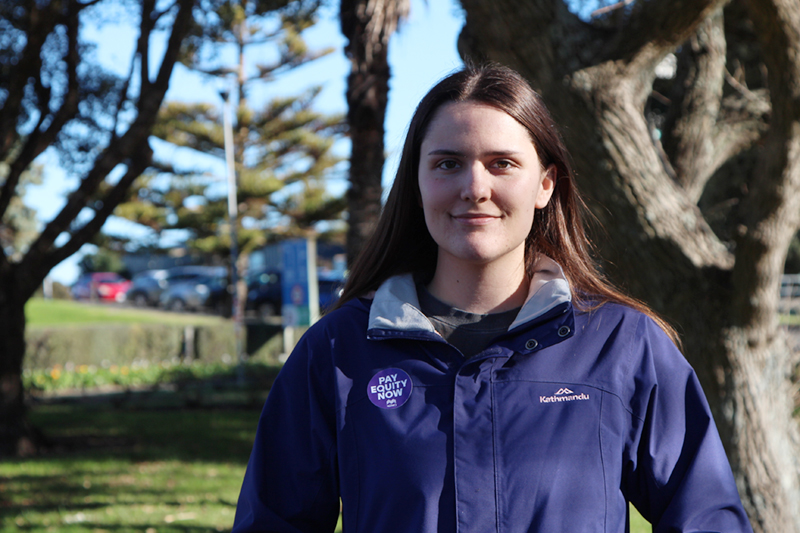 Working in an overcrowded emergency department (ED), up to 680% capacity over a week, makes staff feel overwhelmed with the pressure, Tōpūtanga Tapuhi Kaitiaki o Aotearoa NZNO says.
|
| 14 Sept |
WellSouth's Newborn Enrolment Kahu Taurima Programme a finalist at the Primary Care Awards 2026WellSouth's Newborn Enrolment Kahu Taurima Programme is a finalist at the Primary Care Awards for the HALEO Best Supplier Service, Product or Campaign category. Winners will be announced on 17 October. |
| 14 Sept |
Global Study: Nursing Shortages Require Workforce Policy Solutions, Not Recruitment Campaigns AloneWhy people choose nursing, and why they leave, comes down to the same factors. The global nursing shortage cannot be solved simply by encouraging more people to enter the profession, according to a new evidence brief. |
| 8 Sept |
Overworked, understaffed Gisborne ED staff strike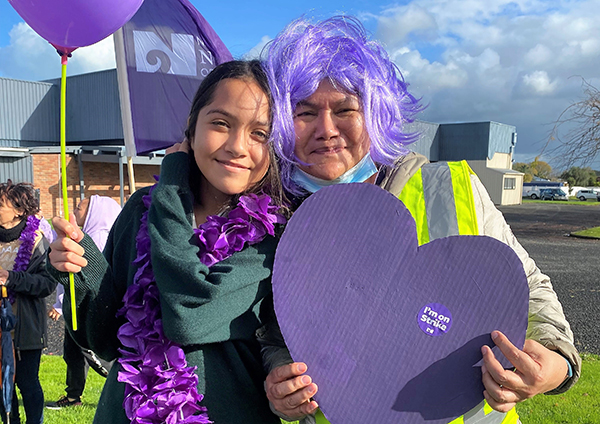 Health and safety concerns arising from unsafe staffing levels have forced nurses at Gisborne Hospital’s emergency department (ED) to go on strike.
|
| 4 Sept |
Strong growth in wāhine Māori and Pacific women’s cervical screening rates highlights success of self-testing programmeCervical screening participation has increased significantly for both wāhine Māori and Pacific women, reflecting the strong impact of self-testing, Screening Services and the dedicated efforts of health providers working alongside their communities. |
| 4 Sept |
Government must adopt Wai 2713 recommendations on disability systemThe Coalition Government must urgently adopt new recommendations from the Waitangi Tribunal which has found significant parts of the disability system prejudice tāngata whaikaha Māori (Māori with disabilities), NZNO says. |
| 31 Aug |
Employing graduate nurses will help keep them in nursing and the countryA new proposal that will require Te Whatu Ora to offer all eligible graduate nurses jobs in the public health system will help keep them in nursing and in Aotearoa New Zealand, NZNO says. |
| 26 Aug |
Health Minister’s claim Winter Plan ‘managing well’ delusionalHealth Minister Simeon Brown’s claim that hospitals are ‘managing well’ because of the Government’s Winter Plan is delusional, NZNO says. |
| 25 Aug |
Hospital data shows nursing shortages continue to put patients at riskTe Whatu Ora data released today shows patients are continuing to be put at risk by the Coalition Government’s deliberate failure to safely staff hospital wards, NZNO says. |
| 24 Aug |
Fed-up North Shore ED staff declare state of emergencyNZNO members working in the emergency department (ED) at North Shore Hospital have declared a state of emergency due to unsafe staffing levels resulting in ongoing overcrowding. |
| 19 Aug |
What happened to the winter health plan?The $25 million 2026 Winter Plan launched by Health Minister Simeon Brown in March to erase pressure on the health system has been an unmitigated disaster, Tōpūtanga Tapuhi Kaitiaki o Aotearoa NZNO says. |
| 11 Aug |
Applications open for advanced nursing education programmesHealth New Zealand is encouraging registered nurses to apply for two advanced education programmes that support nurses to further develop their clinical skills and expand access to care in communities across New Zealand. |
| 3 Aug |
Health New Zealand welcomes settlement of NZRDA collective agreementHealth New Zealand welcomes the vote by New Zealand Resident Doctors Association (NZRDA) members to settle their collective agreement. |
| 30 Jul |
Backing our frontline rural health workforceRural communities across New Zealand will benefit from three new investments that will support the rural health workforce and help more people access care closer to home, Associate Health Minister Matt Doocey says. |
| 22 Jul |
Te Whatu Ora must disclose staffing levels at time of tragic deathTe Whatu Ora must disclose whether the Waikato emergency department (ED) was short-staffed at the time a man tragically died in the waiting room, NZNO says. |
| 6 Jul |
Reflecting on IND 2026Looking back on last month’s International Nurses Day 12 May 2026 (IND 2026), the impact of this year's theme "Our Nurses. Our Future. Empowered Nurses Save Lives" continues to resonate across the world. ICN’s landmark IND 2026 report defined seven key powers of nursing and this message has been strengthened with nurses in every region celebrating, naming, and owning their powers throughout May. |
| 3 Jul |
Health New Zealand acknowledges Ombudsman statement on Wakari Ward 10AHealth NZ welcomes the independent investigation by the Ministry of Health into Ward 10A. On Wednesday the Health NZ board agreed to close Wakari Ward 10a as a forensic intellectual disability (ID) unit, with the future use of the ward yet to be determined. |
| 2 Jul |
New programme to fast track bowel cancer care and cut colonoscopy waitlistsHealth New Zealand is today launching a national initiative, designed to fast track bowel cancer care and reduce colonoscopy waitlists by up to 30 per cent. |
| 1 Jul |
Six new Co-Response Team locations announced to strengthen support for people in mental distressThe next six locations for Health New Zealand and NZ Police Co-Response Teams have been confirmed, expanding a model that helps people experiencing mental distress receive timely, wraparound support that better meets their health needs. |
| 29 Jun |
Mental health and addiction targets progress continuesHealth New Zealand continues to make important progress against its mental health and addiction targets, meeting four out of five national targets this quarter. |
| 25 Jun |
Access to care continuing to improve across a range of health indicatorsNew health data released today shows continued improvement in access to care across a range of health indicators. |
| 18 Jun |
Funding "boost" continues dangerous under-funding of aged careThe Health Minister’s funding "boost" for aged residential care continues underfunding to the sector and will continue unsafe practices and short staffing, which is putting vulnerable residents at risk, NZNO says. |
| 16 Jun |
Labour to make maternity scans freeLabour will add free maternity scans to the Medicard alongside three free doctor’s visits a year, so every pregnant woman gets the care she needs. |