
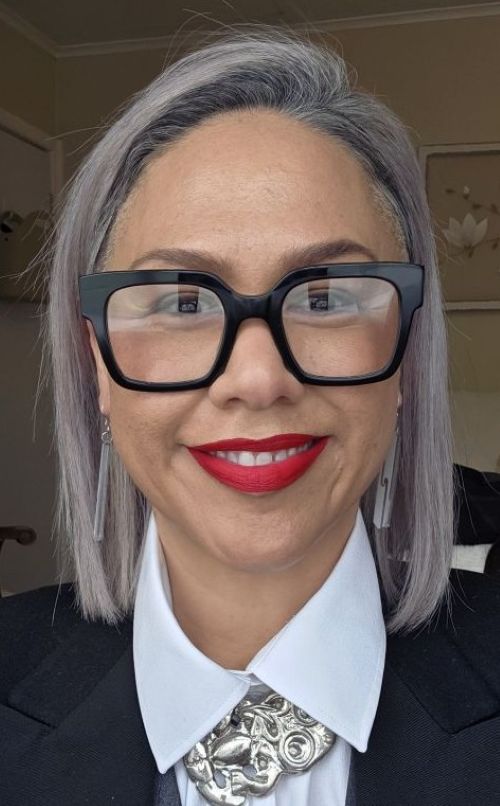
About the authors:Nesca Bowlin (Tainui, Ngaati Maahanga, Ngāti Tūwharetoa, Ngāti Ranginui), RN, PDip, is an academic staff member at the Waikato Institute of Technology (Wintec), Hamilton. Jenny Song, RN, MEd, is a principal academic staff member at the Waikato Institute of Technology (Wintec), Hamilton. This article was accepted for publication in October 2025. |
ABSTRACTBackground: Rongoā Māori is an Indigenous system of healing in New Zealand which reflects Māori knowledge and wisdom. Given that rongoā Māori contributes to the well-being of Māori and is a significant health practice among the Māori population, there is a need to increase awareness of it among health-care professionals. However little is known about third-year nursing students’ knowledge and perceptions of rongoā. Aims: The purpose of this study was to examine third-year nursing students’ attitudes and beliefs about rongoā Māori. Methods: This descriptive qualitative study was conducted at a tertiary education institution in New Zealand using an anonymous online questionnaire. Qualitative data collected from open-ended questions were analysed using thematic analysis. Results: A total of 187 students enrolled in the third year of a nursing degree programme at a tertiary education institution were invited to participate, of whom 73 completed the survey (response rate 39 percent). Key themes emerged, including positive attitudes towards rongoā Māori, uncertainty about rongoā, and barriers to integrating rongoā into care. Conclusion: Although nursing students value the cultural significance of rongoā in supporting Māori tino rangatiratanga in health, they see cultural and systemic barriers to its implementation into the health service. They see the lack of policies about rongoā Māori reflecting broader cultural and systemic barriers where Indigenous knowledge systems are undervalued and marginalised within a Western-dominated health-care system. |
||
KEYWORDSRongoā Māori, culture, nursing students, education, nursing practice |
|||
 Nesca Bowlin
 Jenny Song
Introduction
In Aotearoa New Zealand, the role of the Waitangi Tribunal is to investigate claims brought by the Indigenous Māori population related to government actions or inactions in relation to the Treaty of Waitangi (signed by Māori leaders and the British Crown in 1840). Reporting in 2011 on the WAI 262 claim, the tribunal highlighted the need for government institutions to support and protect traditional Māori knowledge and practices, including rongoā (Waitangi Tribunal, 2011). Rongoā is a system of healing based on Māori tikanga (customs and traditional wisdom), incorporating herbal remedies, physical therapies such as mirimiri (massage), and spiritual healing. In February 2025, the Nursing Council of New Zealand (NCNZ) redeveloped its nursing competency framework. The revised standards of competence for registered nurses (RNs) require all RNs in Aotearoa New Zealand to incorporate knowledge of both tangata whenua (people of the land, ie Māori) and tangata tiriti (people of the Treaty, ie non-Māori New Zealanders) into practice (NCNZ, 2025). This competence framework aligns with contemporary nursing practice and emphasises that all nurses must support Māori health equity, advocate for patient preferences, and uphold kawa whakaruruhau (cultural safety) in their nursing practice.
Rongoā is an Indigenous system of healing, grounded in mātauranga Māori (Māori ways of knowing) and is a legitimate expression of tino rangatiratanga (self-determination) under Te Tiriti o Waitangi (Jones, 2000; Mark et al., 2019). As a traditional medicine, it reflects Māori cultural values, beliefs and ways of life, highlighting the interconnectedness of land, plants, family, spirituality and physical well-being (Jones, 2012; Jones, 2000; Mark et al., 2017; Thompson et al., 2025). For centuries, Māori people have benefitted from this holistic and cultural healing practice, which involves physical treatment, herbal remedies and the spiritual dimension of healing (Jones, 2012). Rongoā practice is guided by Māori tikanga (customs and practices), and advice from the New Zealand Nurses Organisation (NZNO, 2011) suggests the role of nurses, in providing culturally informed care, is to advocate for rongoā where appropriate and refer patients to rongoā practitioners. The Nursing Council of New Zealand makes it clear in its standards for competence of registered nurses (2025) that RNs are required to recognise cultural preferences for complementary treatment, such as rongoā, and support their integration into client care. However a survey of staff at Auckland’s Waitemata District Health Board, published in 2020, which investigated the potential integration of rongoā in hospital systems in Aotearoa New Zealand, found only 46 percent of respondents were familiar with rongoā, and just a third were willing to support it in their practice (Koea & Mark, 2020). Researchers argue that various barriers, including misunderstanding of rongoā, the context-specific nature of traditional health practices, and a lack of knowledge, have hindered health professionals from supporting the integration of this Indigenous therapy into the health service (Ahuriri-Driscoll et al., 2008). They have also argued that culturally bound and Indigenous knowledge systems are potentially marginalised in the Western-dominated health-care system (Te Huia & Mercer, 2019).
Given that rongoā contributes to the well-being of the Māori population and is a significant health practice in improving Māori health, there is an urgent need to increase awareness of it among health-care professionals. Little is known about third-year nursing students’ attitudes and perceptions regarding rongoā Māori. Their beliefs, knowledge and attitudes are likely to shape how confidently and competently they support rongoā Māori in their future nursing practice. As tertiary students’ understandings of rongoā Māori have not previously been investigated in Aotearoa New Zealand, this study seeks to answer the question: “What are third-year nursing students’ attitudes and beliefs about rongoā Māori?”
Method
Design
This descriptive qualitative study was conducted at a tertiary education institution in New Zealand and aimed to investigate the attitudes, understandings and perceptions of third-year nursing students regarding rongoā Māori. The researchers developed an anonymous online questionnaire using Qualtrics survey software. A total of 10 questions were developed, covering demographic information and understandings and attitudes towards rongoā. The survey included open-ended questions, which allowed participants to respond in their own words rather than choosing from pre-defined answer options. These open-ended questions helped elicit more descriptive qualitative data (Hansen & Świderska, 2024).
This study included participants who met the following criteria: third-year nursing students, currently enrolled in a bachelor of nursing programme leading to RN registration, at a tertiary education institution in New Zealand. A matrix barcode (QR code) was generated using Qualtrics survey software, which was distributed to all third-year nursing students at the institution.
Ethical considerations
This qualitative survey was conducted after receiving ethics approval (approval number: WTLR03030325) from the Human Ethics in Research Group (HERG) of a tertiary education institution in New Zealand. The survey’s information section provided participants with a full explanation of the study’s purpose and assured them of the survey’s anonymity. To confirm the reliability of the online survey, the questionnaire was piloted and sent to a co-researcher for verification of its content before distribution. To minimise potential coercion, the researchers made an explicit statement on the first page of the survey that participation was completely voluntary. Participants could decline the survey by clicking the answer “No” on the first page of the survey if they did not wish to participate. No identifiable information was collected, which helped protect participants’ privacy and ensured confidentiality.
Data analysis
The open-ended questions in the survey aimed to explore participants’ perspectives and feelings about rongoā Māori. Data collected from these questions were analysed using thematic analysis. This is a research method that has been widely used to investigate qualitative data, such as interview transcripts and survey responses (Braun & Clarke, 2021). Thematic analysis typically involves the following steps: familiarisation with the data, generating initial codes, searching for themes, reviewing themes, interpreting themes and producing the analysis (Braun & Clarke, 2021).
Findings
The online survey was live for participants to complete from April 23 to August 1, 2025. It took participants 15-20 minutes to answer all the questions. The demographic section of the survey asked for the participants’ age, gender and self-identified ethnicity. A total of 187 students enrolled in the third year of the undergraduate nursing degree programme were invited to participate, of whom 73 completed the survey (respondent rate 39 percent). As shown in Table 1, of the 73 participants who completed the survey, 82 percent (n=60) were female, and 18 percent (n=13) were male. Through analysing the data, key themes emerged, including positive attitudes towards rongoā Māori, uncertainty about rongoā, and barriers to integrating into practice.
Table 1: Characteristics of participants
| Number (n=73) | Valid % | |
|---|---|---|
| Gender | ||
| Female | 60 | 82% |
| Male | 13 | 18% |
| Age | ||
| Under 25 | 28 | 38% |
| 25-35 | 26 | 36% |
| 36-45 | 13 | 18% |
| 46 and over | 6 | 8% |
| Ethnicity | ||
| Māori | 9 | 12% |
| Pacific Islander | 5 | 7% |
| New Zealand European | 20 | 27% |
| Asian | 27 | 37% |
| Other | 12 | 16% |
Positive attitudes towards rongoā Māori
Participants were asked about their feelings or attitudes towards the integration of rongoā into health care. Comments from participants showed positive attitudes towards rongoā. Some participants stated that rongoā supports appropriate and holistic care, as reflected in the following direct quotes.
I feel that is important to have awareness of rongoā as a nurse in the New Zealand context. Like any traditional medicine, there are benefits to its simplicity and values of achieving a holistic wellness.
It helps nurses understand how to care for our Māori/Indigenous communities.
I do think it will be hard to integrate rongoā into modern practices. How long we’ve been practising Western medicine? The benefits of incorporating these traditional practices are obvious, such as improving the outcomes of our Māori patients, building trust and improving well-being.
Benefits include improving health outcomes, building rapport and working in partnership with Māori patients.
Some participants saw rongoā as a traditional cultural heritage which should be embedded into client care in Aotearoa New Zealand.
Rongoā should be integrated into modern nursing practice because it would allow patients to have a second option in terms of their health. In my culture, rongoā, or herbal medicine, is very common for people to use as an alternative for medicines. I think this would empower patients to have control over their health and as well as connect to their culture.
This will make sure that the future generations will become acquainted with the traditional healing methods.
Rongoā provides not only physical remedies but allows a space for spirituality and cultural … practice.
Some participants linked rongoā Māori to culturally safe nursing practice.
Integrating rongoā into nursing supports holistic, culturally safe care, but it must be done respectfully and collaboratively.
We are trained in Aotearoa New Zealand, where culturally safe practice is required, which means that we need to understand Māori and other Indigenous cultures in health practice.
It’s a vital cultural consideration for Indigenous clients, to complement health care dominated by biomedicine.
Other participants mentioned that rongoā could be complementary to Western medicine.
I think rongoā would be a great incorporation for modern nursing practice especially in regard to Māori patients being able to connect back with their own healthcare remedies rather than westernised medications which may not be beneficial for them.
It should be available for all people who would like it alongside western care.
I support its integration in modern nursing practice because currently, the practices are based on western traditions. The integration would allow Māori to feel safer in engaging with healthcare.
I perceive rongoā to be a great intervention in ways that modern medicine may not be. It’s not as invasive and detrimental to the body systems as Western medicine does.
Uncertainty regarding rongoā Māori
While the majority of participants held positive attitudes about rongoā Māori, some expressed feelings of uncertainty about this traditional Māori health practice. One participant argued that,
It may be beneficial in cases where pharmaceutical methods of healing are ineffective, but I’m not sure.
Some participants were hesitant about the integration of rongoā into client care due to uncertainty about the potential benefits and side effects. They argued that it would be challenging to promote rongoā without scientific evidence. For example, some participants argued that
I, myself, have to know a lot, needing a lot of research regarding it, if I am to recommend or suggest to the patients.
I don’t have the knowledge, I would need to learn more, to be able to utilise this approach in nursing practice when needed.
We don’t understand the contraindications and side effects of rongoā.
They have been taught evidence-based practice but have not been given scientific evidence on rongoā Māori.
Barriers to integrating rongoā Māori in practice
Participants reported the potential challenges they saw to the integration of rongoā Māori into the current health-care system, including cultural barriers and system barriers.
Cultural barriers
Some participants noted that international nursing students have had no exposure to Māori culture, and therefore it would be difficult for them to understand and support rongoā Māori in their nursing practice.
As an international student, I have never heard about this, and don’t know what to do with it.
People have different beliefs and worldviews regarding traditional health practice, especially when studying as an international student.
Not many modern healthcare workers could be interested or open to the idea of incorporating rongoā into their practice.
Health practitioners may not want to prescribe or put their registration on the use of it as they may have their own bias or unwillingness to support the use of rongoā.
Some health professionals might not believe in a holistic approach so it might be challenging to get people like that on board with integrating it.
Some participants reported their concern about potential racist views about rongoā Māori.
I feel that racism is still very present and therefore some may be hesitant or resistant to learning about rongoā or even to completely understand, as even though some wish to embrace rongoā, it’s only on surface level.
I’ve found lots of complaints from other students asking why certain parts was relevant but not fully understanding the concepts completely, which is unfortunate. As most western medicines are so destructive on the human body whereas rongoā can be less harmful and a therapeutic approach to clinical treatment (in the right settings).
I am not properly well equipped therefore would need adequate education to incorporate it. But health professionals might not be open to this practice — especially in the current political climate in NZ.
Systemic barriers
Participants also reported systemic barriers as being likely to place some limits on integration of rongoā Māori into the health service. These could include a lack of clear policies and access to resources, the shortage of Māori in the health workforce, and limited understanding and education opportunities regarding these traditional health practices.
There are no clear policies regarding treatment options, and it would be challenging to obtain informed consent and navigate regulatory and institutional policies.
Benefit would be improvement in mental and physical well-being of Māori. However, there are not many Māori colleagues who understand and support rongoā.
Challenges are that many people dismiss rongoā as being ineffective or getting in the way of traditional western healing. Also, many healthcare professionals don’t understand how rongoā works and have never learnt about it.
Many people lack awareness of rongoā, including doctors and nurses, they have no knowledge about rongoā Māori.
Access to resources may be challenging within a hospital setting and we don’t know where to find useful resources regarding rongoā Māori.
Discussion
Rongoā Māori, a traditional healing process, has been a way of living for Māori for centuries. It benefits the Māori population by providing a holistic approach to health and well-being. This study was designed to investigate third-year nursing students’ attitudes and beliefs about rongoā Māori. In this study, participants reported positive attitudes towards rongoā Māori, including its unique cultural wisdom, holistic healing process, and connections to whakapapa and te ao Māori. These findings correspond with scholarly work which contends that the use of rongoā is an important aspect of health care for Māori as it represents whakapapa and culture grounded in Māori worldviews (Durie, 2010; Jones, 2012; Mark et al., 2017).
Rongoā is an essential element of the traditional Māori healing process, and is commonly used as a complementary and alternative medicine (CAM) by the Māori population of Aotearoa New Zealand. Researchers have argued that the value of traditional knowledge is increasingly accepted, and Indigenous and holistic understandings of rongoā are being recognised as having “a newfound contemporary significance” (Ahuriri-Driscoll et al., 2008, p. 6). The international landscape also supports this approach. The World Health Organization (WHO) notes that of 194 member states, 170 report the use of traditional or complementary medicines, and many developed countries have recognised and integrated traditional medicine into their health systems (WHO, 2023). The WHO’s Western Pacific member states have shown strong acknowledgement of traditional complementary medicine (TCM), with 93 percent of them using TCM as part of traditional healing, and for illness prevention and treatment (WHO, 2021). In Aotearoa New Zealand, some nursing education providers have shown small movement towards integration of rongoā into curricula, despite the lack of formalised legislation for traditional medicine (Te Huia & Mercer, 2019).
A positive finding of this study was that participants were able to link rongoā Māori to culturally safe practice, which is required of nurses by the Nursing Council of New Zealand. The Nursing Council’s Standards of Competence for Registered Nurses framework strongly emphasises the rights of Māori as tangata whenua and requires nurses to incorporate knowledge of cultural safety into practice (NCNZ, 2025). The New Zealand Nurses Organisation (NZNO) has clearly outlined the role of nurses in rongoā Māori and complementary therapies, encouraging nurses to understand the relevance and cultural foundations of rongoā (NZNO, 2011).
While participants in this study expressed positive attitudes about, and understanding of, rongoā, they also raised what they saw as significant potential barriers to the integration of rongoā into the health service. Uncertainty about rongoā was one of the concerns raised by participants. Some said health practitioners’ lack of knowledge about rongoā and limited educational opportunities to learn about traditional Māori healing practices were barriers to culturally responsive care. In New Zealand, rongoā is regulated by tikanga and kawa, rather than a regulatory body. The NZNO rongoā guidelines state that the nurse’s role is to advocate for patient preferences by referring patients to rongoā practitioners and supporting the integration of rongoā into client care (NZNO, 2011). Clarity about the role of nurses as advocates can enhance student nurses’ confidence about their role in an interdisciplinary approach to holistic care.
The ability of health-care professionals to advocate for rongoā for a person who chooses this complementary health treatment can be undermined by lack of understanding and knowledge of indigenous cultural health practices. This study found that although third-year nursing students who participated might value rongoā traditions, some of them might not understand its significance or be confident about advocating for it in their future nursing practice. The literature also suggests that a lack of knowledge may limit people’s understanding of the relationship between rongoā and conventional health practices, despite many health professionals expressing a desire to learn more about it (Mark & Koea, 2021). In this study, some participants felt hesitant that they would be able to promote rongoā without robust clinical research to support its benefits and safety, commenting that “it’s not evidence-based practice”. Rongoā Māori is culturally bound and requires knowledge of Māori tikanga, which may not always align with Western clinical trials. The notion of evidence-based practice has been criticised for amplifying empirical data without balancing it with cultural context and patient values and beliefs (Kumah et al., 2022). The Nursing Council’s (2025) standards of competence require RNs to engage in evidence-informed practice that is underpinned by critical thinking and high-quality current evidence, and to take greater account of culture and patient values in providing safe nursing care.
The findings of this study highlight policy gaps that stand in the way of integrating rongoā Māori into the current health-care system. Participants thought that cultural and systemic barriers were major contributing factors for ineffective integration of rongoā into health services. Some pointed out the lack of regulatory and institutional policies on rongoā. The literature agrees, asserting that the lack of supporting policies is a major barrier to integration of rongoā (Mark & Koea, 2019; Thompson et al., 2025). Existing health policies often neglect Indigenous knowledge systems, which limits the ability of health-care professionals to incorporate rongoā Māori into treatment plans. The absence of clear policies that promote collaboration between rongoā practitioners and health services has been identified as a critical gap that requires urgent attention (Thompson et al., 2025). Political gaps are evident where legislative and Treaty provisions do not align, and where the law does not accommodate Indigenous cultural preferences or rights (Waitangi Tribunal, 2011).
In this study, participants reported concerns that prejudice, framed as “racism”, might stand in the way of further integration of rongoā. A lack of understanding of Indigenous medicine can lead to scepticism or even dismissal of rongoā as a complementary healing methodology (Mark & Koea, 2019). In New Zealand, Western health approaches are the mainstream, with a focus on pathological processes. Some health professionals may hold prejudices about the effectiveness of traditional Māori healing practices. By raising awareness of rongoā Māori, nurses can challenge these ideas and improve culturally appropriate care. Educational initiatives should incorporate both practical applications and the philosophical foundations of rongoā, helping raise awareness of rongoā Māori and bridging the gap between traditional healing practices and modern health care (Mark & Koea, 2021). Collaboration between rongoā practitioners and conventional health-care professionals could help create a collective understanding of both practices (Thompson et al., 2025).
Conclusion
While nursing students in our study may recognise the cultural significance of rongoā in promoting Māori health and well-being, they can see there remain cultural and systemic barriers to its implementation into general health care. These barriers include a lack of policies related to rongoā, reflecting the undervaluing and marginalisation of Indigenous knowledge systems in the Western-dominated health-care system. This study emphasises the need for systemic adaptation. Providing clarity about rongoā Māori by further developing regulatory guidance, training programmes and stronger interdisciplinary partnerships can help equip health-care professionals with the skills to incorporate rongoā Māori into culturally safe practice.
Clinical implications
Nurses represent the largest group in the health-care workforce in Aotearoa New Zealand. This study highlights the need for nurse educators to provide education on holistic Māori healing systems and the safe integration of rongoā in clinical care settings.
Limitations
The limitations of the research are related to the relatively small sample size and the use of only one tertiary education institution as the study site, which limits the generalisability of the research findings. Given this constraint, it would be useful to conduct a larger national study to understand nursing students’ perspectives and attitudes related to rongoā Māori.
Another limitation of this study is that it does not have a comparative analysis with nursing programmes that are deeply embedded in Māori culture and practices. Therefore, further comparative studies with nursing programmes are recommended to strengthen nurses’ understanding of cultural preferences and support the integration of rongoā into care.
Conflicts of interest
No conflicts of interest.
Funding
This research received no specific grant from any funding agency.
References
Abu-Baker, N. N., AbuAlrub, S., Obeidat, R. F., & Assmairan, K. (2021). Evidence-based practice beliefs and implementations: A cross-sectional study among undergraduate nursing students. BMC Nursing, 20(1), 13-18. https://doi.org/10.1186/s12912-020-00522-x
Ahuriri-Driscoll, A., Baker, V., Hepi, M., Hudson, M., Mika, C., & Tiakiwai, S. (2008). The future of rongoa Maori: Wellbeing and sustainability. University of Canterbury, Health Sciences Centre.
Braun, V., & Clarke, V. (2021). Thematic Analysis. SAGE Publications.
Durie, M. (2010). Traditional healing and mental health — measuring the effectiveness of rongoā. Best Practice Journal, 28, 5-7.
Hansen, K., & Świderska, A. (2024). Integrating open- and closed-ended questions on attitudes towards outgroups with different methods of text analysis. Behavior Research Methods, 56(5), 4802-4822. https://doi.org/10.3758/s13428-023-02218-x
Jones, R. (2012). Understanding rongoā. Te Ara – the Encyclopedia of New Zealand.
Jones, R. G. (2000). Rongoa Maori and primary health care (Master’s thesis). University of Auckland.
Koea, J., & Mark, G. (2020). Is there a role for Rongoā Māori in public hospitals? The results of a hospital staff survey. New Zealand Medical Journal, 133(1513), 73-80.
Kumah, E. A., McSherry, R., Bettany-Saltikov, J., Schaik, P., Hamilton, S., Hogg, J., & Whittaker, V. (2022). Evidence-informed vs evidence-based practice educational interventions for improving knowledge, attitudes, understanding and behaviour towards the application of evidence into practice: A comprehensive systematic review of undergraduate students. Campbell Systematic Review, 18(2).
Mark, G., Chamberlain, K., & Boulton, A. (2017). Acknowledging the Māori cultural values and beliefs embedded in rongoā Māori healing. International Journal of Indigenous Health, 12(1), 75-92.
Mark, G., Chamberlain, K., & Boulton, A. (2019). Rongoā Māori is not a complementary and alternative medicine: Rongoā Māori is a way of life. International Journal of Human Rights Education, 3(1), Article 12.
Mark, G., & Koea, J. (2019). Knowledge and attitudes of health professionals on Rongoā Māori in hospitals: Technical report. Health Research Council.
Mark, G., & Koea, J. (2021). Bridging rongoā Māori healing and medical health treatment collaboration. Research report 2021. Health Research Council.
Nursing Council of New Zealand. (2025). Standards of competence for registered nurses.
New Zealand Nurses Organisation. (2011). Rongoā Māori and complementary therapies in nursing practice.
Te Huia, M., & Mercer, C. (2019). Relationships and implications for complementary and alternative medicine in Aotearoa New Zealand: A discussion paper. Nursing Praxis in New Zealand, 35(3), 25-32.
Thompson, N., Glyn, T., Kerridge, D., & Koea, J. (2025, Mar). Fostering collaboration: an exploration of knowledge exchange between Rongoā Māori practitioners and surgical clinicians. ANZ Journal of Surgery, 95(3), 328-334.
Waitangi Tribunal. (2011). Ko Aotearoa Tēnei: A Report into Claims Concerning New Zealand Law and Policy Affecting Māori Culture and Identity. Legislation Direct.
World Health Organization. (2021). Traditional and complementary medicine.
World Health Organization. (2023). Traditional medicine.
Appendix A: Glossary of Māori terms
Aotearoa – The Māori name for New Zealand, which translates as “the land of the long white cloud”.
Kawa whakaruruhau – A nursing framework that ensures nurses deliver care in a way that is respectful of Māori and Tiriti o Waitangi obligations.
Mātauranga Māori – A body of knowledge originating from Māori ancestors, including the Māori world view, values, and ways of knowing.
Pou – Literally “post” or “pillar”. In this context, a guiding standard or principle (as in the Nursing Council competency pou).
Rongoā Māori – Traditional Māori healing system encompassing herbal medicine, massage (mirimiri), spiritual healing, and other culturally grounded practices.
Tangata Tiriti – People of the Treaty. Those in Aotearoa New Zealand whose rights to be here derive from Te Tiriti o Waitangi, who are usually non-Māori.
Tangata whenua – People of the land; Māori as the Indigenous people of Aotearoa New Zealand.
Te Tiriti o Waitangi – The Treaty of Waitangi, signed in 1840 between representatives of the British Crown and many Māori chiefs; considered New Zealand’s founding document and a cornerstone for Māori-Crown relationships.
Tino rangatiratanga – Self-determination, sovereignty, or the authority to make decisions and control resources; a key concept in Māori rights and governance.
WAI 262 – A significant Waitangi Tribunal claim lodged in 1991 concerning Māori rights to indigenous flora, fauna, cultural knowledge and intellectual property.
Whānau – Extended family or community of related families who share a common ancestor.