

|
|
ABOUT THE AUTHORS: Seamus Hughes (Kāi Tahu), RN, PGDipHSc, is a clinical academic in the School of Nursing, University of Waikato, Hamilton. His correspondence address is [email protected] John Hiakita (Tainui te Iwi, Tainui te waka, Ngāti Mahanga te hāpu, Tuhoe te Iwi, Matātua te waka, Ngāti Rere te Hāpu), RN, is a lecturer/pūkenga ako in the School of Nursing, University of Waikato, Hamilton. Anna Tiatia Fa’atoese Latu (Kāi Tahu), MPH, is Associate Dean Māori, in the Division of Health, University of Waikato, Hamilton. |
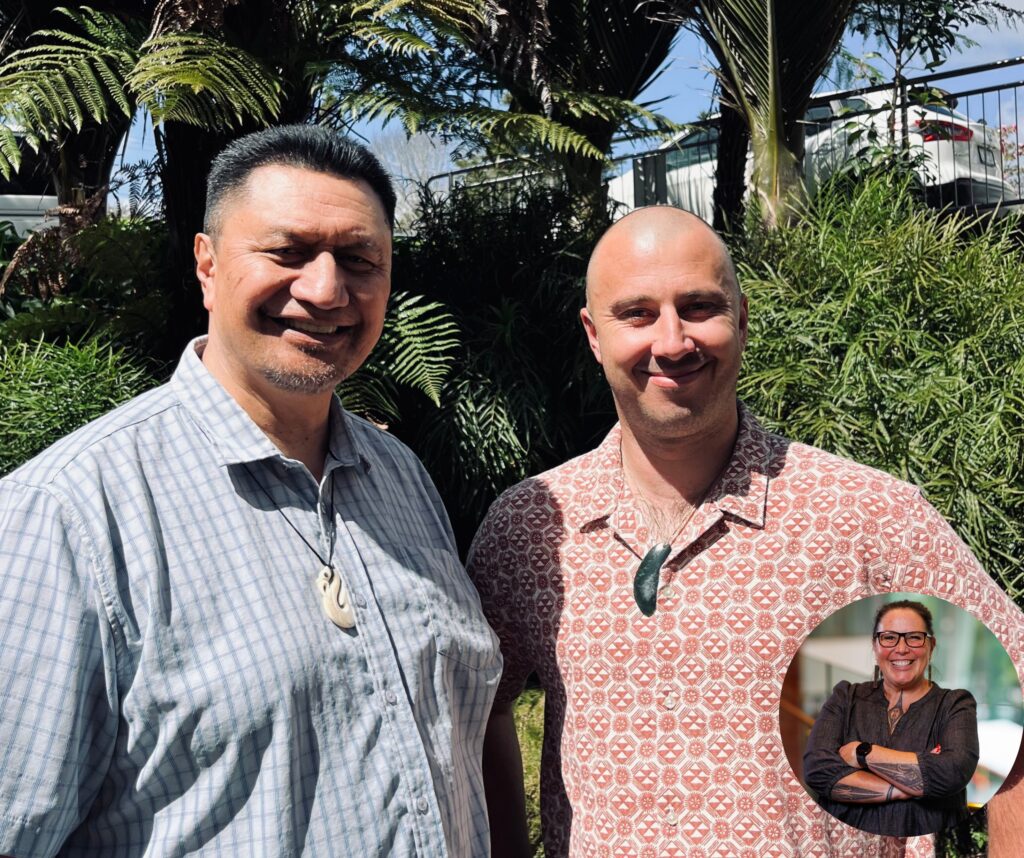
NURSING EDUCATION IN Aotearoa New Zealand is at a pivotal point. With a clear mandate to foster cultural safety and address persistent health inequities for Māori, teaching methods must evolve beyond traditional frameworks. The Nursing Council of New Zealand’s Guidelines for Cultural Safety, Te Tiriti o Waitangi/the Treaty of Waitangi and Māori Health in Nursing Education and Practice (Nursing Council of New Zealand [NCNZ], 2011) make it clear that nurses must be prepared to work with Māori in a way that is respectful and effective. The challenge, however, lies in moving from theoretical understanding to authentic, embodied practice. A powerful model for this is found in the lived experiences of a small but growing group: Māori male nurses. They bring a unique blend of cultural perspective, professional experience and personal identity that enriches the learning environment. This article explores the teaching philosophies of two such educators, John, a nurse of 27 years, and Seamus, a nurse of 12 years, both from the University of Waikato. By examining their personal and professional journeys, we aim to show how they translate their experience into a powerful form of pedagogy that not only teaches foundational nursing concepts but also normalises te ao Māori within the curriculum.
Te ao Māori and whanaungatanga
Te ao Māori is a holistic and interconnected worldview that provides the foundation for Māori culture, identity and nursing practice in Aotearoa New Zealand (Durie, 2012; Ministry of Business, Innovation and Employment, 2025). It is essential to recognise the unique position of Māori as the Indigenous people of Aotearoa and the impact of colonisation on their health and societal outcomes (Reid & Robson, 2006; Wilson et al., 2022). Of the 2023 estimated resident population of New Zealand, Māori constitute 17.1 percent, with a total count of 914,400 people (Stats NZ, 2024). Despite this significant and growing presence, Māori experience considerable disparities in health, education and economic indicators compared to non-Māori, which is a direct consequence of historical and ongoing colonisation (Came et al., 2019; Durie, 2012; Reid & Robson, 2006). A critical factor that needs to be tackled in addressing Māori health inequities is the significant under-representation of Māori in nursing. Although Māori make up more than 17 percent of the population, they are only 7 percent of the nursing workforce (Heyes, 2024; Wilson et al., 2022). An increased Māori workforce is considered a “critical enabler” for reducing health disparity (Wilson et al., 2022). The ability of Māori nurses to understand and integrate te ao Māori concepts such as whanaungatanga (connectedness) and manaakitanga (care for others) into health care enables them to help address systemic inequities and foster culturally safe and effective care (Carlson et al., 2016; Lacey et al., 2011).
In nursing literature, the therapeutic use of self refers to the way a nurse can intentionally use their relationship with the patient (Kingston & Greenwood, 2020). They can use the therapeutic relationship to find out what knowledge whānau lack and help fill those gaps, and to use identified strengths and motivational interviewing to enhance the health of patients and their whānau (Erkayiran & Aslan, 2025; Kingston & Greenwood, 2020).
Te ao Māori concepts intertwine with the therapeutic use of self, or therapeutic relationship-building, and then go above and beyond into whanaungatanga (Carlson et al., 2016). Whanaungatanga is the art of connectedness (Carlson et al., 2016; Lacey et al., 2011) which can be reflected in both informal and formal engagements between people. It involves an expectation of meaningful, purposeful engagement, grounded in mutual respect and caring (Lacey et al., 2011).
An example of this process is the use of tikanga Māori during formal engagements such as the pōwhiri ceremony (Opai, 2023). It helps to understand that the word “pōwhiri” (formal welcome) is made of two words, “pō” meaning “night” and “whiri” meaning “weaving”. Joining these two meanings, the word pōwhiri indicates the process of weaving distinct peoples together, including their time shared and the ancestors of each party (Opai, 2023). The meaning of “manuwhiri” (guests) enhances this understanding — birds (manu) come to a place for a time and weave (whiri) with the people who are there. A pōwhiri begins with a karanga (calling). The word “karanga”, again, strengthens the understanding of the process of connectedness. It derives from “raranga” (to weave), and indicates the start of the weaving of ancestral connections between hau kāinga (local people) and manuwhiri. Whaikōrero (oratory) and waiata (singing) follow after the two groups have come together and sat down. “Whaikōrero” is made up of the words “whai” (to follow) and “kōrero” (speech). Speakers from each side of the paepae (speakers’ line) take turns at speaking, ie “following the speech”. This further emphasises the process of connectedness. At the conclusion of speeches, the two parties become “one” with the use of hongi, pressing noses together and sharing the breath of life. This is followed by the sharing of kai (food) to whakanoa (make normal) and manaaki (take care of) all involved (Opai, 2023).
The common theme through this ceremony is weaving, using strands to create a strong korowai (cloak) that is bound together tightly and securely with whakapapa, shared experiences and connectedness. Time is spent weaving these strands together under the same roof. The weaving metaphor, which describes how the pōwhiri process builds whanaungatanga, the “art of connectedness”, can also be applied to the way the therapeutic nursing relationship works.
The history of cultural safety in nursing
From the late 1980s through to 1990, meetings were held between education, health and nursing leaders to discuss two alarming and interconnected issues — the health needs of Māori, and the education needs of Māori nursing students, too many of whom were dropping out of their undergraduate courses (NCNZ, 2011; Ramsden, 2002; Richardson & Carryer, 2005; Wilson et al., 2022). During one of these meetings, a Māori nursing student voiced their concern about nursing education, saying they did not feel safe within the curriculum (Ramsden, 2002). A connection was then made to how Māori may feel when accessing health care in a dominant colonial culture (Richardson & Carryer, 2005). Led by nurse educator Irihapeti Ramsden, the concept of cultural safety — providing an environment in nursing education and in the health service in which Māori could feel culturally understood and free from racism and judgment — was introduced into nursing education and in 1990 became established as part of the Nursing Council of New Zealand nursing competencies (NCNZ, 2011; Ramsden, 2002). The concept was originally known as kawa whakaruruhau, but was renamed “cultural safety” in the 1990s due to racist social backlash, and was used to apply broadly to all cultures (Wilson et al., 2022). Kawa whakaruruhau is often used interchangeably with cultural safety, but via the Māori worldview it has a particular meaning of practice (kawa) and of protection (whakaruruhau) from discrimination (Wilson et al., 2022). Since the development of cultural safety/kawa whakaruruhau in nursing education and practice, there have been many different ethical, legal and professional documents and guidelines developed to guide and translate the concept into practice. It is currently guided by the Nursing Council’s Standards of Competence for Registered Nurses (NCNZ, 2024b), Code of Conduct (NCNZ, 2012), and Guidelines for Cultural Safety, the Treaty of Waitangi and Māori Health in Nursing Education and Practice (NCNZ, 2011); also by the New Zealand Nurses Organisation Code of Ethics (NZNO, 2019) and the Health and Disability Commissioner Act 1994 Code of Rights” (2024). Te Tiriti o Waitangi — the document signed by Māori leaders and representatives of the British Crown in 1840 — is referenced in all these documents and holds professional and ethical practice by nurses accountable to the articles or principles of Te Tiriti.
Men’s experiences in nursing
Historically, there has been a slowly increasing acceptance of women entering male-dominated professions. The opposite, however, is not true (Jamieson et al., 2019). In March 2023, it was reported that 10 per cent of the nursing workforce was male (NCNZ, 2024a). Male nurses bring diverse perspectives and unique strengths to the profession, challenging traditional gender norms and enriching patient care through their presence. The dominant western culture, characterised by misogyny, patriarchy (Came et al., 2022) and cis-heteronormativity (Cui, 2024), has negatively affected men entering female-dominated professions (Lazzaro-Salazar, 2020). This has been compounded by the common misconception that nursing is a “caring profession”, and that men do not carry the appropriate “caring qualities” to be a nurse (Lazzaro-Salazar, 2020). Men working in the nursing profession must navigate these gendered stereotypes — the tensions between expectations of masculinity and femininity — ultimately leading to strain, gender discrimination and isolation (Hodges et al., 2017). On the other hand, men in the nursing workforce can have their career fast-tracked and promoted more than women (Lazzaro-Salazar, 2020), keeping in line with the gendered narrative of the colonial culture in Aotearoa.
Māori nurses’ experiences in nursing
Māori nurses represent approximately 7 percent of the nursing workforce (NCNZ, 2024a) despite Māori comprising 17.1 percent of the population (Stats NZ, 2024). This is a consequence of Aotearoa’s colonial history and its legacy of racism and discrimination (Came et al., 2019; Wilson et al., 2022). The under-representation of Māori in the nursing workforce, due to historical and current racism and discrimination, is tightly linked with the experiences of Māori nurses in the workforce. Experiences of racism and discrimination are still all too common for Māori nurses, which facilitates and perpetuates their under-representation in the nursing workforce (Wilson et al., 2022). Improved Māori representation in the nursing workforce is believed to be a key contributor to Māori achieving health equity (Wilson et al., 2022). This is due to the unique worldview Māori bring to the profession, their dual role as a Māori and a nurse, and their lived experiences of racism (Wilson et al., 2022).
Life experience as a tool for teaching
In two separate conversations, nurse educators John and Seamus articulated a shared philosophy: the most powerful teaching tool is one’s own lived experience. They have both found unique ways to translate their personal journeys into lessons that resonate with students, to better prepare them for the realities of nursing in Aotearoa.
John’s narrative:
I began my journey in nursing as a young Māori man in a largely female-dominated profession. At over six feet tall, I quickly realised my physical presence could be intimidating to people I was trying to care for. I knew I had to find a way to connect with people who might hold biases about me. I had to find ways that I could use the way that I look, the way that I stand, the way that I talk, my body language.
With over 27 years of nursing experience, I’ve had time to master the therapeutic use of self. One of the first things I learned was to sit down. I never read that in any nursing manual. It was something I had been taught while working in acute mental health. It was an essential skill, especially if the person I was nursing were Pākehā, female and were very small. This simple act of lowering myself to their level was a form of communication that often helped to build trust. It’s a lesson I now teach our male nursing students, showing them that their best resource is themselves, and that care is about meeting the patient where they are.
My background in mental health and forensic services also gave me a unique perspective. I’d seen firsthand the effects of colonisation on Māori, not just in a historical sense, but in the systems and policies that continue to cause harm. Having worked to help develop a Māori forensic service, I’ve seen the dilemma of nursing up close: how do you provide wellness and optimal health for Indigenous peoples when the very systems we are in can be restrictive and harmful?
This is why I believe that teaching manaakitanga is so important. For me, it is the ultimate expression of trustworthiness, a value I learned from my parents. My father, to put it in context, was from Tuhoe, and he came from Te Waimana Valley close to Opotiki. He was very self reliant … we could always trust that he would always do right by us. Our mother, who is from Whatawhata in the Waikato, also exemplified these values. Their unwavering reliability is what I strive to provide for my students. I want them to trust that I will be a consistent presence in their learning journey and that I will honour their decision to come to me for help.
Seamus’s narrative:
I am a second-generation male nurse, with both my father and uncle working as registered nurses. My father graduated in the early ’90s and my uncle in the early 2000s, so being a male nurse has not been a foreign concept for me and has in fact been normal for my entire life. With 12 years of nursing experience and a second generation male nurse in my whānau, my teaching focuses on applied sciences and pharmacology. It might seem like a rigid, scientific field, but I believe it is a perfect place to normalise te ao Māori and te reo. My ultimate goal is that te reo becomes a normalised, conversational language in Aotearoa. I do this by interjecting Māori words and concepts into my lectures. I’ll be talking about pharmacokinetics and then introduce concepts like manaakitanga or whanaungatanga and explain how they apply. I am showing students how these two worlds, Western science and te ao Māori, can intersect and grow together.
I also believe that my teaching is about more than just delivering content; it’s about building trust and connection. My approach is to be as relatable as possible, so that students can come to me with any question, no matter what it is. I had two Pacific students who came to me for assistance with medication calculations and technology. They needed more than a lecture, they needed personalised support to help them understand how to find reliable information online.
I believe that my role is to break down the power dynamics that can exist between students and teachers. Reflecting on my own student experience, when I see students today, I make myself available and approachable, ensuring they know that I am more than just a lecturer. I want them to know who I am, a father, a husband, a person to help break down those barriers. It is this authentic connection that allows students to feel comfortable enough to ask for help outside of class time.
Shared perspective and implications
In both conversations, a powerful and unified philosophy emerged. John and Seamus are fundamentally committed to teaching cultural safety in an authentic and relational way. They demonstrate that Indigenous pedagogy is not an abstract theory but a living practice. By embodying the principles they teach, they empower their students to do the same.
They are also vital role models. By simply existing as Māori male nurses in academia, they challenge stereotypes and provide a counter-narrative to traditional perceptions of the nursing profession. They show their students that a nurse can be a protector, a leader, a scientist, and a cultural facilitator, all at once, making their lessons more compelling and helping to create a more inclusive learning environment for all.
The lessons from John’s and Seamus’s stories offer clear, actionable takeaways for all nurses and educators. Their approach challenges us to move beyond superficial training to embrace a more authentic, heart-centred practice.
- For male nurses: Tuakana teina (mentoring) — support other male nurses in the profession and male students aspiring to become nurses. Your experience as a male in a female-dominated profession provides valuable insights on how to nurture others into the role.
- For educators: Use your own life experiences as a teaching tool. Be authentic and vulnerable with your students, as this builds trust and makes learning more meaningful. Normalise the use of te reo and te ao Māori in your everyday teaching, regardless of the subject.
- For the nursing profession: Recognise the immense value of manaakitanga. Actively recruit and support more Māori nurse educators, as their unique perspectives are crucial for a curriculum that is truly fit for purpose in Aotearoa.
- For all nurses: Embody the principles of whanaungatanga and manaakitanga in your daily practice. Approach every patient interaction with a commitment to building a trusting relationship and providing care that is culturally safe and based on authenticity.
Conclusion
The narratives of John and Seamus are a powerful testament to the value of Indigenous pedagogy in nursing education. Through their unique journeys as Māori men in nursing, they have forged a new path for teaching cultural safety, grounded in lived experience, building relationships, and a deep commitment to their students. Their shared philosophy demonstrates that to prepare nurses for the complexities of health care in Aotearoa, we must move beyond the confines of traditional teaching and embrace educators who model the very principles they seek to instill. In doing so, we not only honour the past, but also create a healthier and more equitable future for all.
References
Came, H., Matheson, A., & Kidd, J. (2022). Smashing the patriarchy to address gender health inequities: Past, present and future perspectives from Aotearoa (New Zealand). Global Public Health, 17(8), 1540-1550.
Came, H., McCreanor, T., Manson, L., & Nuku, K. (2019). Upholding Te Tiriti, ending institutional racism and Crown inaction on health equity. New Zealand Medical Journal, 132(1492).
Carlson, T., Moewaka Barnes, H., Reid, S., & McCreanor, T. (2016). Whanaungatanga: A space to be ourselves. Journal of Indigenous Wellbeing, 1(2), 44-59.
Cui, L. (2024). ‘We are celebrated but not included’: heteronormativity and cisnormativity in Aotearoa New Zealand workplaces. Kōtuitui: New Zealand Journal of Social Sciences Online, 20(4), 800-818.
Durie, M. H. (2012). Te Mana, Te Kawanatanga: The Politics of Māori Self-Determination. Oxford University Press.
Erkayiran, O., & Aslan, R. (2025). Development and Psychometric Validation of the Nurse-Patient Therapeutic Interaction Scale (NuPTIS). Nurse Education in Practice, 87, 104478.
Heyes, R. (2024). Growing, but not fast enough: Maori nursing workforce insights for Te Rau Ora.
Hodges, E. A., Rowsey, P. J., Gray, T. F., Kneipp, S. M., Giscombe, C. W., Foster, B. B., Alexander, G. R., & Kowlowitz, V. (2017). Bridging the gender divide: Facilitating the educational path for men in nursing. Journal of Nursing Education, 56(5), 295-299.
Jamieson, I., Harding, T., Withington, J., & Hudson, D. (2019). Men entering nursing: Has anything changed? Nursing Praxis in New Zealand, 35(2).
Kingston, M. A., & Greenwood, S. (2020). Therapeutic relationships: Making space to practice in chaotic institutional environments. Journal of Psychiatric and Mental Health Nursing, 27(6), 689-698.
Lacey, C., Huria, T., Beckert, L., Gilles, M., & Pitama, S. (2011). The Hui Process: a framework to enhance the doctor-patient relationship with Maori. New Zealand Medical Journal (Online), 124(1347).
Lazzaro-Salazar, M. (2020). Finding their own voice in a women’s world: A case study of male nurses in New Zealand. In J. McDowell (Ed.), De-Gendering Gendered Occupations (pp. 84-109). Routledge.
Ministry of Business, Innovation and Employment. (2025). Principles from te ao Māori, the Māori worldview.
New Zealand Government. (2024). Health and Disability Commissioner Act 1994.
New Zealand Nurses Organisation. (2019). Guideline — Code of Ethics.
Nursing Council of New Zealand. (2011). Guidelines for Cultural Safety, the Treaty of Waitangi and Maori Health in Nursing Education and Practice.
Nursing Council of New Zealand. (2012). Code of Conduct for Nurses.
Nursing Council of New Zealand. (2024a). The New Zealand Nursing Workforce: A profile of nurse practitioners, registered nurses, and enrolled nurses 2022 – 2023.
Nursing Council of New Zealand. (2024b). Registered nurse standards of competence.
Opai, K. (2023). Tikanga: An Introduction to Te Ao Maori (1st ed.). Upstart Press.
Ramsden, I. (2002). Cultural safety and nursing education in Aotearoa and Te Waipounamu [Unpublished doctoral thesis]. Victoria University of Wellington.
Reid, P., & Robson, B. (2006). The state of Māori health. In State of the Māori nation: Twenty-first century issues in Aotearoa, 17-32.
Richardson, F., & Carryer, J. (2005). Teaching cultural safety in a New Zealand nursing education program. Journal of Nursing Education, 44(5), 201-208.
Stats NZ. (2024). Māori population estimates: At 30 June 2024.
Wilson, D., Barton, P., & Tipa, Z. (2022). Rhetoric, Racism, and the Reality for the Indigenous Maori Nursing Workforce in Aotearoa New Zealand. OJIN: The Online Journal of Issues in Nursing, 27(1).
Daily doses – uncut news
| 5 Oct |
Labour's pay rise a first step, but pay equity needs a full settlementTōpūtanga Tapuhi Kaitiaki o Aotearoa NZNO has welcomed Labour's promised pay rise for care and support workers as a first step. It says care and support workers now need a full settlement of their pay equity claim and a workable pay equity system for all of its members. |
| 1 Oct |
Health NZ releases first national report on serious adverse eventsHealth New Zealand has published its first national Serious Adverse Event Report, acknowledging the serious harm experienced by patients and whānau and outlining the improvements identified and actions underway to strengthen patient safety. The report covers serious adverse events reported in Hospital and Specialist Services between 1 July and 31 December 2025. |
| 25 Sept |
380 more health care workers at the end of winter too little too lateAn announcement of 380 additional nurses, midwives and health care assistants for hospitals around the country at the end of winter is too little too late, NZNO says. |
| 23 Sept |
Auckland University research finds nurse shortages increase post-surgery deaths and complicationsNew research by Auckland University has found addressing nurse shortages in post-operative care may save 182 lives a year because short-staffed wards have higher rates of potentially preventable deaths and complications after their surgeries. |
| 21 Sept |
Whanganui Hospital ED averaged 680% capacity over a week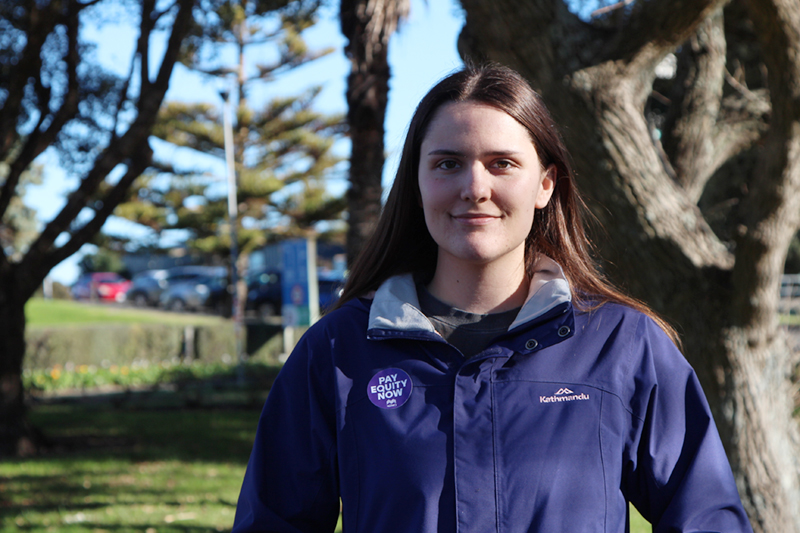 Working in an overcrowded emergency department (ED), up to 680% capacity over a week, makes staff feel overwhelmed with the pressure, Tōpūtanga Tapuhi Kaitiaki o Aotearoa NZNO says.
|
| 14 Sept |
WellSouth's Newborn Enrolment Kahu Taurima Programme a finalist at the Primary Care Awards 2026WellSouth's Newborn Enrolment Kahu Taurima Programme is a finalist at the Primary Care Awards for the HALEO Best Supplier Service, Product or Campaign category. Winners will be announced on 17 October. |
| 14 Sept |
Global Study: Nursing Shortages Require Workforce Policy Solutions, Not Recruitment Campaigns AloneWhy people choose nursing, and why they leave, comes down to the same factors. The global nursing shortage cannot be solved simply by encouraging more people to enter the profession, according to a new evidence brief. |
| 8 Sept |
Overworked, understaffed Gisborne ED staff strike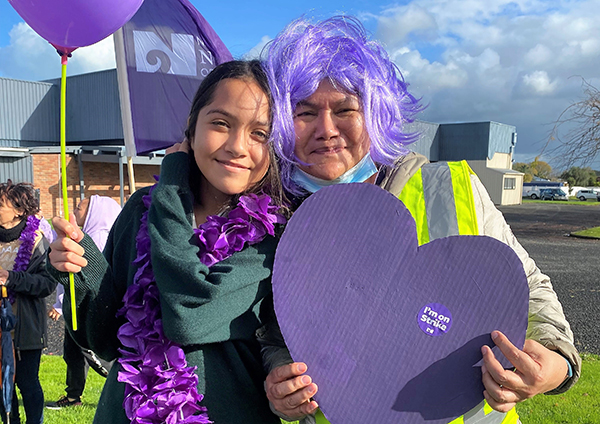 Health and safety concerns arising from unsafe staffing levels have forced nurses at Gisborne Hospital’s emergency department (ED) to go on strike.
|
| 4 Sept |
Strong growth in wāhine Māori and Pacific women’s cervical screening rates highlights success of self-testing programmeCervical screening participation has increased significantly for both wāhine Māori and Pacific women, reflecting the strong impact of self-testing, Screening Services and the dedicated efforts of health providers working alongside their communities. |
| 4 Sept |
Government must adopt Wai 2713 recommendations on disability systemThe Coalition Government must urgently adopt new recommendations from the Waitangi Tribunal which has found significant parts of the disability system prejudice tāngata whaikaha Māori (Māori with disabilities), NZNO says. |
| 31 Aug |
Employing graduate nurses will help keep them in nursing and the countryA new proposal that will require Te Whatu Ora to offer all eligible graduate nurses jobs in the public health system will help keep them in nursing and in Aotearoa New Zealand, NZNO says. |
| 26 Aug |
Health Minister’s claim Winter Plan ‘managing well’ delusionalHealth Minister Simeon Brown’s claim that hospitals are ‘managing well’ because of the Government’s Winter Plan is delusional, NZNO says. |
| 25 Aug |
Hospital data shows nursing shortages continue to put patients at riskTe Whatu Ora data released today shows patients are continuing to be put at risk by the Coalition Government’s deliberate failure to safely staff hospital wards, NZNO says. |
| 24 Aug |
Fed-up North Shore ED staff declare state of emergencyNZNO members working in the emergency department (ED) at North Shore Hospital have declared a state of emergency due to unsafe staffing levels resulting in ongoing overcrowding. |
| 19 Aug |
What happened to the winter health plan?The $25 million 2026 Winter Plan launched by Health Minister Simeon Brown in March to erase pressure on the health system has been an unmitigated disaster, Tōpūtanga Tapuhi Kaitiaki o Aotearoa NZNO says. |
| 11 Aug |
Applications open for advanced nursing education programmesHealth New Zealand is encouraging registered nurses to apply for two advanced education programmes that support nurses to further develop their clinical skills and expand access to care in communities across New Zealand. |
| 3 Aug |
Health New Zealand welcomes settlement of NZRDA collective agreementHealth New Zealand welcomes the vote by New Zealand Resident Doctors Association (NZRDA) members to settle their collective agreement. |
| 30 Jul |
Backing our frontline rural health workforceRural communities across New Zealand will benefit from three new investments that will support the rural health workforce and help more people access care closer to home, Associate Health Minister Matt Doocey says. |
| 22 Jul |
Te Whatu Ora must disclose staffing levels at time of tragic deathTe Whatu Ora must disclose whether the Waikato emergency department (ED) was short-staffed at the time a man tragically died in the waiting room, NZNO says. |
| 6 Jul |
Reflecting on IND 2026Looking back on last month’s International Nurses Day 12 May 2026 (IND 2026), the impact of this year's theme "Our Nurses. Our Future. Empowered Nurses Save Lives" continues to resonate across the world. ICN’s landmark IND 2026 report defined seven key powers of nursing and this message has been strengthened with nurses in every region celebrating, naming, and owning their powers throughout May. |
| 3 Jul |
Health New Zealand acknowledges Ombudsman statement on Wakari Ward 10AHealth NZ welcomes the independent investigation by the Ministry of Health into Ward 10A. On Wednesday the Health NZ board agreed to close Wakari Ward 10a as a forensic intellectual disability (ID) unit, with the future use of the ward yet to be determined. |
| 2 Jul |
New programme to fast track bowel cancer care and cut colonoscopy waitlistsHealth New Zealand is today launching a national initiative, designed to fast track bowel cancer care and reduce colonoscopy waitlists by up to 30 per cent. |
| 1 Jul |
Six new Co-Response Team locations announced to strengthen support for people in mental distressThe next six locations for Health New Zealand and NZ Police Co-Response Teams have been confirmed, expanding a model that helps people experiencing mental distress receive timely, wraparound support that better meets their health needs. |
| 29 Jun |
Mental health and addiction targets progress continuesHealth New Zealand continues to make important progress against its mental health and addiction targets, meeting four out of five national targets this quarter. |
| 25 Jun |
Access to care continuing to improve across a range of health indicatorsNew health data released today shows continued improvement in access to care across a range of health indicators. |
| 18 Jun |
Funding "boost" continues dangerous under-funding of aged careThe Health Minister’s funding "boost" for aged residential care continues underfunding to the sector and will continue unsafe practices and short staffing, which is putting vulnerable residents at risk, NZNO says. |
| 16 Jun |
Labour to make maternity scans freeLabour will add free maternity scans to the Medicard alongside three free doctor’s visits a year, so every pregnant woman gets the care she needs. |