


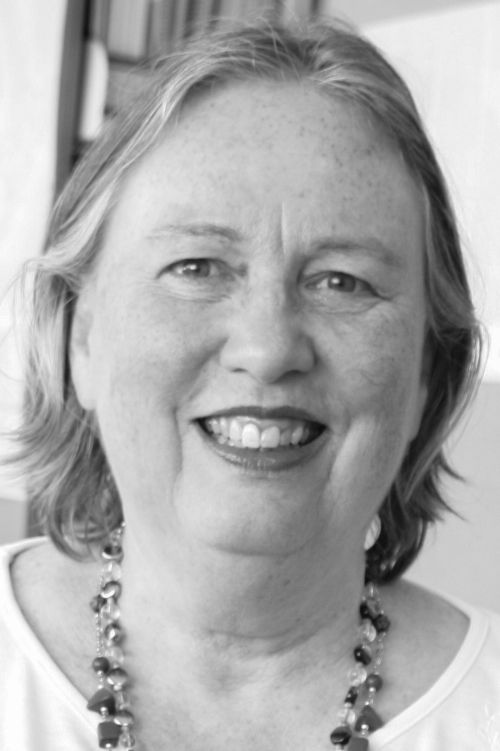
 Heather Woods Heather Woods |
About the author:Heather Woods, PGDip ILS, is the librarian and records manager at the New Zealand Nurses Organisation, Wellington. |
ORAL TRADITIONS ARE EMBEDDED in most of the world’s cultures and have long been an important part of te ao Māori (Taonui, 2005). History has been passed down by word of mouth for millenia. The development of writing in many civilisations then resulted in people relying on written documents for information about the past. Oral histories can provide another piece of the jigsaw, if you are researching a particular topic or issue. They provide context and a different perspective, along with giving a more rounded view of all the issues that arose relating to an incident or event. The facts and figures relating to an event are vital; however oral histories are a useful research source to provide a more complete picture. Interviews are not about collecting truth – they are about collecting people’s memories. One may argue that a person’s memories are their truth.
What is oral history?
Oral history is a research methodology used by students, academics, journalists, documentary-makers and podcasters, along with community-based and family historians. It involves extended, recorded interviews undertaken for a specific purpose and, on occasion, results in eventual archiving for preservation and public access.
Developments in sound-recording technology have enabled us to collect and accurately preserve, as oral history, word-of-mouth stories and memories about a subject of historical interest. We can now record and preserve the unique memories and life experiences of ordinary yet amazing people, along with more prominent and well-known individuals. We can eavesdrop on past events, feelings, attitudes and ways of life (Hamilton Libraries, n.d.).
Through the recording of oral history, we are able to capture the view of eyewitnesses, therefore providing new or additional information and insights. This provides an opportunity to hear from those people who are often left out of historical records – the ordinary people who have taken part in significant events and have an invaluable and unique perspective (Oral History Australia, 2023).
There are two main types of oral history interview:
1) Life history interviews – for example, an interview that focuses on the life and the changes experienced by a person in their lifetime.
2) Topic interviews – these record information about a specific subject, such as an interview with someone about the history of a workplace or occupation or industry sector.
The recording and use of oral history may give rise to ethical considerations. The National Oral History Association of New Zealand has published a Code of Ethical and Technical Practice (NOHANZ, 2023) that sets out the responsibilities of interviewers and collectors of oral history. In some cases there are access and use restrictions on oral history material. It’s important to bear these in mind and follow any use protocols that are in place. Some interviewees share thoughts and experiences with the interviewer that they may not have ever told anyone before and it can be a painful yet cathartic experience. If a researcher is intending to republish, in the public domain, quotes from an interview, then confidentiality and privacy consideration may need to be taken into account. It’s a matter of balancing the need to tell the story and share it with a wider audience against whether it may cause stress and upset to any of the parties that are mentioned in the interview (Gorter, 2023). Another issue that can arise in oral history is that there may be competing versions of the “truth”:
“In an interview you get one person telling one story and then another one tells you a whole other conflicting story. Cross checking is important; if there is written material and other accounts, read it. . . . Whānau interviews are not about collecting truth, they are about collecting people’s memories. The thing to note is that there are different accounts and [to] respect the differences”. (Ministry of Education, n.d.)
By interviewing a relative, genealogists are often able to find a missing link when compiling whakapapa or a family tree. Oral histories are often the best way for families to capture and preserve the life stories and experiences of their parents and grandparents. Imagine the social and technological changes an 85-year-old person has witnessed in their lifetime.
Examples of interviews in the NERF Oral History Project
- Ailsa Douglas McCutchan gives some family background information. Describes several years in the Women’s Auxiliary Air Force (1942-1945) as librarian, mess-hand and link trainer mechanic in Whenuapai, Blenheim, Hamilton and Hobsonville. Explains why she commenced training as a nurse in 1945 at preliminary school called ‘Cargun’, a building in Eden Cres, Auckland. Describes tutors with reference to Sister Saker and staff nurse Turner; morning duty in women’s surgical ward; hierarchy; ‘divide nurse’ – split duties; effects of shortages of food and linen after the war; Auckland Hospital buildings in the 1940s and the military annexe with reference to nurses’ attitudes to this all-male ward; dysentry contracted during first year of training; measures to avoid spread of infection”. (Recording of Ailsa McCutchan, 1983-84)
- Judith Christensen discusses her nursing background and her appointment as Head of School, Nursing, Health and Environmental Studies, at Wellington Polytechnic. Recalls participation in nursing education changes in colleges in Quebec. Discusses: Curriculum requirements and development; doctors’ participation; pilot programme; accommodation of School of Nursing – cottages in Finlay Terrace and Tasman St; bedmaking and basic skills; equipment and facilities; public response to the nursing programme and PSA opposition. Mentions Elsie Boyd (Health Department); Shona Carey (NZNA); Dr Helen Carpenter; Pauline McGuiness; Shireley Bohm and Jan Hough. (Interview with Judith Christensen, 1984)
- Isabelle Sherrard trained as a nurse at Christchurch Hospital c.1956. Discusses orientation to the hospital and the programme. Recalls marrying 10 days after sitting State exams. Explains how career was subsequently influenced by husband’s work and education, taking her to Northern Ireland in 1962 where she spent six months in a geriatric hospital on the outskirts of Belfast before moving to Houston, Texas, working in intensive care unit, and later to Ann Arbor, Michigan, working at the University of Michigan in the burns unit. Discusses different kinds of nursing education/training in the States. Recalls return to New Zealand with two children and fitting in part-time work at the Chalet Hospital, Dunedin Hospital, and in 1976 settling in Auckland. Mentions Carpenter Report and its effect on nursing in New Zealand. Mentions undertaking nursing courses at Massey University, gaining a BA in Education. Discusses appointment as tutor at ATI (Auckland Technical Institute), with reference to Yvonne Shadbolt, Lani Kelliher and Sue Otto. Commenced at Carrington Polytechnic (1985) and discusses involvement in employing staff and setting up Advisory Committee, with reference to male dominated hierarchy. Discusses curriculum and demands of clinical and theoretical components of the programme; student selection and criteria; Māori and Pacific Island applicants; cultural safety, with reference to Paul Spoonley and Irahapete Murchie, cultural awareness and Treaty of Waitangi. Mentions Judy Kilpatrick at the Nursing Council. (Interview with Isabelle Sherrard, 1996)
Oral History and Sound Collection
There are more than 10,000 recordings in the the Oral History and Sound Collection at the Alexander Turnbull Library (NatLib, n.d.). Recordings include interviews with people from throughout New Zealand and the Pacific, of various ethnicities, iwi (tribe) and hapū (sub-tribe), occupations, political affiliations and interests. Most of the collection has been recorded since the 1960s and covers New Zealand society, culture, community and political history from the late 19th century to the present. Interviews usually have accompanying documentation, including an abstract – a detailed time-coded index providing quick access to the contents of the recording. Within that collection are oral history interviews with New Zealand nurses.
Nursing History website
The Nursing History website is an online archive of New Zealand nursing oral histories. Its aim is to create a resource that nurses, students, academics, researchers and family members can access in order to gain a better understanding of our country’s nursing history (NERF, 2015).
The website is funded by NZNO’s Nursing Education and Research Foundation (NERF) and includes the Oral History Project undertaken by the University of Auckland in 2012 and 2013. The project team, comprised of Professor Linda Bryder, Associate Professor Margaret Horsburgh, Dr Debbie Dunsford and Dr Kate Prebble, recorded the stories of nurses who trained during the 1950s and 1960s. Linda Bryder worked with two University of Auckland History Department summer scholars, Emma Cotton and Kaitlin McLeod, over the summer of 2014/15, to select highlights from the interviews to post on the website. You can listen to these excerpts on the website and see other associated photos and information. The full oral histories collected by the University of Auckland project team, as well as earlier ones, are stored with the Alexander Turnbull Library’s Oral History and Sound Collection in Wellington.
Nursing Education and Research Foundation
The origins of the Nursing Education and Research Foundation (NERF) can be traced back to donations placed in a memorial fund established by NZNO to commemorate the life and work of Flora J Cameron OBE (former director, Division of Nursing) who died in 1966. These donations formed the basis of a permanent fund which would provide New Zealand nurses with travel grants, scholarships and other assistance to enhance opportunities for continuing education, professional development and research (Stevenson, 2000).
NERF Oral History Project
NERF promotes excellence in nursing and health care by providing funding opportunities for education and research. A range of NERF’s scholarships and funding opportunities are offered through the New Zealand Nurses Organisation (NZNO) website (NZNO, 2014).
In 1982, NERF began the first in a series of projects to collect the oral histories of nurses in New Zealand. All of the interviews can be accessed via the Alexander Turnbull Library, with permission granted by the NZNO librarian on behalf of NERF (contact [email protected]). Although digitalisation of many of the interviews has begun, some are still only in taped format (NERF, 1983-84).
A total of 22 volunteer interviewers undertook 185 oral history interviews in the initial NERF Oral History Project and they were deposited with the Alexander Turnbull Library Oral History Centre in September 1984.
These included:
- 13 interviews with nurses registered before 1920
- 59 with nurses registered from 1920-29
- 70 with nurses who had registered between 1930 and 1939
- 36 with nurses registered between 1940 and 1949
- three with nurses registered after 1950.
Further individual and private additions to the collection were made between 1984 and 2000 including:
- the Psychiatric Nurses Oral History Project (six interviews) (NERF, 1988-89)
- the transfer of nursing education from hospitals to polytechnics (38 interviews), Yvonne Langridge (NERF, 1993-94)
- nursing biographies (five interviews), Yvonne Langridge
- nursing biographies – Wellington Polytechnic 1973-1998 (21 interviews), Yvonne Langridge
- Nurses & Midwives Oral History Project (seven interviews), 1992-3, Marie Burgess
- Neonatal Nursing Oral History Project (20 interviews), Penelope Dunkley
- Wartime Nurses Project (11 interviews), 1999, Anna Rogers
- “Oranje” Oral History Project (10 interviews), Marie de Joux
- Nursing in World War II (two interviews), Valerie Fisher
- Royal NZ Plunket Society (20 interviews), Plunket Society
- Little Company of Mary (nursing order) (12 interviews), LCM & Ann Trotter
In 2011, NERF called for tenders to continue to grow the NERF Oral History Archive. A project team from Auckland University were appointed and during 2012 and 2013 collected the following interviews with people who trained as nurses in New Zealand in the 1950s and 1960 (NERF, 2012-14):
- One participant who trained in the 1930s (Joyce Oliver).
- Thirty participants who trained in the 1950s.
- Thirty participants who trained in the 1960s.
For examples of the interviews in the NERF Oral History Project, see the box above.
References
Gorter, S. (2023). The importance of gaining trust when conducting an oral history. Agora, 58(2), 38-40.
Hamilton Libraries. (n.d.). Oral History.
Interview with Isabelle Sherrard (1996, December). OHInt-0520/36 [Interview]. In OHColl-0520 : NZ Nursing Education and Research Foundation : the transfer of nursing education from hospitals to polytechnics 1993-1994 [Collection]
Interview with Judith Christensen (1994, January 20). OHInt-0520/01 [Interview]. In OHColl-0520 : NZ Nursing Education and Research Foundation : the transfer of nursing education from hospitals to polytechnics 1993-1994. [Collection].
Ministry for Culture and Heritage. (2022). A guide to recording oral history.
Ministry of Education – Te Tāhuhu o te Mātauranga. (n.d.). The contested nature of oral histories.
National Library of New Zealand. (n.d.). Oral history and sound.
National Oral History Association of New Zealand (NOHANZ). (2023). About us.
New Zealand Nurses Organisation. (2014). Nursing Education and Research Foundation.
Nursing Education and Research Foundation (NERF). (1983-1984). New Zealand Nursing Education and Research Foundation oral history project. OHColl-0014.
Nursing Education and Research Foundation (NERF). (1988-1989). Psychiatric nurses oral history project. OHColl-0139.
Nursing Education and Research Foundation (NERF). (1993-1994). The transfer of nursing education from hospitals to polytechnics. OHColl-0520
Nursing Education and Research Foundation (NERF) nursing oral history project. By Dunsford, Deborah (Dr), active 2001-2012; Prebble, Kate (Dr), active 2007-2014. OHColl-1260.
Nursing Education and Research Foundation (NERF). (2015). An online archive of nursing oral histories in NZ.
Oral History Australia. (2023). What is oral history?
Recording of Ailsa McCutchan (6 August 1983 & 6 August 1984). OHInt-0014/100. In OHColl-0014. New Zealand Nursing Education and Research Foundation oral history project. 1983-1984. [Collection].
Stevenson, A. ‘Cameron, Flora Jean’, Dictionary of New Zealand Biography, first published in 2000. Te Ara – the Encyclopedia of New Zealand,
Taonui, R. (2005). Ngā Tatai – Whakapapa dynamics in Māori oral tradition: A thesis submitted in fulfilment of the requirements for the degree of Doctor of Philosophy (PhD) in the Department of Māori Studies at the University of Auckland.
Daily doses – uncut news
| 5 Oct |
Labour's pay rise a first step, but pay equity needs a full settlementTōpūtanga Tapuhi Kaitiaki o Aotearoa NZNO has welcomed Labour's promised pay rise for care and support workers as a first step. It says care and support workers now need a full settlement of their pay equity claim and a workable pay equity system for all of its members. |
| 1 Oct |
Health NZ releases first national report on serious adverse eventsHealth New Zealand has published its first national Serious Adverse Event Report, acknowledging the serious harm experienced by patients and whānau and outlining the improvements identified and actions underway to strengthen patient safety. The report covers serious adverse events reported in Hospital and Specialist Services between 1 July and 31 December 2025. |
| 25 Sept |
380 more health care workers at the end of winter too little too lateAn announcement of 380 additional nurses, midwives and health care assistants for hospitals around the country at the end of winter is too little too late, NZNO says. |
| 23 Sept |
Auckland University research finds nurse shortages increase post-surgery deaths and complicationsNew research by Auckland University has found addressing nurse shortages in post-operative care may save 182 lives a year because short-staffed wards have higher rates of potentially preventable deaths and complications after their surgeries. |
| 21 Sept |
Whanganui Hospital ED averaged 680% capacity over a week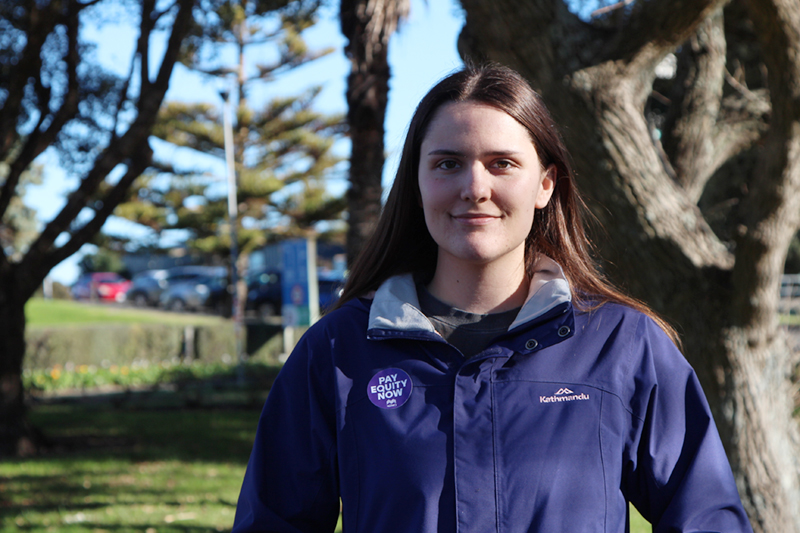 Working in an overcrowded emergency department (ED), up to 680% capacity over a week, makes staff feel overwhelmed with the pressure, Tōpūtanga Tapuhi Kaitiaki o Aotearoa NZNO says.
|
| 14 Sept |
WellSouth's Newborn Enrolment Kahu Taurima Programme a finalist at the Primary Care Awards 2026WellSouth's Newborn Enrolment Kahu Taurima Programme is a finalist at the Primary Care Awards for the HALEO Best Supplier Service, Product or Campaign category. Winners will be announced on 17 October. |
| 14 Sept |
Global Study: Nursing Shortages Require Workforce Policy Solutions, Not Recruitment Campaigns AloneWhy people choose nursing, and why they leave, comes down to the same factors. The global nursing shortage cannot be solved simply by encouraging more people to enter the profession, according to a new evidence brief. |
| 8 Sept |
Overworked, understaffed Gisborne ED staff strike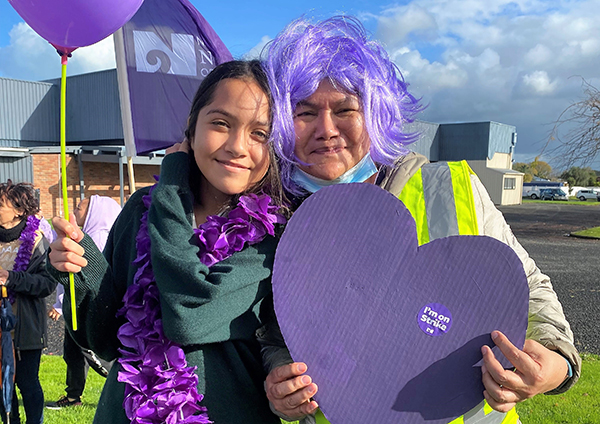 Health and safety concerns arising from unsafe staffing levels have forced nurses at Gisborne Hospital’s emergency department (ED) to go on strike.
|
| 4 Sept |
Strong growth in wāhine Māori and Pacific women’s cervical screening rates highlights success of self-testing programmeCervical screening participation has increased significantly for both wāhine Māori and Pacific women, reflecting the strong impact of self-testing, Screening Services and the dedicated efforts of health providers working alongside their communities. |
| 4 Sept |
Government must adopt Wai 2713 recommendations on disability systemThe Coalition Government must urgently adopt new recommendations from the Waitangi Tribunal which has found significant parts of the disability system prejudice tāngata whaikaha Māori (Māori with disabilities), NZNO says. |
| 31 Aug |
Employing graduate nurses will help keep them in nursing and the countryA new proposal that will require Te Whatu Ora to offer all eligible graduate nurses jobs in the public health system will help keep them in nursing and in Aotearoa New Zealand, NZNO says. |
| 26 Aug |
Health Minister’s claim Winter Plan ‘managing well’ delusionalHealth Minister Simeon Brown’s claim that hospitals are ‘managing well’ because of the Government’s Winter Plan is delusional, NZNO says. |
| 25 Aug |
Hospital data shows nursing shortages continue to put patients at riskTe Whatu Ora data released today shows patients are continuing to be put at risk by the Coalition Government’s deliberate failure to safely staff hospital wards, NZNO says. |
| 24 Aug |
Fed-up North Shore ED staff declare state of emergencyNZNO members working in the emergency department (ED) at North Shore Hospital have declared a state of emergency due to unsafe staffing levels resulting in ongoing overcrowding. |
| 19 Aug |
What happened to the winter health plan?The $25 million 2026 Winter Plan launched by Health Minister Simeon Brown in March to erase pressure on the health system has been an unmitigated disaster, Tōpūtanga Tapuhi Kaitiaki o Aotearoa NZNO says. |
| 11 Aug |
Applications open for advanced nursing education programmesHealth New Zealand is encouraging registered nurses to apply for two advanced education programmes that support nurses to further develop their clinical skills and expand access to care in communities across New Zealand. |
| 3 Aug |
Health New Zealand welcomes settlement of NZRDA collective agreementHealth New Zealand welcomes the vote by New Zealand Resident Doctors Association (NZRDA) members to settle their collective agreement. |
| 30 Jul |
Backing our frontline rural health workforceRural communities across New Zealand will benefit from three new investments that will support the rural health workforce and help more people access care closer to home, Associate Health Minister Matt Doocey says. |
| 22 Jul |
Te Whatu Ora must disclose staffing levels at time of tragic deathTe Whatu Ora must disclose whether the Waikato emergency department (ED) was short-staffed at the time a man tragically died in the waiting room, NZNO says. |
| 6 Jul |
Reflecting on IND 2026Looking back on last month’s International Nurses Day 12 May 2026 (IND 2026), the impact of this year's theme "Our Nurses. Our Future. Empowered Nurses Save Lives" continues to resonate across the world. ICN’s landmark IND 2026 report defined seven key powers of nursing and this message has been strengthened with nurses in every region celebrating, naming, and owning their powers throughout May. |
| 3 Jul |
Health New Zealand acknowledges Ombudsman statement on Wakari Ward 10AHealth NZ welcomes the independent investigation by the Ministry of Health into Ward 10A. On Wednesday the Health NZ board agreed to close Wakari Ward 10a as a forensic intellectual disability (ID) unit, with the future use of the ward yet to be determined. |
| 2 Jul |
New programme to fast track bowel cancer care and cut colonoscopy waitlistsHealth New Zealand is today launching a national initiative, designed to fast track bowel cancer care and reduce colonoscopy waitlists by up to 30 per cent. |
| 1 Jul |
Six new Co-Response Team locations announced to strengthen support for people in mental distressThe next six locations for Health New Zealand and NZ Police Co-Response Teams have been confirmed, expanding a model that helps people experiencing mental distress receive timely, wraparound support that better meets their health needs. |
| 29 Jun |
Mental health and addiction targets progress continuesHealth New Zealand continues to make important progress against its mental health and addiction targets, meeting four out of five national targets this quarter. |
| 25 Jun |
Access to care continuing to improve across a range of health indicatorsNew health data released today shows continued improvement in access to care across a range of health indicators. |
| 18 Jun |
Funding "boost" continues dangerous under-funding of aged careThe Health Minister’s funding "boost" for aged residential care continues underfunding to the sector and will continue unsafe practices and short staffing, which is putting vulnerable residents at risk, NZNO says. |
| 16 Jun |
Labour to make maternity scans freeLabour will add free maternity scans to the Medicard alongside three free doctor’s visits a year, so every pregnant woman gets the care she needs. |