


About the authors:Peta Taylor, RN, RM, PhD (medicine), BSc(hons), GradCertNurs, DipTch(tert), is a senior academic staff member in the Department of Health Practice, Ara Institute of Canterbury, Christchurch, New Zealand. Heather Josland, RN, MHlthSci, PGCert ClTch, is a senior academic staff member in the Department of Health Practice, Ara Institute of Canterbury, Christchurch. Natalia Batyaeva, RN, PGDipHlthSci, is a staff nurse in acute inpatient services at Hillmorton Hospital, Christchurch. This article was accepted for publication in October 2020. |
ABSTRACTAim: To identify gaps in the management of Parkinson’s disease, and limitations in the education and role of Parkinson’s nurses; and to recommend changes that optimise the well-being of the person with Parkinson’s and minimise the health-care burden, including the establishment of a Parkinson’s nurse specialist role. Background: Parkinson’s is a progressive, incapacitating neurodegenerative disorder which is rapidly increasing in incidence. It is debilitating and socially isolating for the person and leads to an increased risk of falls, fractures and hospital admissions. Method: Literature exploring recent key aspects of Parkinson’s was sourced from textbooks and databases including Science Direct, ProQuest, PubMed, Google Scholar and the website of Dr Toni Pitcher of the New Zealand Brain Research Institute, Christchurch. Findings: Gaps in Parkinson’s care include incomplete understanding of Parkinson’s-specific care by health-care professionals and inconsistent medication administration or compliance, resulting in falls and fractures. In New Zealand there is a shortage of neurologists with resultant dependence on general practitioners. There is no formal education of Parkinson’s nurses and limited coordination of Parkinson’s care. In contrast, the development and education of dedicated Parkinson’s nurse specialists in Europe has optimised care and medication use, thus reducing the risk of falls. Conclusion: Establishing a New Zealand programme to educate Parkinson’s nurse specialists and general practitioners could be an important strategy to support other health carers and ensure a co-ordinated interprofessional approach to optimise function, independence and social interaction of people with Parkinson’s, and avoid unnecessary injuries. Improved knowledge and delivery of health care for this vulnerable group may be a cost-effective way to reduce hospital admissions and the economic burden of Parkinson’s health care. |
||||
KEYWORDSParkinson’s, chronic neurological disorder, older person’s health, specialist nurse, economic burden, falls risk |
|||||
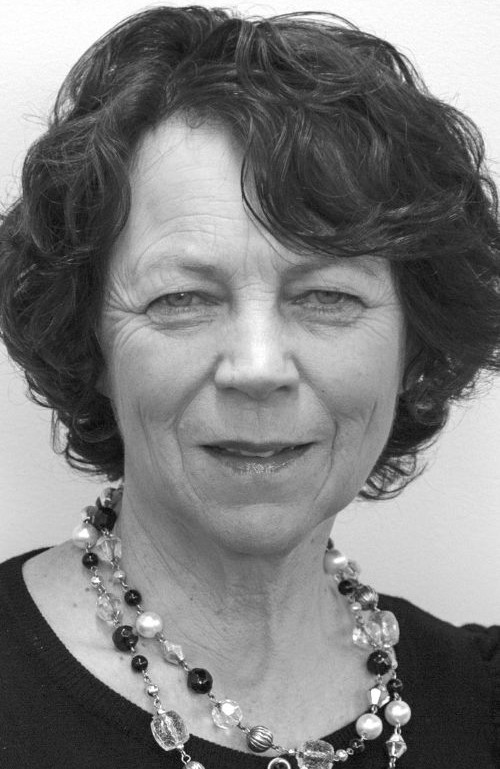 Peta Taylor
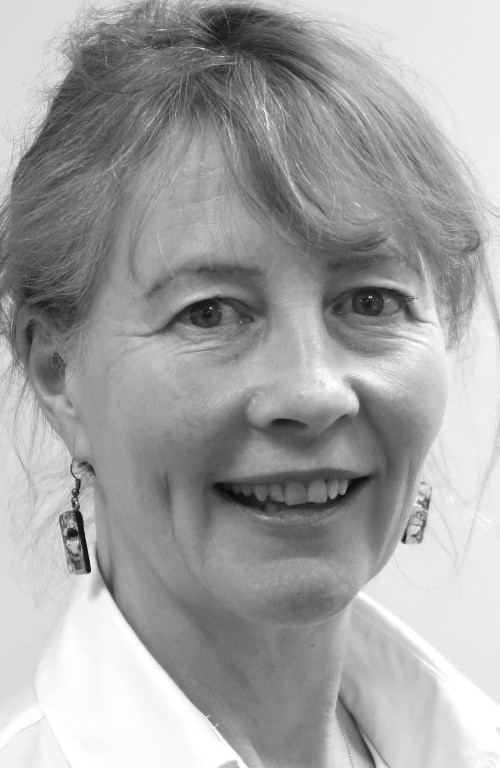 Heather Josland
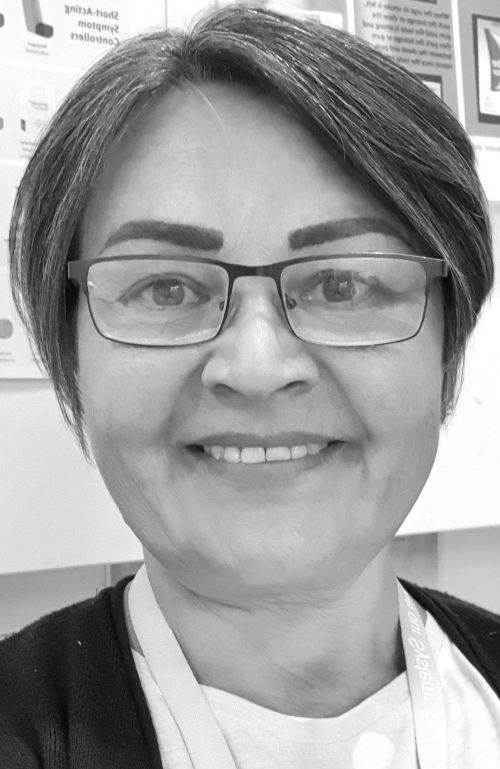 Natalia Batyaeva
INTRODUCTION/BACKGROUND
PARKINSON’S IS A SLOWLY progressive neurodegenerative condition which leads not only to motor impairments like tremor, rigidity and bradykinesia, but also to diverse non-motor symptoms caused by damage to neurons in the central and peripheral nervous systems (Kalia & Lang, 2015; Marinus et al., 2018). In Sweden, the United Kingdom and parts of Australia, Parkinson’s nurse specialists are appointed to optimise care for patients with this debilitating and socially isolating condition. This article briefly reviews the burden of Parkinson’s in New Zealand. It draws attention to the need for education facilities, along with other stakeholders, to consider establishing a New Zealand Parkinson’s nurse specialist role and a more holistic model of care. This could improve Parkinson’s services, and reduce the risk of falls and the need for acute hospital admissions. A new model of care would involve nurses with diverse responsibilities ranging from the education sector to primary and tertiary care and management. It is important to first clarify the pathology, risk factors, clinical manifestations, and current care of Parkinson’s.
METHOD
Aim
To explore the current management of Parkinson’s, identify any relevant gaps and strengths and make recommendations for an improved model of care which would enhance patient health, and reduce the burden on the health system. Key concepts were drawn from the literature to investigate the validity of establishing a Parkinson’s nurse specialist role.
Search strategy
The standard search strategy explored articles from electronic databases, including Science Direct, ProQuest, PubMed, CINAHL and Google Scholar. The search was refined by peer-reviewed articles or research papers published in English from 2010 to 2020 to obtain the most up-to-date and reliable information. Search terms using appropriate codes, parentheses and Boolean operators (“AND”, “OR”) in the abstract field were: Parkinson’s disease AND nurse OR nurse specialist; Parkinson’s disease AND Lewy bodies OR neurologist OR falls risk OR inter-professional OR economic burden OR nursing care OR caregiver OR medical practitioner.
Inclusion criteria, which determined relevance, specified that abstracts incorporated Parkinson’s disease or chronic neurological disorder and clinical manifestation, management/treatment, nurse, economic burden, risks or care model. Excluded were articles which focused on detailed genetic mutations or animal studies, or did not include information related to Parkinson’s in humans, or nursing or medical management of people with Parkinson’s (PwP). The final selection included articles relating to understanding the pathology and clinical application of managing Parkinson’s. Articles found in the databases were: Science Direct (20), ProQuest (4), PubMed (2), Google Scholar (15) and CINAHL (4). A further hand search of references of relevant literature was also done.
Relevant articles were appraised, and key data was extracted, evaluated and discussed to achieve optimal recommendations for future Parkinson’s management.
FINDINGS
Incidence
Neurological disease has become the main cause of disability internationally (Dorsey et al., 2018). In particular, the recorded incidence of Parkinson’s has doubled between 1990 and 2015, making it not just the second major source of neurological disability and mortality, but a rapidly-increasing source (Dorsey et al.; Skelly et al., 2015; Vos et al., 2015). In 2016, Parkinson’s affected an estimated 6.1 million individuals worldwide. Of these, 41,016 PwP lived in Australia and 6249 lived in New Zealand (Dorsey et al.). Incidence in New Zealand is predicted to increase in a linear pattern to 19,700 in 2038 (Myall et al., 2017). With this potential rise, there is an increased need for intervention.
Most ethnic groups in New Zealand’s multicultural society are reported to have a lower incidence of Parkinson’s per 100,000 people – 114 in the Māori population; 160 in the Pasifika; and 174 in the Asian populations – than the 233 in the New Zealand European population (Alamri, 2020). However, the incidence among Māori could be underestimated due to poorer access to health care and delayed diagnosis (Pitcher et al., 2018).
Risk factors
Factors suspected to lead to increased incidence of Parkinson’s include intensified production and use of pesticides and other industrial chemicals, and presence of other pollutants (Dorsey et al., 2018). Parkinson’s may be idiopathic, but infection and head injury have also been implicated (Marsh, 2019). It is slightly more common in males (Kalia & Lang, 2015; Nicoletti et al., 2017). Parkinson’s may develop as a result of complex interactions between these environmental factors and genetic factors (Aarsland, 2016; Kalia & Lang), but the main risk factor is increasing age. Parkinson’s is rare in those under 20 years of age (Dorsey et al.). Approximately 4 percent of those with Parkinson’s are aged under 50 years (Dorsey et al.). More commonly, it is diagnosed at age 55-65 years (Foltynie & Kahan, 2013). Incidence peaks at age 85-89 years (Dorsey et al.). Prevalence of Parkinson’s is highly likely to increase further as populations age (Kalia & Lang) and industrial development and pollution intensifies (Dorsey et al.). The projected increase in numbers of PwP makes it urgent to gain deeper understanding of the aetiological mechanisms of Parkinson’s (Vallerga et al., 2020).
Pathology
Parkinson’s develops as particularly vulnerable neurons are progressively damaged and die (Dickson, 2018). The neurons most notably affected are those in the substantia nigra of the midbrain. These neurons normally supply the inhibitory neurotransmitter, dopamine, to the basal nuclei, which in turn, initiate, manage and finely regulate body movement (Barton & Johnston, 2017; Johnston, 2017; Marsh, 2019). With reduced dopamine, the excitatory cholinergic neurotransmitter, acetylcholine, dominates in the basal nuclei (Barton & Johnston). The loss of dopamine and its inhibitory effects leads to loss of voluntary and smooth muscle function (Harris & Fry, 2017), and to motor dysfunction, including bradykinesia and rigidity (Kalia & Lang, 2015).
A further key feature in the development of Parkinson’s is the presence of Lewy bodies, which are protein deposits in the cytoplasm of neuronal cells. Lewy bodies contain abnormal, insoluble accumulations of the miss-folded protein, α-synuclein, and are found in the neurons of the peripheral and central nervous systems (Kalia & Lang, 2015). Lewy bodies are associated with cognitive decline (Aarsland, 2016; Kalia & Lang; Weil et al., 2017). The α-synuclein is also thought to aggregate in the presynaptic terminal, reducing the release of neurotransmitters (Kalia & Lang; Marsh, 2019; Weil et al.). A third feature of Parkinson’s that is being researched is neuroinflammation and oxidative stress (Kalia & Lang).
Clinical manifestations, treatment, and management
Optimal management of Parkinson’s depends on understanding its diverse clinical manifestations. Table 1 (below) lists some of these common manifestations, which depict physical and mental dysfunction, with increased risk of falls and injury (Tinelli et al., 2016). They also lead to social isolation and stress for spouses, who are the predominant caregivers for PwP (McLaughlin et al., 2011). The earliest symptoms are usually non-motor, including olfactory impairment, constipation, pain, sleep disorders, fatigue and anxiety (Kalia & Lang, 2015; Pfeiffer, 2016). These can subtly present many years before the classic primary and secondary motor symptoms (Kalia & Lang). The primary motor symptoms include resting tremor, bradykinesia, muscular rigidity and postural instability (Moustafa et al., 2016). Secondary motor symptoms encompass a shuffling gait, impaired handwriting and soft/dysarthric speech (Moustafa et al.). Diagnosis of Parkinson’s is based on evidence of these symptoms.
Table 1: Clinical manifestations and their impact on patient function
| Clinical manifestation | Description/impact on patient function |
|---|---|
| Primary motor manifestations | |
| Tremor |
|
| Bradykinesia |
|
| Rigidity/loss of flexibility |
|
| Postural instability |
|
| Secondary motor manifestations | |
| Compromised gait |
|
| Festination |
|
| Freezing of gait |
|
| Flat foot walking instead of heel to toe |
|
| Impaired handwriting — micrographia |
|
| Impaired speech |
|
| Limited precision grip |
|
| Loss of facial expression |
|
| Sensory manifestations | |
| Olfactory impairment |
|
| Visual impairment |
|
| Pain |
|
| Behavioural manifestations | |
| Depression |
|
| Anxiety |
|
| Impulse control disorders |
|
| Dementia |
|
| Apathy and indifference |
|
| Autonomic dysfunction | |
| Orthostatic hypotension |
|
| Inappropriate sweating |
|
| Gastrointestinal disturbances |
|
| Dysphagia/drooling |
|
| Cystitis |
|
| Detrusor hyperactivity |
|
| Sexual dysfunction |
|
| Sleep disturbances |
|
| Fatigue |
|
Treatment is symptomatic, because no medications are available to slow or reverse the degenerative pathology (Kalia & Lang, 2015). A dopamine agonist is recommended to control initial symptoms in younger patients, with levodopa added to the regime when it is no longer totally effective (Tinelli et al., 2016). The addition of a dopamine agonist in early Parkinson’s is thought to delay the need for administration of levodopa, thereby avoiding motor fluctuation side effects associated with levodopa (Tinelli et al.). Levodopa is the medication of choice for tremor, stiffness, slow movement, poor balance, reduced mobility and limited muscle control (Tinelli et al.). Monoamine oxidase type-B inhibitors such as selegiline are also effective (Tinelli et al.). Antidepressants may be prescribed where appropriate (Kalia & Lang). The aim of these treatments is to relieve the impact of Parkinson’s, optimise quality of life and facilitate independence. Therefore, administration, side effects and compliance need to be managed by skilled prescribers and caregivers (Harris & Fry, 2017). Another important aspect of care is to minimise risk of falls, and this includes managing confusion, delirium and dementia (Harris & Fry).
Currently, the role of Parkinson’s nurses in New Zealand is to provide home visits, and to advise on mobility, medication, exercise, educational seminars, social activities and support groups. They can also organise referrals, family/whānau meetings, and, where necessary, advocate with employers or hospital specialists (Parkinson’s New Zealand, 2018). These services would be enhanced by increasing the number of Parkinson’s nurses and by providing them with specialist Parkinson’s education.
One of the most important skills of the Parkinson’s nurse is expertise in monitoring medication, because precise medication administration has a profound effect on PwP. Poor adherence to prescribed medications has been reported; it results in fluctuation of medication levels, reduced control of symptoms and increased hospital admissions (Tinelli et al., 2016). However, the view of New Zealand Parkinson’s nurse Helen Skene, is that PwP are “highly adherent to medication” (personal communication, August 12, 2020). Parkinson’s medication is a complex “niche medication”, and its administration can be disrupted during hospitalisation if an individual’s medication regime is inadvertently changed by medical or nursing staff. Disrupted medication may be the most problematic aspect of care, compromising motor function and reducing mobility (Oguh & Videnovic, 2012). It may also cause anxiety for the PwP who has had control taken away from something they or their partner have been capably managing. An interprofessional approach, particularly on medication regimens is recommended (Oguh & Videnovic). The problem could be mitigated by a unified policy for management of PwP on admission and a pharmacy review, and by increased availability, recognition of, and consultation with, Parkinson’s nurses.
Gaps in current care
A gap in care can also occur in the community, when people with chronic conditions have needs that are inadequately addressed by current management systems (Boehmer et al., 2019). This is particularly true for PwP in rural areas, where patients have limited timely access to general practitioners (GPs) or nurses (NZRGPN, 2019). The majority of PwP live at home and are cared for by their spouse (McLaughlin et al., 2011). They may initially have little understanding of Parkinson’s (Shippee et al., 2015). Health-care workers in hospitals and residential care facilities aim to deliver competent basic nursing care. However, Parkinson’s is a complex condition with diverse symptoms and therefore particularly challenging to manage effectively. Without good understanding of Parkinson’s care, gaps will exist.
If the PwP’s mobility is not assessed frequently enough as the disease progresses, and corresponding levels of medication are not adjusted precisely enough, there is a greater risk of falls and fractures, resulting in increased time in ED and acute hospital care (Harris & Fry, 2017). These are not just stressful for the patient but result in the health dollar being spent in acute care, instead of more prudent spending in preventative medicine.
The specific needs of hospitalised PwP are demanding for staff. Lack of understanding and inability to anticipate common issues for PwP may lead to falls and injuries and prolonged hospitalisation (Ahlskog, 2014). An analysis of in-hospital care of PwP by geriatricians, neurologists and Parkinson’s specialist nurses in 65 institutions in the United Kingdom (UK) reported that care was “satisfactory” rather than “good/very good” and more than 20 percent rated care as “poor” (Skelly et al., 2015). This study found 61 percent of these experts were not certain that Parkinson’s medication was given on “bang on time”, a critical factor in managing symptoms well. Another small study in the Netherlands revealed limited understanding of Parkinson’s concerns by health professionals (van Rumund et al., 2014). It also identified poor timing of levodopa administration. They reported a deficiency of emotional support and empathy (van Rumund et al., 2014). Aged care – whether acute hospital or long-term residential – is not always adequate for the PwP. It is the extensive and diverse needs of the PwP that create the difficulties in providing optimal care.
Providing care for PwP is also taxing for GPs, who have the initial challenge of diagnosing Parkinson’s in the protracted prodromal stage which features many common mild symptoms like anxiety and fatigue (Postuma, 2019). Furthermore, some GPs have limited understanding of Parkinson’s and its management (McLaughlin et al., 2011). Ideally, GP appointments for PwP should be extended from the standard 15 minutes to one hour, to allow enough time to address the diverse symptoms, or the PwP may not have their physical and psychological needs met. A New Zealand study of 500 participants with self-reported Parkinson’s revealed that more than half of Parkinson’s patients relied solely on their GP for management of PD (Buetow et al., 2008). In the view of 30 percent of the cohort, the doctor provided limited information, and according to 38 percent, and did not invite their patient to participate in care planning (Buetow et al.). The shortage of neurologists in New Zealand and other developed countries (Burton, 2018) forces greater reliance on GPs to assess and manage this neurological specialty. Access to physiotherapists was also limited (Buetow et al.). Buetow et al. concluded there should be more Parkinson’s education and support for GPs. Greater coordination of care for Parkinson’s is needed in New Zealand, and more recent research is required (Buetow et al.). Parkinson’s nurse specialists could have a significant role in raising awareness of optimal treatment of Parkinson’s and coordinating interprofessional team care.
Economic burden of PD
Because of its debilitating nature and risk of falls, the economic burden of Parkinson’s is far greater than its incidence. This was reported in a review of Parkinson’s expenditure over 11 countries in Europe, the United States and Russia (Mateus & Coloma, 2013). In Australia, costs related to Parkinson’s exceed $8.3 billion annually (Harris & Fry, 2017). Harris and Fry investigated emergency admissions in one Sydney hospital and noted the particularly high rate of falls and emergency department admissions in patients with Parkinson’s, and longer subsequent hospital stays (Harris & Fry).
An enhanced model of care
Sweden and the UK have developed education programmes for nurses to become skilled Parkinson’s nurse specialists, with an in-depth understanding of Parkinson’s, its treatment and management (Hellqvist & Berterö, 2015). Parkinson’s nurse specialists are also employed in Australia (Lee et al., 2015) and in Ireland (Ward & Browne, 2014). These nurse specialists work in outpatient clinics as well as providing home visits. They regularly assess their patients both physically and psychologically and evaluate the effectiveness and side effects of medications (Hellqvist & Berterö). The Parkinson’s nurse specialist consults with the GP when medications need to be adjusted to improve motility and reduce risk of falls (Skelly et al., 2015), or the Parkinson’s nurse specialist can adjust medications immediately, if they are a nurse prescriber (Ward & Browne). The Parkinson’s nurse specialist can communicate with, and refer patients to, other members of the inter-professional team, such as doctors/specialists, pharmacists, physiotherapists and speech therapists (Hellqvist & Berterö).
In Sweden and the UK, a patient-centred model has been developed where an assigned Parkinson’s nurse specialist increases continuity of care by listening to and taking an interest in the patient and their spouse, providing education, counselling and emotional support, and easing the burden of PD for both patients and their carers (Hellqvist & Berterö, 2015; Lee et al., 2015; Skelly et al., 2015). PwP valued the high level of professional skills, knowledge and experience these nurse specialists provided (Hellqvist & Berterö). They also appreciated suggestions which increased their independence. The Parkinson’s nurse specialist contacted them regularly, and was available to them (Hellqvist & Berterö). When difficulties arose, people felt able to get in touch with their Parkinson’s nurse specialist, rather than having to explain their background to a new health professional (Hellqvist & Berterö). This created a sense of security and trust. Dealing with Parkinson’s may leave people with negative feelings and anxiety, so they valued the emotional support provided by Parkinson’s nurse specialists and their help to set positive goals (Hellqvist & Berterö). The person’s social and emotional health is also enhanced by an inter-professional approach, involving speech therapists, cognition and behaviour therapy, dance, music therapy, occupational therapy and physiotherapy (Bloem et al., 2015).
PwP may have many additional risk factors which combine to increase likelihood of frequent falls, resulting in minor injuries or fractures (van der Marck et al., 2014). In advancing Parkinson’s, the postural reflex becomes impaired or is absent (Rinalduzzi et al., 2014) and, combined with cognitive decline, greatly increases the falls rate. However, falls are not inevitable and can be mitigated by developing a “falls and fracture prevention plan” with each patient (van der Marck et al.). They reported that optimal management should involve identifying particular risk factors for each individual and implementing prevention strategies, using an inter-professional team of a GP, geriatrician, neurologist, Parkinson’s nurse specialist, and ophthalmologist, physiotherapist and occupational therapist as appropriate (van der Marck et al.). This will reduce the personal distress to the patient and economic burden to the health system.
A further development has occurred in the Netherlands, where a modern web-based technology, in the form of online health communities, was created to offer easy access to professional advice for people with chronic conditions including Parkinson’s (van der Eijk et al., 2013). This online service provides comprehensive support, medical advice and continuous, skilful expertise, becoming an essential communication system for Parkinson’s specialists and their patients. A local Parkinson’s nurse facilitates essential communication between patients and the inter-professional team, coordinates patient care, and guides and supports patient health services (van der Eijk et al.). Such technology stimulates patient involvement in decision-making about their own health. It also helps improve collaboration within a multi-specialised team and reduce chronic disease burden nationwide. Although the implementation of web-based health services is a promising way of improving patient care, this innovative approach requires reviewing health policies, restructuring the system, substantial financial resources and internet availability (van der Eijk et al.).
Closer to home, Parkinson’s NZ Charitable Trust (Parkinson’s NZ) employs a dedicated team of Parkinson’s nurses to provide clinical assessment, advice and education in a person’s own home. In 2019, the annual survey of patients on the Parkinson’s NZ database (n=3007) generated 1145 responses, with 70 percent of PwP and their carers reporting they felt better able to manage their condition due to the involvement of the Parkinson’s NZ nursing service.
Education to reduce the care gap
Education is an important step towards addressing the care gap. NZBRI Parkinson’s nurse Helen Skene said that in New Zealand, Parkinson’s nurses have advanced skills and knowledge, and educate and role-model best practice to health-care workers. However there were too few of them to provide accessible care across the country, and they did not have formal education to make them Parkinson’s nurse specialists. They might have a background in neuroscience nursing or research, and some might have had access to a short course in Parkinson’s, but this group of dedicated nurses were likely to have been self-taught, gleaning informal learning from GPs or neurologists, movement disorder journals and NZBRI publications (personal communication, August 12, 2020).
Although there is value in self-directed learning, this trial-and-error method could be superseded by a formal Parkinson’s nurse specialist course or programme that addresses the complexities of Parkinson’s and current trends in management. A formal qualification would provide a mechanism of greater recognition for the work already being done by Parkinson’s NZ nurses, advancing them to the role of a Parkinson’s nurse specialist and encouraging more nurses into the field.
RECOMMENDATIONS
A formal nationally-recognised education programme for Parkinson’s nurse specialists could reduce the care gap. It would be even more effective if the course included inter-professional education that would attract GPs, physiotherapists and other health professionals. It would improve collaboration between GPs and Parkinson’s nurse specialists in meeting the needs of PwP. This could also help to address the limited specialist Parkinson’s supervision due to current shortage of neurologists in New Zealand (Burton, 2018).
The role of district health boards (DHB) in implementing policy for Parkinson’s is beyond the scope of this study, but Helen Skene recommended that DHBs provide a New Zealand-wide policy for Parkinson’s management, including the hospital admission process, treatment and education and care in the community. This would need to be in partnership with Parkinson’s NZ and could be an area of future investigation.
Tammy Ramsey-Evans, director of clinical services at Parkinson’s NZ, supports the development of clinical pathways for PwP that include the community-based Parkinson’s nurse to ensure that from the point of diagnosis, PwP have access to the right information, education and support they need to manage their condition well (personal communication, September 22, 2020).
A further recommendation is for DHBs to employ enough Parkinson’s nurse specialists to educate hospital and residential care staff and provide an acute consultation service for inpatients with Parkinson’s who would benefit from a review. This preventative approach has the potential to reduce falls risk and costly acute hospital admissions.
Ramsey-Evans said there was an increasing demand on Parkinson’s NZ services from DHBs and residential care facilities, with an average of 80 new referrals per month. This puts considerable pressure on the resources of Parkinson’s NZ, which is a
non-profit charitable trust, reliant mainly on grants and donations, and a very small amount of government funding. “The growing reliance on our services across Aotearoa, without investment from the Ministry of Health and /or DHBs is simply not sustainable in the long term.” (personal communication, September 22, 2020)
CONCLUSION
Neurological diseases are the main cause of disability internationally, with Parkinson’s the second most common neurological disease. Ageing populations are expected to amplify the incidence of Parkinson’s and increase the health-care burden.They will also exceed the capacity of Parkinson’s NZ to continue to provide the current level of care unless there is recognition and investment by health funders to address this gap. For these reasons, it is time to establish strategies to manage Parkinson’s more effectively.
Parkinson’s is a multifaceted, debilitating and socially isolating disorder. Ideal management could involve an assigned Parkinson’s nurse specialist who can provide ongoing, expert support and advice. The Parkinson’s nurse specialist can link the patient with an inter-professional team to form an effective individualised plan to reduce falls risk and optimise function, independence and social interaction.
The urgency to update Parkinson’s management is driven by the need for inter-professional strategies to deal with the predicted burden of disease. Consideration needs to be given to establishing management strategies that are more in line with international models. The development of inter-professional courses could help Parkinson’s specialist nurses and GPs, who can, in turn, support other health professionals, particularly in view of the shortage of neurologists in New Zealand. Implementing this service should be cost effective, because it involves preventative medicine rather than more expensive acute care. Proficient Parkinson’s specialist nurses could be strategically placed as key co-ordinators to facilitate holistic care of PwPs in future policies.
LIMITATIONS AND FUTURE RESEARCH
We interviewed one Parkinson’s nurse in the South Island, but this could skew our current view of Parkinson’s nursing. In the future, interviews need to take place with larger numbers of Parkinson’s nurses to validate these findings on a national level. However, the opinions of Tammy Ramsey-Evens, the director of clinical services at Parkinson’s New Zealand Charitable Trust, have provided a national overview. Future research could also investigate the management of Parkinson’s in hospitals and community health by professionals and family caregivers.
ACKNOWLEDGMENTS
The authors would like to acknowledge the contributions of Helen Skene, Parkinson’s nurse for the New Zealand Brain Research Institute/Canterbury District Health Board; and Tammy Ramsey-Evans, RN, MPH, the director of clinical services for the Parkinson’s New Zealand Charitable Trust.
REFERENCES
Aarsland, D. (2016). Cognitive impairment in Parkinson’s disease and dementia with Lewy bodies. Parkinsonism & Related Disorders, 22, S144-S148.
Ahlskog, J. E. (2014). Parkinson Disease Treatment in Hospitals and Nursing Facilities: Avoiding Pitfalls. Mayo Clinic Proceedings, 89(7), 997-1003.
Alamri, Y., Pitcher, T., & Anderson, T. (2020). Variations in the patterns of prevalence and therapy in Australasian Parkinson’s disease patients of different ethnicities. BMJ Open Access, 2(e000033), 1-4.
Barton, M., & Johnston, A. N. B. (2017). Alterations of neurological function across the lifespan. In J. A. Craft & C. J. Gordon (Eds.), Understanding Pathophysiology (pp. 194 -232). Elsevier.
Bhat, S., Acharya, U. R., Hagiwara, Y., Dadmehr, N., & Adeli, H. (2018). Parkinson’s disease: Cause factors, measurable indicators, and early diagnosis. Computers in Biology and Medicine, 102, 234-241.
Bloem, B. R., de Vires, N. M., & Ebersbach, G. (2015). Nonpharmacological Treatments for Patients with Parkinson’s Disease. Movement Disorders, 30(5), 567-573.
Boehmer, K. R., Holland, D. E., & Vanderboom, C. E. (2019). Identifying and addressing gaps in the implementation of a community care team for care of patients with multiple chronic conditions. BioMed Central Health Services Research, 19(843), 1-8.
Buetow, S., Giddings, L. S., Williams, L., & Nayar, S. (2008). Perceived unmet needs for health care among Parkinson’s Society of New Zealand members with Parkinson’s disease. Parkinsonism & Related Disorders, 14(6), 495-500.
Burton, A. (2018). How do we fix the shortage of neurologists? The Lancet, 17(6), 502-503.
Dickson, D. W. (2018). Neuropathology of Parkinson disease. Parkinsonism & Related Disorders, 46, S30-S33.
Dorsey, E. R., Elbaz, A., Nichols, E., Abd-Allah, F., Abdelalim, A., Adsuar, J. C., Ansha, M., Brayne, C., Choi, J., Collado-Mateo, D., Dahodwala, N., Do, H., Edessa, D., Endres, M., Fereshtehnejad, S., Foreman, K., Gankpe, F., Gupta, R., Hankley, G., … Murray, C. J. L. (2018). Global, regional, and national burden of Parkinson’s disease, 1990–2016: a systematic analysis for the Global Burden of Disease Study 2016. The Lancet Neurology, 17(11), 939-953.
Foltynie, T., & Kahan, J. (2013). Parkinson’s disease: an update on pathogenesis and treatment. Journal of Neurology, 260(5), 1433-1440.
Harris, M., & Fry, M. (2017). The utilisation of one district hospital emergency department by people with Parkinson’s disease. Australasian Emergency Nursing Journal, 20(1), 1-5.
Hellqvist, C., & Berterö, C. (2015). Support supplied by Parkinson’s disease specialist nurses to Parkinson’s disease patients and their spouses. Applied Nursing Research, 28(2), 86-91.
Johnston, A. N. B. (2017). The structure and function of the neurological system. In J. A. Craft & C. J. Gordon (Eds.), Understanding Pathophysiology (pp. 97-145). Elsevier.
Kalia, L. V., & Lang, A. E. (2015). Parkinson’s disease. The Lancet, 386(9996), 896-912.
Lee, J. M. Z., Shine, J. M., & Lewis, S. J. G. (2015). What matters to people with Parkinson’s disease living in Australia? Journal of Clinical Neuroscience, 22(2), 338-341.
Marinus, J., Zhu, K., Marras, C., Aarsland, D., & van Hilten, J. J. (2018). Risk factors for non-motor symptoms in Parkinson’s disease. The Lancet Neurology, 17(6), 559-568.
Marsh, J. D. (2019). Chronic Disorders of Neurologic Function. In J. L. Banasik & L. Copstead, C. (Eds.), Pathophysiology (pp. 915-935). Elsevier.
Mateus, C., & Coloma, J. (2013). Health Economics and Cost of Illness in Parkinson’s Disease. European Neurological Review, 8(1), 6-9.
McLaughlin, D., Hasson, F., George Kernohan, W., Waldron, M., McLaughlin, M., Cochrane, B., & Chambers, H. (2011). Living and coping with Parkinson’s disease: Perceptions of informal carers. Palliative Medicine, 25(2), 177-182.
Moustafa, A. A., Chakravarthy, S., Phillips, J. R., Gupta, A., Keri, S., Polner, B., Frank, M., & Jahanshahi, M. (2016). Motor symptoms in Parkinson’s disease: A unified framework. Neuroscience & Biobehavioral Reviews, 68, 727-740.
Myall, D. J., Pitcher, T. L., Pearson, J. F., Dalrymple-Alford, J. C., Anderson, T. J., & MacAskill, M. R. (2017). Parkinson’s in the oldest old: Impact on estimates of future disease burden. Parkinsonism & Related Disorders, 42, 78-84.
Nicoletti, A., Vasta, R., Mostile, G., Nicoletti, G., Arabia, G., Iliceto, G., Lamberti, P., Macroni, R., Morgante, L., Barone, P., Quattrone, A., & Zappia, M. (2017). Gender effect on non-motor symptoms in Parkinson’s disease: are men more at risk? Parkinsonism & Related Disorders, 35, 69-74.
NZRGPN. (2019). New Zealand Rural General Practice Network Annual Report 2019.
Oguh, O., & Videnovic, A. (2012). Inpatient Management of Parkinson disease: current challenges and future directions. The Neurohospitalist, 2(1), 28-35.
Parkinson’s New Zealand. (2018). Parkinson’s Clinical Support.
Pfeiffer, R. F. (2016). Non-motor symptoms in Parkinson’s disease. Parkinsonism & Related Disorders, 22, S119-S122.
Pitcher, T. L., Myall, D. J., Pearson, J. F., Lacey, C. J., Dalrymple-Alford, J. C., Anderson, T. J., & MacAskill, M. R. (2018). Parkinson’s Disease Across Ethnicities: A Nationwide Study in New Zealand. Movement Disorders, 33(9), 1440-1448.
Postuma, R. B. (2019). Prodromal Parkinson disease: do we miss the signs? Nature Reviews Neurology, 15(8), 437-438.
Ricciardi, L., Visco-Comandini, F., Erro, R., Morgante, F., Bologna, M., Fasano, A., Ricciardi, D., Edwards, M., & Kilner, J. (2017). Facial Emotion Recognition and Expression in Parkinson’s Disease: An Emotional Mirror Mechanism? PLos One, 12(1).
Rinalduzzi, S., Trompetto, C., Marinelli, L., Alibardi, A., Missori, P., Fattapposta, F., Pierelli, F., & Currà, A. (2014). Balance dysfunction in Parkinson’s disease. BioMed Research International, 2015, 1-10.
Shippee, N. D., Domecq Garces, J. P., Prutsky Lopez, G. J., Wang, Z., Elraiyah, T. A., Nabhan, M., Brito, J., Boehmer, K., Hasan, R., Firwana, B., Erwin, P., Montori, V., & Murad, M. H. (2015). Patient and service user engagement in research: a systematic review and synthesized framework. Health Expectations, 18(5), 1151-1166.
Skelly, R., Brown, L., Fakis, A., & Walker, R. (2015). Hospitalization in Parkinson’s disease: A survey of UK neurologists, geriatricians and Parkinson’s disease nurse specialists. Parkinsonism & Related Disorders, 21(3), 277-281.
Tinelli, M., Kanavos, P., & Grimaccia, F. (2016). The Value of Early Diagnosis and Treatment in Parkinson’s Disease.
Vallerga, C. L., Zhang, F., Fowdar, J., McRae, A. F., Qi, T., Nabais, M., Zhang, Q., Kassam, I., Henders, A., Wallace, L., Montgomery, G., Chuang, Y., Horvath, S., Ritz, B., Halliday, G., Hickie, I., Kwok, J., Pearson, J., Pitcher, T . . . Gratten, J. (2020). Analysis of DNA methylation associates the cystine–glutamate antiporter SLC7A11 with risk of Parkinson’s disease. Nature Communications, 11(1), 1-10.
van der Eijk, M., Faber, M. J., Aarts, J. W. M., Kremer, J. A. M., Munneke, M., & Bloem, B. R. (2013). Using Online Health Communities to Deliver Patient-Centred Care to People With Chronic Conditions. Journal of Medical Internet Research, 15(6).
van der Marck, M. A., Klok, M. P. C., Okun, M. S., Giladi, N., Munneke, M., & Bloem, B. R. (2014). Consensus-based clinical practice recommendations for the examination and management of falls in patients with Parkinson’s disease. Parkinsonism & Related Disorders, 20(4), 360-369.
van Rumund, A., Weerkamp, N., Tissingh, G., Zuidema, S. U., Koopmans, R. T., Munneke, M., Poels, P., Bastiaan, R., & Bloem, B. R. (2014). Perspectives on Parkinson Disease Care in Dutch Nursing Homes. Journal of the American Medical Directors Association, 15(10), 732-737.
Vos, T., Barber, R. M., Bell, B., Bertozzi-Villa, A., Biryukov, S., Bolliger, I., Charlson, F., Davis, A., Degenhardt, L., Dicker, D., Duan, L., Erskine, H., Feigin, V. L., Ferrari, A. J., Fitzmaurice, C., Fleming, T., Graetz, N., Guinovart, C., Haagsma, J. . . . Murray, C. J. L. (2015). Global, regional, and national incidence, prevalence, and years lived with disability for 301 acute and chronic diseases and injuries in 188 countries, 1990–2013: a systematic analysis for the Global Burden of Disease Study 2013. The Lancet, 386(9995), 743-800.
Ward, R., & Browne, P. (2014). Continuing education: Brain disease: Nurse specialist interventions in Parkinson’s disease. World of Irish Nursing & Midwifery, 22(8), 53-56.
Weil, R. S., Lashley, T. L., Bras, J., Schrag, A. E., & Schott, J. M. (2017). Current concepts and controversies in the pathogenesis of Parkinson’s disease dementia and Dementia with Lewy Bodies. F1000 Research, 6(1604), 1-12.
Daily doses – uncut news
| 27 Oct |
Pilot registry to trial a safer path for women’s pelvic healthHealth New Zealand has started a pilot in Christchurch today to test processes required to establish a nationwide registry for female pelvic floor procedures, including surgical mesh. |
| 23 Oct |
National’s hiring freeze puts lives at riskLast night’s warnings from doctors at Wairau Hospital that patients may die if they don’t get more staff is yet another example of the damage National’s hiring freeze has done to our health system. |
| 23 Oct |
Recognition of need to fix primary care crisis good for patientsRecognition of the need to fix the crisis in primary health care is good for patients but stops short of a much-needed overhaul of the sector, NZNO says. |
| 20 Oct |
Winners of the 2026 NZ Primary Healthcare Awards | He Tohu Mauri Ora announced Over 600 supporters of primary care gathered at the Auckland's Viaduct Events Centre on Saturday night for a glittering gala dinner for the 2026 New Zealand Primary Healthcare Awards | He Tohu Mauri Ora.
|
| 19 Oct |
Te Whatu Ora must fully staff vital Starship Children's Hospital wardsTe Whatu Ora must fully staff all wards at Starship Children's Hospital including four vital wards which are short of a total of 18 full-time nurses, NZNO says. |
| 16 Oct |
Paid placements policy will help boost nursing workforceA policy to pay nursing students a weekly allowance while they're on clinical placements will help them graduate and boost Aotearoa New Zealand's homegrown nursing workforce, NZNO says. |
| 5 Oct |
Labour's pay rise a first step, but pay equity needs a full settlementTōpūtanga Tapuhi Kaitiaki o Aotearoa NZNO has welcomed Labour's promised pay rise for care and support workers as a first step. It says care and support workers now need a full settlement of their pay equity claim and a workable pay equity system for all of its members. |
| 1 Oct |
Health NZ releases first national report on serious adverse eventsHealth New Zealand has published its first national Serious Adverse Event Report, acknowledging the serious harm experienced by patients and whānau and outlining the improvements identified and actions underway to strengthen patient safety. The report covers serious adverse events reported in Hospital and Specialist Services between 1 July and 31 December 2025. |
| 25 Sept |
380 more health care workers at the end of winter too little too lateAn announcement of 380 additional nurses, midwives and health care assistants for hospitals around the country at the end of winter is too little too late, NZNO says. |
| 23 Sept |
Auckland University research finds nurse shortages increase post-surgery deaths and complicationsNew research by Auckland University has found addressing nurse shortages in post-operative care may save 182 lives a year because short-staffed wards have higher rates of potentially preventable deaths and complications after their surgeries. |
| 21 Sept |
Whanganui Hospital ED averaged 680% capacity over a week Working in an overcrowded emergency department (ED), up to 680% capacity over a week, makes staff feel overwhelmed with the pressure, Tōpūtanga Tapuhi Kaitiaki o Aotearoa NZNO says.
|
| 14 Sept |
WellSouth's Newborn Enrolment Kahu Taurima Programme a finalist at the Primary Care Awards 2026WellSouth's Newborn Enrolment Kahu Taurima Programme is a finalist at the Primary Care Awards for the HALEO Best Supplier Service, Product or Campaign category. Winners will be announced on 17 October. |
| 14 Sept |
Global Study: Nursing Shortages Require Workforce Policy Solutions, Not Recruitment Campaigns AloneWhy people choose nursing, and why they leave, comes down to the same factors. The global nursing shortage cannot be solved simply by encouraging more people to enter the profession, according to a new evidence brief. |
| 8 Sept |
Overworked, understaffed Gisborne ED staff strike Health and safety concerns arising from unsafe staffing levels have forced nurses at Gisborne Hospital’s emergency department (ED) to go on strike.
|
| 4 Sept |
Strong growth in wāhine Māori and Pacific women’s cervical screening rates highlights success of self-testing programmeCervical screening participation has increased significantly for both wāhine Māori and Pacific women, reflecting the strong impact of self-testing, Screening Services and the dedicated efforts of health providers working alongside their communities. |
| 4 Sept |
Government must adopt Wai 2713 recommendations on disability systemThe Coalition Government must urgently adopt new recommendations from the Waitangi Tribunal which has found significant parts of the disability system prejudice tāngata whaikaha Māori (Māori with disabilities), NZNO says. |
| 31 Aug |
Employing graduate nurses will help keep them in nursing and the countryA new proposal that will require Te Whatu Ora to offer all eligible graduate nurses jobs in the public health system will help keep them in nursing and in Aotearoa New Zealand, NZNO says. |
| 26 Aug |
Health Minister’s claim Winter Plan ‘managing well’ delusionalHealth Minister Simeon Brown’s claim that hospitals are ‘managing well’ because of the Government’s Winter Plan is delusional, NZNO says. |
| 25 Aug |
Hospital data shows nursing shortages continue to put patients at riskTe Whatu Ora data released today shows patients are continuing to be put at risk by the Coalition Government’s deliberate failure to safely staff hospital wards, NZNO says. |
| 24 Aug |
Fed-up North Shore ED staff declare state of emergencyNZNO members working in the emergency department (ED) at North Shore Hospital have declared a state of emergency due to unsafe staffing levels resulting in ongoing overcrowding. |
| 19 Aug |
What happened to the winter health plan?The $25 million 2026 Winter Plan launched by Health Minister Simeon Brown in March to erase pressure on the health system has been an unmitigated disaster, Tōpūtanga Tapuhi Kaitiaki o Aotearoa NZNO says. |
| 11 Aug |
Applications open for advanced nursing education programmesHealth New Zealand is encouraging registered nurses to apply for two advanced education programmes that support nurses to further develop their clinical skills and expand access to care in communities across New Zealand. |
| 3 Aug |
Health New Zealand welcomes settlement of NZRDA collective agreementHealth New Zealand welcomes the vote by New Zealand Resident Doctors Association (NZRDA) members to settle their collective agreement. |
| 30 Jul |
Backing our frontline rural health workforceRural communities across New Zealand will benefit from three new investments that will support the rural health workforce and help more people access care closer to home, Associate Health Minister Matt Doocey says. |
| 22 Jul |
Te Whatu Ora must disclose staffing levels at time of tragic deathTe Whatu Ora must disclose whether the Waikato emergency department (ED) was short-staffed at the time a man tragically died in the waiting room, NZNO says. |
| 6 Jul |
Reflecting on IND 2026Looking back on last month’s International Nurses Day 12 May 2026 (IND 2026), the impact of this year's theme "Our Nurses. Our Future. Empowered Nurses Save Lives" continues to resonate across the world. ICN’s landmark IND 2026 report defined seven key powers of nursing and this message has been strengthened with nurses in every region celebrating, naming, and owning their powers throughout May. |
| 3 Jul |
Health New Zealand acknowledges Ombudsman statement on Wakari Ward 10AHealth NZ welcomes the independent investigation by the Ministry of Health into Ward 10A. On Wednesday the Health NZ board agreed to close Wakari Ward 10a as a forensic intellectual disability (ID) unit, with the future use of the ward yet to be determined. |
| 2 Jul |
New programme to fast track bowel cancer care and cut colonoscopy waitlistsHealth New Zealand is today launching a national initiative, designed to fast track bowel cancer care and reduce colonoscopy waitlists by up to 30 per cent. |
| 1 Jul |
Six new Co-Response Team locations announced to strengthen support for people in mental distressThe next six locations for Health New Zealand and NZ Police Co-Response Teams have been confirmed, expanding a model that helps people experiencing mental distress receive timely, wraparound support that better meets their health needs. |
| 29 Jun |
Mental health and addiction targets progress continuesHealth New Zealand continues to make important progress against its mental health and addiction targets, meeting four out of five national targets this quarter. |
| 25 Jun |
Access to care continuing to improve across a range of health indicatorsNew health data released today shows continued improvement in access to care across a range of health indicators. |
| 18 Jun |
Funding "boost" continues dangerous under-funding of aged careThe Health Minister’s funding "boost" for aged residential care continues underfunding to the sector and will continue unsafe practices and short staffing, which is putting vulnerable residents at risk, NZNO says. |
| 16 Jun |
Labour to make maternity scans freeLabour will add free maternity scans to the Medicard alongside three free doctor’s visits a year, so every pregnant woman gets the care she needs. |