

KIA ORA KOUTOU. Welcome to the 2025 edition of Kaitiaki Nursing Research. As this edition marks our first fully online production, I am reminded that much of our nursing research is now undertaken virtually and in collaboration with other researchers, enabled by digital tools that allow us to work across institutional and international boundaries (McClunie-Trust et al., 2022).
Scholarly information is abundant, in both quantity and quality, available through a wide range of subscribed and open-source digital repositories. Gusenbauer (2021) reports that more research has been published so far this century than in the preceding 100 years. This abundance of information means that researchers need to develop sophisticated methods for searching databases and digital repositories, and to engage librarians as information experts in framing searches and evaluating what they find (Gusenbauer, 2021). Online tools for storing research data and integrating multiple researchers into research projects, such as Microsoft Teams, the Open Science Framework (2025), and Covidence (2023), have increased collaboration potential, enabling researchers to work together virtually in real time (McClunie-Trust et al., 2022).
Facilitating collaboration
Research collaborations are an effective way to develop knowledge, improve patient outcomes, and foster innovation. Collaborations can leverage the skills and other capabilities of like-minded researchers (McClunie-Trust et al., 2022), expand researchers’ networks, and offer opportunities to share expertise and resources. Collaborations often lead to greater productivity on more complex research projects (Abramo et al., 2017). Collaborations among nurse academics, nurse clinicians and health-care organisations promote the translation of research into practice, ultimately improving health-care delivery and patient safety. They lay the groundwork for innovative solutions in response to the cultural and clinical requirements of nursing education, practice and research in Aotearoa New Zealand.
Collaborations with communities and researcher colleagues that incorporate a Māori worldview put cultural values and identity to the fore in research in a way that expands knowledge and understanding (Durie, 2001). Blending Māori values and Western science offers a transformative approach for nurse researchers to address equity issues in Māori health (Rolleston et al., 2022). Positioning research within te ao Māori enables Māori researchers to take an approach informed by Te Ara Tika — a framework for Māori research ethics which includes the four principles of “whakapapa (relationships), tika (research design), manākitanga (cultural responsibility), and mana (justice/equity), which draw from mātauranga Māori and tikanga Māori” (Woods et al., 2025, p. 4).
Māori men in nursing education
In this year’s edition, the researched viewpoint by Hughes et al. presents reflections on the experiences of two Māori male nurses working in nursing education. Seamus Hughes and John Hiakita note that the Nursing Council of New Zealand’s Te Tiriti o Waitangi policy (NCNZ, 2023) and guidelines for cultural safety in nursing education and practice (NCNZ, 2011) mandate obligations for nurses to foster cultural safety in order to address health inequities. The challenge for nurses is to create an authentic, embodied nursing practice grounded in cultural safety and Māori values. Hughes and Hiakita explain how their experience as Māori men and nurse educators underpins a powerful pedagogy, weaving together a unique blend of cultural perspective, professional experience and personal identity to enrich the cultural and learning environment in nursing education.
Perceptions of rongoā
Bowlin and Song’s research used a qualitative survey method and thematic analysis to explore third-year bachelor of nursing students’ perceptions of rongoā Māori. A traditional Māori healing system, rongoā encompasses Māori knowledge and wisdom, including the interconnectedness of land, plants, family, spirituality, and physical well-being (Mark et al., 2017). The standards of competence for registered nurses (NCNZ, 2025) require all nurses to support Māori health equity, advocate for patient preferences, and uphold kawa whakaruruhau (cultural safety). The findings of this study suggest that while bachelor of nursing students have positive attitudes toward rongoā Māori, cultural and systemic barriers are major factors in successfully integrating it in practice. The authors highlight the need for nursing students to learn about holistic Māori healing systems and to ensure the safe integration of rongoā knowledge into clinical care settings and nursing education programmes.
The lived experience of gout
Jack and McClunie-Trust conducted a meta-ethnography to synthesise the findings of 20 qualitative research studies that explored the lived experience of people with gout. The findings of this review suggest that the ripple effect of gout flares impacts every aspect of a person’s life, disrupting work and family life and contributing to a sense of helplessness due to the intensity of pain. Misconceptions about gout as a chronic disease often resulted in missed opportunities for effective management of symptoms for participants in the studies. Study participants also related how they negotiated their lives with gout, finding a sense of agency through effective self-management of the disease and its symptoms. Recommendations from this review suggest that educational approaches that align with patient preferences and health literacy, address treatment barriers, and incorporate relevant cultural support are most effective. These strategies support optimal disease management and foster a sense of agency in living with gout.
Screening tools for perinatal depression
The researched viewpoint by White examined screening tools for perinatal depression, which is defined as severe depressive episodes during pregnancy (antenatal) and within 12 months postpartum. While screening for perinatal depression is widely practised across the world, there are ethical issues associated with the use of screening tools, which may result in more harm than benefit, particularly in over- or under-identifying perinatal depression or degrees of emotional distress. White explores the efficacy of identified screening tools in relation to the ethical responsibilities of nurses, midwives, and other health practitioners when making decisions about health care for women in pregnancy and childbirth.
Staff perceptions of palliative care
The integrative review by Michael and Mercer examined staff perceptions and experiences of palliative care provision in aged residential care facilities. Staff working in these facilities must possess expertise in delivering care to enhance the quality of life for people with advanced palliative and end-of-life care needs. The feasibility of receiving preferred palliative care in these facilities is limited by available resources. Palliative care requires an integrated, responsive staff familiar with providing end-of-life care (Moberly et al., 2023). The findings of this review indicate that palliative and end-of-life care are essential elements of service in aged residential care facilities. However, health policy and funding need to reflect the increasing demand for these services in aged residential care and provide adequate resourcing to meet those needs.
NZNO’s nurse researchers
In the final section of this year’s edition, we have included a report from Lorraine Ritchie on NZNO’s Nursing Research Section Te Wāhanga Rangahau Tapuhi (NRS). The section is committed to upholding the principles of Te Tiriti o Waitangi. It works to honour this commitment through meeting kaupapa, the scholarships made available to NRS members, and the inclusion of researchers using indigenous kaupapa Māori research methodology at research forums. The NRS golden jubilee will be held in October 2026, celebrating 50 years since the section was inaugurated to promote nursing’s professional voice through research.
References
Abramo, G., D’angelo, C. A., & Di Costa, F. (2019). The collaboration behavior of top scientists. Scientometrics, 118(1), 215-232.
Covidence. (2023). Better systematic review management.
Durie, M. (2001). Mauri Ora: The Dynamics of Māori Health. Oxford University Press.
Gusenbauer, M. (2021). The age of abundant scholarly information and its synthesis – A time when ‘just google it’ is no longer enough. Research Synthesis Methodology, 12(6), 684-691.
Mark, G., Chamberlain, K., & Boulton, A. (2017). Acknowledging the Māori cultural values and beliefs embedded in rongoā Māori healing. International Journal of Indigenous Health, 12(1), 75-92.
McClunie-Trust, P., Jones, V., Winnington, R., Shannon, K., Donaldson, A. E., Macdiarmid, R., Jarden, R. J., Turner, R., Merrick, E., & Andersen, P. (2022). Doing case study research collaboratively: the benefits for researchers. International Journal of Qualitative Methods, 21.
Moberley, S., Hewitt, J., Attia, J., Cole, J., Bevington, J., Oldmeadow, C., Howard, Z., & Hughes, R. (2023). Preferences and end of life care for residents of aged care facilities: a mixed methods study. BMC Palliative Care, 22(1), 124.
Nursing Council of New Zealand (NCNZ). (2011). Guidelines for cultural safety, the Treaty of Waitangi and Māori health in nursing education and practice.
Nursing Council of New Zealand (NCNZ). (2023). Te Tiriti o Waitangi Policy.
Nursing Council of New Zealand (NCNZ). (2025). Standards of competence for registered nurses.
OSF. (2025). Open Science Framework. Centre for Open Science.
Rolleston, A., Miskelly, P., McDonald, M., Wiles, J., Poppe, K., & Doughty, R. (2022). Cultural context in New Zealand: incorporating kaupapa Māori values in clinical research and practice. Health Promotion International, 37(3), daac065.
Woods, J., Tipa, Z., Smith, M., & Lim, A. G. (2025). Exploring the Transformative Potential of Kaupapa Māori Methodology in Nursing Research in Aotearoa New Zealand. Nursing Praxis in Aotearoa New Zealand.
Daily doses – uncut news
| 30 Apr |
BroPilot grounding digital tools in whānau, culture, and care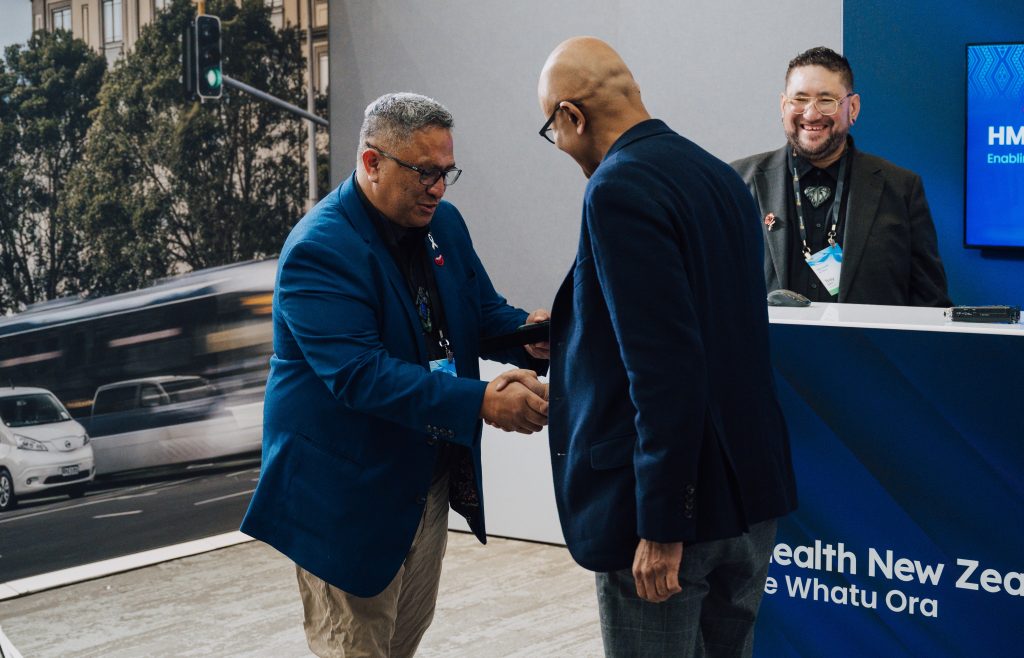 A passion for his Māori culture and a desire to make AI accessible to everyone inspired Troy Baker, Senior ICT Specialist, Health New Zealand to develop BroPilot – a culturally grounded way of working with Microsoft Copilot that reflects Māori values, whakaaro, and real lived experience.
|
| 29 Apr |
Heartbreaking tragedies were avoidable - NZNOAnalysis by a media outlet, published today, finding health care staff shortages were contributing factors in the deaths of 11 babies is a national and avoidable tragedy, NZNO says. |
| 28 Apr |
CTU launches Roving Health and Safety Representatives policy on Workers’ Memorial DayThe New Zealand Council of Trade Unions Te Kauae Kaimahi has today launched our Roving Health and Safety Representatives policy at the Workers’ Memorial Day commemoration in Wellington, with further events held across the motu in Manawatū, Christchurch, and Otago. |
| 24 Apr |
“The 80s Calling”: New national campaign challenges outdated HIV stigmaAssociate Health Minister Matt Doocey today launched Health New Zealand’s “The 80s Calling”; a provocative new campaign designed to reduce stigma, normalise conversations about HIV, and support people living with HIV. |
| 23 Apr |
Government’s attack on Māori health raised at the UNConcerns over the Coalition Government’s active reversal of policies designed to improve Māori health outcomes were raised at the United Nations in New York this morning. |
| 16 Apr |
Tribute to Professor Lester Levy’s service to healthcareHealth New Zealand Chief Executive Dr Dale Bramley is paying tribute to Health NZ Board Chair Professor Lester Levy, who finishes in the role at the end of the month. |
| 10 Apr |
Chronic health care assistant short staffing harming vulnerable patientsTe Whatu Ora’s attempt to cut costs by requiring health care assistants to carry out cohort patient watches is harming vulnerable patients and staff, NZNO says. |
| 9 Apr |
New group education clinics speeding up knee and hip surgery careHealth New Zealand is rolling out a new group education approach for people waiting for hip and knee surgery in north and west Auckland, resulting in more patients being seen sooner. |
| 25 Mar |
National Diabetes Roadmap launched to improve care, prevention, and quality of lifeHealth New Zealand has launched a new National Diabetes Roadmap (‘the Roadmap’) to improve care, strengthen prevention, and support better health outcomes and quality of life for people living with diabetes. |
| 24 Mar |
ACT should leave nursing to professionals and medical evidenceTōpūtanga Tapuhi Kaitiaki o Aotearoa NZNO Kaiwhakahaere Kerri Nuku says ACT MP Todd Stephenson has dismissed the Nursing Council’s draft code of conduct - which proposes strengthening cultural safety, whānau-centred care and te Tiriti o Waitangi obligations - as political ideology. |
| 23 Mar |
UK report reflects ICN warnings on international recruitment ripoff — now countries must act togetherThe International Council of Nurses (ICN) warmly welcomes a new report from the UK All Party Parliamentary Group (APPG) on Global Health and Security that recognizes the huge sums saved by high-income countries who recruit abroad and acknowledges the severe harms caused by unethical recruitment from fragile source countries left without nurses. |
| 20 Mar |
HPV self-test boosts cervical cancer screening ‘across the board’, new study confirmsMaking human papillomavirus (HPV) self-testing available to all women increases the number of people screened for cervical cancer, a new study led by researchers from Te Herenga Waka—Victoria University of Wellington has confirmed. |
| 19 Mar |
ICN at CSW70: Violence against nurses is a gendered crisis threatening global healthThe International Council of Nurses (ICN) has warned that violence against nurses is a global gendered crisis that threatens health systems, patient safety and workforce sustainability |
| 17 Mar |
Additional winter health care workers a drop in the ocean of needThe Government’s announcement today of 378 extra staff to help hospitals cope with winter demand is a drop in the ocean of what patients need, NZNO says. |
| 12 Mar |
Funding change will ensure more consistent emergency care for New ZealandersA simple change in how ambulance medicines are funded is set to create more consistent emergency care. |
| 9 Mar |
Questions over dilapidated and cramped renal unit forced to ration dialysisThe Health Minister must explain why after years of concerns from nurses about Christchurch Hospital’s barely functioning dialysis unit, he only stepped in late yesterday when life-saving treatment had to be rationed, NZNO says. |
| 3 Mar |
Hospitals and health workers should never be targetsThe right of health care workers to provide care during international conflicts must be protected, Tōpūtanga Tapuhi Kaitiaki o Aotearoa NZNO says. |
| 2 Mar |
Public and Mental Health Nurses settle collective agreementHealth New Zealand welcomes the ratification of the two Public Service Association (PSA) Public and Mental Health Nurses collective employment agreements for Auckland and the Rest of New Zealand. |
| 27 Feb |
Whakatāne Hospital to resume secondary obstetrics and gynaecology servicesWhakatāne Hospital will resume secondary obstetrics and gynaecology services from 8am on 13 April 2026. |
| 26 Feb |
Counsellors warn NZ is normalising crisis levels of youth distressYouth mental distress has become entrenched, suicide remains a national tragedy, and our systems are failing to intervene early enough, says the New Zealand Association of Counsellors (NZAC). |
| 26 Feb |
Record uptake nearly doubles advanced nurse education scholarshipsA record 235 primary care registered nurses will begin advanced education this year – nearly doubling the number originally planned – following strong demand for the Government’s new Registered Nurse Primary Care Scholarships, Health Minister Simeon Brown says. |
| 19 Feb |
‘Top Up’ to deliver faster access to supportSeven grassroots mental health initiatives supporting small and hard-to-reach communities have received funding to deliver faster access to support, Mental Health Minister Matt Doocey announced today. |
| 18 Feb |
Pharmac proposes funding new treatments that could transform early care for people with chronic lymphocytic leukaemia, a type of blood cancerPeople in New Zealand living with chronic lymphocytic leukaemia (CLL) could soon benefit from funded access to targeted treatments under a new proposal from Pharmac. |
| 13 Feb |
Te Whatu Ora’s embarrassing U-turn over proposed car park planTe Whatu Ora needs to go back to the drawing board and prioritise worker safety after reversing plans to charge hospital workers market rates for car parks, NZNO says. |
| 11 Feb |
Stark differences in COVID-19 vaccination rates between Māori and non-Māori, research findsA new study analysing COVID-19 vaccine uptake has found markedly lower vaccination rates among Māori, which researchers link to existing inequities in healthcare access. |
| 9 Feb |
ICN’s call for International Nurses Day 2026: empower nurses to save livesICN has announced the theme for International Nurses Day (IND) 2026: Our Nurses. Our Future. Empowered Nurses Save Lives. This focus sends a clear message that to maximize the full life-saving impact of the nursing workforce, we must empower nurses with safe, fair work environments and full nursing practice, influence, and leadership. |
| 5 Feb |
Global nurse leaders gather in Japan to address urgent workforce crisisNursing leaders from Japan and around the world are gathering in Yokohama this week for two major nursing events that are advancing the global conversation on how countries can protect, retain and invest in their nursing workforce as pressures mount across health systems worldwide. |
| 4 Feb |
Midwives to deliver more vaccinations to help protect familiesMidwives are now able to offer a wider range of funded immunisations, supporting families from pregnancy through the early months of a child’s life, Health Minister Simeon Brown says. |
| 30 Jan |
Opening of E Tū Wairua Hinengaro – Mason ClinicHealth New Zealand has marked the opening of E Tū Wairua Hinengaro, a new purpose-built facility at Auckland’s Mason Clinic designed to strengthen and modernise forensic mental healthcare in Aotearoa. |
| 29 Jan |
NZNO disgusted by nurse’s killing in the USTōpūtanga Tapuhi Kaitiaki o Aotearoa NZNO has expressed disgust at the shooting and killing of nurse Alex Pretti on a Minneapolis, US street on Saturday morning by federal officers. |
| 27 Jan |
New national group forms to support public healthcare in AotearoaKaitiaki Hauora - Together for Public Health has been formed as a national group bringing together patients, health workers, iwi and Māori health representatives, unions, advocacy organisations, and community groups, with backing from a growing number of organisations across the health sector. |
| 22 Jan |
Pharmac proposes to fund life changing treatments for people with cystic fibrosisPharmac is proposing to fund new treatment options for people living with cystic fibrosis with eligible mutations, including young children, from 1 April 2026. |
| 05 Jan |
Nurses pay tribute to Dame PoutasiThe passing of Dame Karen Poutasi has seen Aotearoa lose one of its foremost health leaders and a woman of high integrity, Tōpūtanga Tapuhi Kaitiaki o Aotearoa NZNO Kaiwhakahaere Kerri Nuku says. |