



Tēna koutou, tēnā koutou, tēnā tatou katoa.
Welcome to the 2024 edition of Kaitiaki Nursing Research. As we publish the 15th edition of the journal, I am reflecting on the evolution of nursing research in Aotearoa, New Zealand, particularly the optimism and challenges described by Chick (1987) and Chick and Kinross (2006) in the second part of the last century. These pioneers highlighted the importance of nursing research in advancing the profession and supporting health-care outcomes. In the late 1980s, Chick (1987) optimistically noted that nursing research seemed on the cusp of a new era. However, despite the passion and energy for innovative research projects, nurse researchers faced significant challenges, particularly a lack of funding. As Chick and Kinross (2006, p. 149) noted, “Many hours and much energy went into planning projects that never gained a funding source and therefore never saw the light of day.” Despite a sense of beginning a new era of nursing research in the 1980s, many promising projects remained unfulfilled (Litchfield, 2009).
Nursing research in Aotearoa, New Zealand has progressed in recent years, with a stronger focus on producing evidence-based knowledge that directly influences practice, policy and education. It has called attention to systemic issues, including health-care equity, culturally responsive care, and the specific needs of Māori and Pacific populations. However, the challenges of earlier days persist, particularly in securing sustainable funding, aligning research with health-care policy needs, and ensuring research findings are implemented effectively in practice. Nursing research is essential for advancing nursing education in New Zealand – the robust integration of research into academic programmes is vital to prepare future nurses with a strong foundation in research literacy and evidence-based decision-making. It must also produce knowledge that illuminates the purpose and scope of nursing in the unique and increasingly more complex demands of nursing roles in Aotearoa, New Zealand.
Kaitiaki Nursing Research welcomes submissions that explore diverse aspects of nursing practice, education, policy, and patient care. Getting published in Kaitiaki Nursing Research enables researchers and practitioners to share findings with a broader audience, fostering a collaborative approach to addressing health-care challenges. In this edition, the journal has collaborated with Te Wāhanga Rangahau Tapuhi – the New Zealand Nurses Organisation (NZNO) Nursing Research Section, to share the commitment to fostering a robust culture of inquiry and evidence-based practice.
Researched viewpoint
The researched viewpoint by Brownie and Broman highlights the critical role of a robust domestic nursing workforce in New Zealand’s health-care system, where nurses form more than half the regulated health workforce. Given the ageing demographic of nurses and New Zealand’s high proportion of internationally qualified nurses (IQNs), the urgency for data-driven workforce planning is pressing. Challenges such as retirement projections and heightened reliance on IQNs require immediate action, especially in light of disparities in health-care access and outcomes for Māori, Pacific, and rural communities, where domestically trained, culturally aligned nurses are vital. With the current health and vocational education reforms adding complexity, addressing New Zealand’s nursing workforce challenges necessitates proactive data-sharing and analysis to support a sustainable and effective health-care system.
Primary research studies
Malone and Bingham assessed the impact of an eight-week credentialed trauma-informed care course on health-care professionals’ attitudes toward implementing trauma-informed practices. A trauma-informed approach helps health-care providers understand service users’ experiences more deeply and effectively. A quasi-experimental pre-and-post-study design was applied using purposive sampling. The ARTIC-35, a validated tool, measured participant attitudes toward trauma-informed care before and after the course.The results of this study suggest that trauma-informed care is essential for the delivery of optimal care and benefits both patients and health-care providers by improving self-efficacy and care outcomes. As the largest health-care workforce, registered nurses (RNs) are pivotal in integrating trauma-informed practices and enhancing the quality of patient care.
Research reviews
Toneycliffe’s literature review sought to identify motivations for RNs in clinical practice to transition into nursing education. With an increasing demand for RNs, retaining a strong nursing education workforce is essential. The findings of this review showed RNs who transitioned into teaching roles in nursing education citing various motivations and challenges. The autonomy and satisfaction of giving back to the profession and training future nurses appealed to some, while academic aspirations motivated others. Dissatisfaction with clinical environments also prompted some nurses to shift to education. The rising demand for nursing education requires a growing educator workforce to handle increased student intakes into pre-registration programmes. Understanding the motivations behind nurses’ transitions from clinical practice to education can help develop sustainable recruitment and retention strategies for nurse educators in tertiary institutions.
The integrative review by Gilbertson and McClunie-Trust explored whether behaviour therapy improves well-being in adults with epilepsy. Epilepsy complicates daily life through unpredictable seizures and treatment side-effects, with adverse effects on well-being. Behaviour therapy has shown benefits in self-management and enhancing well-being in other chronic conditions. Quantitative data from the 16 studies included in the review revealed three significant themes that indicated improvements in well-being. Barriers such as transportation, memory issues, and technology literacy affected participation in the studies. However, the findings of this review suggest that behaviour therapy shows potential for improving well-being in adults with epilepsy.
Research brief
Aotearoa, New Zealand faces a rapidly ageing population, with numbers aged over 65 projected to grow by 36 per cent between 2021 and 2031. As life expectancy rises, older adults are expected to live longer with chronic illnesses, increasing health-care demands. Nurses, positioned at the frontline, are key to addressing these needs. The polytechnic sector, responsible for training the majority of nursing graduates, plays a critical role in ensuring future nurses are well-prepared for this demographic shift. A review of recent literature by Heath et al. replicated a survey by Neville et al. (2008) to assess core components in nursing curricula for aged care. Research questions explored the definition, timing, settings, and educational experiences of aged-care placements and staff and student preparation processes in polytechnic nursing programmes. This review identified additional factors affecting aged-care education, including clinical examples used in teaching, types and timing of clinical placements in aged care, student preparation for placements, and the quality of supervision. Researchers also noted the importance of the curriculum addressing demographic shifts and intersectional factors.
Methodology
The methodology resource by Woods explores ResearchGate as a professional forum and hub for sharing knowledge, publications and research data. ResearchGate is a platform for researchers to collaborate across institutional and international boundaries. Woods explains how researchers can sign up, find resources, share their research internationally, and track who is reading and citing their publications.
NZNO Nursing Research Section
In the final section of this year’s edition, we have included a report from Te Wāhanga Rangahau Tapuhi, the NZNO Nursing Research Section, which was established in 1975 and currently has 377 nurse researcher members. The report outlines the section’s mission, aims and recent activities, including commentary on the research forum held in Tamaki Makaurau, Auckland, in early October, themed “Hoki whakamuri, kia anga whakamua – Look at the past to help forge the future.” We have published five abstracts from the presentations at the October forum.
References
Chick, N. (1987). Nursing research in New Zealand. Western Journal of Nursing Research, 9(3), 317-334.
Chick, N., & Kinross, N. (2006). Chalk and cheese. Trail-blazing in NZ nursing: A story told through memoir.
Litchfield, M. (2009). To advance health care: The origins of nursing research in New Zealand. New Zealand Nurses Organisation.
Daily doses – uncut news
| 14 Sept |
WellSouth's Newborn Enrolment Kahu Taurima Programme a finalist at the Primary Care Awards 2026WellSouth's Newborn Enrolment Kahu Taurima Programme is a finalist at the Primary Care Awards for the HALEO Best Supplier Service, Product or Campaign category. Winners will be announced on 17 October. |
| 14 Sept |
Global Study: Nursing Shortages Require Workforce Policy Solutions, Not Recruitment Campaigns AloneWhy people choose nursing, and why they leave, comes down to the same factors. The global nursing shortage cannot be solved simply by encouraging more people to enter the profession, according to a new evidence brief. |
| 8 Sept |
Overworked, understaffed Gisborne ED staff strike Health and safety concerns arising from unsafe staffing levels have forced nurses at Gisborne Hospital’s emergency department (ED) to go on strike.
|
| 4 Sept |
Strong growth in wāhine Māori and Pacific women’s cervical screening rates highlights success of self-testing programmeCervical screening participation has increased significantly for both wāhine Māori and Pacific women, reflecting the strong impact of self-testing, Screening Services and the dedicated efforts of health providers working alongside their communities. |
| 4 Sept |
Government must adopt Wai 2713 recommendations on disability systemThe Coalition Government must urgently adopt new recommendations from the Waitangi Tribunal which has found significant parts of the disability system prejudice tāngata whaikaha Māori (Māori with disabilities), NZNO says. |
| 31 Aug |
Employing graduate nurses will help keep them in nursing and the countryA new proposal that will require Te Whatu Ora to offer all eligible graduate nurses jobs in the public health system will help keep them in nursing and in Aotearoa New Zealand, NZNO says. |
| 26 Aug |
Health Minister’s claim Winter Plan ‘managing well’ delusionalHealth Minister Simeon Brown’s claim that hospitals are ‘managing well’ because of the Government’s Winter Plan is delusional, NZNO says. |
| 25 Aug |
Hospital data shows nursing shortages continue to put patients at riskTe Whatu Ora data released today shows patients are continuing to be put at risk by the Coalition Government’s deliberate failure to safely staff hospital wards, NZNO says. |
| 24 Aug |
Fed-up North Shore ED staff declare state of emergencyNZNO members working in the emergency department (ED) at North Shore Hospital have declared a state of emergency due to unsafe staffing levels resulting in ongoing overcrowding. |
| 19 Aug |
What happened to the winter health plan?The $25 million 2026 Winter Plan launched by Health Minister Simeon Brown in March to erase pressure on the health system has been an unmitigated disaster, Tōpūtanga Tapuhi Kaitiaki o Aotearoa NZNO says. |
| 11 Aug |
Applications open for advanced nursing education programmesHealth New Zealand is encouraging registered nurses to apply for two advanced education programmes that support nurses to further develop their clinical skills and expand access to care in communities across New Zealand. |
| 3 Aug |
Health New Zealand welcomes settlement of NZRDA collective agreementHealth New Zealand welcomes the vote by New Zealand Resident Doctors Association (NZRDA) members to settle their collective agreement. |
| 30 Jul |
Backing our frontline rural health workforceRural communities across New Zealand will benefit from three new investments that will support the rural health workforce and help more people access care closer to home, Associate Health Minister Matt Doocey says. |
| 22 Jul |
Te Whatu Ora must disclose staffing levels at time of tragic deathTe Whatu Ora must disclose whether the Waikato emergency department (ED) was short-staffed at the time a man tragically died in the waiting room, NZNO says. |
| 6 Jul |
Reflecting on IND 2026Looking back on last month’s International Nurses Day 12 May 2026 (IND 2026), the impact of this year's theme "Our Nurses. Our Future. Empowered Nurses Save Lives" continues to resonate across the world. ICN’s landmark IND 2026 report defined seven key powers of nursing and this message has been strengthened with nurses in every region celebrating, naming, and owning their powers throughout May. |
| 3 Jul |
Health New Zealand acknowledges Ombudsman statement on Wakari Ward 10AHealth NZ welcomes the independent investigation by the Ministry of Health into Ward 10A. On Wednesday the Health NZ board agreed to close Wakari Ward 10a as a forensic intellectual disability (ID) unit, with the future use of the ward yet to be determined. |
| 2 Jul |
New programme to fast track bowel cancer care and cut colonoscopy waitlistsHealth New Zealand is today launching a national initiative, designed to fast track bowel cancer care and reduce colonoscopy waitlists by up to 30 per cent. |
| 1 Jul |
Six new Co-Response Team locations announced to strengthen support for people in mental distressThe next six locations for Health New Zealand and NZ Police Co-Response Teams have been confirmed, expanding a model that helps people experiencing mental distress receive timely, wraparound support that better meets their health needs. |
| 29 Jun |
Mental health and addiction targets progress continuesHealth New Zealand continues to make important progress against its mental health and addiction targets, meeting four out of five national targets this quarter. |
| 25 Jun |
Access to care continuing to improve across a range of health indicatorsNew health data released today shows continued improvement in access to care across a range of health indicators. |
| 18 Jun |
Funding "boost" continues dangerous under-funding of aged careThe Health Minister’s funding "boost" for aged residential care continues underfunding to the sector and will continue unsafe practices and short staffing, which is putting vulnerable residents at risk, NZNO says. |
| 16 Jun |
Labour to make maternity scans freeLabour will add free maternity scans to the Medicard alongside three free doctor’s visits a year, so every pregnant woman gets the care she needs. |
| 29 May |
WellSouth Statement on Budget 2026: a missed opportunityBudget 2026 is a missed opportunity for primary care, and for the communities that depend on it most, in particular our rural people and practices. |
| 29 May |
Updated - Nurses on front lines of Ebola outbreak at serious riskIn response to the gravely concerning and escalating Ebola outbreak in the Democratic Republic of the Congo (DRC) and Uganda, the International Council of Nurses (ICN) warns that nurses and other frontline health workers are being put at serious risk and left fearful for their safety. |
| 27 May |
Health NZ committed to safeguarding patient informationHealth New Zealand welcomes the reports released today into the Manage My Health (MMH) cyber incident and is committed to ensuring all possible steps are taken to safeguard patient information. |
| 22 May |
More New Zealanders could benefit from funded vaccines from 2027Pharmac is proposing changes that would give more New Zealanders access to funded vaccines from 2027, including expanded access to the flu vaccine for young children. |
| 21 May |
It’s not just the wallet: How the gender pay gap can hurt women’s bodiesWhile many aspects of New Zealand’s enduring gender pay gap have been discussed, its physical impact on workers has been largely overlooked – until now. |
| 21 May |
Bupa nurses take pay equity claim over historic wage discriminationNZNO nurses working at Bupa aged residential care homes throughout Aotearoa New Zealand have raised a pay equity claim to address historic gender-based wage discrimination. |
| 20 May |
Waikato Hospital adds 10 forensic mental health beds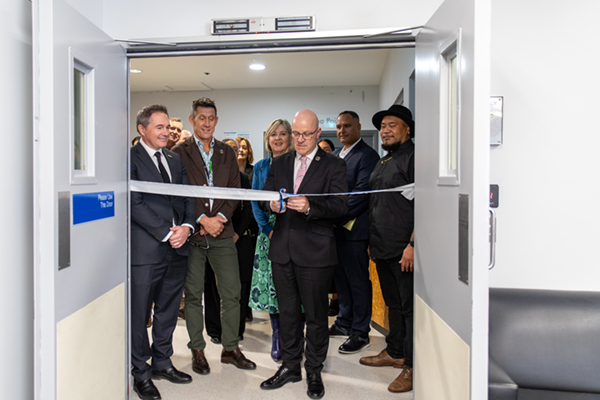 Ten new forensic inpatient beds have been made available at the Regional Forensic Psychiatric Service at Waikato Hospital to expand forensic mental health capacity for adults in prison or on remand in Health New Zealand’s Midland region.
|
| 18 May |
Strong gains in two-year immunisation target for Tamariki MāoriHealth New Zealand is welcoming a significant increase in Māori immunisation rates, with full immunisation at 24 months rising from just over 60 per cent in late 2024 to 71.5 per cent at the end of last month. |
| 15 May |
New global report shows empowering nurses is key to saving lives and strengthening health systemsAs the world marks International Nurses Day, the International Council of Nurses (ICN) is calling for urgent investment in nursing, supported by a major new global report, Our Nurses. Our Future. Empowered Nurses Save Lives, that presents seven key nursing powers. |
| 14 May |
Lakes and Whanganui nurses still waiting for Holiday Pay a decade on
Photo by Fin Ocheduszko-Brown at Whanganui Chronicle Nurses at Lakes and Whanganui districts are calling on Te Whatu Ora to explain why after a decade of redress, they still don’t know when they will receive their full Holiday Act remediation payments, NZNO says. |
| 13 May |
Recognising the extraordinary contribution of nursesInternational Nurses Day is an opportunity to recognise the extraordinary role nurses play in caring for New Zealanders at every stage of life, Health Minister Simeon Brown says. |
| 12 May |
Government’s decision to scrap fees free scheme will lead to further student exodusThe Coalition Government’s decision to scrap the fees free policy for third year tertiary students has left nursing tauira outraged |
| 30 Apr |
BroPilot grounding digital tools in whānau, culture, and care A passion for his Māori culture and a desire to make AI accessible to everyone inspired Troy Baker, Senior ICT Specialist, Health New Zealand to develop BroPilot – a culturally grounded way of working with Microsoft Copilot that reflects Māori values, whakaaro, and real lived experience.
|
| 29 Apr |
Heartbreaking tragedies were avoidable - NZNOAnalysis by a media outlet, published today, finding health care staff shortages were contributing factors in the deaths of 11 babies is a national and avoidable tragedy, NZNO says. |
| 28 Apr |
CTU launches Roving Health and Safety Representatives policy on Workers’ Memorial DayThe New Zealand Council of Trade Unions Te Kauae Kaimahi has today launched our Roving Health and Safety Representatives policy at the Workers’ Memorial Day commemoration in Wellington, with further events held across the motu in Manawatū, Christchurch, and Otago. |
| 24 Apr |
“The 80s Calling”: New national campaign challenges outdated HIV stigmaAssociate Health Minister Matt Doocey today launched Health New Zealand’s “The 80s Calling”; a provocative new campaign designed to reduce stigma, normalise conversations about HIV, and support people living with HIV. |
| 23 Apr |
Government’s attack on Māori health raised at the UNConcerns over the Coalition Government’s active reversal of policies designed to improve Māori health outcomes were raised at the United Nations in New York this morning. |
| 16 Apr |
Tribute to Professor Lester Levy’s service to healthcareHealth New Zealand Chief Executive Dr Dale Bramley is paying tribute to Health NZ Board Chair Professor Lester Levy, who finishes in the role at the end of the month. |
| 10 Apr |
Chronic health care assistant short staffing harming vulnerable patientsTe Whatu Ora’s attempt to cut costs by requiring health care assistants to carry out cohort patient watches is harming vulnerable patients and staff, NZNO says. |
| 9 Apr |
New group education clinics speeding up knee and hip surgery careHealth New Zealand is rolling out a new group education approach for people waiting for hip and knee surgery in north and west Auckland, resulting in more patients being seen sooner. |
| 25 Mar |
National Diabetes Roadmap launched to improve care, prevention, and quality of lifeHealth New Zealand has launched a new National Diabetes Roadmap (‘the Roadmap’) to improve care, strengthen prevention, and support better health outcomes and quality of life for people living with diabetes. |
| 24 Mar |
ACT should leave nursing to professionals and medical evidenceTōpūtanga Tapuhi Kaitiaki o Aotearoa NZNO Kaiwhakahaere Kerri Nuku says ACT MP Todd Stephenson has dismissed the Nursing Council’s draft code of conduct - which proposes strengthening cultural safety, whānau-centred care and te Tiriti o Waitangi obligations - as political ideology. |
| 23 Mar |
UK report reflects ICN warnings on international recruitment ripoff — now countries must act togetherThe International Council of Nurses (ICN) warmly welcomes a new report from the UK All Party Parliamentary Group (APPG) on Global Health and Security that recognizes the huge sums saved by high-income countries who recruit abroad and acknowledges the severe harms caused by unethical recruitment from fragile source countries left without nurses. |
| 20 Mar |
HPV self-test boosts cervical cancer screening ‘across the board’, new study confirmsMaking human papillomavirus (HPV) self-testing available to all women increases the number of people screened for cervical cancer, a new study led by researchers from Te Herenga Waka—Victoria University of Wellington has confirmed. |
| 19 Mar |
ICN at CSW70: Violence against nurses is a gendered crisis threatening global healthThe International Council of Nurses (ICN) has warned that violence against nurses is a global gendered crisis that threatens health systems, patient safety and workforce sustainability |
| 17 Mar |
Additional winter health care workers a drop in the ocean of needThe Government’s announcement today of 378 extra staff to help hospitals cope with winter demand is a drop in the ocean of what patients need, NZNO says. |
| 12 Mar |
Funding change will ensure more consistent emergency care for New ZealandersA simple change in how ambulance medicines are funded is set to create more consistent emergency care. |
| 9 Mar |
Questions over dilapidated and cramped renal unit forced to ration dialysisThe Health Minister must explain why after years of concerns from nurses about Christchurch Hospital’s barely functioning dialysis unit, he only stepped in late yesterday when life-saving treatment had to be rationed, NZNO says. |
| 3 Mar |
Hospitals and health workers should never be targetsThe right of health care workers to provide care during international conflicts must be protected, Tōpūtanga Tapuhi Kaitiaki o Aotearoa NZNO says. |
| 2 Mar |
Public and Mental Health Nurses settle collective agreementHealth New Zealand welcomes the ratification of the two Public Service Association (PSA) Public and Mental Health Nurses collective employment agreements for Auckland and the Rest of New Zealand. |