


It is quite possible that this view will not be popular with many nurses, both Māori and non-Māori, but I have reached a point where there needs to be a frank and honest conversation.
Friends and colleagues who know me will be aware that I have been consistent in my views on cultural safety.
My position is this: here we are, 40 years on, and very little has changed in Māori health. The evidence remains clear: Māori, and other marginalised groups, continue to experience racism and discrimination when accessing health care.
If cultural safety were truly effective, surely, we would see some meaningful shifts in Māori health outcomes and inequities by now. We have not. In my view, this does not reflect a failure of cultural safety as a framework, but rather, a failure of its implementation, its measurement and the lack of accountability across both health and education systems.
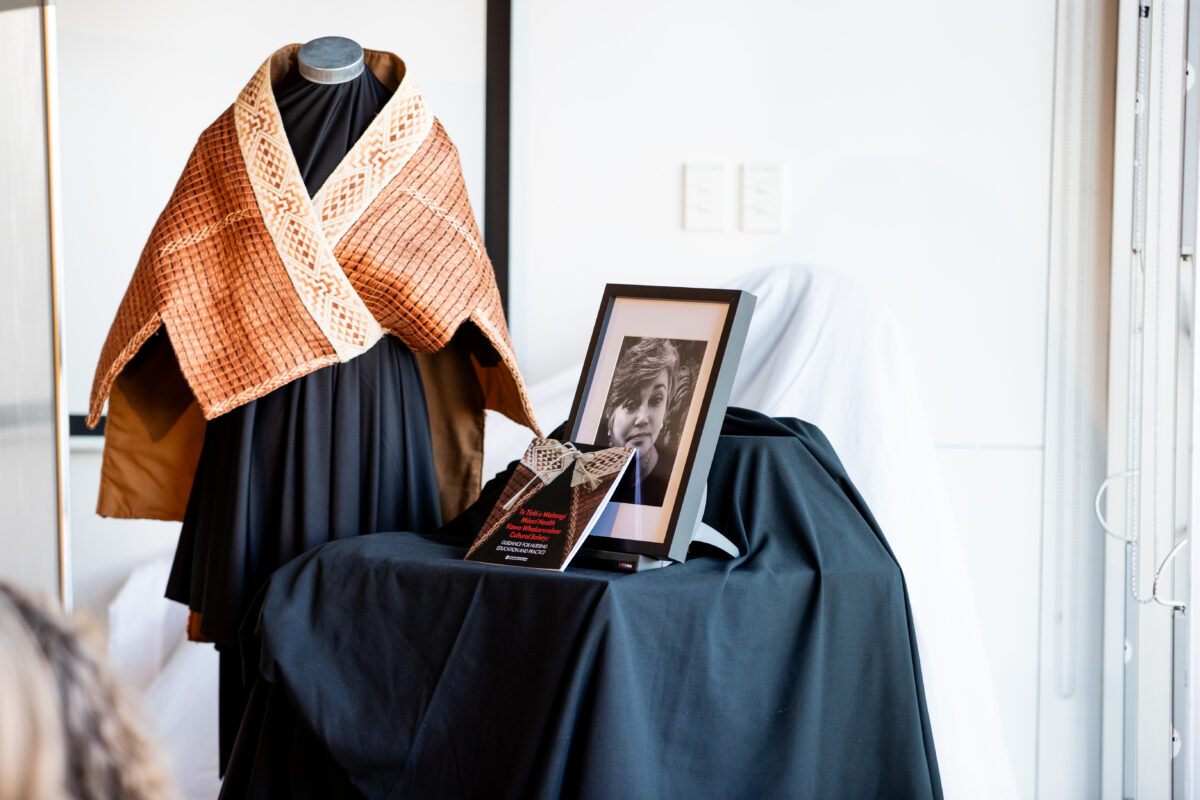
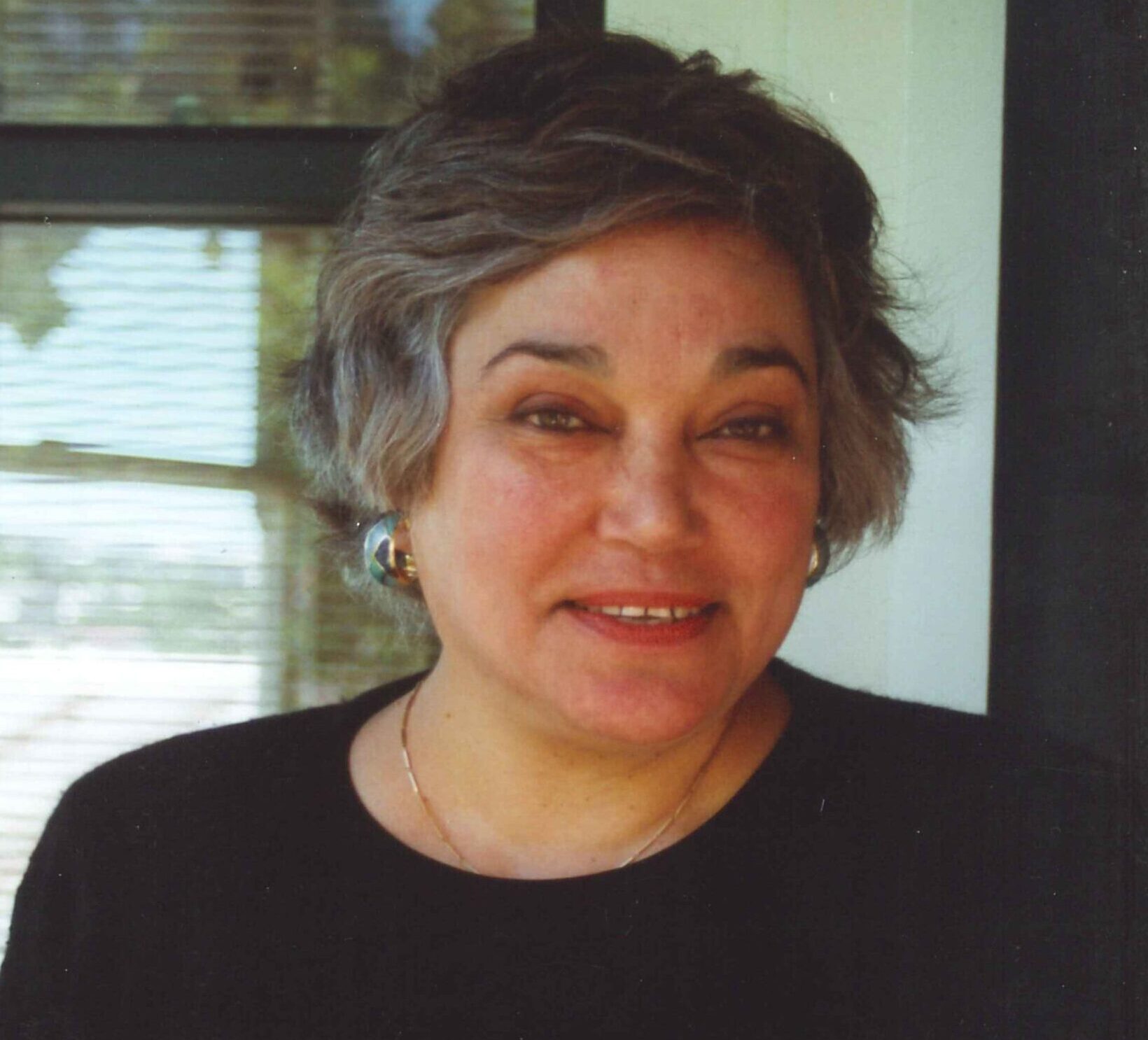
Irihapeti Ramsden’s vision was never about compliance, nor was it about content. It was about transformative praxis. It called for nurses to understand who they are, to be conscious of their own culture, power, attitudes, and biases, and to recognise how these shape the experiences of those they care for.
If Irihapeti were alive today, I believe she would be disappointed. What she envisioned has made its way into the classroom, but it has not meaningfully transferred into practice.
Read about the refreshed kawa whakaruruhau guidance here, hear from her daughter here, and find out from the nursing council why the refresh was needed, here.
Cultural safety is taught, assessed, and discussed, yet at the coal face the same patterns persist as they did in the 1980s. Sadly, very little has changed.
We also need to ask harder questions about the context in which we are now practising. With more than half of the nursing workforce trained overseas, how does this shape understandings of cultural safety? How are we supporting nurses entering Aotearoa to practise in ways that are responsive to Māori? And are we being honest about the challenges this presents?
‘The statistics are damning. As the largest health workforce in the country, nursing is not separate from this issue.’
This is a conversation that many are reluctant to have, for fear of offending Māori or diminishing Irihapeti’s legacy. There is also, at times, a level of convenience in maintaining the status quo. Including cultural safety within our education and regulatory standards gives the appearance that something is being addressed, while in practice, very little changes.
I have previously argued that the Nursing Council of New Zealand has at times, been complicit in this lack of progress. To their credit, they are now attempting to do something about it.
The statistics are damning. As the largest health workforce in the country, nursing is not separate from this issue – we are part of it. Our everyday practice contributes to these outcomes, whether intentionally or not. So, the question becomes: how do we turn this around?
Irihapeti did not intend for nursing to still be in this position four decades after the introduction of cultural safety. Her aim was never static knowledge, but transformation. She envisioned a workforce that understood the relationship between power, culture, and care, and acted differently because of it.
That transformation is not consistently evident in practice.
There is a clear disconnect between what student nurses learn in the classroom and how they apply it once they enter the workforce. We need to ask why. What happens in that transition? What are the pressures, expectations, and constraints that shape practice in ways that override what has been taught?
Cultural competence has been an established expectation within the nursing council competencies since their inclusion under the Health Practitioners Competency Assurance Act 2003. Since that time, nurses have been required to demonstrate competence through audit processes; however, research increasingly calls into question whether these processes meaningfully reflect practice.
The nursing council’s current revisions of the code of conduct signals an important shift in its acknowledgement of racism, inequity and the limitations of existing regulatory approaches.
However, addressing these issues through the code itself raises further concerns. While individual nurses are expected to provide culturally safe care, it is necessary to understand the broader structural and systemic conditions that shape nursing practice.
The persistence of inequities, despite the inclusion of cultural safety within competencies and the code, suggests the issue does not lie in the absence of standards but in their implementation, assessment and system-level accountability.
This raises critical questions: How do we ensure that nurses are critically conscious of racism, discrimination, bias, and inequity in their everyday practice? More importantly, how do we measure this, and how do we regulate it in ways that is both meaningful and workable?
I do not claim to have all the answers. I have some ideas, but before we move to solutions, there is a more important first step.
‘The persistence of inequities, despite the inclusion of cultural safety within competencies and the code, suggests the issue does not lie in the absence of standards.’
Nursing—including our leaders, educators, professional bodies, and regulators – must be willing to accept that cultural safety, as it currently stands, is not achieving its intended aim.
If we are unwilling to ask whether it is working, then we must ask ourselves what it is we are protecting.
Acknowledging this, is not an attack on Irihapeti’s legacy. It is, in fact, the opposite. It is an act of upholding the mana of her vision. Because her vision was never about maintaining the status quo, it was about transforming it.
Pipi Barton, RN, PhD (Ngāti Hikairo ki Kāwhia) is programme co-ordinator/kaiako at Northtec’s Te Puawānanga Tapuhi Māori o Te Kotiu (bachelor of nursing Māori), Te Tai Tokerau.