


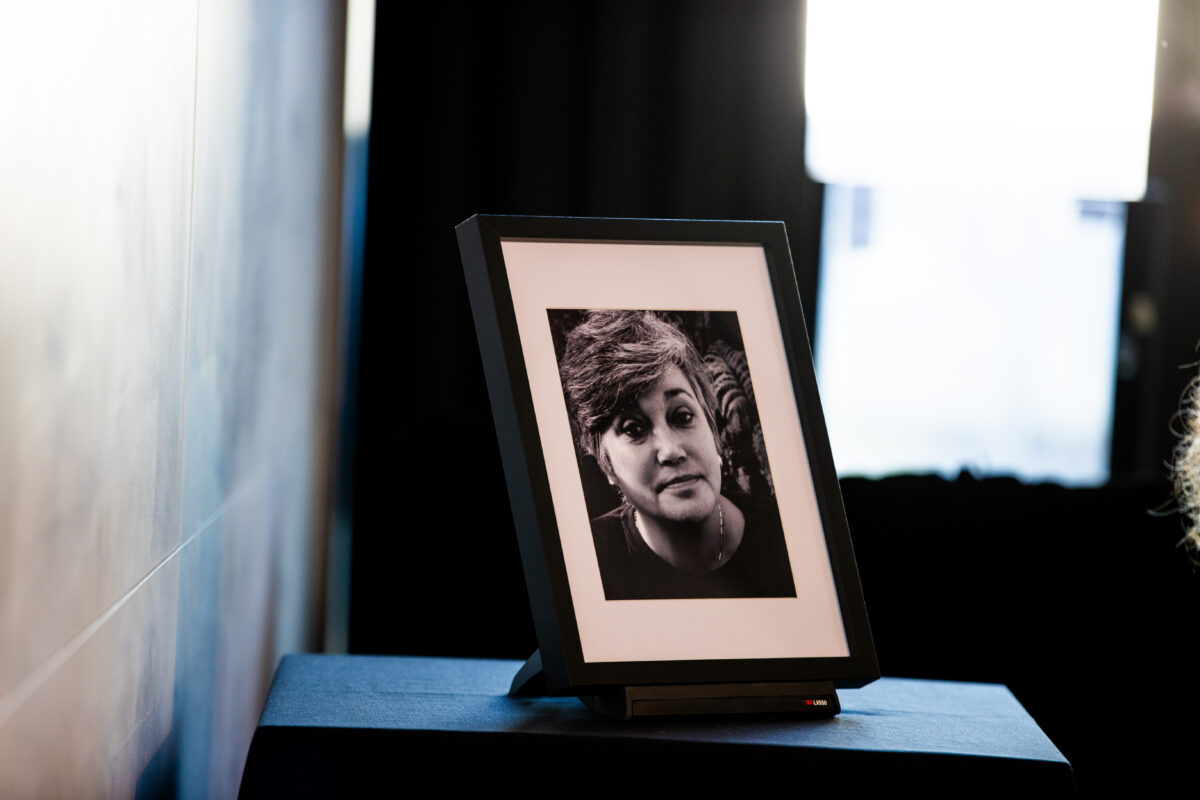
In 1988, nurse, anthropologist and educator Irihapeti Ramsden was at a hui of Māori students when a student asked why, if legal, clinical and ethical safety were considered part of nursing practice, we didn’t also include cultural safety.
It was from this grassroots beginning that Ramsden took on and developed the concept of cultural safety, which has now been part of nursing for 35 years.
She was astute enough to know that the council was one of the places that could help bring the concept into everyday nursing. Ramsden was appointed to our education committee. Elaine Papps was council chair – she and other people around the council table immediately committed to the kaupapa, realising its importance.
Read our launch story here, and hear about growing up with Irihapeti Ramsden from her daughter, here.
After all, the evidence was there — data clearly showing worse health outcomes for Māori. Ramsden had done the research and had support in the Māori world. There was a genuine feeling that we had to do something.
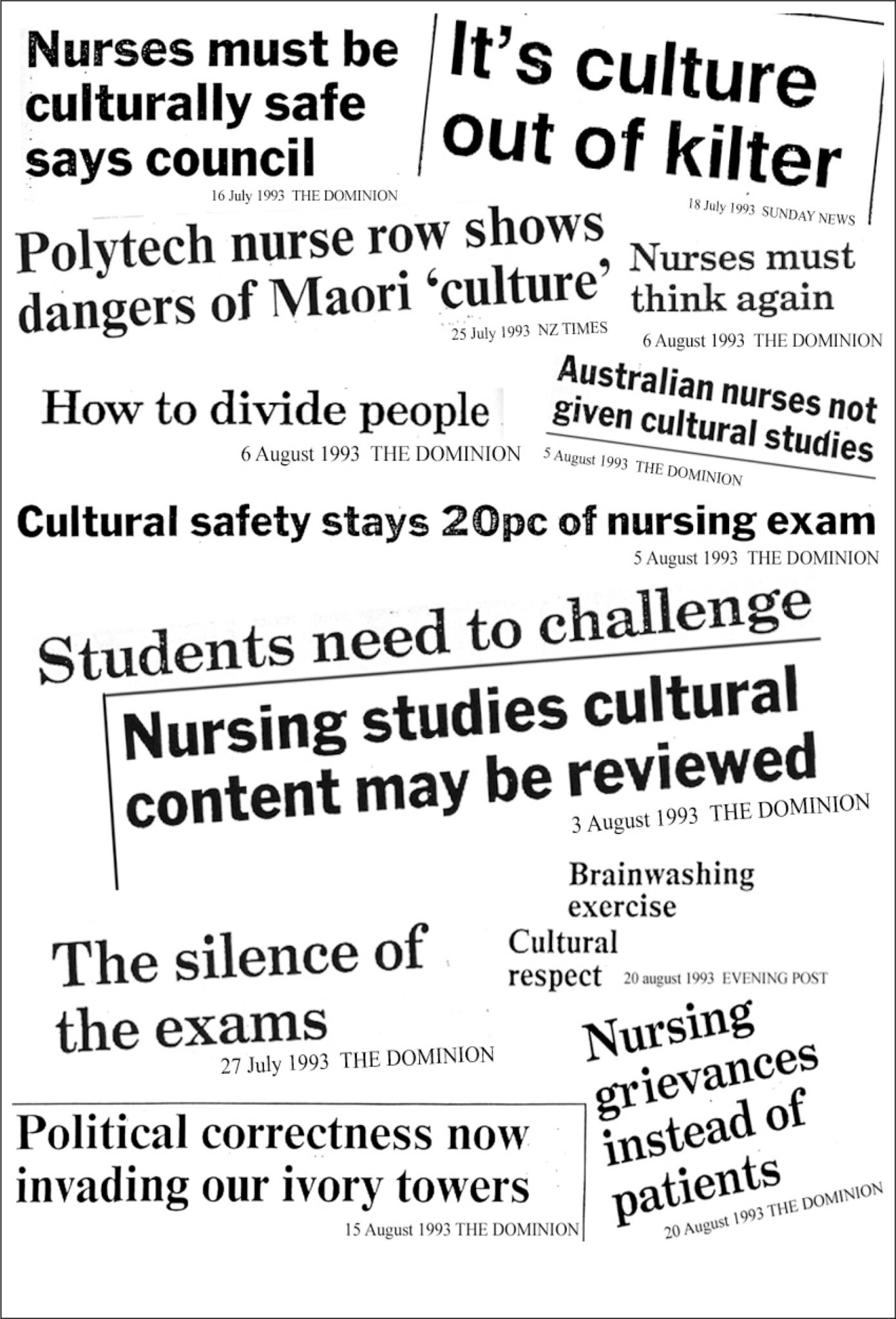
It was quickly implemented into the nursing curriculum and the state final exam: but then throughout the entire 1990s it was constantly challenged by the public, in the media, by politicians, and by some nurses.
That decade was really difficult — but it reflected the nursing profession’s commitment to cultural safety being woven through the education and practice of nursing.
We needed to be working together. Cultural safety is often presented as a specific thing that Māori are responsible for but that’s not true. The whole nursing profession must accept that this is essentially a social justice issue that we need to address within nursing education.
Nevertheless, back when it was first implemented, society was not ready for kawa whakaruruhau. That influenced why it had to be general cultural safety for everyone.
That’s one of the reasons the 2011 guidelines needed updating because kawa whakaruruhau – cultural safety in the Māori world – had got lost. What we really needed in this new guidance was to return to the real intent — and it was kawa whakaruruhau.
In 2018, Māori nursing leaders up and down the country challenged the council and asked us to look inwards at our own systems. How were we demonstrating being culturally safe?
We didn’t have a good relationship with our Māori nurses at the time. We realised we needed to repair this relationship. But how were we going to be culturally safe, and what did kawa whakaruruhau mean for us and working with our Māori nurses?
That’s where this conversation started.
Every time we pulled back a layer there was something else we had to work with. It wasn’t just purely a document we put out, saying ‘here do this’, we actually had to work on the relationships that needed repairing, and work out how to strengthen and maintain those relationships so we could be trusted as an organisation.
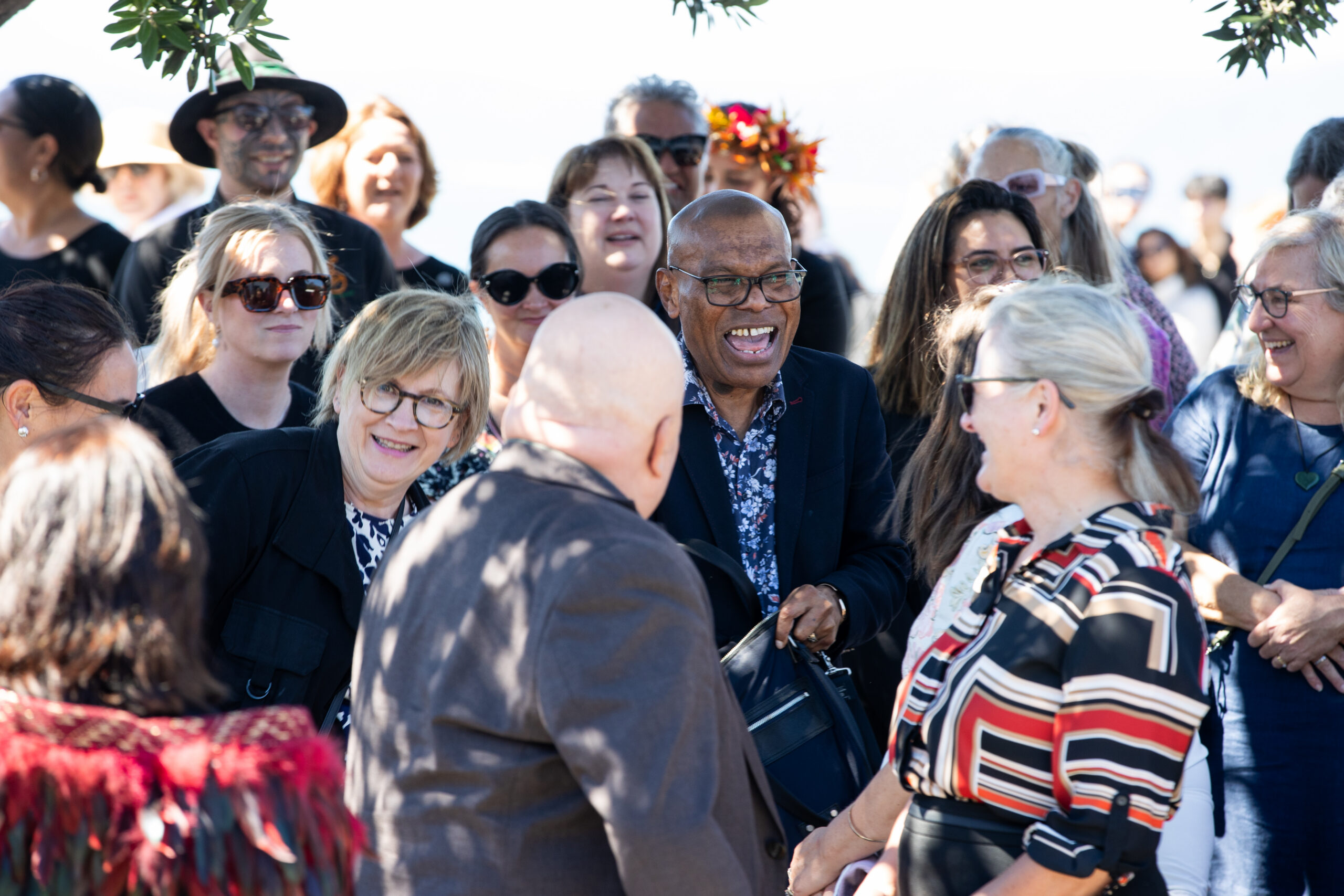
We met thousands of nurses across the country from different sectors to discover what kawa whakaruruhau meant to them. There were pockets where they had no idea what it was — others had very different understandings of the concept.
‘How were we going to be culturally safe, and what did kawa whakaruruhau mean for us and working with our Māori nurses?’
We also realised that this guidance, along with our standards of practice, nursing education and our code of conduct, are much stronger working together, as opposed to being standalone.
There was no way we could go out and just focus on cultural safety, we had to bring along everyone doing all that mahi in these different areas to make sure it was all interwoven and linked in.
The profession is now at a level where it can take responsibility for kawa whakaruruhau. Not be told what to do by the council but actually accept that this is now part of what we do in nursing education and practice: accepting accountability.
Hence the move away from guidelines to a guidance document. It’s actually a really important difference in language. It is now not simply guidelines where you just have to tick these boxes.
At the end of the day, anything that makes engagement with nurses more acceptable and relevant, and makes people feel more cared for and comfortable is a positive.
It’s all about respect and dignity and authenticity. So that’s what the guidance hopes to demonstrate. That’s what we were trying do by talking to all those groups. It’s also about that approach being a key element in nurses’ practice.
For nurses, cultural safety is being aware of power imbalances when they’re engaging with whānau. It’s about mana motuhake — people being able to take control of their decisions, being well-informed and feeling that they’re empowered.
Te Tiriti is the foundation of the new guidance, at a high level, for nurses out in practice, education and in clinical rooms.
After all, health is historical. We need whakapapa-centered, intergenerational care. We need to ask why our whānau are not coming and accessing health care.
This goes back generations. This is multi-layered. We have to peel it back – there’s more to the person right in front of you than what you see.
It’s for nurses to understand that, be aware of it and recognise it. It’s up to every individual, every group, organisations. It’s all of our responsibility.
So we can ask ourselves, where do we go to from here? What am I going to do tomorrow to make patient outcomes better?
Because ultimately you’re not going to find cultural safety here in this guidance: it’s what we do tomorrow. And it’s up to every single individual — and not just nurses.
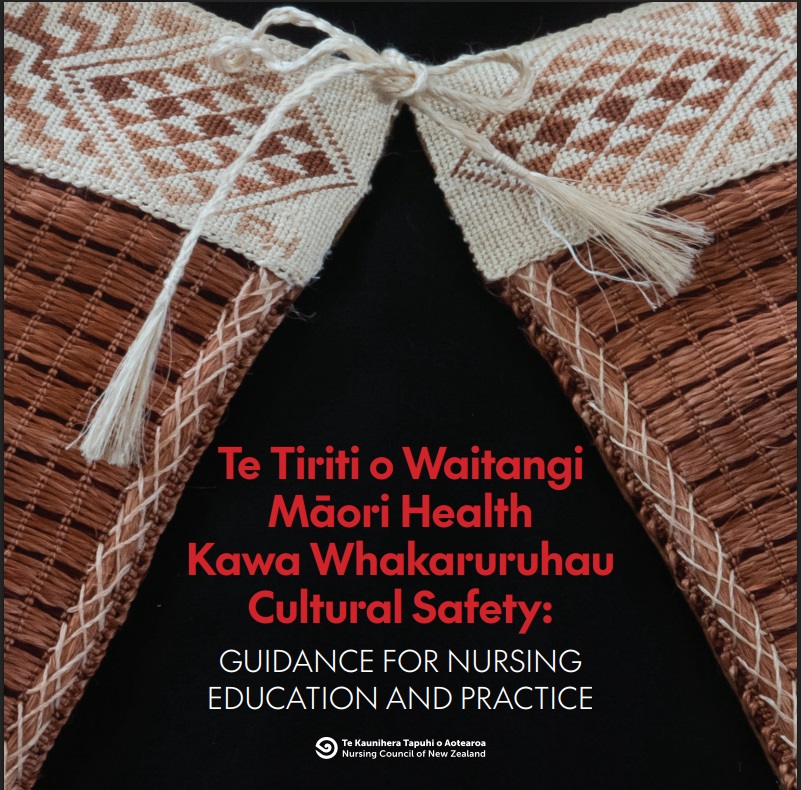
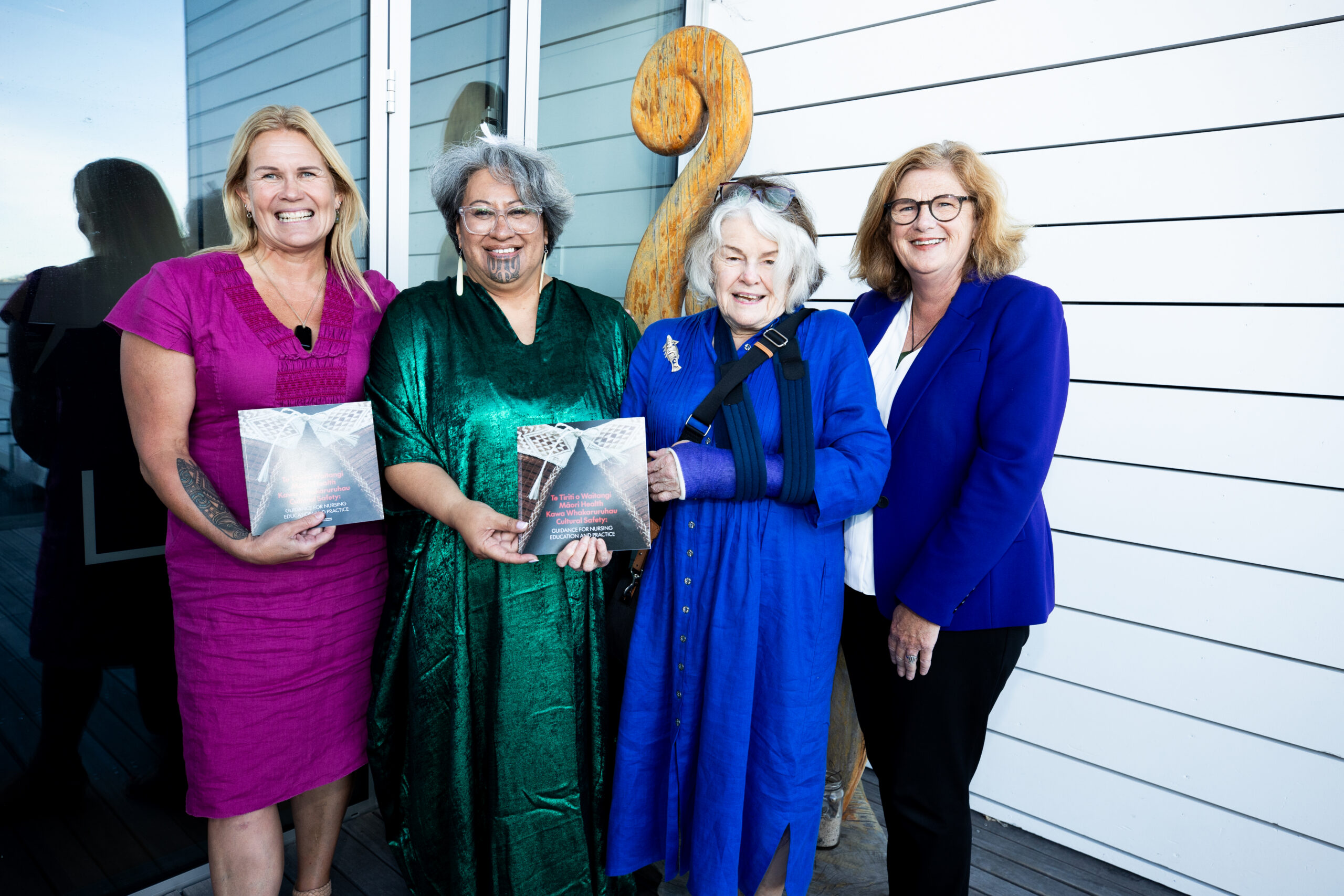
- Te Tiriti o Waitangi, Māori Health, Kawa Whakaruruhau, Cultural Safety: Guidance for Nursing Education and Practice was launched in February.