



Emergency Departments (EDs) are all currently struggling to cope with the large number of patients and whānau needing care.
This is evident as collegial groups are all reporting the same experiences, from regional departments to our large urban EDs such as Waikato and Christchurch.

The statements are all the same and the workload and pressures are growing.
The expected winter surge of patients presenting to EDs will only add more workload pressures and place more patients and whānau at risk.
When departments are overloaded and lack staffing and resources, such as hospital beds, this will have a ricochet effect on patients awaiting to be seen in waiting rooms and for patients awaiting to be offloaded from ambulance trolleys.
Access to primary care services is challenging, and despite the narrative from the ministry, nurses are already having real conversations, worried about how their departments and colleagues will survive another onslaught of heavy workloads, delayed care for patients and whānau and delayed transfer to inpatient ward beds due to a lack of growth of inpatient beds.
‘When departments are overloaded and lack staffing and resources, such as hospital beds, this will have a ricochet effect on patients.’
The annual gaming continues whilst emergency staff go above and beyond trying to provide quality care, which requires culturally-sensitive care in view of our often unsafe environments, to bridge the demeaning and overcrowded corridors that are used as default wards.
None of the nurse managers and clinical directors we talk with say they are adequately staffed; instead, they are asking for more.
The latest statistics show that shorter-stay beds have risen to 74.4 per cent from 74.2 per cent, a shortfall from the target of 95 per cent.
‘Nurses are already having real conversations, worried about how their departments and colleagues will survive another onslaught of heavy workloads.’
These numbers do little to reflect the lived experience of elderly patients lying in corridors, and young children with shortness of breath experiencing symptoms of bronchiolitis sitting in the overcrowded waiting rooms.
These negative experiences do little to support all staff working long hours; they only add to the burnout rate that leads to early exits.
The need for culturally-safe nursing care is greater now than ever to survive in a health environment that fails to provide resourcing that matches the demand and health needs of all New Zealanders.
No word from minister
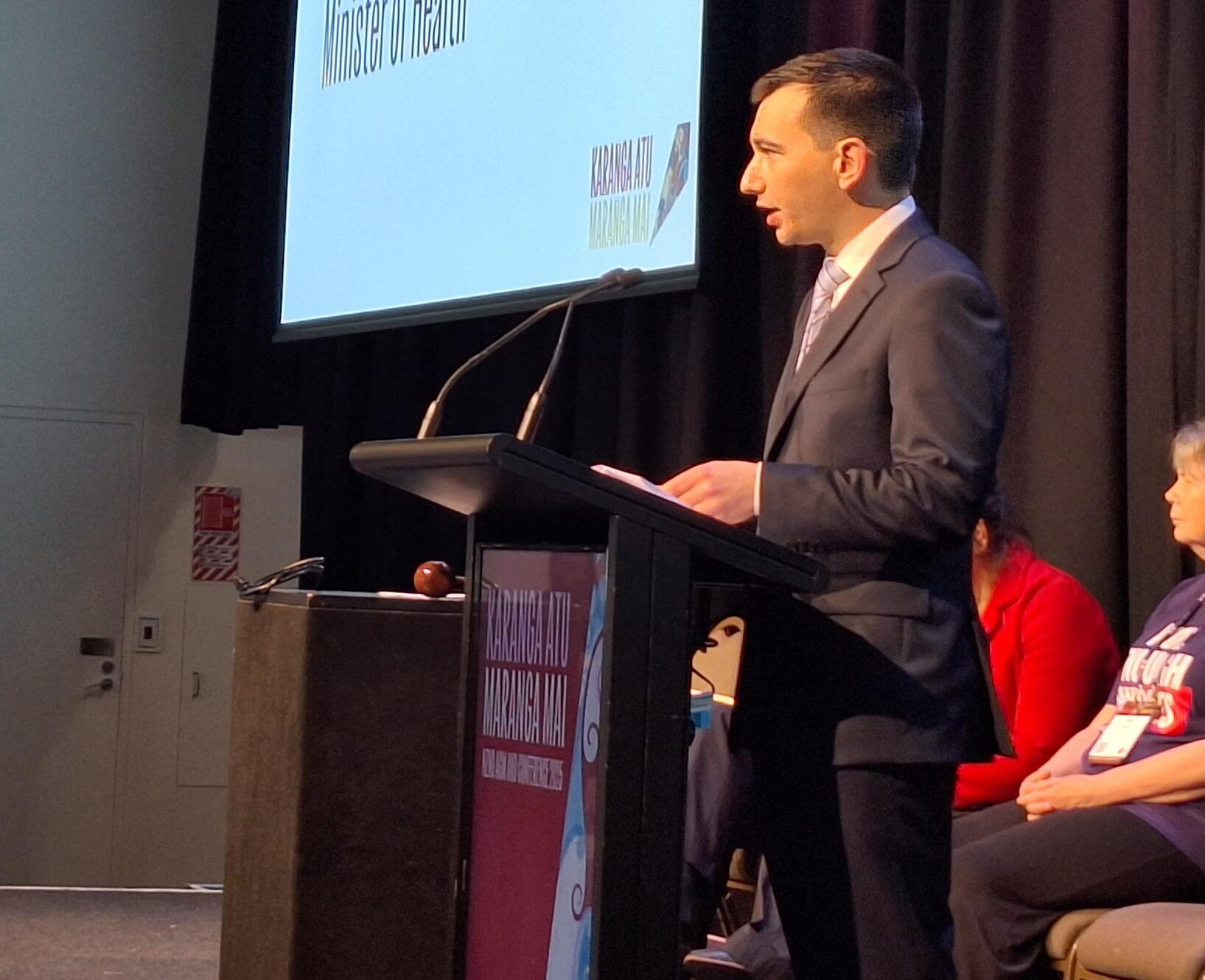
Kaitiaki contacted Health Minister Simeon Brown for a response but he would not comment.
Te Whatu Ora-Health NZ (HNZ) clinical executive national director Richard Sullivan said the 2026 winter plan was underway since May.
“More than 230 full-time equivalent (FTE) staff have been recruited across the country to support in our hospitals, a further 74 are to be covered internally. As recruitment for the remaining FTE continues, HNZ is collaborating with health-care partners including general practices, pharmacies, and primary providers to support the plan’s delivery.”
Natasha Hemopo and Wendy Sundgren are co-chairs of the NZNO college of emergency nurses New Zealand.
- This piece was written before a man died in the early hours of June 30 after reportedly waiting nine hours in Waikato Hospital ED.