

 |
About the author:Jinny Willis, BSc(hons), PhD, is the principal researcher at the New Zealand Nurses Organisation, Christchurch. | ||
AS 2020, THE INTERNATIONAL Year of the Nurse and Midwife dawned, a novel coronavirus, SARS-CoV-2, emerged as a global threat. COVID-19, as it came to be known, was first described in Wuhan, China; the rest, as they say, is history. While many celebrations of nursing and midwifery could not take place, or remain on hold, the profession quietly continued to provide care. The pandemic has increased the visibility and appreciation of nurses worldwide (Fidele, 2020). Some might suggest the many occasions planned to celebrate the profession could not have achieved such a profile, but at what cost?
In New Zealand, there were 167 cases of COVID-19 among health-care workers as at June 12, 2020, representing 11 percent of all cases (Ministry of Health, 2020). Nurses (49) and health-care assistants, caregivers or support workers (79) represented almost three-quarters (73 percent) of those infected. More than half of these cases, 96 individuals (57 percent), were infected in the workplace. A quarter of those infected in the workplace, 42 people (25.1 percent), were likely to have been infected by a patient, resident or client; 32 people (19.2 percent) were found to have been infected by another health-care worker. Nine health-care workers were hospitalised, with two cases requiring intensive care.
The International Council of Nurses (ICN) aimed to find out the number of nurses and other health-care workers who had contracted or lost their lives due to COVID-19 since the virus outbreak began, but was constrained by the lack of systematic recording of data across member countries. A survey undertaken for the first two weeks of August revealed that 1097 nurses had died from COVID-19 across 44 countries – likely an underestimate, due to the lack of standardised data collection (ICN, 2020). In addition, the prevalence of COVID-19 infections among health-care workers ranged from 1 percent to 32 percent, with a mean of 10 percent. The findings also reveal moderate to severe shortages of PPE, and lack of consistency around recognition of COVID-19 as an occupational disease and compensation for health-care workers affected by COVID-19. Further evidence from a large prospective observational study of 2,135,190 individuals, comprised of front-line health-care workers and the general community using a COVID-19 symptom app in the United Kingdom and the United States, also revealed rates of COVID-19 infection in front-line health-care workers that were in the order of 11 to 12-fold higher than in the general community (Nguyen, 2020). Adjusting for biases in testing frequency between the two groups, and any other possible confounders, at least a three-fold increase in risk remained in the health-care workers. It is clear that morbidity and mortality for health-care workers is high.
Ethical tensions for nurses during the pandemic added to an already difficult scenario. McKenna (2020) notes the tensions between nurses’ duty of care to patients and their duty of care to their whānau and family members. It is sufficiently difficult for those nurses in the “sandwich generation”, that is, those who have the care of children as well as parents, without the extra demands of a pandemic. Nurses were justifiably concerned about returning from work and infecting household members, particularly those who were vulnerable to COVID-19. The ICN survey showed high levels of mental distress among nurses (ICN, 2020). Indeed, in some jurisdictions, suicides among health-care workers have been reported.
The New Zealand response to COVID-19 was among the most successful in the world (Baker, 2020). The co-ordinated “all-of-government” response, including border control measures; community transmission controls; case-based control measures; and health, well-being and economic support measures resulted in a conclusion of the elimination phase of the pandemic 103 days after notification of the first case (Baker, 2020). The response ensured that the health system was not overwhelmed by cases; indeed, a relatively small proportion of the total cases (1569) required hospitalisation, and deaths (22) were low. A five week lock-down proved to be the “pandemic breaker” and very good compliance by the New Zealand population, got the job done.
The New Zealand approach to eliminating COVID-19 and minimising the impact of the disease ensured that hospitals were not overwhelmed by inpatients. However, preparation for an unknown number of COVID-19 cases that might require treatment caused disruptions to essential health services. The World Health Organization (WHO) examined the impact of COVID-19 on a tracer set of up to 25 essential health services across the life course among the five WHO regions and found widespread reductions in essential services, with greater impact on low and middle-income countries (WHO, 2020). These services included: elective surgery; outpatient services; preventive services; diagnosis, treatment and rehabilitative services; and palliative services. The impact of these disruptions cannot be quantified at this time and indeed may not be apparent for years to come.
Most of the cases of COVID-19 in New Zealand were encountered in the community. Nurses were deployed in community-based assessment centres (CBACs), in contact tracing and more recently in managed isolation facilities. While the use of PPE in hospitals is routine, the use of PPE in nurses and health-care workers in the community is less usual. Donning and doffing of PPE is not necessarily intuitive, and correct fit is extremely important. In addition, despite the existence of pandemic plans from the days of SARS-1, preparedness was imperfect at best. The New Zealand Nurses Organisation (NZNO), in collaboration with the McGuinness Institute, undertook a survey of NZNO members towards the end of Alert level 4 and into Alert level 3. Questions addressed: how safe members felt at work in regard to the human coronavirus; preparedness to use PPE appropriately; confidence that the district health board (DHB)/employer was able to provide the PPE needed; and confidence that New Zealand had the necessary PPE stock. Free-text responses were also invited. Some health-care workers reported very good access to PPE and communication about its use; however, a significant number of comments indicated that there was a lag in access to PPE in the early days of the pandemic. A number of nurses also reported that there were insufficient staff to allow change of PPE once contaminated or saturated. There was also a clear perception of rationing.
The Office of the Auditor General (2020) subsequently conducted an investigation and examined the system for managing PPE stock, how the stock was mobilised to DHBs to maintain adequate supply and distribution, as well as the process for procuring PPE. The findings were consistent with the experiences NZNO members reported. Fenton (2020) believes that the findings of inadequate stock of PPE, inequity in access to PPE across the health and disability system and complacency towards emergency preparedness reported by the Auditor-General are ethical concerns. At the very least, the Health and Safety at Work Act (HSWA, 2015), includes a requirement to manage workplace hazards “so far as is reasonably practicable”.
New Zealand has relied on internationally qualified nurses for a very long time; consequently, internationally qualified nurses comprise 27 percent of the New Zealand registered nursing workforce (NCNZ, 2019). A Business and Economic Resesarch (BERL) report (Nana, 2013) predicts our reliance on nurses trained beyond New Zealand until 2035. What impact then, the current border closure? At some point a trade-off between protecting New Zealanders from imported cases of COVID-19 and adequacy of the nursing workforce is needed. New Zealand has to commit to “growing our own” nurses to reduce the reliance on overseas nurses for whom we must compete with other labour markets. This strategy would potentially have the additional benefit of boosting the numbers of Māori, Pacific and male nurses to better reflect the New Zealand population. However, the effect of the pandemic on recruitment of nursing students for 2021 and beyond is unknown. Preparation of students for tertiary study has likely been affected by disruption in course work associated with COVID-19 lockdowns.
The pandemic necessitated new ways of working that may persist. Reduction in provision of some essential services was accompanied by new ways of interacting with patients and delivery of care. An example is the move to telehealth, or virtual consultations, in a number of different settings. Atmore and Stokes (2020) report changes in consultations in a Dunedin urban general practice, comparing patient characteristics and reasons for engaging with the practice in 2019 and immediately post-COVID-19 in 2020. Virtual consultations increased from 30 to 70 percent between the two observation periods, while age group, gender, ethnicity and deprivation quintile, as well as investigations and types of referral, were similar between the periods.
The need for pandemic preparedness, as raised in the report of the Auditor-General, cannot be overstated. The National Ethics Advisory Committee undertook a consultation process as part of a revision of the guideline for allocation of resources during scarcity (NEAC, 2020). The principles include best use of the available resources, minimising harm and taking care not to exacerbate any existing inequity or inequalities. The COVID-19 fatality rates for Māori are estimated to be 50 percent higher than for non-Māori (Steyn, 2020). It is vital therefore to consider the impacts for different sectors of the population. Also, special attention needs to be given to high-risk groups such as the elderly and those in aged residential care where the majority of deaths occurred in New Zealand in the first wave of COVID-19.
As the International Year of the Nurse and Midwife draws to a close, it is time to reflect and to celebrate the contribution of nurses, along with the rest of the health-care community, to the COVID-19 response in New Zealand and across the globe. Despite risk to themselves, family and whānau, nurses continued to deliver care in all contexts and inevitably were over-represented among COVID-19 cases. It is also timely to reflect on how some of the problems encountered with provision and access to PPE, and other impediments to safe working environments for nurses, might be addressed, particularly without an end to the pandemic in sight.
References
Atmore, C., & Stokes, T. (2020). Turning on a dime – pre- and post-COVID-19 consultation patterns in an urban general practice. New Zealand Medical Journal, 133(1523).
Baker, M. G., Wilson, N., & Anglemyer, A. (2020). Successful Elimination of Covid-19 Transmission in New Zealand. New England Journal of Medicine, 383, e56.
Fedele, R. (2020). The impact of a global pandemic on the international year of the nurse and midwife. Australian Nursing & Midwifery Journal, 27(1), 18-20.
Fenton, E. (2020). Management of personal protective equipment in New Zealand during the COVID-19 pandemic: report from the Auditor-General. New Zealand Medical Journal, 133(1522).
International Council of Nurses. (2020). Protecting nurses from COVID-19 a top priority: A survey of ICN’s national nursing associations.
McGuinness, W. (2020). Survey Insights: An analysis of the 2020 NZNO PPE Survey. McGuinness Institute and New Zealand Nurses Organisation.
Ministry of Health (2020). COVID-19 in Health Care and Support Workers in Aotearoa New Zealand.
Nana, G., Stokes, F., Molano, W., & Dixon, H. (2013). NEW ZEALAND NURSES: workforce planning 2010-2035. BERL.
National Ethics Advisory Committee. (2020). Ethics and Equity: Resource Allocation and COVID-19. Ministry of Health.
Nguyen, L. H., Drew, D. A., Graham, M. S., Joshi, A. D., Guo, C-G., Mehta, R. S., Warner, E. T., Sikavi, D. R., Lo, C-H., Kwon, S., Song, M., Mucci, L. A., Stampfer, M. J., Willett, W. C., Eliassen, A. H., Hart, J. E., Chavarro, J. E., Rich-Edwards, J. W., Davies, R., Capdevila, J., Lee, K. A., Lochlainn, M. N., Varsavsky, T., Sudre, C. H., Cardoso, M. J., Wolf, J., Spector, T. D., Ourselin, S., Steves, C. J., Chan, A. T., on behalf of the Coronavirus Pandemic Epidemiology Consortium. (2020). Risk of COVID-19 among front-line health-care workers and the general community: a prospective cohort study. Lancet Public Health 2020, 5(9), e475–83.
Nursing Council of New Zealand. (2019). The New Zealand Nursing Workforce: A profile of Nurse Practitioners, Registered Nurses and Enrolled Nurses 2018-2019.
Office of the Auditor General. (2020). Ministry of Health: Management of personal protective equipment in response to Covid-19.
World Health Organization. (2020). Pulse survey on continuity of essential health services during the COVID-19 pandemic. Interim report, August 27, 2020.
Daily doses – uncut news
| 24 Aug |
Fed-up North Shore ED staff declare state of emergencyNZNO members working in the emergency department (ED) at North Shore Hospital have declared a state of emergency due to unsafe staffing levels resulting in ongoing overcrowding. |
| 19 Aug |
What happened to the winter health plan?The $25 million 2026 Winter Plan launched by Health Minister Simeon Brown in March to erase pressure on the health system has been an unmitigated disaster, Tōpūtanga Tapuhi Kaitiaki o Aotearoa NZNO says. |
| 11 Aug |
Applications open for advanced nursing education programmesHealth New Zealand is encouraging registered nurses to apply for two advanced education programmes that support nurses to further develop their clinical skills and expand access to care in communities across New Zealand. |
| 3 Aug |
Health New Zealand welcomes settlement of NZRDA collective agreementHealth New Zealand welcomes the vote by New Zealand Resident Doctors Association (NZRDA) members to settle their collective agreement. |
| 30 Jul |
Backing our frontline rural health workforceRural communities across New Zealand will benefit from three new investments that will support the rural health workforce and help more people access care closer to home, Associate Health Minister Matt Doocey says. |
| 22 Jul |
Te Whatu Ora must disclose staffing levels at time of tragic deathTe Whatu Ora must disclose whether the Waikato emergency department (ED) was short-staffed at the time a man tragically died in the waiting room, NZNO says. |
| 6 Jul |
Reflecting on IND 2026Looking back on last month’s International Nurses Day 12 May 2026 (IND 2026), the impact of this year's theme "Our Nurses. Our Future. Empowered Nurses Save Lives" continues to resonate across the world. ICN’s landmark IND 2026 report defined seven key powers of nursing and this message has been strengthened with nurses in every region celebrating, naming, and owning their powers throughout May. |
| 3 Jul |
Health New Zealand acknowledges Ombudsman statement on Wakari Ward 10AHealth NZ welcomes the independent investigation by the Ministry of Health into Ward 10A. On Wednesday the Health NZ board agreed to close Wakari Ward 10a as a forensic intellectual disability (ID) unit, with the future use of the ward yet to be determined. |
| 2 Jul |
New programme to fast track bowel cancer care and cut colonoscopy waitlistsHealth New Zealand is today launching a national initiative, designed to fast track bowel cancer care and reduce colonoscopy waitlists by up to 30 per cent. |
| 1 Jul |
Six new Co-Response Team locations announced to strengthen support for people in mental distressThe next six locations for Health New Zealand and NZ Police Co-Response Teams have been confirmed, expanding a model that helps people experiencing mental distress receive timely, wraparound support that better meets their health needs. |
| 29 Jun |
Mental health and addiction targets progress continuesHealth New Zealand continues to make important progress against its mental health and addiction targets, meeting four out of five national targets this quarter. |
| 25 Jun |
Access to care continuing to improve across a range of health indicatorsNew health data released today shows continued improvement in access to care across a range of health indicators. |
| 18 Jun |
Funding "boost" continues dangerous under-funding of aged careThe Health Minister’s funding "boost" for aged residential care continues underfunding to the sector and will continue unsafe practices and short staffing, which is putting vulnerable residents at risk, NZNO says. |
| 16 Jun |
Labour to make maternity scans freeLabour will add free maternity scans to the Medicard alongside three free doctor’s visits a year, so every pregnant woman gets the care she needs. |
| 29 May |
WellSouth Statement on Budget 2026: a missed opportunityBudget 2026 is a missed opportunity for primary care, and for the communities that depend on it most, in particular our rural people and practices. |
| 29 May |
Updated - Nurses on front lines of Ebola outbreak at serious riskIn response to the gravely concerning and escalating Ebola outbreak in the Democratic Republic of the Congo (DRC) and Uganda, the International Council of Nurses (ICN) warns that nurses and other frontline health workers are being put at serious risk and left fearful for their safety. |
| 27 May |
Health NZ committed to safeguarding patient informationHealth New Zealand welcomes the reports released today into the Manage My Health (MMH) cyber incident and is committed to ensuring all possible steps are taken to safeguard patient information. |
| 22 May |
More New Zealanders could benefit from funded vaccines from 2027Pharmac is proposing changes that would give more New Zealanders access to funded vaccines from 2027, including expanded access to the flu vaccine for young children. |
| 21 May |
It’s not just the wallet: How the gender pay gap can hurt women’s bodiesWhile many aspects of New Zealand’s enduring gender pay gap have been discussed, its physical impact on workers has been largely overlooked – until now. |
| 21 May |
Bupa nurses take pay equity claim over historic wage discriminationNZNO nurses working at Bupa aged residential care homes throughout Aotearoa New Zealand have raised a pay equity claim to address historic gender-based wage discrimination. |
| 20 May |
Waikato Hospital adds 10 forensic mental health beds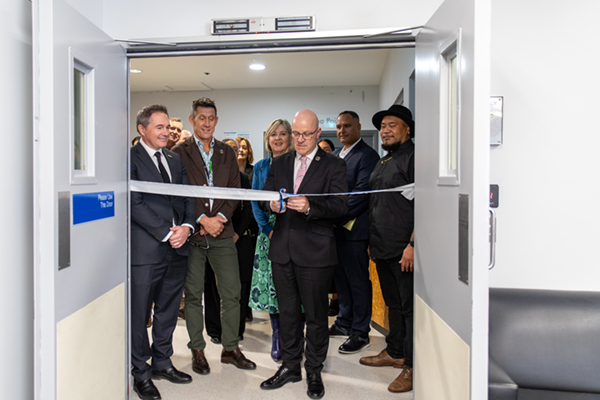 Ten new forensic inpatient beds have been made available at the Regional Forensic Psychiatric Service at Waikato Hospital to expand forensic mental health capacity for adults in prison or on remand in Health New Zealand’s Midland region.
|
| 18 May |
Strong gains in two-year immunisation target for Tamariki MāoriHealth New Zealand is welcoming a significant increase in Māori immunisation rates, with full immunisation at 24 months rising from just over 60 per cent in late 2024 to 71.5 per cent at the end of last month. |
| 15 May |
New global report shows empowering nurses is key to saving lives and strengthening health systemsAs the world marks International Nurses Day, the International Council of Nurses (ICN) is calling for urgent investment in nursing, supported by a major new global report, Our Nurses. Our Future. Empowered Nurses Save Lives, that presents seven key nursing powers. |
| 14 May |
Lakes and Whanganui nurses still waiting for Holiday Pay a decade on
Photo by Fin Ocheduszko-Brown at Whanganui Chronicle Nurses at Lakes and Whanganui districts are calling on Te Whatu Ora to explain why after a decade of redress, they still don’t know when they will receive their full Holiday Act remediation payments, NZNO says. |
| 13 May |
Recognising the extraordinary contribution of nursesInternational Nurses Day is an opportunity to recognise the extraordinary role nurses play in caring for New Zealanders at every stage of life, Health Minister Simeon Brown says. |
| 12 May |
Government’s decision to scrap fees free scheme will lead to further student exodusThe Coalition Government’s decision to scrap the fees free policy for third year tertiary students has left nursing tauira outraged |
| 30 Apr |
BroPilot grounding digital tools in whānau, culture, and care A passion for his Māori culture and a desire to make AI accessible to everyone inspired Troy Baker, Senior ICT Specialist, Health New Zealand to develop BroPilot – a culturally grounded way of working with Microsoft Copilot that reflects Māori values, whakaaro, and real lived experience.
|
| 29 Apr |
Heartbreaking tragedies were avoidable - NZNOAnalysis by a media outlet, published today, finding health care staff shortages were contributing factors in the deaths of 11 babies is a national and avoidable tragedy, NZNO says. |
| 28 Apr |
CTU launches Roving Health and Safety Representatives policy on Workers’ Memorial DayThe New Zealand Council of Trade Unions Te Kauae Kaimahi has today launched our Roving Health and Safety Representatives policy at the Workers’ Memorial Day commemoration in Wellington, with further events held across the motu in Manawatū, Christchurch, and Otago. |
| 24 Apr |
“The 80s Calling”: New national campaign challenges outdated HIV stigmaAssociate Health Minister Matt Doocey today launched Health New Zealand’s “The 80s Calling”; a provocative new campaign designed to reduce stigma, normalise conversations about HIV, and support people living with HIV. |
| 23 Apr |
Government’s attack on Māori health raised at the UNConcerns over the Coalition Government’s active reversal of policies designed to improve Māori health outcomes were raised at the United Nations in New York this morning. |
| 16 Apr |
Tribute to Professor Lester Levy’s service to healthcareHealth New Zealand Chief Executive Dr Dale Bramley is paying tribute to Health NZ Board Chair Professor Lester Levy, who finishes in the role at the end of the month. |
| 10 Apr |
Chronic health care assistant short staffing harming vulnerable patientsTe Whatu Ora’s attempt to cut costs by requiring health care assistants to carry out cohort patient watches is harming vulnerable patients and staff, NZNO says. |
| 9 Apr |
New group education clinics speeding up knee and hip surgery careHealth New Zealand is rolling out a new group education approach for people waiting for hip and knee surgery in north and west Auckland, resulting in more patients being seen sooner. |
| 25 Mar |
National Diabetes Roadmap launched to improve care, prevention, and quality of lifeHealth New Zealand has launched a new National Diabetes Roadmap (‘the Roadmap’) to improve care, strengthen prevention, and support better health outcomes and quality of life for people living with diabetes. |
| 24 Mar |
ACT should leave nursing to professionals and medical evidenceTōpūtanga Tapuhi Kaitiaki o Aotearoa NZNO Kaiwhakahaere Kerri Nuku says ACT MP Todd Stephenson has dismissed the Nursing Council’s draft code of conduct - which proposes strengthening cultural safety, whānau-centred care and te Tiriti o Waitangi obligations - as political ideology. |
| 23 Mar |
UK report reflects ICN warnings on international recruitment ripoff — now countries must act togetherThe International Council of Nurses (ICN) warmly welcomes a new report from the UK All Party Parliamentary Group (APPG) on Global Health and Security that recognizes the huge sums saved by high-income countries who recruit abroad and acknowledges the severe harms caused by unethical recruitment from fragile source countries left without nurses. |
| 20 Mar |
HPV self-test boosts cervical cancer screening ‘across the board’, new study confirmsMaking human papillomavirus (HPV) self-testing available to all women increases the number of people screened for cervical cancer, a new study led by researchers from Te Herenga Waka—Victoria University of Wellington has confirmed. |
| 19 Mar |
ICN at CSW70: Violence against nurses is a gendered crisis threatening global healthThe International Council of Nurses (ICN) has warned that violence against nurses is a global gendered crisis that threatens health systems, patient safety and workforce sustainability |
| 17 Mar |
Additional winter health care workers a drop in the ocean of needThe Government’s announcement today of 378 extra staff to help hospitals cope with winter demand is a drop in the ocean of what patients need, NZNO says. |
| 12 Mar |
Funding change will ensure more consistent emergency care for New ZealandersA simple change in how ambulance medicines are funded is set to create more consistent emergency care. |
| 9 Mar |
Questions over dilapidated and cramped renal unit forced to ration dialysisThe Health Minister must explain why after years of concerns from nurses about Christchurch Hospital’s barely functioning dialysis unit, he only stepped in late yesterday when life-saving treatment had to be rationed, NZNO says. |
| 3 Mar |
Hospitals and health workers should never be targetsThe right of health care workers to provide care during international conflicts must be protected, Tōpūtanga Tapuhi Kaitiaki o Aotearoa NZNO says. |
| 2 Mar |
Public and Mental Health Nurses settle collective agreementHealth New Zealand welcomes the ratification of the two Public Service Association (PSA) Public and Mental Health Nurses collective employment agreements for Auckland and the Rest of New Zealand. |