


TĒNĀ KOUTOU, TĒNĀ KOUTOU, tēnā tatou katoa.
Welcome to the 2020 edition of Kai Tiaki Nursing Research. As Jinny Willis notes in her guest editorial, this year has been significant for our profession. The COVID-19 pandemic has disrupted many aspects of human life that we previously took for granted, including our professional lives and usual ways of conducting research. It has also had a substantial impact on the mental and physical health and well-being of many New Zealanders – both health workers and the wider population. Collecting information about the impact the pandemic has had on our population is an important priority that nursing needs to engage with. Nurse researchers also need to examine and potentially embrace many of the changes that were forced on us by the pandemic.
We are on the cusp of new developments in the digital field and need new narratives to signpost the future direction of research, while at the same time managing the challenges digitalisation presents (Barnes, 2020; Torrentira, 2020) to both researchers and research participants. Researchers who were conducting studies at the time of the Level 4 lockdown in New Zealand found themselves faced with questions regarding the scope of their ethical approval and planned data collection methods, which were no longer fit for purpose when using digital media unless that was included in the original design. I found myself needing to move face-to-face interviews into a digital medium, which required additional ethical review to enable a different mode of gaining consent from participants and for collecting data via videoconference. As well, the research team was unable to meet to share transcribed data for the analysis stage. Further ethical review was required to explore the security of using an online “Teams site” to store data and write up the research collaboratively.
Davison (2020) explores the transformative potential of disruptions in helping researchers do things differently. As he suggests, while crises are challenging and potentially life-threatening, they also disrupt old habits, creating the conditions for change beyond what might previously have been conceived as possible or reasonable. Crises make us question previously held assumptions about how remote data collection might be constituted in research. For example, are online interviews using videoconferencing a less effective method of data collection, or are they simply different?
Using digital media to replace face-to-face data collection has four key benefits (Dodds & Hess, 2020). It is comfortable, non-intrusive and safe, engaging and convenient and easily set up. However, it also has limitations, including the absence of non-verbal communication and cues, potential challenges with setting up for researchers and participants who are inexperienced in digital media, and potential privacy and access issues. Barnes (2020) agrees that technology can also create a digital divide where some potential research participants are disenfranchised through lack of access to digital media, problems with internet connections and lack of technology skills.
Digital media does offer a unique approach to data generation (Torrentira, 2020). It is more cost-efficient and easier to organise than face-to-face interviews and offers a practical solution to the need for social distancing or geographical distance. Torrentira also identifies a variety of other relevant data collection modes available including digital diaries and reflections, and online surveys. However, the potential for transformation in response to disruption needs to be carefully and thoughtfully managed. Davison (2020) suggests that we should not try to replicate physical data collection in the virtual world. Data collected through the medium of technology will be different, and rather than imagining that online interviews are impoverished by the lack of face-to-face contact, research design needs to account for this difference. Flexibility and creativity in research design are important to enable research to continue in our current uncertain world. COVID-19 has created unprecedented insights into different ways of conducting research that have been developed out of necessity. It will be interesting to explore the methodological implications of these strategies as they develop.
Nursing workforce
Sustaining the nursing workforce following the closure of our borders to all people other than returning New Zealand citizens and residents will affect nurse migration. Internationally qualified nurses (IQNs) make up 27 percent of the New Zealand nursing workforce (NZNC, 2019). The reduction in volume of nurse migration means that our profession will have to invest in retaining nurses and growing more of our own. Research on burnout in New Zealand registered nurses (RNs) was the focus for research by Tabakakis, McAllister and Bradshaw, who found that workplace stress is implicated in nurse burnout. They suggest there is a relationship between the practice environment and repeated exposure to negative behaviours in the workplace, such as bullying. Efforts to reduce workplace stress include limiting high workloads, providing greater job flexibility and autonomy, and effective management of bullying behaviours. Ellison’s research brief shared the findings of an integrative review on RN turnover in the acute hospital setting. Findings of this review suggest that key factors in RNs’ intention to leave are a perceived lack of support from employers and colleagues, high workload and insufficient staffing, and limited potential for professional development and career advancement.
Documentation and patient safety
Timely, accurate and complete documentation is an important element of patient safety and transition of care within and between health services. Documentation is also an essential requirement for legal, organisational and professional standards for nursing practice. Briscoe and Harding used an action research approach to evaluate nurses’ use of the SOAP(IE) framework for documentation on inpatient medical wards. The findings show that heavy workloads, time constraints and a lack of understanding about how to use the SOAP(IE) framework are impediments to its application in practice. Patient safety leadership walk rounds (PSLWRs), a safety initiative that connects leaders with frontline services in hospitals, was the focus of an evaluative study conducted by Wynne-Jones, Martin-Babin, Hayward and Villa. The findings of this research suggest that PSLWRs have a positive impact on awareness of patient and staff safety, building safer ward environments, and creating a positive culture of monitoring and evaluation. However, the effectiveness of a PSLWRs programme depends on how it is implemented.
Nursing education
Innovative learning strategies have been a theme for nursing education during 2020, with the need to move face-to-face learning to online modes when all New Zealanders, except essential workers, were required to self-isolate in their homes. However, in our pre-COVID-19 world, simulation was an already well-established innovative mode of learning. Rhodes reports on research that captured undergraduate nursing students’ perceptions of participating in an escape room. Escape rooms, or “game-based” simulations, help to prepare students for chaotic and unpredictable health-care environments by promoting teamwork, collaboration and critical thinking to achieve a specific outcome. Rhodes suggests that overall, students find escape rooms to be a memorable and innovative learning experience. The research brief by Corner reports on the experiences of four IQNs who were transitioning into an undergraduate nursing programme. The findings of this pilot study indicate that IQNs experience significant challenges in adapting to new ways of learning, as well as the culture shock of living and learning in a new country. However, the participants in this small-scale study also demonstrated resilience and determination in striving to complete the bachelor of nursing and gain New Zealand registration.
People-centred care
The New Zealand Health Strategy (Minister of Health, 2016) aims to support timely and equitable access to the health services people need, preferably within their own communities. It aims to support and equip our population to be informed and involved in their health care. However, some people experience more challenges in engaging with health services than others. Research conducted by Field, McClunie-Trust, Kearney and Jeffcoat explored language and communication as a vital component of health for people with refugee backgrounds. The study concludes that there are multiple factors that affect how people from refugee backgrounds are able to interact with health services, including differences in language, culture and complexity of life experiences. The researchers suggest the health of these new New Zealanders is a social equity issue that nurses and other health professionals need to be concerned with, particularly in creating culturally safe encounters with health services. A further aim of the New Zealand Health Strategy is to create a “joined up” team approach to close potential gaps in health services. A literature review by Taylor, Josland and Batyaeva examines potential gaps in health services for people with Parkinson’s disease (PwP). The findings of this review identify incomplete understanding of Parkinson’s-specific care by health professionals, and lack of consistency in medication administration or adherence, as potential factors affecting the health and well-being of PwP. They advocate establishing a programme to educate health professionals and carers to ensure a co-ordinated interprofessional approach to care.
References
Barnes, S. J. (2020). Information management research and practice in the post-COVID-19 world. International Journal of Information Management, 55, 102-175.
Davison, R. M. (2020). The transformative potential of disruptions: A viewpoint. International Journal of Information Management, 55, 102-149.
Dodds, S., & Hess, A. C. (2020). Adapting research methodology during COVID-19: lessons for transformative service research. Journal of Service Management. (Ahead of print).
Minister of Health. (2016). The New Zealand Health Strategy: Future direction.
Torrentira, C. (2020). Online data collection as adaptation in conducting quantitative and qualitative research during the covid-19 pandemic. European Journal of Education Studies, 7(11), 78-87.
Nursing Council of New Zealand. (2019). The New Zealand Nursing Workforce: A profile of Nurse Practitioners, Registered Nurses and Enrolled Nurses 2018-2019.
Daily doses – uncut news
| 5 Oct |
Labour's pay rise a first step, but pay equity needs a full settlementTōpūtanga Tapuhi Kaitiaki o Aotearoa NZNO has welcomed Labour's promised pay rise for care and support workers as a first step. It says care and support workers now need a full settlement of their pay equity claim and a workable pay equity system for all of its members. |
| 1 Oct |
Health NZ releases first national report on serious adverse eventsHealth New Zealand has published its first national Serious Adverse Event Report, acknowledging the serious harm experienced by patients and whānau and outlining the improvements identified and actions underway to strengthen patient safety. The report covers serious adverse events reported in Hospital and Specialist Services between 1 July and 31 December 2025. |
| 25 Sept |
380 more health care workers at the end of winter too little too lateAn announcement of 380 additional nurses, midwives and health care assistants for hospitals around the country at the end of winter is too little too late, NZNO says. |
| 23 Sept |
Auckland University research finds nurse shortages increase post-surgery deaths and complicationsNew research by Auckland University has found addressing nurse shortages in post-operative care may save 182 lives a year because short-staffed wards have higher rates of potentially preventable deaths and complications after their surgeries. |
| 21 Sept |
Whanganui Hospital ED averaged 680% capacity over a week Working in an overcrowded emergency department (ED), up to 680% capacity over a week, makes staff feel overwhelmed with the pressure, Tōpūtanga Tapuhi Kaitiaki o Aotearoa NZNO says.
|
| 14 Sept |
WellSouth's Newborn Enrolment Kahu Taurima Programme a finalist at the Primary Care Awards 2026WellSouth's Newborn Enrolment Kahu Taurima Programme is a finalist at the Primary Care Awards for the HALEO Best Supplier Service, Product or Campaign category. Winners will be announced on 17 October. |
| 14 Sept |
Global Study: Nursing Shortages Require Workforce Policy Solutions, Not Recruitment Campaigns AloneWhy people choose nursing, and why they leave, comes down to the same factors. The global nursing shortage cannot be solved simply by encouraging more people to enter the profession, according to a new evidence brief. |
| 8 Sept |
Overworked, understaffed Gisborne ED staff strike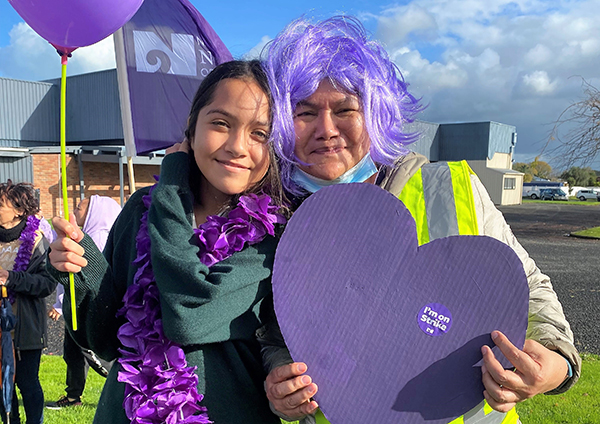 Health and safety concerns arising from unsafe staffing levels have forced nurses at Gisborne Hospital’s emergency department (ED) to go on strike.
|
| 4 Sept |
Strong growth in wāhine Māori and Pacific women’s cervical screening rates highlights success of self-testing programmeCervical screening participation has increased significantly for both wāhine Māori and Pacific women, reflecting the strong impact of self-testing, Screening Services and the dedicated efforts of health providers working alongside their communities. |
| 4 Sept |
Government must adopt Wai 2713 recommendations on disability systemThe Coalition Government must urgently adopt new recommendations from the Waitangi Tribunal which has found significant parts of the disability system prejudice tāngata whaikaha Māori (Māori with disabilities), NZNO says. |
| 31 Aug |
Employing graduate nurses will help keep them in nursing and the countryA new proposal that will require Te Whatu Ora to offer all eligible graduate nurses jobs in the public health system will help keep them in nursing and in Aotearoa New Zealand, NZNO says. |
| 26 Aug |
Health Minister’s claim Winter Plan ‘managing well’ delusionalHealth Minister Simeon Brown’s claim that hospitals are ‘managing well’ because of the Government’s Winter Plan is delusional, NZNO says. |
| 25 Aug |
Hospital data shows nursing shortages continue to put patients at riskTe Whatu Ora data released today shows patients are continuing to be put at risk by the Coalition Government’s deliberate failure to safely staff hospital wards, NZNO says. |
| 24 Aug |
Fed-up North Shore ED staff declare state of emergencyNZNO members working in the emergency department (ED) at North Shore Hospital have declared a state of emergency due to unsafe staffing levels resulting in ongoing overcrowding. |
| 19 Aug |
What happened to the winter health plan?The $25 million 2026 Winter Plan launched by Health Minister Simeon Brown in March to erase pressure on the health system has been an unmitigated disaster, Tōpūtanga Tapuhi Kaitiaki o Aotearoa NZNO says. |
| 11 Aug |
Applications open for advanced nursing education programmesHealth New Zealand is encouraging registered nurses to apply for two advanced education programmes that support nurses to further develop their clinical skills and expand access to care in communities across New Zealand. |
| 3 Aug |
Health New Zealand welcomes settlement of NZRDA collective agreementHealth New Zealand welcomes the vote by New Zealand Resident Doctors Association (NZRDA) members to settle their collective agreement. |
| 30 Jul |
Backing our frontline rural health workforceRural communities across New Zealand will benefit from three new investments that will support the rural health workforce and help more people access care closer to home, Associate Health Minister Matt Doocey says. |
| 22 Jul |
Te Whatu Ora must disclose staffing levels at time of tragic deathTe Whatu Ora must disclose whether the Waikato emergency department (ED) was short-staffed at the time a man tragically died in the waiting room, NZNO says. |
| 6 Jul |
Reflecting on IND 2026Looking back on last month’s International Nurses Day 12 May 2026 (IND 2026), the impact of this year's theme "Our Nurses. Our Future. Empowered Nurses Save Lives" continues to resonate across the world. ICN’s landmark IND 2026 report defined seven key powers of nursing and this message has been strengthened with nurses in every region celebrating, naming, and owning their powers throughout May. |
| 3 Jul |
Health New Zealand acknowledges Ombudsman statement on Wakari Ward 10AHealth NZ welcomes the independent investigation by the Ministry of Health into Ward 10A. On Wednesday the Health NZ board agreed to close Wakari Ward 10a as a forensic intellectual disability (ID) unit, with the future use of the ward yet to be determined. |
| 2 Jul |
New programme to fast track bowel cancer care and cut colonoscopy waitlistsHealth New Zealand is today launching a national initiative, designed to fast track bowel cancer care and reduce colonoscopy waitlists by up to 30 per cent. |
| 1 Jul |
Six new Co-Response Team locations announced to strengthen support for people in mental distressThe next six locations for Health New Zealand and NZ Police Co-Response Teams have been confirmed, expanding a model that helps people experiencing mental distress receive timely, wraparound support that better meets their health needs. |
| 29 Jun |
Mental health and addiction targets progress continuesHealth New Zealand continues to make important progress against its mental health and addiction targets, meeting four out of five national targets this quarter. |
| 25 Jun |
Access to care continuing to improve across a range of health indicatorsNew health data released today shows continued improvement in access to care across a range of health indicators. |
| 18 Jun |
Funding "boost" continues dangerous under-funding of aged careThe Health Minister’s funding "boost" for aged residential care continues underfunding to the sector and will continue unsafe practices and short staffing, which is putting vulnerable residents at risk, NZNO says. |
| 16 Jun |
Labour to make maternity scans freeLabour will add free maternity scans to the Medicard alongside three free doctor’s visits a year, so every pregnant woman gets the care she needs. |