
Nurses forced to quit by workload pressure, patients driving hundreds of kilometres just to get a GP appointment — a community’s nurse has delivered a sobering speech on the human cost of privatisation.


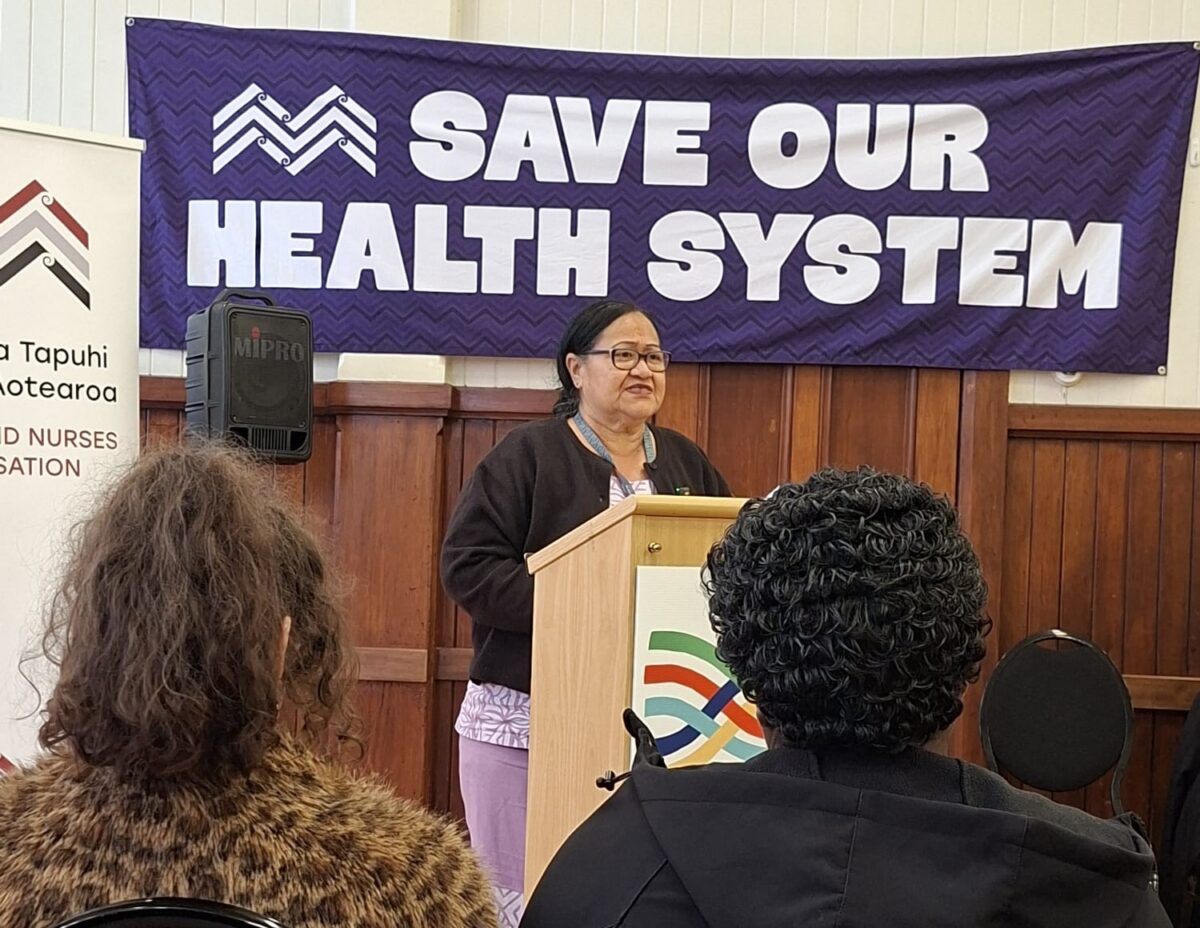
NZNO delegate Lupe Kelekolio, a primary care nurse in Palmerston North for coming up to half a century, spoke at the launch of Who owns the health system?, a report into health-system privatisation.
It revealed that nearly half of public health funding was being “consumed” by the private health sector.
Kelekolio was a long-term conditions nurse at THINK Hauora, a Midcentral PHO that put “whānau and community” at the centre of its mahi, she said.

However, Kelekolio had seen first-hand the impacts of corporatisation on nurses and patients elsewhere in the community.
“One GP clinic in my district was bought out by an American corporation. Several nurses have now resigned saying huge workload pressures are risking the safety of their patients.”
Other patients including some in Palmerston North couldn’t afford local general practice doctors (GPs), instead using iwi provider Ora Toa (Ngāti Toa) in Porirua — 125km away.
Ora Toa fees were capped at $20 for community service card holders, and $30 for everyone else, she said. “Sometimes patients can only attend video consultations because the cost of getting to Porirua is too much.”
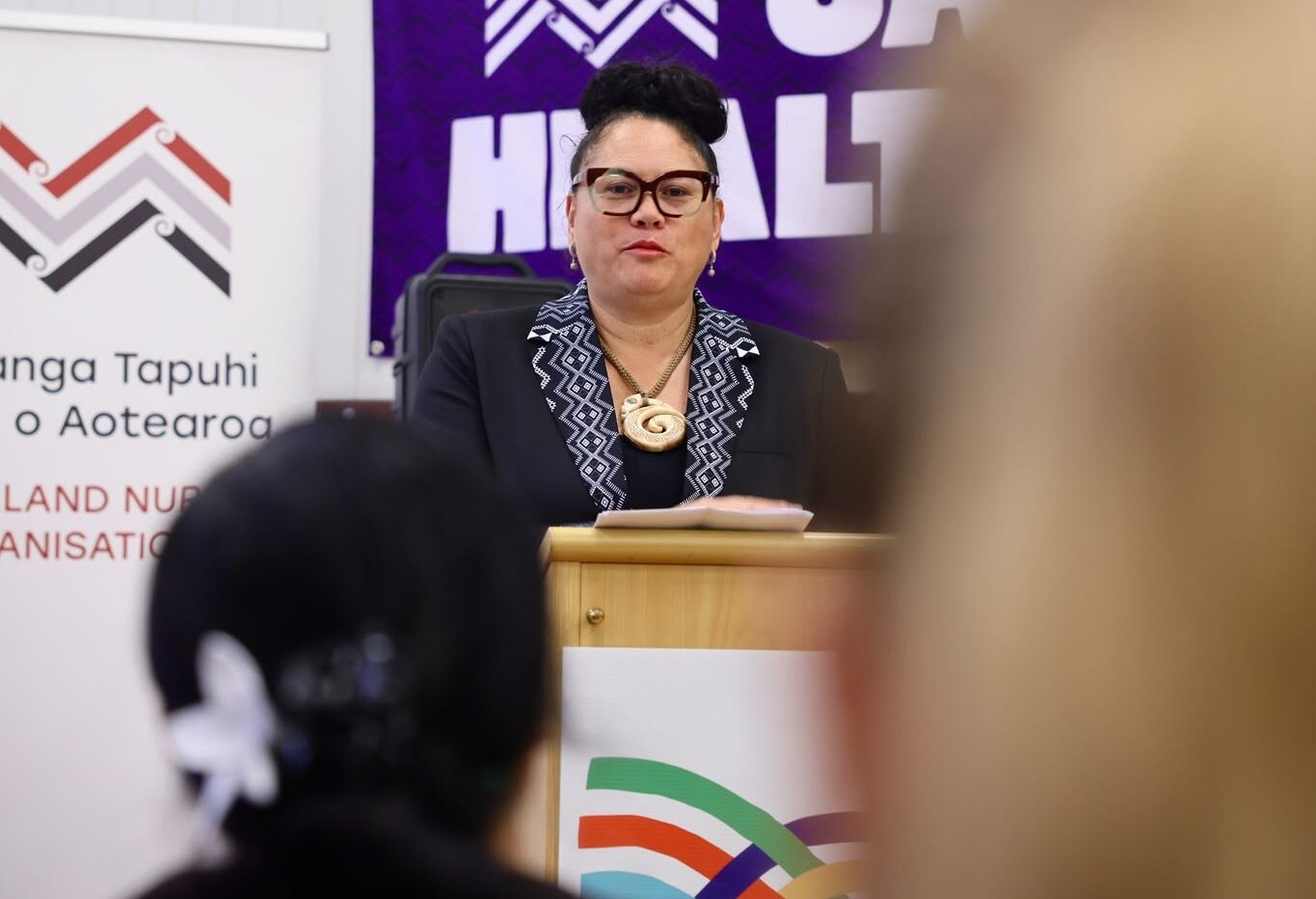
Speaking to Kaitiaki after her speech, Kelekolio said there was always a story behind numbers like those in the report.
“There’s whānau and there’s communities behind those numbers . . . people are not just numbers. They’re people, they’re families, they’re the reason for us being here.”
The report said that 80 per cent of the increase in public health spending over the last three years was funneled into the private sector.
Of the combined $31.9 billion Te Whatu Ora-Health NZ and ACC public health spend, $14.8b went to private sector providers.
Privatisation was no longer “creeping” into the health system, the report said, it had already bolted. “Almost half of public health spending – 46.4 per cent in 2024/25 – is now being consumed by the private sector.”
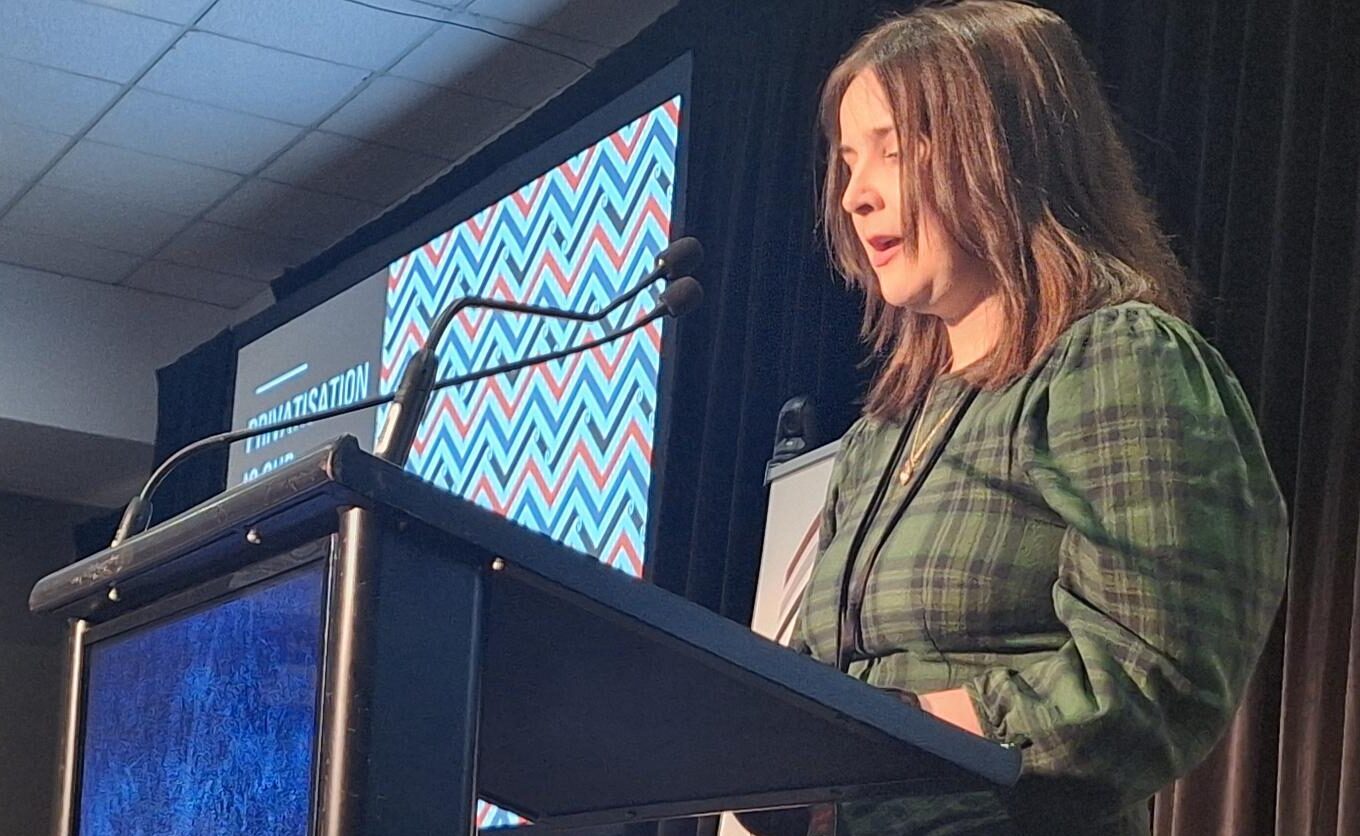
Meanwhile the private sector was lurching towards increased “corporate consolidation” with fewer not-for-profit organisations in the mix.
Report researcher Edward Miller said corporate providers had to maximise shareholder returns at the expense of safe staffing, wages, equipment and patient care.
Public funding now flowed to health-care providers controlled by asset managers, pension funds, private equity funds, and multinational corporations, the report said.
Just normal GP clinics: financed via the Caymans
NZNO senior strategic researcher Nathalie Jaques spoke at this year’s annual conference about the growing impact of corporatisation in primary care.
Corporate ownership jumped from 14 per cent of practices in 2022 to about 25 per cent this year. This came after US private equity giant TPG’s acquisition of Tāmaki Health, and Tend’s purchase of The Doctors.
‘One GP clinic in my district was bought out by an American corporation. Several nurses have now resigned.’
The report revealed more details about the purchase.
“The debt-funded Tāmaki Health deal appears to be structured through the Cayman
Islands, borrowed at roughly double current public borrowing rates,” the report said.
Government was swapping “transparent and accountable” public-health borrowing, for vast amounts of higher-cost debt taken on by private businesses.
It was still being repaid through public cash — but the profit incentive, a legal obligation for these entities, conflicted with “high-quality, accessible, and equitable health services”.
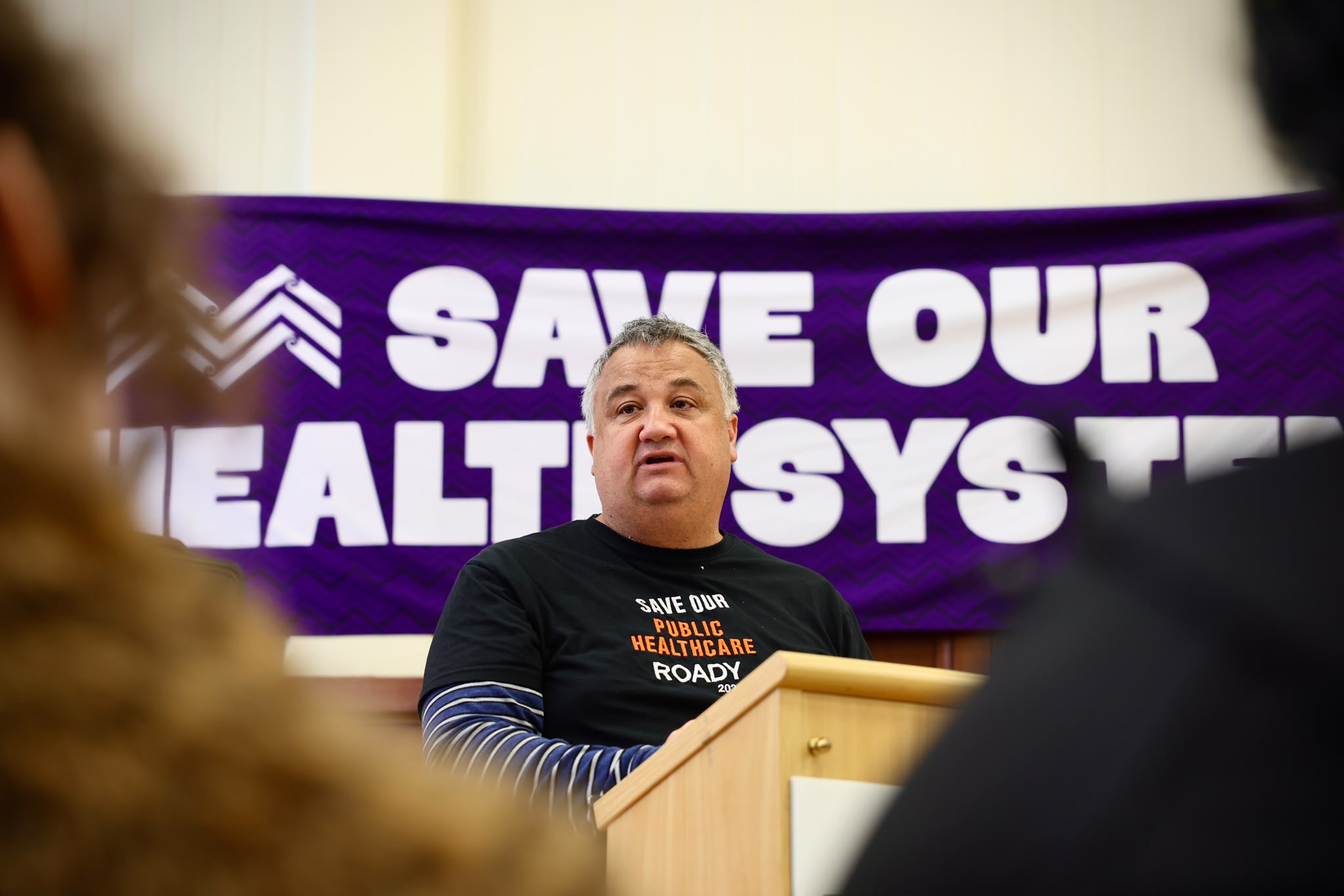
Kelekolio said when care was limited because of underfunding or staff shortages, “it causes delays for us who struggle to afford it”.
That, she said, was when cracks appear. “And when our whānau fall through the cracks, they suffer.”
Kelekolio said she believed that nurses on the frontline were casting a safety net, woven from different strands.
“Each strand represents all the different sections of our health system. Woven together we stand and work as one.”
By the numbers
- Public money now accounts for 55 per cent of general practice revenue, up from less than half in the last two years.
- Public money makes up about 45.3 per cent of private hospital revenue, up from about 35 per cent five years ago.
- Public money accounts for about 76 per cent of aged residential care revenue,
yet almost all facilities are privately owned.
– Who owns the health system? How public finding is driving private profit Commissioned by NZNO, the Public Service Association and the Association of Salaried Medical Specialists.