



Coroner Ian Telford today released his findings into the 2020 death of Leonard ‘Len’ Collett — slamming chronic understaffing and saying the risk of another “catastrophic event” remains high.
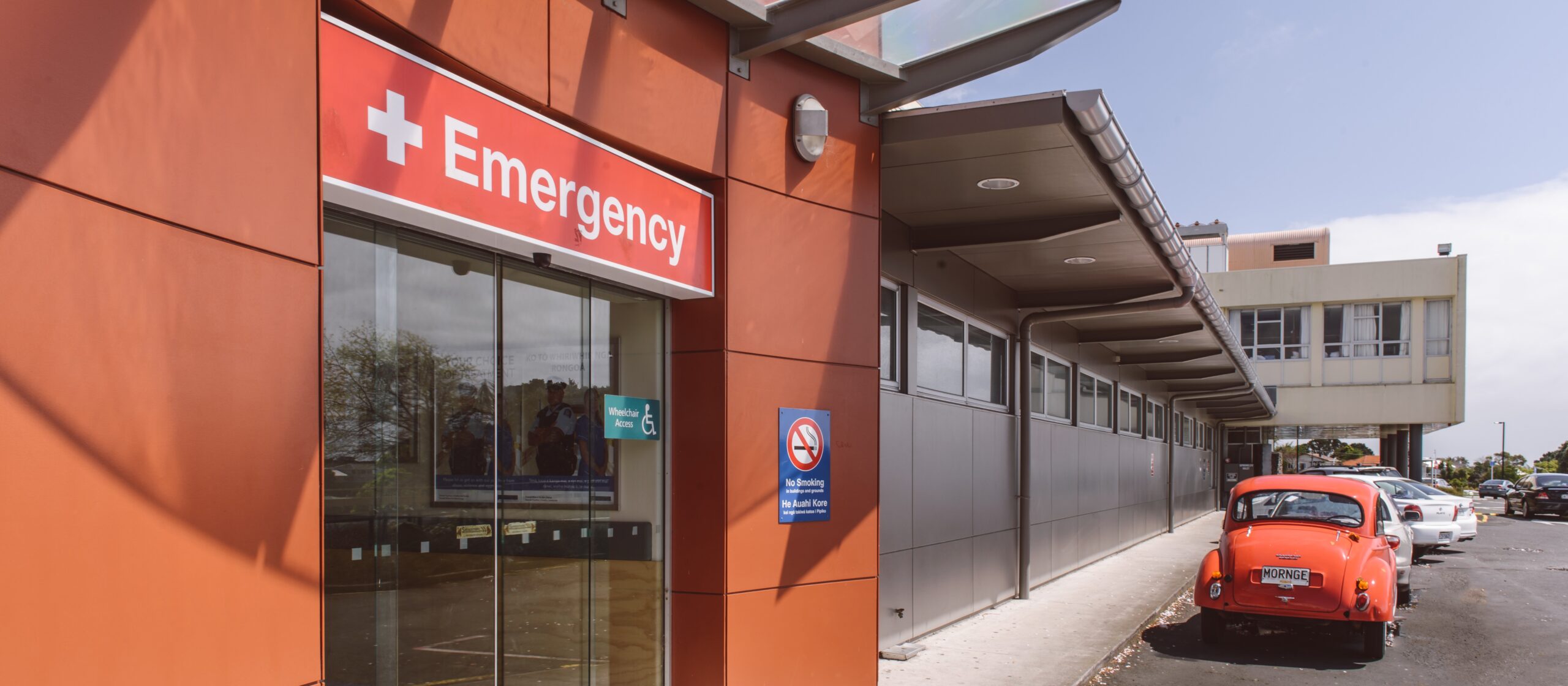
Collett, 78, died from from head injuries sustained when he fell with a loud bang from his bedside at the Taranaki Base Hospital emergency department (ED) on July 16, 2020.
The coroner’s report said he was taken to the ED at about 5.30pm after becoming increasingly short of breath. His blood pressure was low and continued to go down over the evening.
It was known on admission that he was anaemic, had heart failure and decreased mobility, the coroner’s report said.
At about 10.10pm he was seen struggling back to his bed after going to the toilet. A nurse went to get a wheelchair to help — however, while the nurse was gone, Collett decided to return himself to his bed.
He was then seen sitting on the end of his bed: about a minute later “a loud bang was heard, and Len was found on the floor in a collapsed state”. Collett was immediately assessed as critical but treatment and resuscitation efforts failed.
Telford’s report said the ED was short 15 full-time equivalent staff as at May this year — as per care, capacity and demand management (CCDM) numbers. This was still the same baseline staffing as 2020, when Collett died.
HNZ Taranaki’s service lead for medical and acute services, Claudia Matthews, who gave written and oral evidence, said funding to recruit into these vacancies has not been approved.
There were 32 patients — nine over the department’s physical capacity — when he arrived at ED. By 10pm there were 26 patients — three over capacity, with 70 percent at high acuity.
While the ED was fully staffed on the night, two team members were casual staff redeployed from an inhouse pool. Having two non-permanent staff was an “added tension” to the dynamic in the department, according to expert evidence.
There was previously a person charged with reviewing fall events and coming up with solutions but this role was cut in 2022 or 2023, Matthews said.
Matthews said ED nurses intuitively knew how to care for patients at risk of falling — but generally speaking there were not enough of them to do what was required.
There would be even less oversight of patients in the ED in future as funding cuts had ended the Friends of the ED volunteer scheme run by St John, Matthews said.
No solution without systemic change
Telford found that Collett’s death was both foreseeable and preventable. “Shortcomings in the nursing care provided in the ED at the time directly contributed to his fall.”

Improvements were underway to nursing processes in this clinical setting, but their impact was limited without broader systemic changes, Telford said.
“Put simply, if this emergency department continues to operate without adequate staffing and an appropriate skill mix to safely care for and monitor patients, the risk of another catastrophic event occurring remains high.”
Telford said that at the very least Collett’s death put a human face to the consequences of “consciously deciding” to operate an ED with 15 fewer full-time staff than required.
It was “stark, and its effects “alarming”, Telford said. “Shifts will continue to be run with excess presentations, with the same baseline staffing that was available at the time of Len’s death.”
Telford said Collett’s death, and the trauma surrounding it, “continued to be deeply felt by his wife, family, and all who knew and loved him”.
“He never wanted to put anyone out with his care or be disruptive. He was even like that when I was caring for him – always wanting to put my needs first.”
Some staff members might be left questioning their role and future within a health-care system “in such urgent need of their dedication and expertise”, he said.
Telford would send his findings to the Ministry of Health and Health NZ leadership teams, “both of whom are responsible for high-level policy, funding, and decision-making in this area”.
The September 25 inquest into his death included a written statement from his wife, Vicky Collett, who said they were married 39 years and “had a lovely life together”.
“Len was well liked and respected by everyone. Len had a great sense of humour and a real way with words. He was sociable but a straight talker as well. He treated everyone the same regardless of their background.”
Vicky Collett said they ran pubs for 20 years. Len Collett had retired at 67 due to health problems — she had been working as an in-home care giver.
“He never wanted to put anyone out with his care or be disruptive. He was even like that when I was caring for him – always wanting to put my needs first.”
Recommendations for Taranaki ED
Telford had a raft of recommendations to reduce falls risks. Including:
- Revise the patient casualty card (CAS card) falls risk assessment to include a dated and timed set of screening questions and a global nursing assessment. (Possible questions along the lines of ‘have you fallen in the past?’)
- Adapt the CAS card and departmental policy to require nurses to routinely assess falls risk at triage or at the same time as their primary assessment.
- Revise current policy and improve staff education to foster a culture where falls risks are communicated to patients, family and staff using direct, focussed, and targeted language.
- Consider using non-clinical staff to boost safety for vulnerable patients, particularly during high demand.