
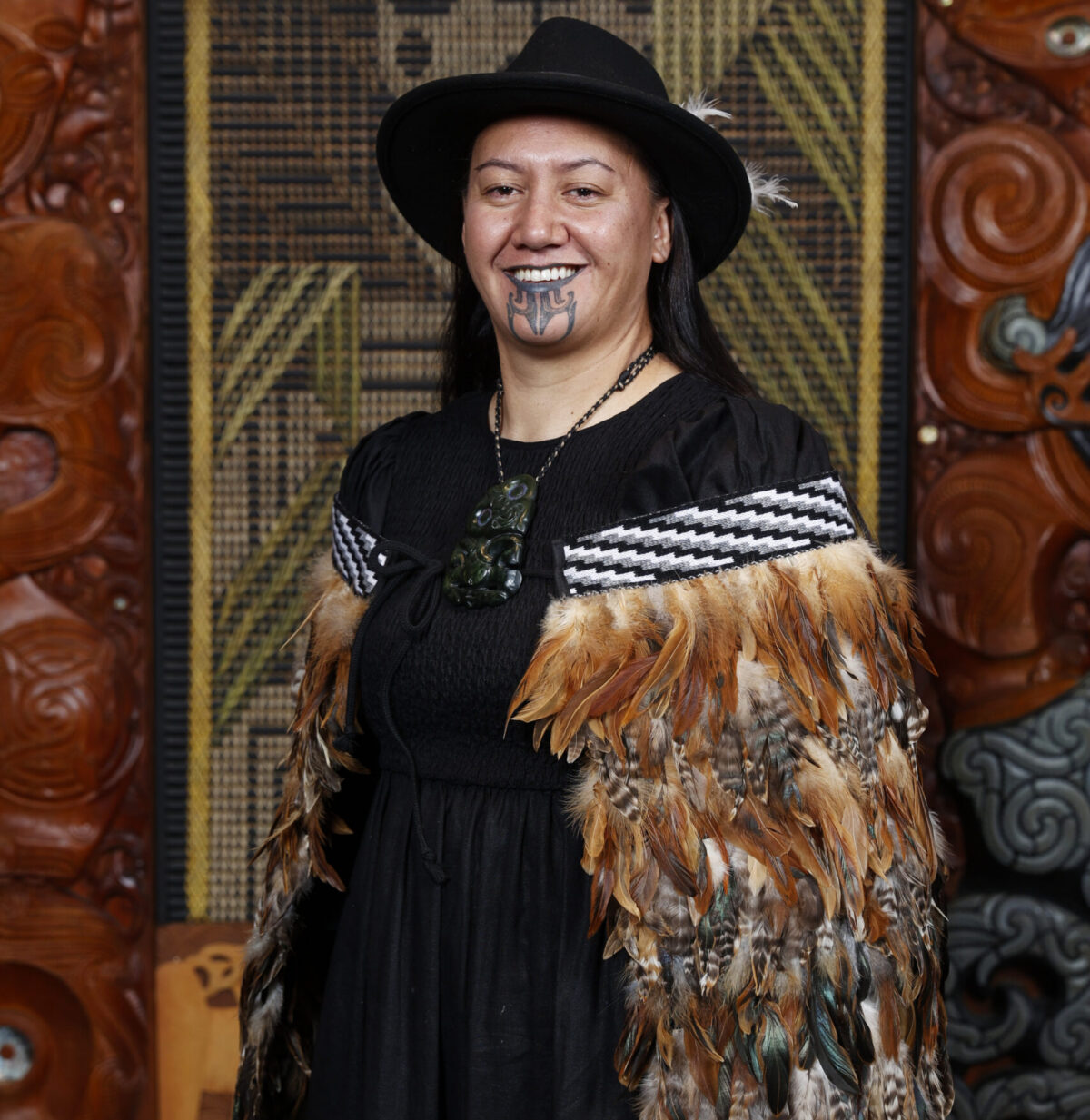
The 2026 nurse practitioner (NP) intern of the year has spoken to Kaitiaki about her life in primary health care, her love of the mahi — and her awakening self-belief.
Just getting nominated was a shock — now she wants to help other nurses ditch any doubts about their potential.
Marino was born and bred in Ruātoki, a small rural community about 20 kilometers inland from Whakatāne, but has lived in Rotorua for about 16 years. It’s still close enough to whānau — but with just enough separation too, she said with a laugh.
Marino said her dream as a nurse had always been to serve and look after her people. A career in primary health was one of the best ways to do that — being “the ambulance at the top of the cliff”.
“I love this space because you’re able to build that ongoing relationship with whānau, and you might work with generations of whānau over the years, so building up that long-term rapport.”
The NZNO Te Rūnanga member has been a nurse for nearly 12 years, and is completing her year-long NP internship — clinical practice, with clinical mentorship — at Western Heights Health Centre.
Even before Marino started her NP journey she was lucky enough to be rubbing shoulders with Māori NPs who encouraged her to think about becoming one too. “I thought it was far-fetched, I thought it was unobtainable. Although others see a lot of potential in myself that I don’t yet realise or see in myself.”
Then came the one really difficult academic paper that changed her thinking completely.
It was 2023 when she was mid-way through a post graduate diploma to become a nurse prescriber, which included a dreaded pharmacology paper. Everybody warned her it would be challenging.
“I thrived in that paper and the self-belief switch just flicked on. I thought ‘actually I am intelligent, I am clever, I do know things’.”
Mum’s always right
Now she’s completing her NP qualification, but her career started down a different path.
Marino’s mum, Tangi Thrupp encouraged her to consider nursing while she was at high school, but she decided to train as a physiotherapist in Auckland instead. That fell through when all her course friends quit and left her feeling a bit “mokemoke” (lonely).
Her mum mentioned a massage certificate course in Tauranga, so she returned to the Bay of Plenty and completed that instead. She eventually got sick of earning peanuts and her mum planted the seed again, saying there was a nursing school in Rotorua, “‘how about you go to nursing?'”.
‘I thrived in that paper and the self-belief switch just flicked on. I thought ‘actually I am intelligent.’
At Waiariki Institute of Technology, now Toi Ohomai Institute of Technology, she met nursing educator Liz Rameka, “and she just had this warm greeting that I felt at home”. Within five weeks of starting, Marino knew it was meant to be. “And I finally admitted to my mum, ‘oh mum you were right’, and haven’t looked back since.”
This year she has faced the intensive challenge of the NP internship, “they all speak of it”, she said. “I still feel humbled every day actually, I don’t know everything, and it’s ok not to know everything.
Her mahi demanded that she broaden her “differential thinking” — the systemic approach to considering symptoms — when it came to diagnosing a patient.
“This year has been a lot more around the what-ifs, ‘what else could this be?’, and ‘how do you know it’s not that?’. That’s where a lot of my growth and learning is coming from.”
Looking ahead, Marino said the world is the NP’s oyster — there were real advantages to having one in a team, “not only because they’ve got the added clinical knowledge, but I think the empathy that nurses practise with”.
“It’s been taught to us quite early in our journey so it comes quite naturally — trust and rapport-building happens quite fluidly.”
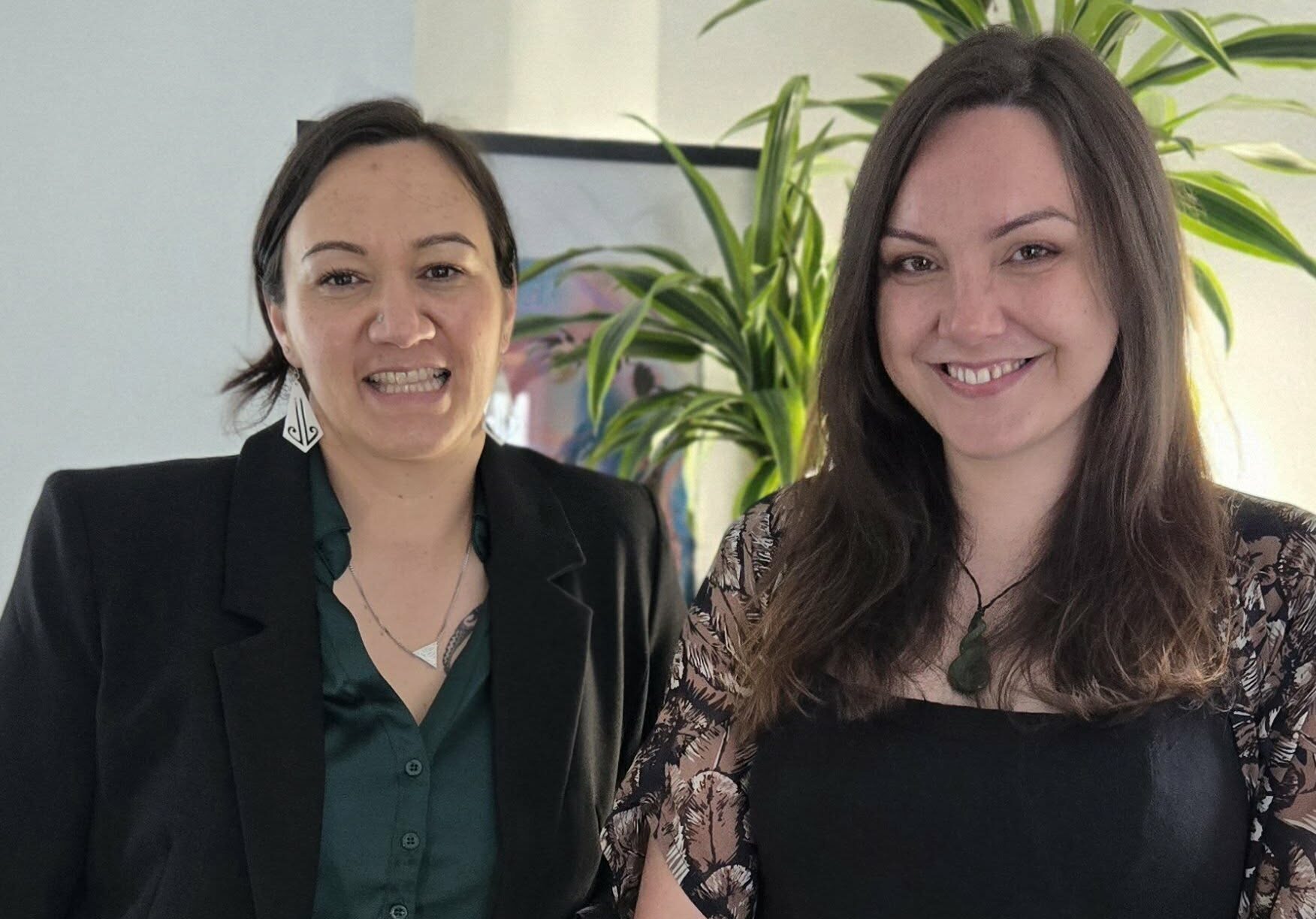
Plus there were other options for NPs — including setting up their own practices, like the low-fees Tau Oranga Health Care practice in Rotorua run by Māori NPs Jayme Kitiona and Jacinda Childs.
NPs — the best of nursing and medicine
Speaking to Kaitiaki, Kitiona said Māori NPs were already making a significant impact for Māori health, and this would only grow.
NPs brought together the best of nursing and medicine, and Māori NPs brought an additional strength “through our whakapapa, lived experience, and te ao Māori”.
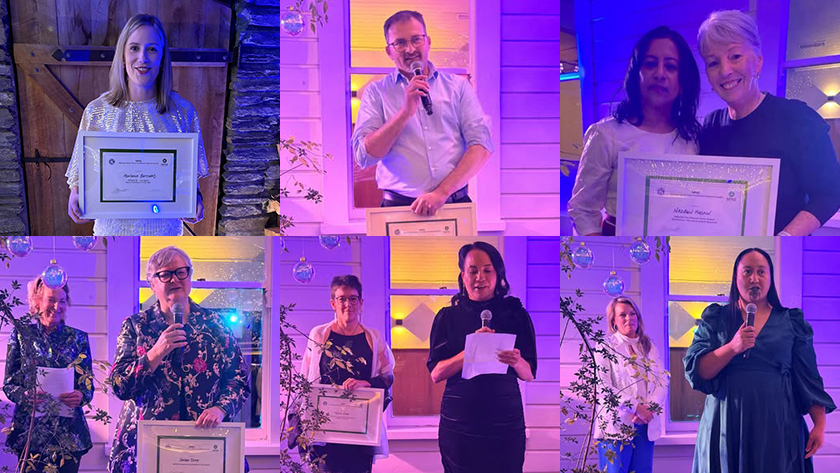
“Turuhira absolutely embodies these qualities. She is passionate, dedicated, and leads with humility and aroha.” Marino was incredibly deserving of the award and “we’re honoured to be supporting her journey”, said Kitiona.
And as for that award — to be honest, Marino had no idea that she was being nominated, and it wasn’t something that she was super keen on: thinking she’d have pressure on her at a national level. “I went on a little crusade — who put me under the spotlight, who did this to me?”
Eventually she found out it was her University of Auckland lecturers who nominated her. “I was so humbled and lost for words . . . to have it come from my nursing lecturers . . . again I don’t see the potential in myself but others certainly do.”
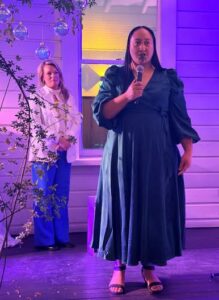
When she received the award she told the audience she took it because of those who had paved the way there, and those who were to come. “I accepted it to provide visibility for other Māori nurses who might be considering early on, ‘I could never fathom that for me, I don’t think I’m clever enough’.”
‘I was so humbled and lost for words . . . to have to come from my nursing lecturers . . . again I don’t see the potential in myself but others certainly do.’
If she could do it, said Marino, they can too.
“Try and get rid of the thoughts. ‘am I worthy?’, ‘can I do this?’, that’s where I’d like to make a shift in those who might doubt themselves — that they can do this.”