


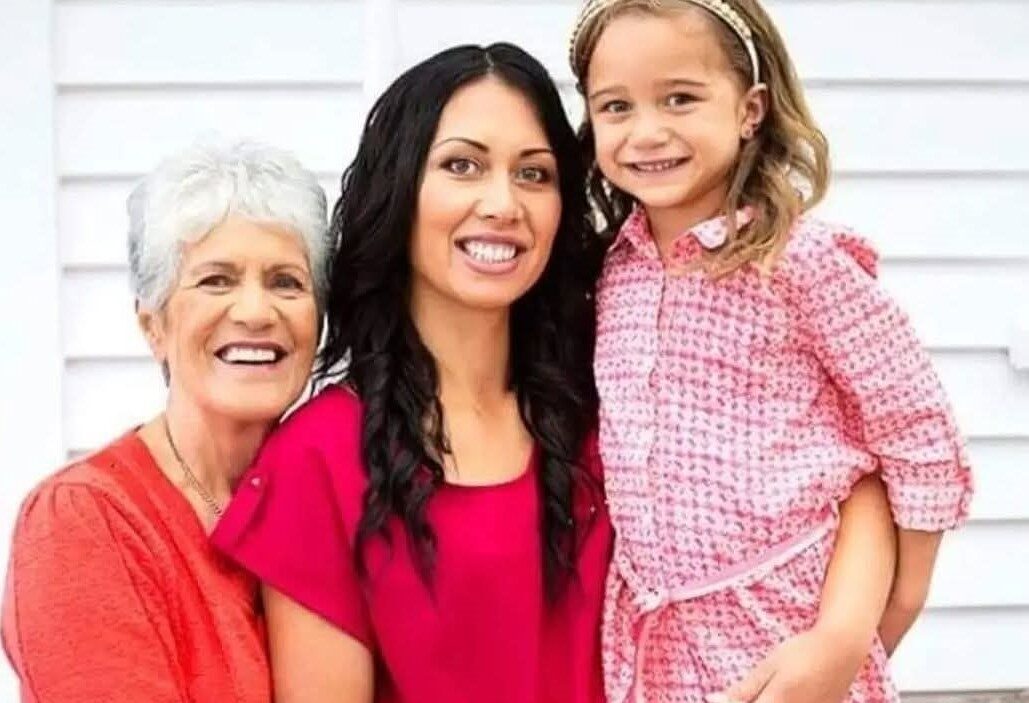
Model welcomed by Māori aged care leader
Tracey Morgan, RN and NZNO aged care national committee chair said she welcomed Morrison’s plan — and that an alternative aged care model was needed for Māori.

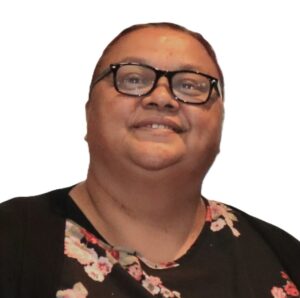
“There was a time when it was unheard-of for Māori to be put into rest homes but more kaumātua are heading there, reluctantly. Many aren’t confident about these places — they and their whānau are worried, scared and voiceless so a model like this is very-much needed.
“For Māori, kaumātua aren’t just old people. They’re taonga, the closest thing we have to our ancestors.”
Morgan said she applauded Morrison’s plan to include nurses in the design of the model.
“Mariana is right. Nurses lead the way in the care for our kaumātua because of the empathy and security they provide.”
Dr Mariana Morrison was shattered when her whānau had to send her grandmother to a rest home.
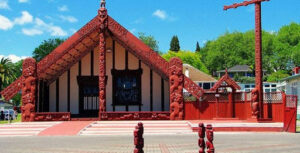
It was only a few minutes from away the papakāinga or traditional Māori village at Ōhinemutu in Rotorua where Lady Kuia Morrison spent most her life. But still a “strange environment.”
“My nanny had mate wareware [dementia] and it progressively got worse and unmanageable for our whānau – her needs were high complex. If I had the skills and capability of a nurse, I would have done it myself,” Morrison says.
“It was hard to admit that we couldn’t look after her anymore, that her illness required specialist care we couldn’t give her.
“And while all the staff at the care village were absolutely amazing, it was difficult for us as Māori to entrust her to strangers in a strange environment.”
Māori families rarely send their elderly to rest homes, and the data proves it with only three per cent of people in aged care residential facilities throughout the country identifying as Māori, Morrison says.
It was at this point that Morrison became inspired to create a model for Māori aged care, at home and in a facility, using the knowledge she gained a few years earlier from her doctorate in tāngata whaikaha (people with disabilities) and the cultural values she was raised with.
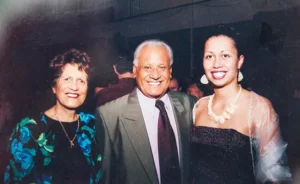
Morrison’s grandfather is the late Sir Howard Morrison – one of the country’s most loved entertainers – who passed in 2009, several years before his wife was diagnosed with mate wareware.
Both Sir Morrison and Lady Morrison were respected kaumātua within the Rotorua-based tribe Ngāti Whakaue and while they have died, their granddaughter’s determination to help other elderly Māori with high complex needs is still strong.
In te ao Māori, kaumātua are respected elders who play a vital role as repositories of knowledge, tradition and leadership within their whānau, hapū and iwi. They are not just elderly individuals.
Building a unique workforce
Before even trying to find land or money to enable Morrison’s dream, she looked at the type of workforce that would be needed for a kaupapa Māori based home aged care model, in the homes of kaumātua and in a facility on land they connect or whakapapa to.
She got talking with her aunty who has a background in developing qualifications.
“My aunty created a bespoke level-4 qualification within the ao Māori context in partnership with what was the then Lakes DHB and Ministry for Social Development to start designing a programme that would help us build a unique workforce, both culturally and clinically fit for purpose.
“We know that this workforce must be paid properly – pay parity and this tohu [qualification] will ensure they get that, should our iwi decide to stand up such a facility.”
About 36,000 people are employed by the aged care sector including caregivers or kaiāwhina and registered nurses.
“I have already started to engage with local kura and high schools in Rotorua to promote the tohu to their students or at least get them thinking about a career pathway in Māori-based care.
“These students have been raised in Māori language and culture. Things like manaakitanga come so naturally to them, so it makes sense to begin there in terms of building a very unique workforce.”
Feedback Morrison has received so far included kaumātua and their whānau not expecting every staff member to be Ngāti Whakaue or even Māori.
“It’s important the staff are qualified and trained, that they have the clinical and cultural competency but actually, at the end of the day, our whānau really just need to know they can support them with aroha and manaakitanga.”
And the nurses?
Morrison envisaged nurses having a very special role to play in the model, where they can be heard while the canvass is still clear and nothing has been set in concrete yet.
“I am already talking with our local Māori health providers who have some of the best nurses in the city working for them. They are keen to collaborate – to help or even lead the clinical support that our kaumātua and their whānau will need in their own homes in our village and that we will need at the care facility, still in our village.
“There will be a space in this kaupapa not just for nurses to work with our kaumātua, but help us design this kaupapa, particularly when it comes to clinical care. We’re mindful many of them will likely have conditions like my nanny,” Morrison says.
Getting iwi buy in
Last year, Morrison approached the entities and incorporations within Ngāti Whakaue to start a serious conversation about aged care.

“I asked our leaders, what happens when our kaumātua get to rest home and hospital-level care? How do we keep them at home as long as possible? And what does that continuum of care look like by our own, for our own?”
Those questions resulted in the Ngāti Whakaue Education Endowment Trust commissioning Morrison to look further into the matter.
“I’m on the final month of the research, and have been given the opportunity to release the findings when our people gather for a large annual meeting in a few months.
“At that hui we will likely get a really good idea of the numbers of kaumātua needing this kind of support.”
Her research has involved interviewing kaumātua and whānau, assessing the iwi’s cultural, economic and educational capacity and capabilities, and exploring ways to “de-colonise” western-based aged care models.
Who will pay for it?
Morrison said Te Whatu Ora does not fund new builds or infrastructure for aged care, so she would need to “get the collective iwi on board.”
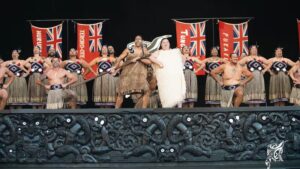
“We can do this. We already have the land, and it will take financial investment from our iwi to stand up the facility.
“Right now, our iwi is standing up hundreds of affordable homes on our ancestral land for our whānau and kaumātua, so the time is right to bring this kaupapa to life.”
Morrison said a partnership with the Government will still be needed, just like current aged care residential companies Bupa and Oceania have to cover operational costs.
Profit driven?

Aged care is big business. Bupa alone has earned $3.3 billion in revenue and $293 million in pre-tax profit in the past decade.
But Morrison is proposing a very different approach to those companies.
“I am looking at a care village that isn’t profit driven, that cuts even and that’s self-sustaining. I am more worried about people, not the money.
“Feedback from our whānau tells us they can’t afford what’s currently out there. Some whānau are paying $2500 a month because their kaumātua don’t qualify for the government subsidy.
“Some of them have assets which count them out but that they can’t sell because they want to leave something for their children.
“It’s shameful that these kaumātua have worked all their lives, paid their taxes and when they need the support the most, it is not there. So, these kaumātua are right at the front of my thinking at the moment.”
Morrison said it would be up to the tribal entities which pay to stand up the facility, to decide whether or not they would expect any financial returns from the facility.
“Our iwi has a great record for sharing what we have with the wider community.”
“There is an opportunity from an investment perspective because not every single resident is likely to be Ngāti Whakaue, but that’s above my pay grade to determine that right now.”
Keeping kaumātua in the village
Just recently, Ngāti Whakaue established its newest papakāinga called Manawa Gardens on ancestral land in eastern Rotorua.
A papakāinga is a housing village of Māori who descend from a common ancestor.
And it is here where Morrison is proposing the “for Ngāti Whakaue by Ngāti Whakaue” aged care village be located.
Over the next four years, a total of 240 affordable rental houses, mainly for tribal members, are planned. So far, 13 houses have been built especially for kaumātua.
“My goal is that our kaumātua will still be part of the village within Manawa Gardens where we can transition them from their houses to the care facility, if or when their whānau can no longer care for them.
“Our goal is to keep those kaumātua under the care of their immediate family members in their own home for as long as possible. And that’s where we will use local Māori health providers to wrap around them and their whānau with the clinical side of things.”
Not forgetting about them
Dr Makarena Dudley (Te Rarawa, Ngāti Kahu) is a clinical neuropsychologist and senior lecturer in the school of psychology and deputy director Māori for the Centre for Brain Research at the University of Auckland.
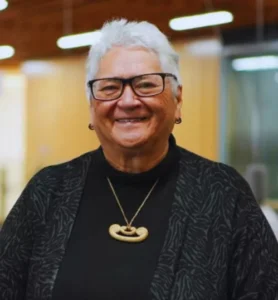
In 2025, she was appointed a Member of the New Zealand Order of Merit for services to people with dementia, particularly Māori.
“That’s the dream! I’m excited to hear that an iwi is taking serious steps to develop a model that’s right for their kaumātua and whānau.,” Dudley says.
She recently wrote a report for the Ombudsman recommending that aged residential care be designed more for Māori.
“In this country right now, these residential facilities are foreign to our kaumātua and when the resident has a condition like dementia, their response to these strange places and people can be very negative.
“Keeping those kaumātua around the places they know and the people they know, is a far better approach.”
Dudley is currently leading a nationwide study to assess the prevalence of dementia in the Māori population, which she hopes will be completed next year and can inform Māori and health leaders of how many Māori people are affected.
About two years Dudley developed a tool to help GPs and nurse practitioners diagnose mate warere in their Māori and Pacific patients. It is called MANA.
*Morrison has been working at Te Whatu Ora — Health New Zealand as a senior local Community Integration Manager for commissioning for two years, since leaving Te Aka Whaiora. She noted that her passion to develop a Māori aged care model began long before her employment with Te Whatu Ora.