


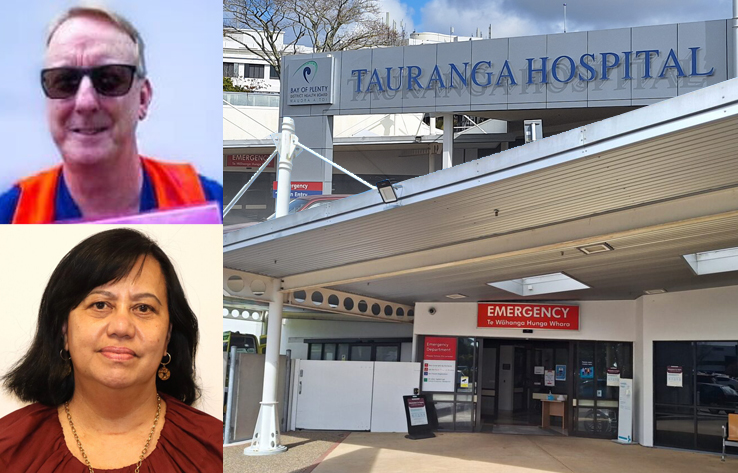
A letter from 104 ED workers to Te Whatu Ora-Health NZ (HNZ) chief executive Dale Bramley has declared a state of emergency in the department.
The letter is the latest in a wave of revelations over the state of ED staffing and funding in New Zealand.
“Our emergency department is operating over capacity every day. What should be considered exceptional demand has become our daily reality,” the letter said.
It said despite increasing patient numbers and complexity, the ED had still not had the staffing boost identified under care capacity demand management (CCDM) for the last two financial years.

According to CCDM it needed about 17 new mainly-nursing staff from last year alone — this did not take into account the increasing pressure this year.

“The gap between patient demand and available resources continues to widen . . . staff are being asked to manage increasing numbers of patients with inadequate resources.
Patients were being assessed and treated in corridors — forcing nurses to work in unsafe environments for patients.
“It increases workload, compromises patient privacy and dignity, heightens clinical risk, and contributes to staff stress, fatigue, moral distress, and burnout,” the letter said.
NZNO delegate John Wylie said the ED was often working at 150 per cent to 200 per cent capacity. “And I cannot recall any recent day when the ED was not running at over 100 per cent capacity.”
He said patients would ultimately be the ones who pay the price for hospitals that are constantly understaffed and under-resourced.
NZNO college of emergency nurses NZ (CENNZ) co-chair Natasha Hemopo said the nurses’ call for help needed to be taken seriously.
‘They need to give us staff so we can respond appropriately to the demand – and the volumes are just incredible.’

“Nurses are resilient and they’re used to working at capacity but I know those nurses and if they’re saying they’re in a state of emergency, then managers need to listen.”
Tauranga, like EDs around the country, was experiencing huge pressure with “incredible” patient volume. Yet, despite unsafe staffing being reported using the HNZ tool, nothing was happening.
“They need to give us staff so we can respond appropriately to the demand – and the volumes are just incredible,” she said.
“Everyone’s overwhelmed and the volumes are just overcapacity and it’s not safe – it’s not safe for patients, family or our nurses or doctors, all our staff. It’s so hard.”
Hemopo said HNZ was just delaying recruitment when EDs needed staff “now, on the floor – so that’s a problem”.
In his written reply to the letter, Bramley said he had visited the ED and seen the challenges facing staff. “I acknowledge the sustained pressures experienced by the department and the impact these can have on both staff wellbeing and the delivery of patient care.”
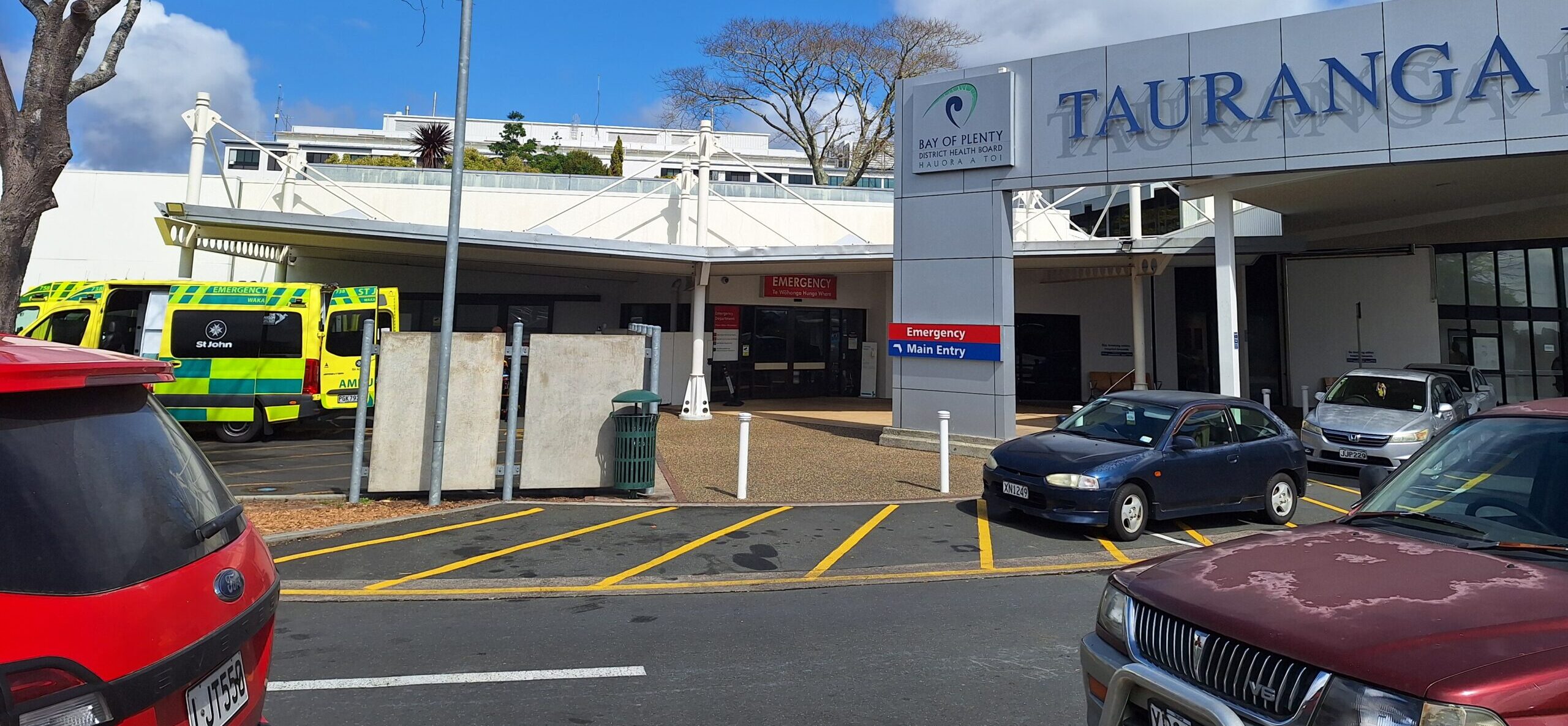
He requested a meeting between staff and management in the next fortnight to come up with a plan that “includes and uplift to staffing numbers”.
Midland executive regional director Cath Cronin told Kaitiaki the ED faced increasing demand from rapid population growth and patients with more complex needs.
“We have offered to meet with staff at Tauranga Hospital and are in the process of working out a time that suits everyone.”

Cronin said workforce “capacity and capability” must evolve alongside increasing community demand. “We are committed to ensuring the concerns raised by staff are part of those discussions.”
System-wide emergency?
- The letter comes after NZNO ED workers in Gisborne Hospital went on a health and safety strike over short-staffing there.
- A ballot of North Shore ED workers closes on September 16 deciding whether to go on strike.
- It comes after revelations short-staffing had still not been addressed at Wellington hospital ED three years after a man waited five hours for treatment while gripped by a heart attack.
- Meanwhile the focus on dangerously crowded and overworked EDs was triggered with the story of a man who died in a Waikato hospital ED toilet.
- Last year a coronial inquest warned the risk of a catastrophic event was high at Taranaki Base Hospital ED due to understaffing following the death of Leonard ‘Len’ Collett.