



“I’m still here because of the relationships I have with our people and when I think about leaving them it makes me feel like I’d be letting them down.”
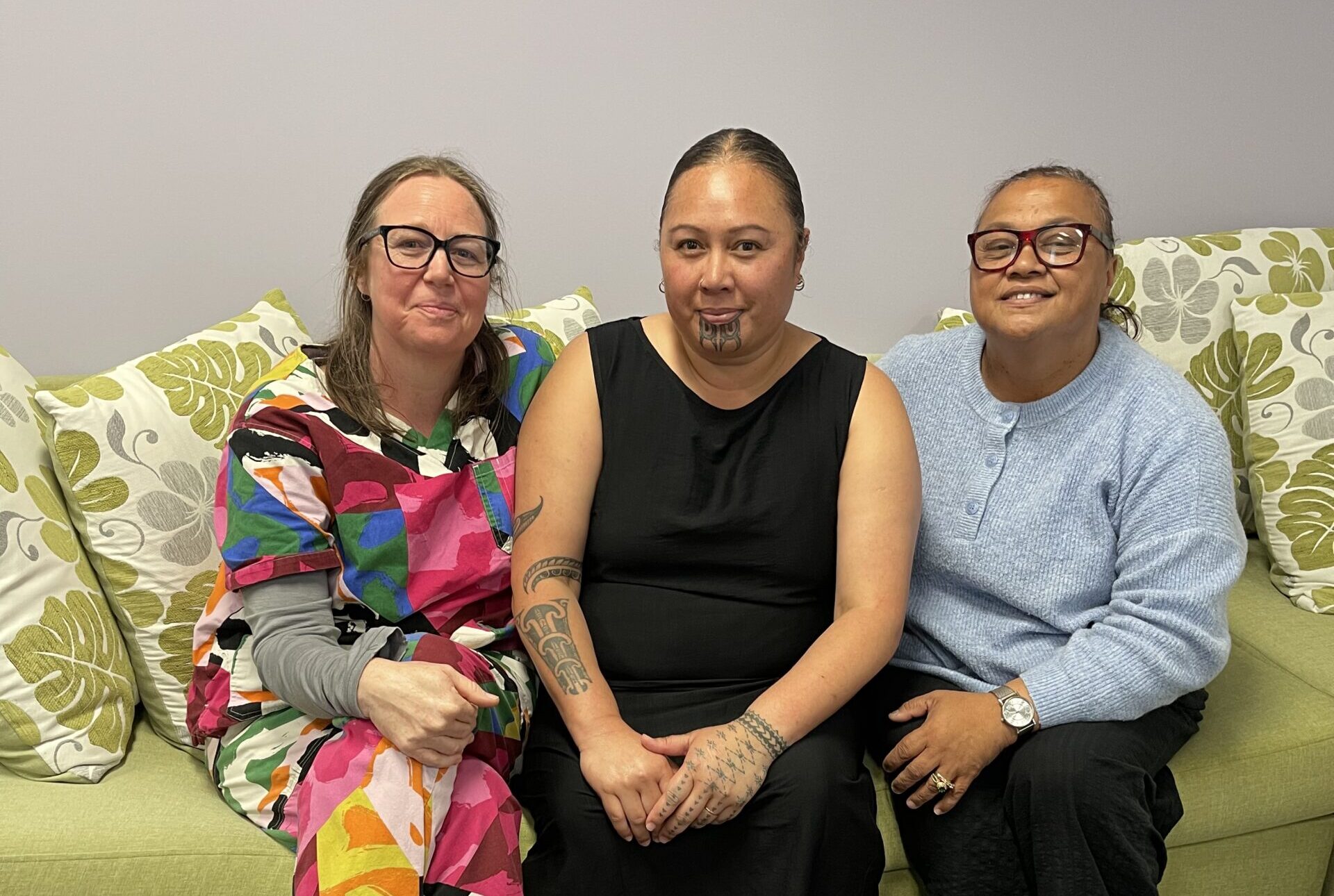
Wiki is speaking to Kaitiaki after the fist bargaining round with employers on June 3. She put her hand up — or rather was volunteered — by colleagues to be part of NZNO’s primary health care (PHC) bargaining team, fighting on behalf of about 3500 members for the same pay as hospital nurses.
‘I thought, ‘nah, if I’m doing all of these skills and applying them in my role to serve my people, I feel this should also be recognised.’
“I thought ‘why not?’ There are a lot of things that the nurses here and in the GP clinic world that isn’t been seen or shown in pay rates.”
Wiki started out as a health-care assistant (HCA) at a Māori health provider before taking up an ‘earn as you learn‘ opportunity to juggle work and study to towards her EN qualification about five years ago through a University of Auckland/HNZ/Māori and iwi provider initiative.

Moving into nursing made sense and wasn’t too hard with a few years’ primary health experience — but then she started noticing the pay gap. Wiki gets paid nearly $8 per hour less than an EN in her position at HNZ.
“I thought, ‘nah, if I’m doing all of these skills and applying them in my role to serve my people, I feel this should also be recognised.”
And Wiki — like so many nurses — goes over and above the basic nursing duties, visiting patients at home or wherever they are; and ensuring they get the wider social support or housing or wraparound care they need by referring them onto other services within her provider.


Primary health care nurses and workers around the motu want better pay,sick leave and the inclusion of nurse practitioners in their collective agreement.
Having spent a lot of time working closely with a GP with a special interest in women’s health, it’s an area she is passionate about and knows a lot about. And now Wiki can do a lot of the care and procedures herself — and has caught some potential cervical cancer signs early.
“I’ve had women come in who say they’ve had a bad experience in the past, so they’re forever declined to have their cervical smear test done. But having that conversation in a way they understood it and making them feel comfortable, managed to bring them around,” Wiki said.
“I just talk to them like they’re a normal person. . . Gaining that rapport and working on that relationship allows them to become comfortable and then we can have those conversations.”
It’s because of these experiences — feeling like she is making a real difference — that keeps her where she is.
“It’s the appreciation and acknowledgement that we are getting back in return from these people we are here to serve.”
But it’s not fair — and primary health sector is losing skilled, passionate nurses because of it, she says.
Despite an eight per cent pay rise in 2025 — PHC nurses are lagging by eight to 11 per cent behind their HNZ colleagues’ pay scales since a new HNZ-NZNO agreement was settled last month.
But the gap can be as high as 20 per cent for senior nurses and 30 per cent for administrative staff, also covered in NZNO’s PHC multi-employer collective agreement (MECA).
‘. . . coming away from it made me realise the importance of fighting for those of us who are out there in primary health and being acknowledged and recognised for the mahi we are doing.’
A Tōpūtanga Tapuhi Kaitiaki o Aotearoa-NZNO survey of 720 PHC nurses late last year found 80 per cent were considering quitting the sector because of worsening workloads and the pay rates.
Wiki said facing down the representatives of about 580 PHC employers on behalf of more than 3500 nurses, HCAs and administrative staff covered by the PHC MECA for the first time was confronting.
“But coming away from it made me realise the importance of fighting for those of us who are out there in primary health and being acknowledged and recognised for the mahi we are doing that nobody else — or not many others — would see.”
Employers are expected to respond by the end of this month, July, to NZNO’s claims, which include pay parity with Te Whatu Ora, bringing nurse practitioners into the MECA and increasing sick leave entitlements.
The 580 PHC employers are being represented in bargaining by three separate primary health networks: GenPro, ProCare and Green Cross Health.
Primary health funding changes drop ethnicity
In June, general practices accepted a new $120.6 million primary care funding package for 2026/27 which recognises patients’ rural locations, deprivation and co-morbidities alongside age and gender — but drops ethnicity as a consideration.
Minister of Health Simeon Brown told GPs in 2025 that “reweighting” capitation funding in this way would have more impact on high-needs populations, NZ Doctor reported.
However, this ignored Ministry of Health advice in June 2025 that excluding ethnicity would mean less funding for practices with the highest needs populations.
The change followed the 2024 Sapere report Rebalancing the Scales, commissioned by Te Whatu Ora-Health NZ (HNZ) to ensure primary health was being funded correctly to care for high-need populations.