


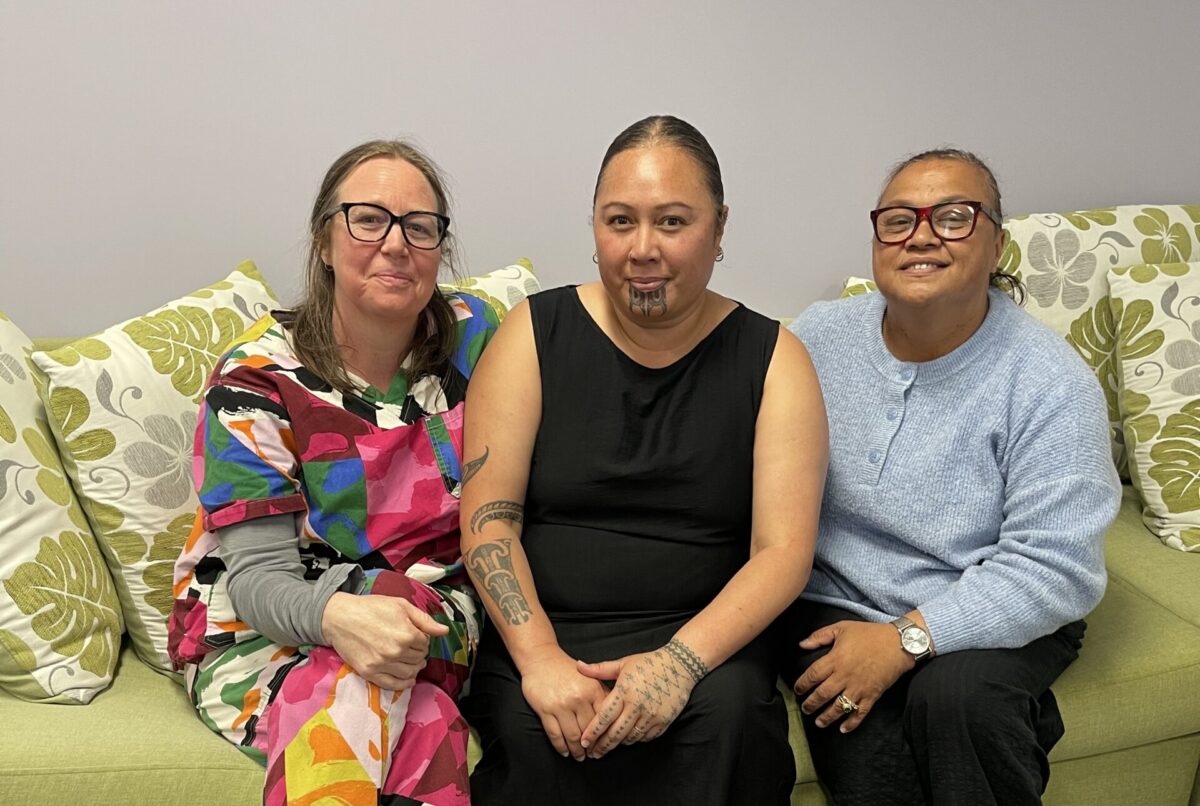
Waikato PHC nurse Tracey Morgan said primary health-care nurses needed to be valued and paid the same as their hospital colleagues.
“Otherwise, we are going to lose them, and we don’t want to lose those nurses — primary health is the place to be!” said Morgan, who is on the bargaining team,
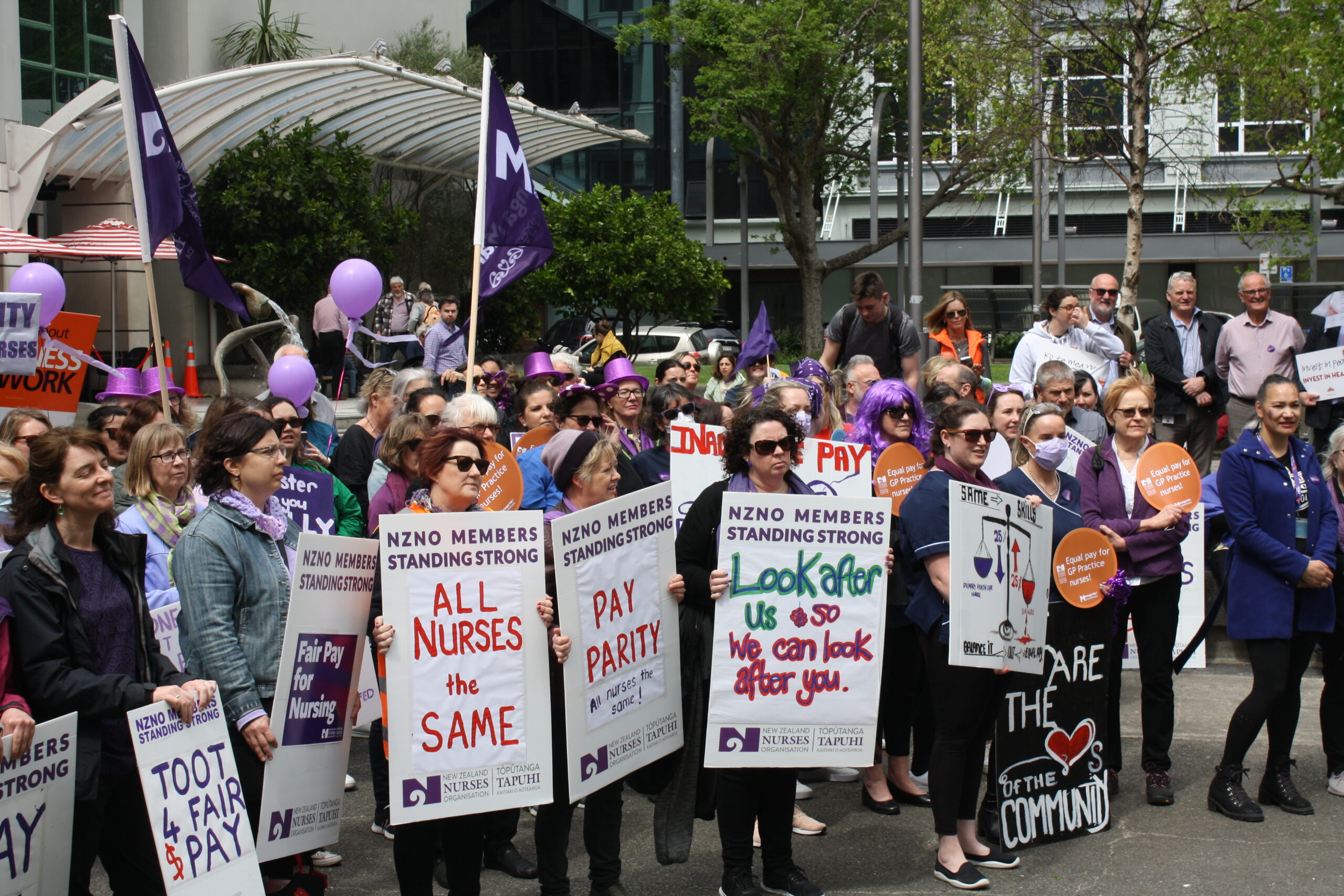
PHC nurses won an eight per cent pay rise in 2025 — but today are lagging about 10 per cent behind their HNZ colleagues’ pay scales since a new HNZ-NZNO agreement was settled this month. But the gap can be as high as 20 per cent for senior nurses or 30 per cent for administrative staff, who are also covered in the PHC multi-employer collective agreement (MECA).
The PHC MECA covers about 3500 nurses, nurse prescribers, health-care assistants and administrative staff who belong to Tōpūtanga Tāpuhi Kaitiaki o Aotearoa-NZNO. But it does not include nurse practitioners (NPs) — something NZNO has previously tried to change.
‘It’s about more than just money — it’s about our conditions, it’s about retaining nurses and it’s about supporting us to do this job.’

Bringing NPs into the MECA is a key 2026/27 claim, along with better sick leave, an allowance for nurse prescribers and senior nurses and acknowledgement of te Tiriti o Waitangi obligations, the team said.
An NZNO survey of its PHC members prior to bargaining found pay scales, sick leave, NP coverage and recognition of nurse prescribing and senior roles were the biggest concerns. More than 80 per cent last year said they had considered leaving their jobs, many because of pay and workloads.
NZNO’s 12 pay equity claims, including for PHC and urgent care nurses, were among 33 suddenly cancelled by the Government last year in its shock pay equity law changes.
Nursing ‘today, tomorrow and the future’
Morgan told Kaitiaki she was tired of watching overworked, underpaid PHC nurses quit the sector.
“This is about nursing today, tomorrow and the future.”
South Auckland enrolled nurse (EN) Priscilla Wiki, also on the team, said she wanted the work of PHC nurses to be better recognised and appreciated.
“For me, the amount of mahi that we nurses do and provide to our people — we deserve that recognition, that feeling of being valued.”
‘I see a lot of overworked and underpaid nurses. I see burnout.’
Wiki joined the bargaining team after seeing the strain the sector was under.
“I see a lot of overworked and underpaid nurses. I see burnout.”
Meet the PHC bargaining team here.
Auckland registered nurse (RN) Kylie Goddard said nurses also deserved better parental and sick leave.
“It’s about more than just money — it’s about our conditions, it’s about retaining nurses and it’s about supporting us to do this job.”
Bargaining began this week on Wednesday June 3. However, a formal bargaining process agreement (BPA) is yet to be put in place after NZNO proposed a more streamlined approach which would stop practices from dropping out during bargaining causing delays, as had previously occurred.
About 580 PHC employers are being represented in bargaining by three separate primary health networks: GenPro, ProCare and Green Cross Health.

Chief executive of GenPro, which represents 61 per cent of the employers, Mark Liddle told Kaitiaki he hoped to see a deal that “recognises both the value of nurses working in primary care and the cost pressures facing general practice.
“We need to retain our highly-valued workforce and ensure practices are sustainable into the future.”
ProCare chief executive Bindi Norwell has said it was “disappointing” that there was no new spending for primary health in last week’s Budget.
While there had been $440.7 million announced over five years, “the reality is that none of that is new money” which barely kept up with inflation and population growth let alone the ageing population, Norwell said in a statement.
See also Primary health nurses’ college a rock of stability in an ‘atomised’ sector.
At a glance: 2026/27 PHC MECA claims include:
- Acknowledgement of te Tiriti o Waitangi as the founding document of Aotearoa.
- Adding nurse practitioners to the MECA for the first time.
- Pay scales that reflect the new HNZ-NZNO collective agreement.
- An allowance for nurse prescribers to reflect responsibilities and growing workloads.
- A simpler professional development recognition system with higher rates.
- Improved sick and parental leave entitlements.