


Ruth Davy
Officer of the New Zealand Order of Merit
For services to nursing and women’s health.

Ruth Davy is a leading figure in women’s heath, nursing and public health leadership, who has worked to reduce inequity and remove barriers to health care for women.
As chief executive and, later, chairperson, Davy led the foundation of the independent Well Women’s Nursing Service in 1989, now the Well Women and Family Trust (WWFT), established in response to the Cartwright Inquiry.
She led the establishment of New Zealand’s first mobile van service for women’s health, providing free health checks and education in hard-to-reach communities.

Davy worked with Work and Income, Women’s Refuge and community leaders to ensure these services met the needs of high-priority women. Through WWFT, 2400 women receive health checks annually, including cervical and breast screening, sexual health care and infection testing.
She became the first independent nurse smear taker, and led WWFT to become an NZQA-approved cervical smear taker training organisation.
Davy secured critical contracts with regional health authorities and the Ministry of Health for dedicated programmes to improve screening for Māori, Pacific and Asian women who missed regular care.
She introduced frameworks for nurse training in cultural competency, ensuring health services better met the needs of Māori and Pacific women.
Davy helped found two Asian health organisations and developed an initiative empowering Māori and Pacific women to be community health promoters.
Lesley Ansell
Member of the New Zealand Order of Merit
For services to midwifery.
Ansell has had a career in midwifery, initially in the United Kingdom and since 1992 in south and central Auckland.
While working in Middlemore Hospital, Ansell observed a high rate of the childbirth emergency known as shoulder dystocia, involving the entrapment of the baby’s shoulders during birth which can lead to injury or death of the baby.
She questioned the complicated, established manoeuvres in practice at the time and advocated an easier solution.
The evaluative work and quantitative research that followed led to the technique axillary traction becoming the basis of her master’s degree, demonstrating successful resolution of the problem.
The Auckland midwifery and obstetric community quickly adopted this technique, which was easier to remember and more successful in resolving the problem.
She continued to evaluate the success of the manoeuvre using quantitative research methods, with the results being published in the Australia and New Zealand Journal of Obstetrics and Gynaecology in 2019 and subsequently in her doctoral thesis.
Her work has been included in the development of New Zealand hospital guidelines, the Pacific Emergency Maternal and Neonatal Training Manual and the Royal College of Obstetrics and Gynaecology guideline. Ansell’s expertise in the field is widely recognised and included in multi-professional training in hospitals and midwifery education throughout New Zealand.
Sharon Brownie
Member of the New Zealand Order of Merit
For services to health and nursing education.
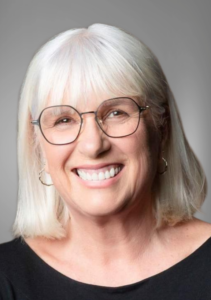
Brownie has made enduring contributions to health and nursing education for nearly five decades.
At Lakeland Health, Brownie worked with community stakeholders on major initiatives, including establishing whānau facilities at Rotorua Hospital. In the 1990s, she led the deinstitutionalisation of Templeton Centre, supporting 420 residents into community living and enabling nurses to gain full registration and retain employment.
In 2003, she became chief executive officer of the Royal Australian and New Zealand College of Psychiatrists (RANZCP), working with the board and college members to establish a policy unit, develop clinical guidelines supporting best practice in mental health and partnering with government to expand psychiatry training and the workforce.
As Wintec’s director of health and social practice she oversaw more than 2000 students across nursing, midwifery, counselling, physiotherapy, occupational therapy, and social work.
From 2021 to 2024, she led the establishment of Te Kotahi Oranga, a student-led primary health care clinic. She mentors up to 10 early-career academics, supporting PhD completion, publication, and grant success, while also supporting medical students at the Charles Sturt School of Rural Medicine.
Brownie is currently chairperson of the New Zealand Nursing Council, an honorary research fellow at the Peter MacCallum Cancer Centre, and an associate editor of Kōtuitui: New Zealand Journal of Social Sciences.
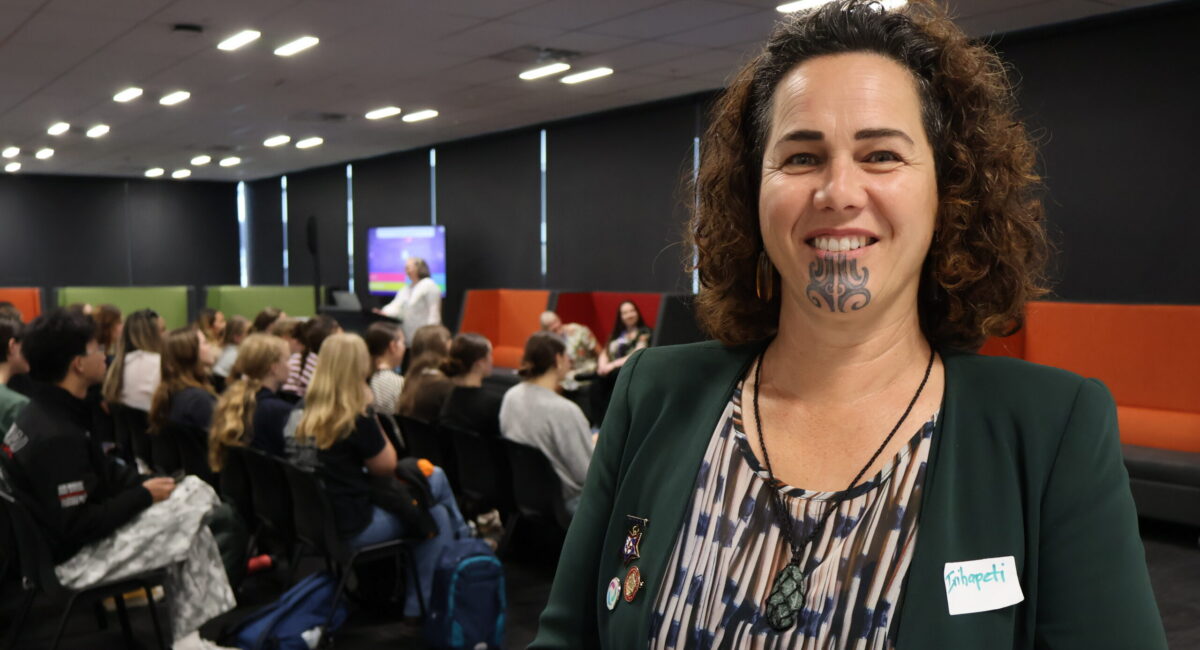
Irihapeti Bullmore
Member of the New Zealand Order of Merit
For services to seniors’ health, particularly Māori.
Irihapeti Bullmore (Kāti Māmoe, Waitaha, Kāi Tahu, Kahungunu ki Wairarapa, Te Rarawa, Ngāpuhi) is a community Māori nurse who has developed culturally responsive health care combining traditional Māori approaches with contemporary health systems, to support kaumātua and their whānau.
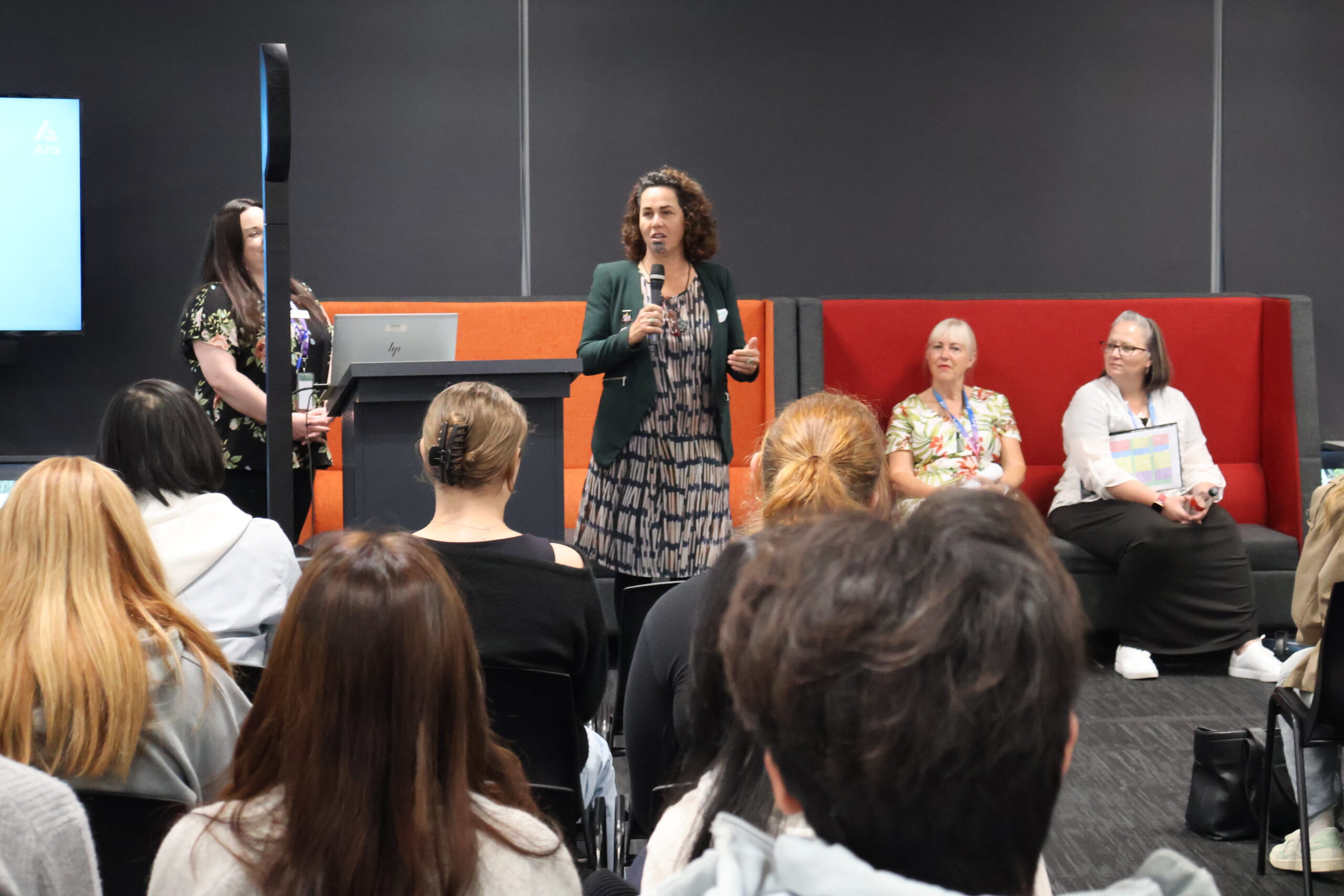
She developed the kahukura kaumātua programme, a monthly kaupapa Māori day programme blending clinical health promotion with cultural celebration. In 2017 she established Whare Tiaki, the first explicitly kaupapa Māori supported living facility for kaumātua in Ōtautahi. She initiated and led the Te Tairanga Kaumātua Collective, a regular hui of health professionals working with Māori, advising on care and access to services for the older population. She contributed to landmark research reframing how frailty is understood within te ao Māori, acknowledging the concept of waikare o te waka o Meihana (the double-hulled waka framework).
Bullmore has contributed to Te Pūtahitanga o Te Waipounamu, helping influence the delivery of Whānau Ora navigators to positive health outcomes for almost 5000 Māori. Her research around health and social isolation in older people has influenced community care nationally, and was included in wider international research involving adult home care in Canada and Finland.
Bullmore helped design and deliver the first indigenous falls prevention programme, Taurite Tu. She is a part-time co-lead on the new puahou tapuhi o Aotearoa bachelor of nursing at Ara Institute of Canterbury. Bullmore chairs Te Roopu Kawawhakaruruhau-Cultural safety.
Janice Kuka
Member of the New Zealand Order of Merit
For services to Māori health.
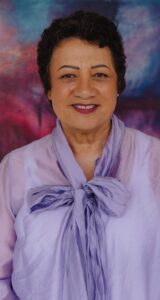
Kuka (Ngāti Ranginui, Ngāi Te Rangi) has been a leading figure and advocate for Māori health care in New Zealand for more than 40 years.
She was involved in the kohanga reo movement and through her role as a social worker in Tauranga Hospital contributed to the establishment of kaupapa Māori services within the hospital in 1989.
Her contributions in this area led to the creation of Māori nursing wards and mental health services. In 2010 she became managing director of Ngā Mataapuna Oranga, a Māori primary health organisation (PHO) and Whānau Ora hub. She has led the organisation to provide health care, social services and cultural support to about 30,000 people and operate four general practice clinics with more than 12,500 enrolled patients. She co-ordinated funding which extended the organisation’s assistance to whānau and communities during the COVID-19 pandemic.
Kuka expanded access to care by developing mobile clinics, which were successful in delivering health services across the Western Bay of Plenty.
She is a member of several health boards including the Asthma and Respiratory Foundation, and is chairperson of Turuki Health Care, Te Manu Toroa, and Pirirākau Hauora where she advocates for Māori-led health services and self-determination to improve Māori health outcomes.
Kuka has contributed to Waitangi Tribunal enquiries, representing Māori PHOs and advocating for Māori-led health care.
Ros Corban
The King’s Service Medal
For services to nursing.
Ros Corban (Ngāi Tahu, Ngāti Maniapoto, Ngāti Mutunga o Wharekauri) has been a nurse for more than 60 years.
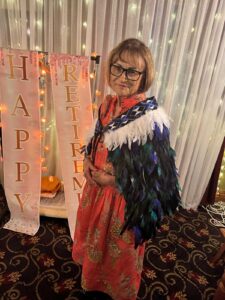
She spent more than half of her career at Tokoroa Hospital, covering many roles, including ward charge nurse in paediatrics and night charge nurse in the accident and emergency department.
She oversaw the general and maternity wards, ensuring a continuity of care across departments.
Corban has provided palliative and end-of-life care to terminally family members, friends and others in her community, enabling patients to remain in their homes. She has mentored and trained countless nurses, mentoring student nurses from Toi Ohomai Institute of Technology through practical placements.
She has supported international nurses through their applications to work in New Zealand.
Corban visited her patients after they were discharged to help with household tasks, arranged transport home from hospital, and provided food for former patients in hardship.
She worked till 81 as clinical nurse leader at Rangiura Aged Care Home in Putāruru — where she oversaw its change to integrated digital software and digital medication administration.
-
Bios taken from the King’s Birthday Honours list.