


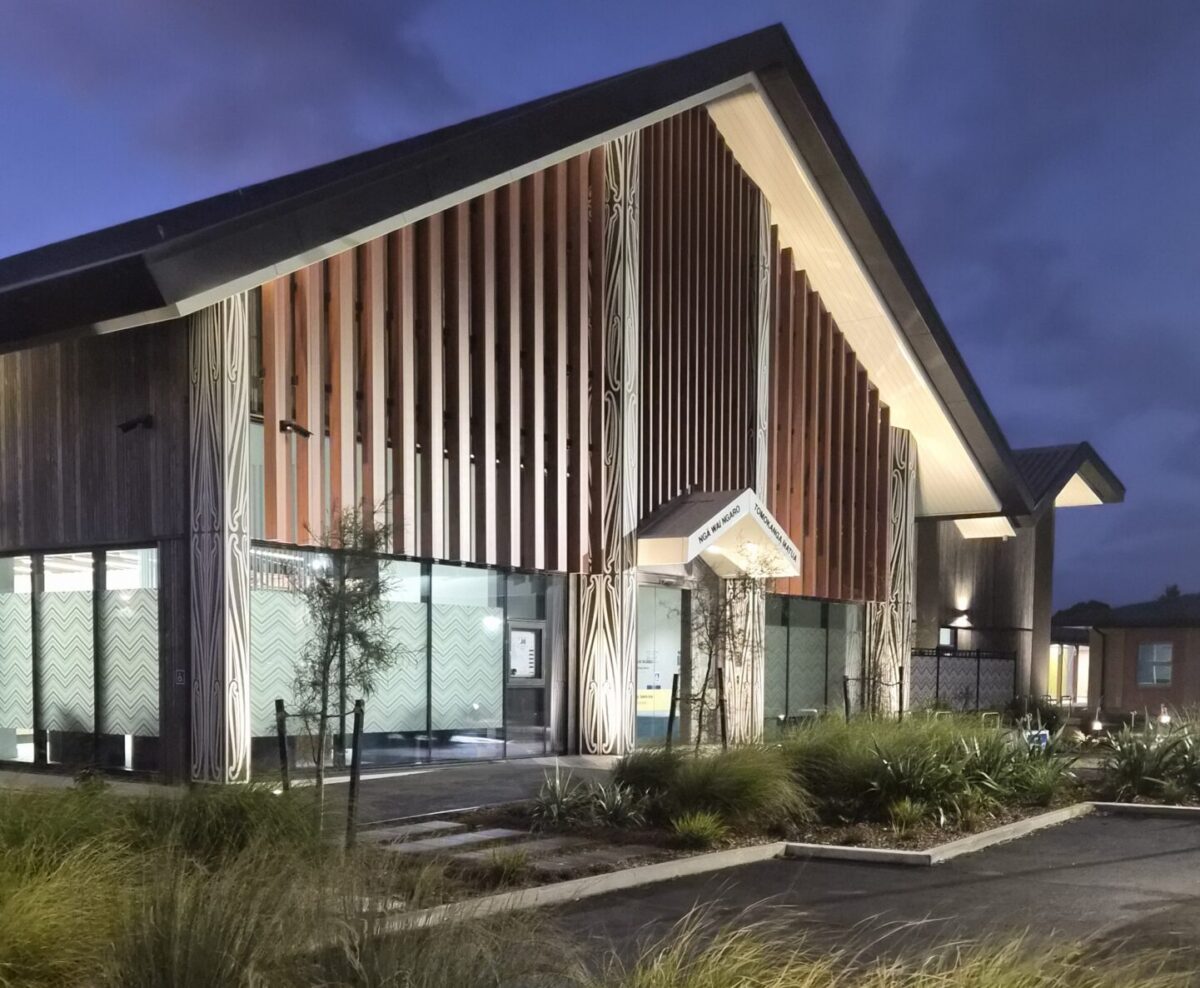
University student Erica Hume died by suicide in May 2014 while an inpatient in ward 21 at Palmerston North Hospital. Her death, aged 21, followed that of a friend Shaun Gray several weeks before — also by suicide, and also in the ward.

She died after learning the news that Gray had died in the ward that she had considered a safe place, a coroner’s report revealed.
On Monday, coroner Matthew Bates found Hume’s death was preventable — had hospital management and staff followed their own policies and procedures.
Underpinning Bates’ findings was what he described as the “limited nursing resource” in the old ward, where staff were routinely stretched and under immense pressure. This environment meant nurses had not followed procedure.

Any lessons learned should also apply to ward 21’s recent replacement, Bates said, but Kaitiaki can reveal it’s currently running about 20 FTE short of staff from a total of about 98.

Ward 21 was replaced with an about-$67 million new facility, Ngā Wai Ngāro, which started taking patients from February this year.
Te Whatu Ora-Health NZ (HNZ) says it’s prioritising recruitment and bringing in expert leadership to support staff and patients.
However, the understaffing problems from the old ward might be plaguing nurses and patients in the new one.
A staff member, who Kaitiaki has agreed not to name, said the new unit was short about 14 to 18 fulltime equivalent (FTE) nursing staff — about a third out on ACC leave from workplace assaults and violence.
There should be about 10 nurses per shift, including three in the high needs unit, however it was usually only eight or nine nurses. Even this relied on many nurses doing extended shifts or overtime.
‘Here it’s a huge place – when something happens in one corner of the unit, for staff to reach there takes time – yet staffing numbers haven’t changed.’
Sometimes the shift number could be as low as five or six nurses, the staff member said. “Very rarely do we have enough staff – we’re always short-staffed.”
Recruitment and retention had always been a struggle but had gotten worse since moving to the new unit. Very senior staff were leaving “because it’s affecting them”.
“It’s very hard, tiring to work in that environment, you get abuse from frustrated patients.”
HNZ was trying to recruit but “no one wants to work here” because of the publicity, the staff member said.
Bigger unit, more problems
The new facility was a lot bigger than the old ward, which meant staff took longer to reach people, when there were assaults or self-harm occurring.
“Here it’s a huge place – when something happens in one corner of the unit, for staff to reach there takes time – yet staffing numbers haven’t changed.
“We need staff everywhere – we don’t know what’s happening in one section of the unit, especially the high needs unit; which is three times, four times bigger than the old place.”
Coroner’s findings
- In 2014 staff failed to fill out a risk assessment form when Hume was admitted — vital information was not recorded in her file.
- Staff failed to carry out observations in line with policy and procedure. Hume was left unchecked for a critical 55 minute period, when a nurse allocated to her care was absent from Hume’s section of the ward.
- If management and staff had followed procedures then Hume’s death may have been prevented. Her death was avoidable.
- Complacency had developed with paperwork and observations. However this came from an environment of immense pressure — staff “simply doing the best they could with the limited time and resource available”.
- The overall environment meant nursing practice on ward 21 in 2014 did not reflect prescribed policy and procedure.
Bates said the nurse-to-patient ratios were routinely exceeded in 2014. “Many staff expressed concerns about ward acuity and staff-to-patient ratios on ward 21, which could put staff and patient safety in jeopardy. The issue was widely known.”
While staffing levels were “not directly causative” of Hume’s death, the fact that staff were routinely stretched contributed to an unsafe and taxing ward environment. “This environment will have had impacted the quality of patient care, including patient safety.”
NZNO pressure
In 2014, two months ahead of Hume’s death, NZNO delegates and an organiser met senior management to raise serious concerns about staff and patient safety, the coroner’s report revealed.
Their clear view was that ward 21 was not a safe workplace — it was only a matter of time before “a serious or sentinel event” occurred to a staff member, patient, visitor, or member of the public, Bates said.

After repeated follow-up requests from delegates it was unclear what promised responses were actually underway before Hume’s death, the report said.
HNZ MidCentral interim group director of operations Katherine Fraser-Chapple provided an FTE breakdown to Kaitiaki: the unit was short a combined 19.79 FTE staff (inclusive of nurses) from leave and vacancies — out of an overall 98.2 FTE base.
Those on leave were having their roles backfilled or covered by other staff, Fraser-Chapple said. “Staffing levels vary daily from shift-to-shift, with some staff on return-to-work plans, and others extending shifts or working overtime.”
‘Like many rural hospitals, Ngā Wai Ngāro faces challenges in attracting and retaining experienced mental health nurses.’
She said recruitment remained a priority. “Like many rural hospitals, Ngā Wai Ngāro faces challenges in attracting and retaining experienced mental health nurses.”
Fraser-Chapple said there had been “a slight increase” in reported incidents involving aggression toward staff since the new unit opened. This reflected factors such as a small cohort of highly unwell patients and an adjustment period as staff learned to work within a new environment.

An experienced mental health director of nursing was contracted for 12 weeks to review nursing practice and optimise patient care, “with a strong focus on violence minimisation”. An interim clinical director psychiatry was also contracted through to mid-August to provide psychiatric leadership and support to staff and patients, she said.
Several groups, including some frontline staff, had been set up in MidCentral to deal with system-wide, and unit-based violence, she said.
Chair of NZNO mental health nurses section Helen Garrick said it was concerning there seemed to be no real effort to improve acute mental health staffing.
“It is a concern that we are chronically understaffed across inpatient units and we do not seem to be making any real movement in addressing that,” she said.
“We keep hearing about the hiring of more nurses – but nobody seems to know where they are.”
She knew the Palmerston North staff had been trying hard to get more staff.
“It’s terrible — I do feel a particular sympathy for the Palmerston North unit because I know the frontline staff in there have tried very hard to get good staffing and it hasn’t been successful.”
The new 28 bed unit officially opened in September last year. The first patients arrived in February — with media reporting six nurses seriously injured in the first few months of operation. This included concussions.
At the opening, Mental Health Minister Matt Doocey said it was “an understatement to say this facility is a major step up from ward 21”.
“I am confident it will deliver better mental health care for the region.”
Last year coroner Ian Telford slammed chronic understaffing at the Taranaki Base Hospital emergency department (ED) in the 2020 death from head injuries of Leonard Collett.
Meanwhile, mental health nursing has been under pressure for years.
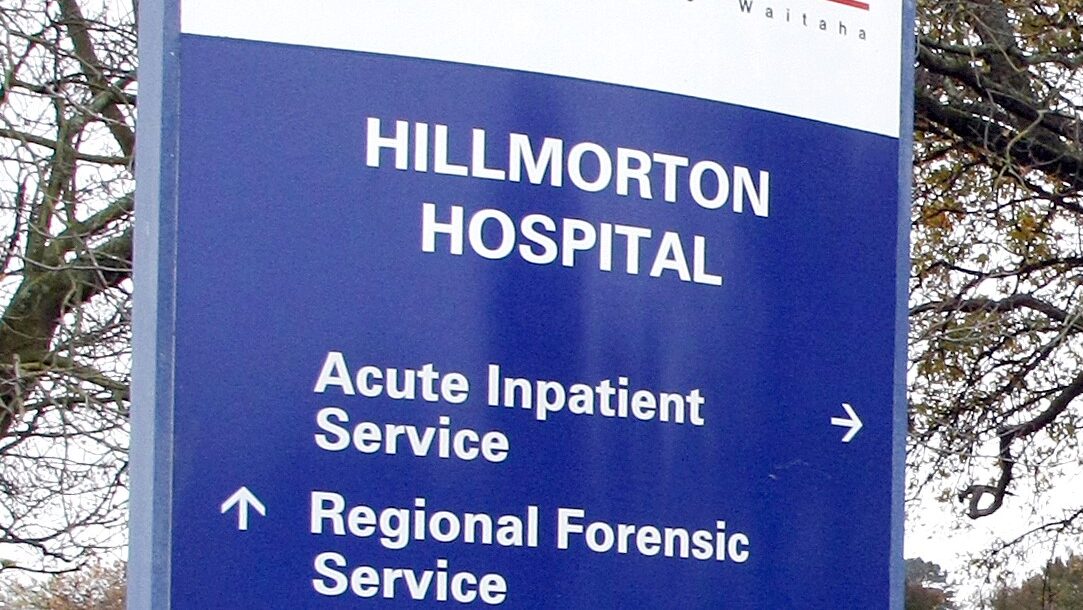
There were problems with infrastructure such as the state of buildings like Hillmorton Hospital, through to dangerously-low and chronic understaffing, revealed in information uncovered by NZNO. Another challenge facing nurses was the phased withdrawal of police responses to mental health call-outs.

The FTE breakdown at Ngā Wai Ngāro
The 19.79 FTE currently out of the workplace at the new unit comprised 8.2 FTE on work-related leave, 4.9 FTE on non-work related leave, 1.2 FTE on maternity leave, and 5.49 FTE undergoing recruitment — of which, Fraser-Chapple said 2.2 registered nurse FTE was in the final stages of recruitment.