


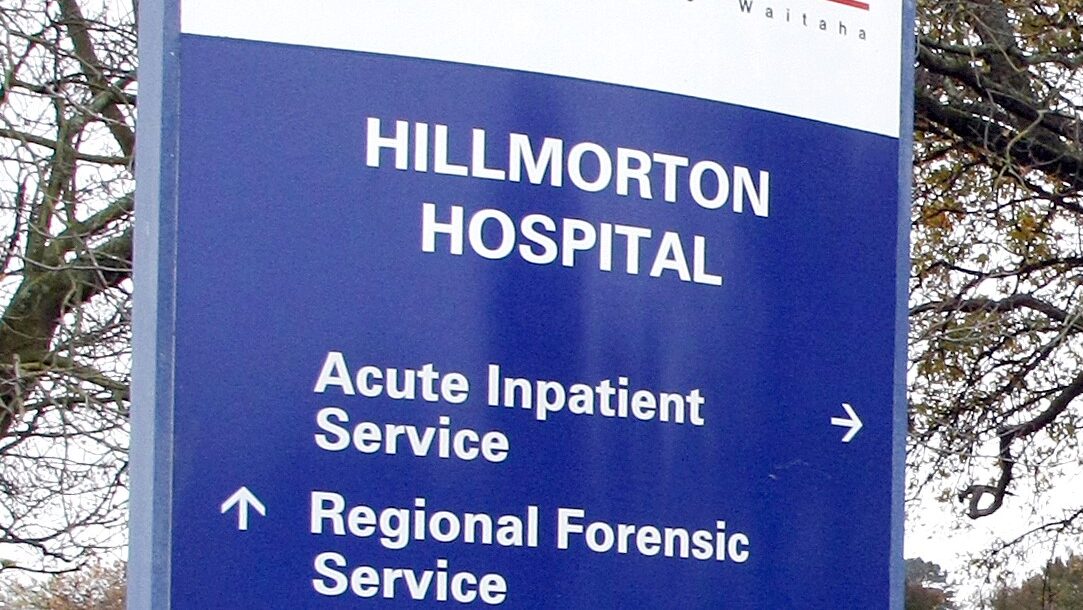
The report includes allegations of unsafe premises, rock-bottom morale, and even pressure on nurses to cook staffing figures at the specialist mental health facility.

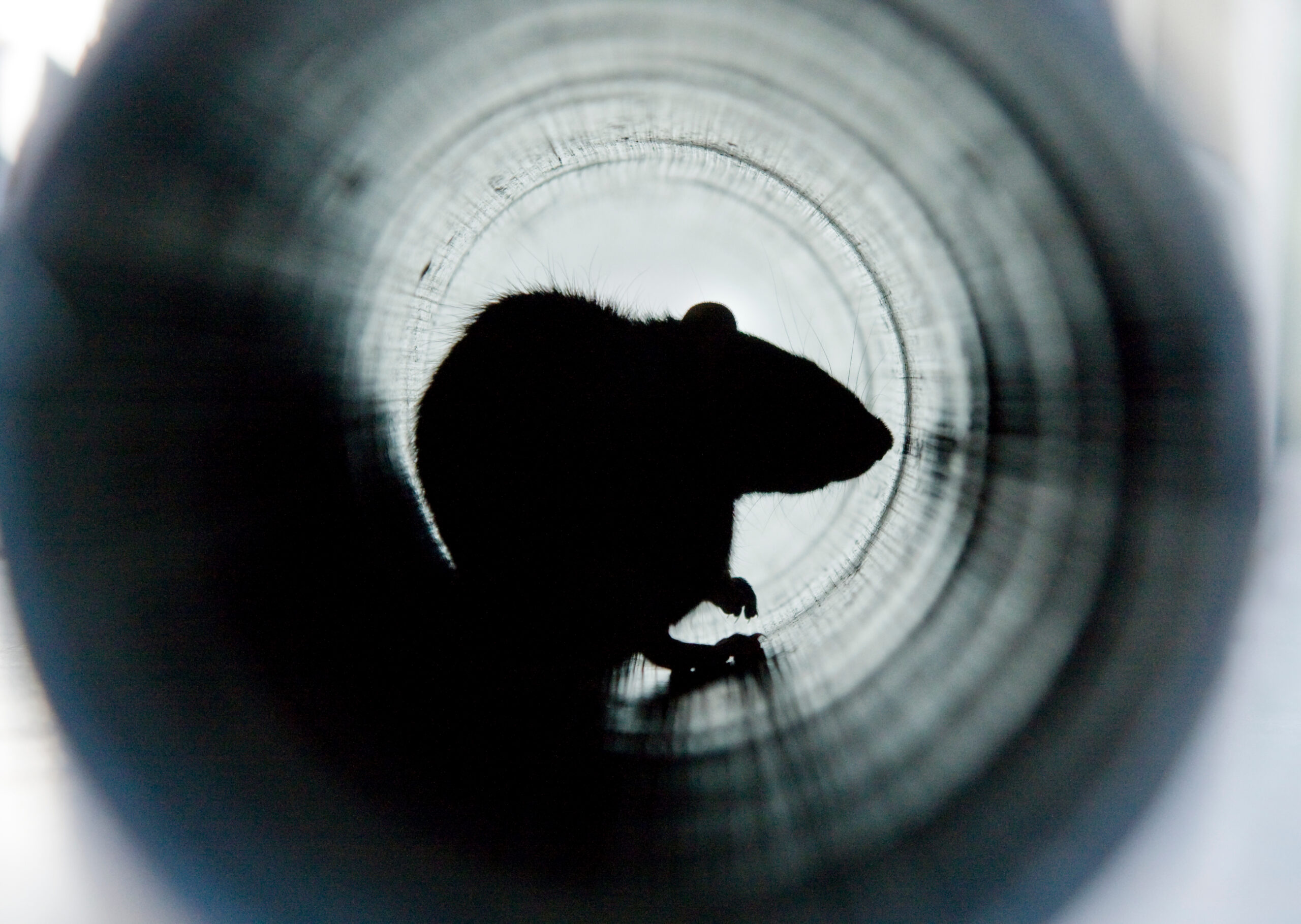
One nurse had to work with rotting rat carcasses in the ceiling above their office — for a year.
NZNO’s survey gives voice to nurses ignored in a Ministry of Health (MoH) investigation of mental health services released last year.
By the numbers
- Four out of five nurses the NZNO surveyed felt unsafe due to understaffing in the last month.
- Staff described broken heaters, peeling wallpaper, graffiti, worn carpet with stains or soaked in urine, infestations of ants, rats and mice, building leaks, broken panels in lounge areas and patient room doors getting jammed.
- Staff described cameras not working, security doors that did not lock or close properly, malfunctioning duress alarms, delayed alarm responses and blind spots where patients climb up walls and fences.
- Over half reported they have felt unable to raise concerns without fear of blame or retaliation.
In the report, a senior nurse reported “a vile stench of dead rotting rat carcasses trapped in the ceiling above our office space for over a year now”.
Care capacity demand management data showed “sustained” short-staffing across services. The worst was the whaikaha forensic ward for intellectually disabled patients, short-staffed in 93 per cent of shifts last year.

‘The building is falling apart’
Speaking to Kaitiaki, NZNO delegate Shivaun Smith said constant understaffing and facilities that were “falling apart” were the biggest daily challenges in her work with intellectually disabled forensic patients at Hillmorton.
The unit – which cared for some of the highest-need mental health patients in the country — was often below the required two-to-one nurse-to-patient ratio, leading to dangerous situations.
“We quite often have them dysregulating . . . and then it’s just so unsafe to be on the floor, you have to pull out [leaving] someone still in harm’s way with the other patients.”
Her unit – originally designed as an admissions area – had become high-care area “not fit for purpose for daily life”, Smith said.

“The building is falling apart. The systems are broken. There are rats. Our lights are broken. The TVs turn off randomly. The doors lock randomly sometimes — they unlock randomly sometimes,” Smith said.
Their emergency pager/phone system broke for about five weeks in February and March, leaving staff reliant on their prohibited personal phones during an emergency – which did happen.
“Someone had a seizure and we were unable to get help in the first two minutes.”
Asked why she stayed there, Smith said it was for the patients. “The patients – I absolutely love them. A lot of us feel that way. Most of our wards stay because we love the patients.”
Yet frontline staff bore the brunt of patient frustrations at being stuck in small “barren” spaces all day, she said. “We never have enough staff to take them out and do meaningful activities anymore,” she said.
One older patient had previously enjoyed regular walks which reduced his pain, but there were no longer enough staff.
“We’ve even got people who are retired coming back doing shifts to get this person out, so he can have a meaningful life,” Smith said. “Yeah they’re in the forensic unit but they still need to have some meaning and fulfilment in life.”

In the survey, nurses described chronic understaffing in wards with high-risk patient conditions such as violence or suicide. Staff across inpatient units were forced to deal with patient numbers increasing without an increase in available beds.
This led to frequent patient transfers and “sleep-overs” between units, the report said.
The ratio of male staff was often not met, or the numbers were puffed up using non-frontline staff, creating danger for female nurses.
Morale was low, there was a culture of bullying and blame, and mistrust was high. “Several nursing staff described pressure to manipulate Trendcare data to inaccurately reflect staffing and VIS levels [the traffic-light system to show if staffing matches demand],” the report said.
‘There are rats. Our lights are broken. The TVs turn off randomly. The doors lock randomly sometimes — they unlock randomly sometimes.’
Staff outlined safety concerns including doors that could not be locked, “thereby increasing the risk of patients absconding”, unsafe room layouts, and fire doors not closing.
NZNO delegate and Hillmorton nurse Gabrielle Nolan said Hillmorton members were calling for HNZ to address the issues raised in the survey.
“We would like to see Te Whatu Ora resource baseline rosters to ensure safe staffing, stop using redeployment to plug roster gaps, establish workforce planning for early career nurses, immediately fix maintenance and equipment issues, and set up an anonymous reporting system for staff concerns,” Nolan said.
The survey ran three weeks for nursing and care staff at Hillmorton and associated mental health services. There were 186 respondents — a response rate of one third.
History of violence
In June 2022, Zakariye Mohamed Hussein, on leave from Hillmorton forensic inpatient services, stabbed Laisa Waka Tunidau to death outside her Christchurch home.
Then in October 2024, voluntary Hillmorton patient Elliot Cameron killed Frances Anne Phelps, 83, at her Christchurch home. Cameron had been doing gardening work for Phelps, who did not know he was a Hillmorton patient.
Launched after the 2022 murder, the MoH investigation into Canterbury’s inpatient and associated mental health services was released last August. It found critical staff shortages, poor morale and disrupted staff development.
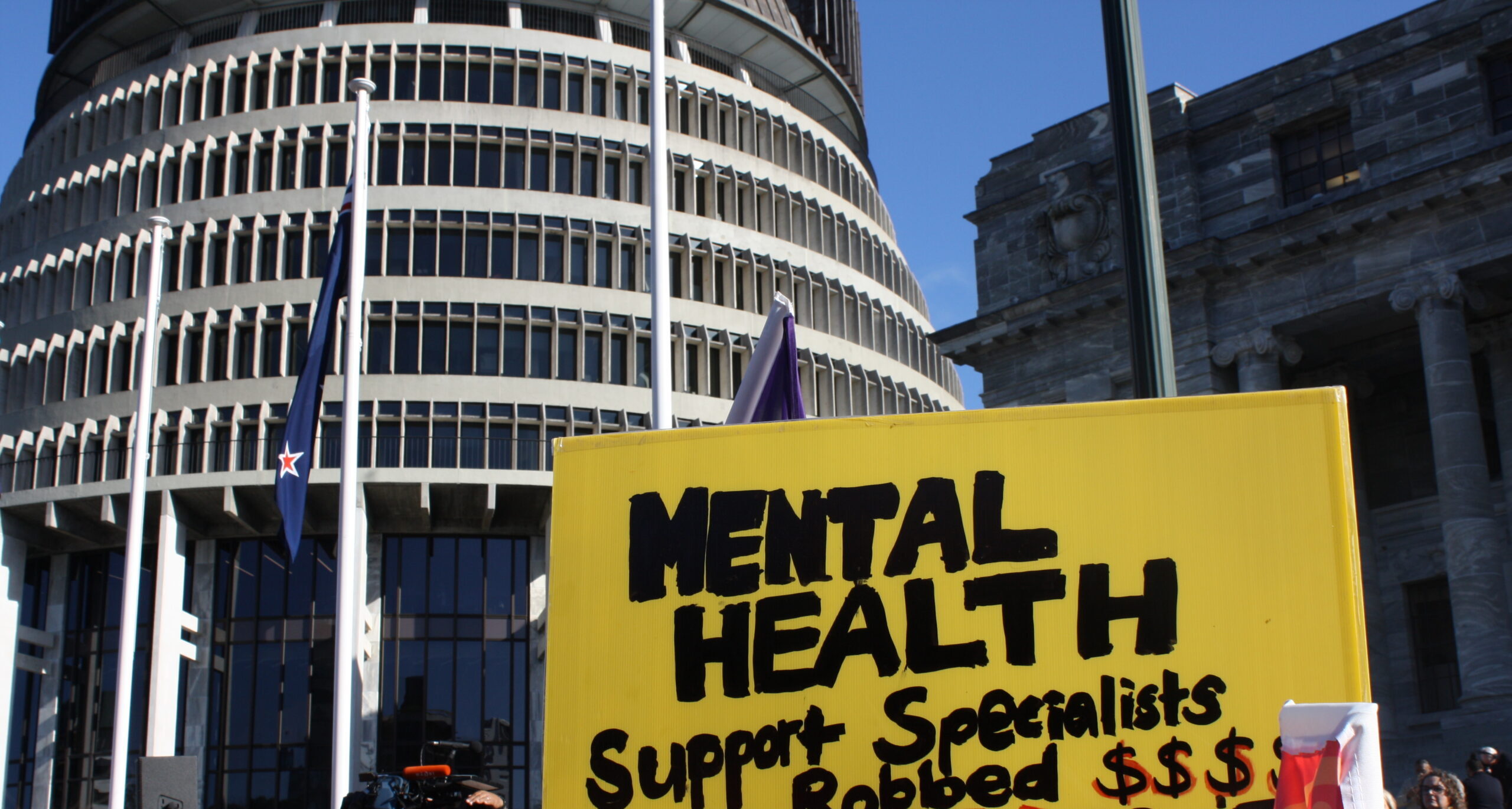
Report author John Crawshaw, MoH director of mental health, made 18 recommendations and has visited Hillmorton twice to check progress.
He said visible progress had been made since the report came out. But frontline nurses said the staffing levels and conditions at Hillmorton were worse than when Crawshaw’s report was released last year, according to the NZNO report.
HNZ national director of mental health and addiction services, Phil Grady, said he had reached out to NZNO chief executive Paul Goulter and offered to work through concerns in the survey.
“We are progressing maintenance and equipment upgrades for Hillmorton Hospital, and ensuring robust processes are in place so staff can raise concerns safely and without fear.”
HNZ had launched a nursing workforce safety and sustainability programme that would work with unions such as NZNO “to make sure what we deliver is practical, clinically sound and workable”.
“We are continuing to strengthen recruitment and retention initiatives and improving baseline rostering at the hospital and have the lowest number of nursing vacancies in a number of years.”
Meanwhile, an MoH response to Kaitiaki’s inquiries said Crawshaw was undertaking four quarterly visits to assess progress against the 18 recommendations.
During his visits he took opportunities to speak to staff about pressures or challenges, the response said, and a third visit was planned for this week. Crawshaw was “aware of challenges facing staff in Hillmorton and other parts of the mental health sector”.
“He says he has always had a good level of engagement with staff, including nurses and frontline staff, on these monitoring visits and expects that to continue for this week’s visit.”
As part of the visit, one of the things being discussed would be checking with HNZ on work they have underway to address these concerns, the response said.
Changes needed
NZNO recommendations included:
- Resourcing baseline rosters.
- Ending the use of redeployment to plug baseline rosters.
- Immediately finding and fixing maintenance and equipment problems.
- Establishing an anonymous reporting system for staff to lodge issues to address the culture of fear and blame.
- The inclusion of staff interviews in upcoming monitoring visits.