


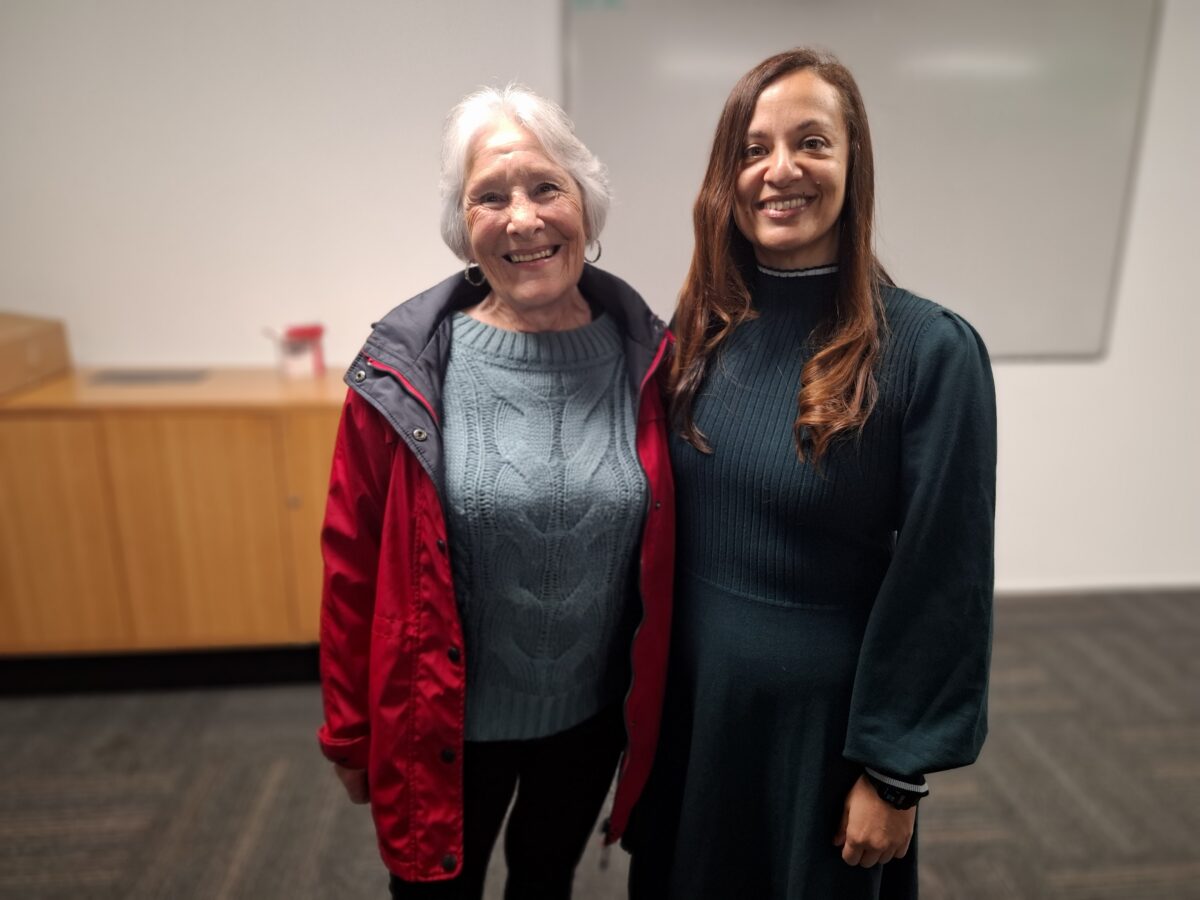
One year after New Zealand rewrote its pay equity laws under urgency, the issue has reached the international stage.

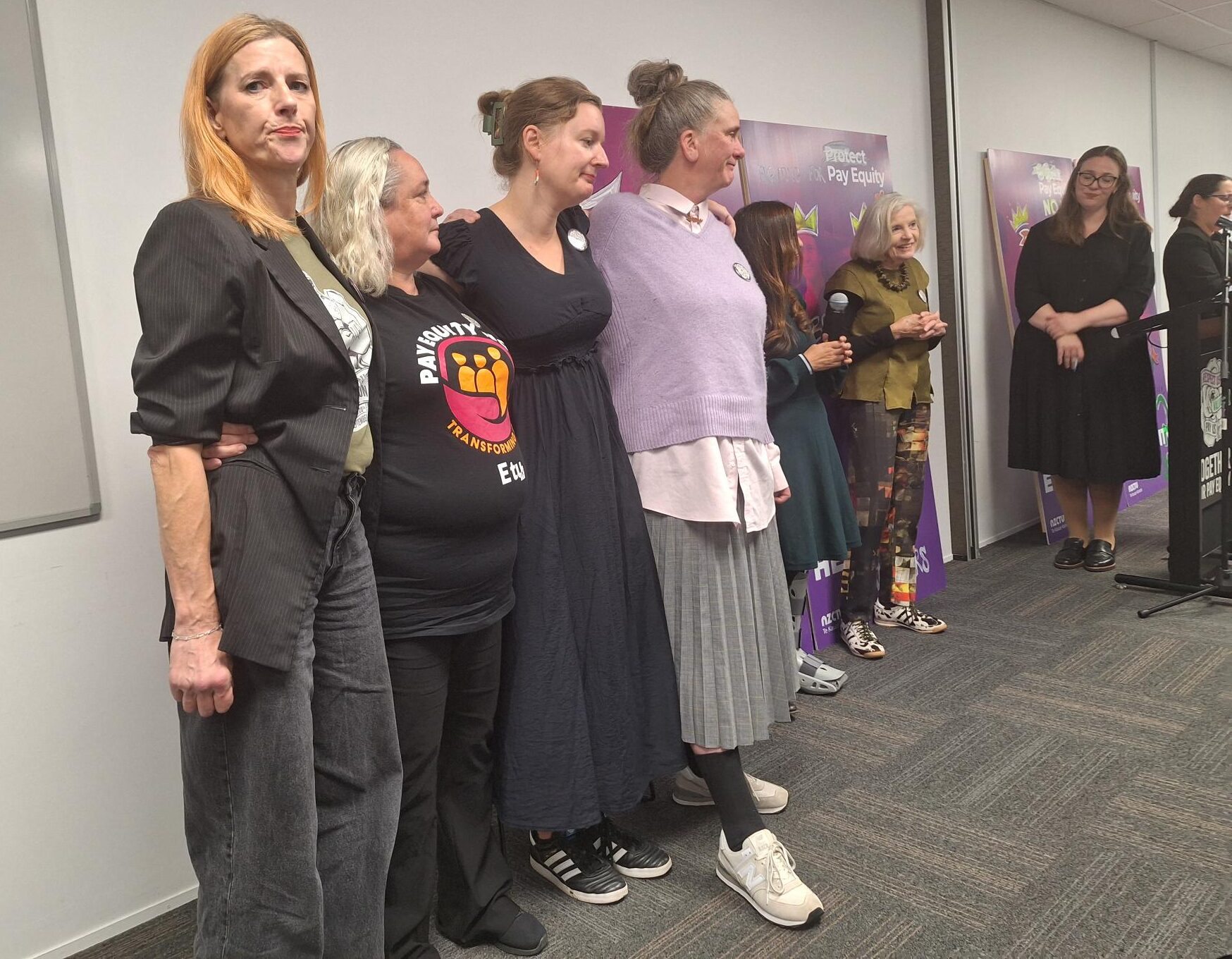
On May 6 Pay Equity Coalition Aotearoa (PECA) and four women whose livelihoods have been directly affected asked the United Nations committee on the elimination of discrimination against women to examine whether New Zealand has breached its human rights obligations.
This isn’t simply a legal challenge. For many nurses and other workers in female-dominated occupations, it is about whether decades of hard-won progress on pay equity can be protected.
Pay equity means equal pay for work of equal value. Unlike equal pay — which means being paid the same for doing the same job — it compares different jobs requiring similar skills, responsibility and effort.
It seeks to address the historic undervaluation of work performed predominantly by women, such as nursing, teaching and social work.

Pay equity is a fundamental human right. It is recognised in international agreements such as the Universal Declaration of Human Rights and the Convention on the Elimination of all forms of Discrimination Against Women (CEDAW).
As a signatory to CEDAW, New Zealand has committed to upholding these obligations in law, policy and practice.
For many years, there was no clear way to enforce pay equity in New Zealand.
See also Complaint lodged with UN over ‘sneaky’ gutting of pay equity claims
That changed after care worker Kristine Bartlett’s landmark case in 2012, where the Supreme Court recognised that low pay could reflect the historic undervaluation of work mostly done by women and that anyone who does such work can make a pay equity claim under the Equal Pay Act 1972.
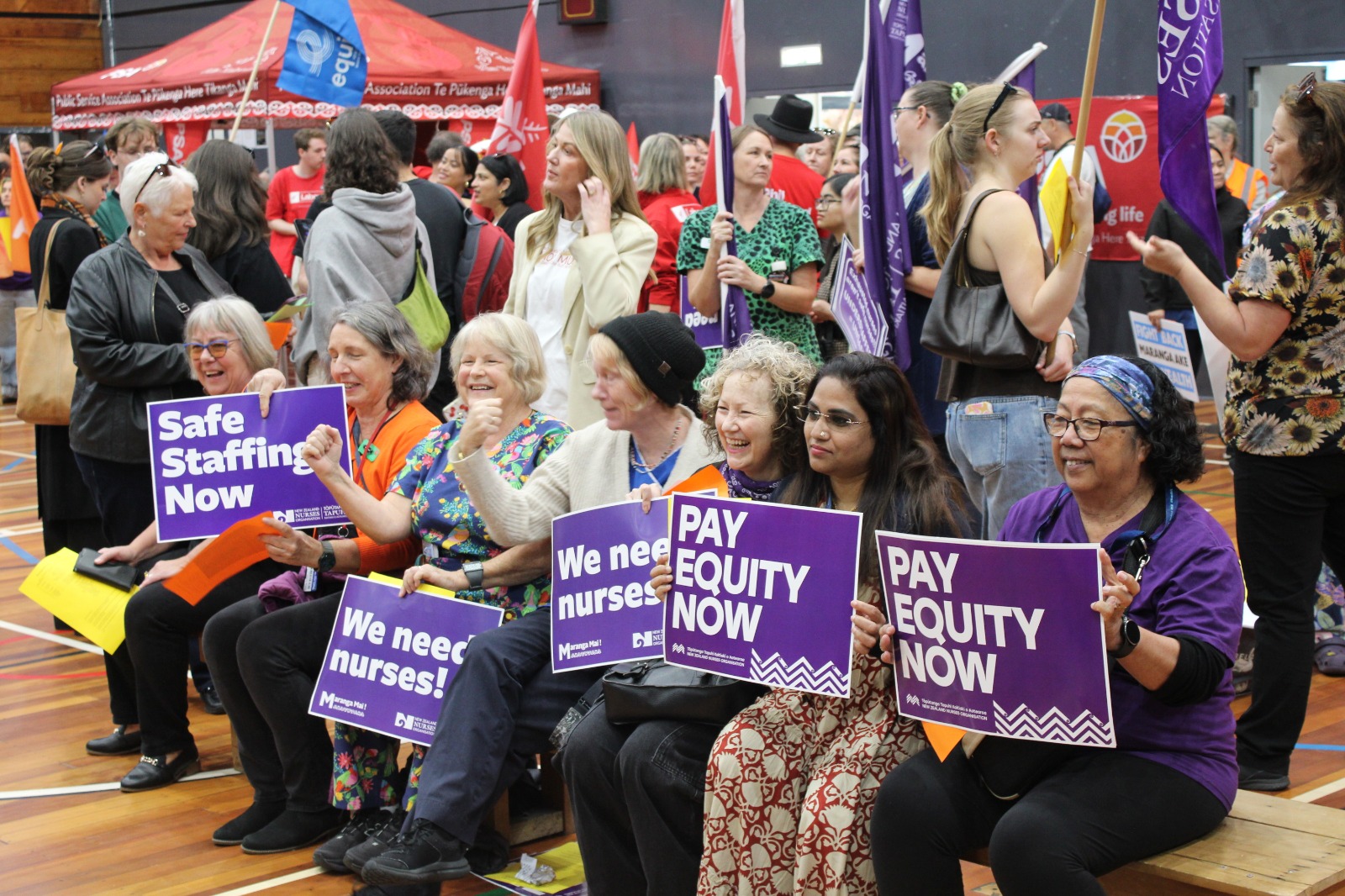
The resulting pay equity process, established in 2020 by the Equal Pay Amendment Bill, has delivered significant pay increases for hundreds of thousands of workers in female-dominated occupations.
Many NZNO members received pay equity settlements through this process, while others had active claims underway when the law changed in 2025.
On 6 May 2025 the Government made major changes to the pay equity process without consultation and under urgency.
It cancelled 33 active pay equity claims; removed review clauses from existing settlements; and made it harder to raise future claims through a raft of changes including by restricting potential comparators to within the claimant’s industry or sector.
For many workers, these changes did not simply alter a legal process, they removed a pathway to have the value of their work fairly recognised.

These changes have been widely criticised. Thousands of New Zealanders have attended union-organised protests, a people’s select committee of former MPs concluded the amendments undermine human rights, and five unions including NZNO have challenged them in the High Court.
Exactly one-year after the law change, PECA and the four affected women lodged a complaint to the CEDAW committee, alleging the amendments amounted to systemic discrimination and breach the right to equal treatment in respect of work of equal value.
Why does the complaint matter?
- It brings New Zealand’s pay equity changes under international scrutiny.
- It provides a pathway to hold the Government accountable for its human rights commitments.
- It signals that progress on pay equity should move forwards – not backwards.
The four women represent different groups affected by the amendments – secondary teachers, teacher aides, home and community support workers, and early childhood teachers. Together, they illustrate the different ways the legislative changes have restricted access to pay equity.
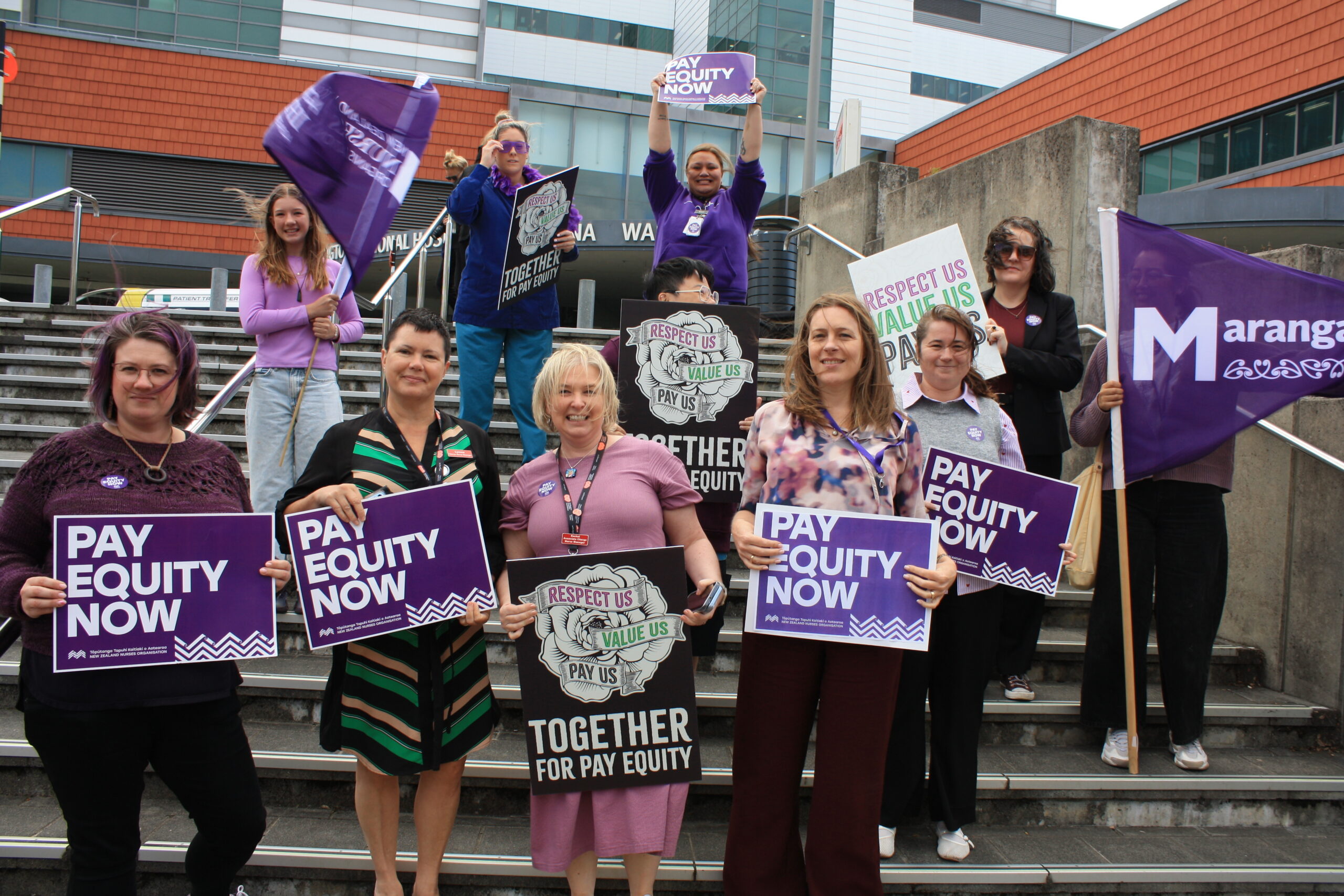
If the complaint is accepted, the committee would seek a response from the Government, before issuing its findings and recommendations.
It is important to note that the committee cannot force legal changes or require remedies, but its findings carry significant international weight and reputational effects.
Pay equity advances in New Zealand have been achieved because people like Bartlett stood up, shared their stories and pushed for female dominated work to be valued fairly.
The complaint before the CEDAW committee is the latest chapter in New Zealand’s pay equity journey.

It reminds us that equal pay for work of equal value is a human right – and one worth defending.
What can you do?
- Talk to your friends and family explaining what pay equity is and why it matters. Many people still confuse pay equity with equal pay.
- Write to your MP explaining why New Zealand needs a fair, accessible, human rights-based pay equity system that enables all affected workers to have their claims heard.
- Get involved: Support campaigns for pay equity (for example with local women’s rights organisations) and share reliable information through your networks and social media.
– Gail Pacheco is the equal employment opportunities commissioner at Te Kāhui Tika Tangata Human Rights Commission. To learn more about her work on pay equity click here. To read the full complaint click here.