


TĒNĀ KOUTOU, TĒNĀ KOUTOU, tēnā tatou katoa.
Welcome to the 2021 edition of Kai Tiaki Nursing Research. This year has brought further significant COVID-19-related challenges for nurses working in all fields of practice, from clinical settings to education and research. As we know, these challenges have been amplified by the emergence of the Delta strain in community-acquired infections in 2021. Nurses have been core in managing the Aotearoa New Zealand response to the pandemic, across all sectors of the health service. Nurse educators and nurse researchers have flipped teaching and data collection online with skilled determination to overcome the limitations of the social distancing required in their fields. Our postgraduate students have also shown remarkable determination in completing their programmes of learning, albeit with support from their lecturers and supervisors. The pandemic has highlighted nurses’ skilful participation in responding to the health needs of our people and their communities.
Maximising the contribution that our existing nursing workforce can make to population health outcomes has been one of the drivers of postgraduate clinical education in Aotearoa New Zealand in recent years (Holloway, 2012). Postgraduate education has enabled nurses to gain advanced knowledge and skills to more capably respond to the demands of rapidly changing and increasingly complex health-care environments, including the COVID-19 pandemic. A capable nursing workforce is the most important factor determining the ability of health services to provide safe and high-quality care (Torabizadeh et al, 2019). Capability describes the expertise, resilience, endurance and creativity of nurses working to the top of their regulated scope of practice, who can respond to challenging, unexpected, unusual and demanding clinical and professional situations. In other words, they can capably work beyond their usual comfort zone, using a complex combination of knowledge, skills and professional self-awareness (O’Connell et al, 2014).
Capability is underpinned by macro-level thinking, or recognition of demographic, epidemiological and social determinants of health that affect a specific client’s experience of health. Macro-level thinking – underpinned by research evidence and knowledge about how nurses can respond more ably – is central to widening nurses’ thinking about the client and their situation (Hean et al, 2009). Postgraduate education enables nurses to engage with research, both as end users working in evidence-based activities that have direct application to practice, and in conducting research that illuminates nursing’s voice in interpreting what nurses know and how they think in practice. Nursing research documents practice knowledge derived from the cumulative integration and synthesis of multiple and challenging care experiences (Tanner, 2006). It is imperative that nurses emerging from postgraduate programmes are supported to publish their research as new voices informing nursing knowledge and practice in Aotearoa New Zealand.
Nursing workforce
The health and wellbeing of a nursing workforce is core to the effectiveness of any health service. The COVID-19 pandemic has illuminated the work nurses do in health services, but what is less well understood is how it has strained an already stretched nursing workforce (Gottlieb et al, 2021). Gottlieb et al suggest the pandemic has also exacerbated challenges in nursing leadership and had an impact on nurses’ agency and autonomy in their practice. Sustaining the nursing workforce within the demands of a pandemic requires nurses to feel empowered at work.
Nurses’ experience of living and working with a disability or impairment was the focus of research by Hughes, Rose and Trip in this issue. The findings of this study suggest nurses are committed to safe nursing practices, but many of the participants in this study did not feel safe to disclose disabilities or know where to seek support. These authors note that more effective support for nurses who have disabilities may help them to remain in the workforce. Moss, Were and Pipi conducted an evaluation of a national Māori nursing and midwifery leadership programme. The key themes from the findings of this evaluation – whakamana, or a sense of empowerment, and ngā manukura, a concept that speaks to starting or progressing leadership journeys – were vital elements of personal, professional and cultural development. The findings of this evaluation also suggest that the kaupapa Māori approach of the programme may help Māori clinical leaders to address future health workforce needs.
Miles, Lea and Ritchie evaluated the experiences of nurses working in decentralised workstations in New Zealand hospitals to understand more about the intersection of the physical environment and its impact on nurses and the delivery of nursing care. The findings of this study suggest that while there were benefits for patients in having nurses close by, nurses experienced isolation from their colleagues, lack of space in the decentralised nursing station, and limited knowledge of other patients on the ward.
Evidence-based nursing practice
Evidence-based practice can be defined as “the conscious, explicit and judicious use of current best evidence in making decisions about the care of individual patients.” (Aliki & Young, 2019, p. 137). It involves the interaction of best available evidence, the patient context and preferences, and clinical expertise. The following studies in this section highlight the importance of considering multiple sources of information to inform diagnostic reasoning and clinical judgement. McChesney and McClunie-Trust explored factors influencing anticipatory prescribing in community palliative and end-of-life care. Key themes identified in this meta-synthesis included expertise (knowing when to prescribe and knowing how to prescribe), teamwork and prioritisation. The study concludes that developing and maintaining expertise in primary palliative care, developing better interdisciplinary teamwork, and prioritising anticipatory prescribing practice are key factors underpinning effective palliative and end-of-life care.
The influence of a pulmonary rehabilitation education programme on health outcomes for people with chronic obstructive pulmonary disease (COPD) was the focus of an integrative review conducted by Chiyesu. The findings of this review suggest there is insufficient evidence to demonstrate the influence of this intervention on health outcomes. Further research is required to ascertain whether pulmonary rehabilitation education would be beneficial in the New Zealand context. A literature review by Nadeem and Healee explored the effectiveness and validity of the Waterlow scale in preventing pressure injuries in acute-care settings. The review identified that the Waterlow scale has limited reliability and validity in assessing the risk for pressure injuries in acute-care settings, and further research is needed to test the scale in this context.
Ryan’s study on the relationship between health outcomes for rural and urban patients and their proximity to a primary health care provider found that there was little difference between these populations in terms of HbA1c levels for people with type 2 diabetes mellitus. The study found people living rurally were more likely to be diagnosed with depression than those living in urban areas. A meta-synthesis by Harrison and Mercer explored the use of rapid antigen detection tests (RADT) for the diagnosis of group A streptococcus (GAS) for children who have clinical symptoms of pharyngitis. The findings of this review suggest that there are advantages in using RADT for more timely diagnosis and treatment of GAS infections, for reduction in the spread of GAS infection and therefore potential reduction of rheumatic fever hospital admission rates.
Methodology focus
In keeping with the principle of kaitiakitanga (NZNO, 2019) or guardianship of nursing research in Aotearoa New Zealand, fostering emerging researchers is a key responsibility for the Kai Tiaki Nursing Research journal. In this edition, two experienced researchers share their methodological “know how”, reflecting on their experiences of using methodologies to guide nursing research. Litchfield draws on her long experience in research to offer a rationale for nursing as a paradigm that frames nursing “research as-if practice”. Research as-if practice enables nurses, as practitioner researchers, to communicate nursing knowledge and expertise as practice wisdom for the distinctly nursing perspective of health in Aotearoa New Zealand.
In a different, but distinctly practical research approach, MacKenzie used a transdisciplinary research (TDR) methodology to explore some complex issues associated with the position of enrolled nurses in the Aotearoa New Zealand health workforce. Central to the TDR approach is the idea of “wicked problems” that require creative and flexible solutions derived from the perceptions and opinions of stakeholders as participants or key informants in research. The inclusion of viewpoints beyond the assumptions and perspectives of specific disciplines, where diverse voices with unique perspectives on how problems can be solved can be heard, is central to the TDR approach.
Finally, in the last article of the 2021 issue, Stodart and Woods explain how articles in each issue of Kai Tiaki Nursing Research are shared with the international world of practice and scholarship, via their inclusion in a range of international research databases. Some limited data is available from one of these databases about which articles are being downloaded and in what quantity, giving a tantalising glimpse of the reach and influence of this research journal.
References
Aliki, T., & Young, M. (2019). Evidence-Based Practice and Clinical Reasoning: In Tension, Tandem or Two Sides of the Same Coin? – Clinical Reasoning in the Health Professions. In J. Higgs, G. Jensen, S. Loftus & N. Christensen (Eds), Clinical reasoning in the health professions (4th ed.), (pp. 137-146). Elsevier Limited.
Gottlieb, L. N., Gottlieb, B., & Bitzas, V. (2021). Creating Empowering Conditions for Nurses with Workplace Autonomy and Agency: How Healthcare Leaders Could Be Guided by Strengths-Based Nursing and Healthcare Leadership (SBNH-L). Journal of Healthcare Leadership, 13, 169-181.
Hean, S., Craddock, D., & O’Halloran, C. (2009). Learning theories and interprofessional education: a user’s guide. Learning In Health & Social Care, 8(4), 250-262.
Holloway, K. (2012). The New Zealand specialist framework: Clarifying the contribution of the nurse specialist. Policy, Politics, & Nursing Practice, 13(3), 147-153.
New Zealand Nurses Organisation. (2019). Guideline – Code of ethics.
O’Connell, J., Gardner, G., & Coyer, F. (2014). Beyond competencies: using a capability framework in developing practice standards for advanced practice nursing. Journal of Advanced Nursing, 70(12), 2728-2735.
Tanner, C. A. (2006). Thinking like a nurse: A research-based model of clinical judgment in nursing. Journal of Nursing Education, 45(6), 204-211.
Torabizadeh, C., Rakhshan, M., Freidooni, Z., Beygi, N., & Bijani, M. (2019). Professional capability in nursing. International Journal of Pharmaceutical Research, 11(1), 556-566.
Daily doses – uncut news
| 27 Oct |
Pilot registry to trial a safer path for women’s pelvic healthHealth New Zealand has started a pilot in Christchurch today to test processes required to establish a nationwide registry for female pelvic floor procedures, including surgical mesh. |
| 23 Oct |
National’s hiring freeze puts lives at riskLast night’s warnings from doctors at Wairau Hospital that patients may die if they don’t get more staff is yet another example of the damage National’s hiring freeze has done to our health system. |
| 23 Oct |
Recognition of need to fix primary care crisis good for patientsRecognition of the need to fix the crisis in primary health care is good for patients but stops short of a much-needed overhaul of the sector, NZNO says. |
| 20 Oct |
Winners of the 2026 NZ Primary Healthcare Awards | He Tohu Mauri Ora announced Over 600 supporters of primary care gathered at the Auckland's Viaduct Events Centre on Saturday night for a glittering gala dinner for the 2026 New Zealand Primary Healthcare Awards | He Tohu Mauri Ora.
|
| 19 Oct |
Te Whatu Ora must fully staff vital Starship Children's Hospital wardsTe Whatu Ora must fully staff all wards at Starship Children's Hospital including four vital wards which are short of a total of 18 full-time nurses, NZNO says. |
| 16 Oct |
Paid placements policy will help boost nursing workforceA policy to pay nursing students a weekly allowance while they're on clinical placements will help them graduate and boost Aotearoa New Zealand's homegrown nursing workforce, NZNO says. |
| 5 Oct |
Labour's pay rise a first step, but pay equity needs a full settlementTōpūtanga Tapuhi Kaitiaki o Aotearoa NZNO has welcomed Labour's promised pay rise for care and support workers as a first step. It says care and support workers now need a full settlement of their pay equity claim and a workable pay equity system for all of its members. |
| 1 Oct |
Health NZ releases first national report on serious adverse eventsHealth New Zealand has published its first national Serious Adverse Event Report, acknowledging the serious harm experienced by patients and whānau and outlining the improvements identified and actions underway to strengthen patient safety. The report covers serious adverse events reported in Hospital and Specialist Services between 1 July and 31 December 2025. |
| 25 Sept |
380 more health care workers at the end of winter too little too lateAn announcement of 380 additional nurses, midwives and health care assistants for hospitals around the country at the end of winter is too little too late, NZNO says. |
| 23 Sept |
Auckland University research finds nurse shortages increase post-surgery deaths and complicationsNew research by Auckland University has found addressing nurse shortages in post-operative care may save 182 lives a year because short-staffed wards have higher rates of potentially preventable deaths and complications after their surgeries. |
| 21 Sept |
Whanganui Hospital ED averaged 680% capacity over a week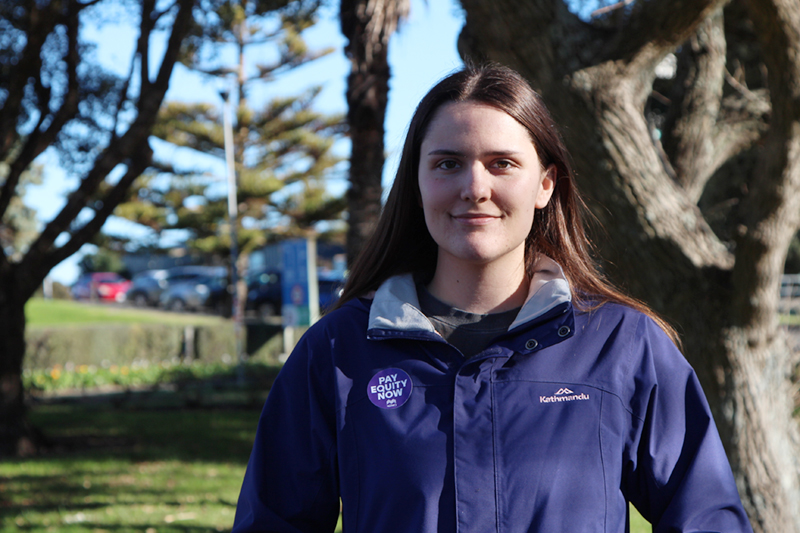 Working in an overcrowded emergency department (ED), up to 680% capacity over a week, makes staff feel overwhelmed with the pressure, Tōpūtanga Tapuhi Kaitiaki o Aotearoa NZNO says.
|
| 14 Sept |
WellSouth's Newborn Enrolment Kahu Taurima Programme a finalist at the Primary Care Awards 2026WellSouth's Newborn Enrolment Kahu Taurima Programme is a finalist at the Primary Care Awards for the HALEO Best Supplier Service, Product or Campaign category. Winners will be announced on 17 October. |
| 14 Sept |
Global Study: Nursing Shortages Require Workforce Policy Solutions, Not Recruitment Campaigns AloneWhy people choose nursing, and why they leave, comes down to the same factors. The global nursing shortage cannot be solved simply by encouraging more people to enter the profession, according to a new evidence brief. |
| 8 Sept |
Overworked, understaffed Gisborne ED staff strike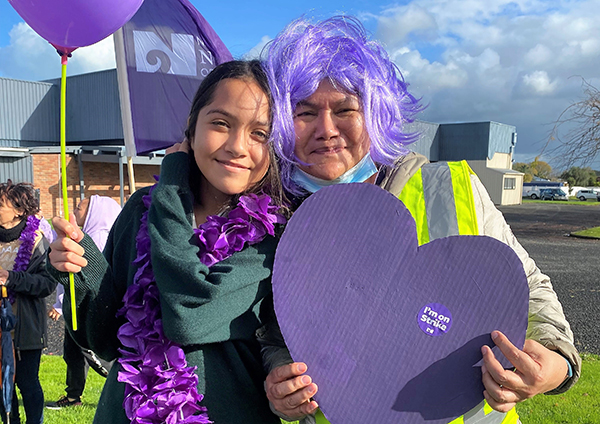 Health and safety concerns arising from unsafe staffing levels have forced nurses at Gisborne Hospital’s emergency department (ED) to go on strike.
|
| 4 Sept |
Strong growth in wāhine Māori and Pacific women’s cervical screening rates highlights success of self-testing programmeCervical screening participation has increased significantly for both wāhine Māori and Pacific women, reflecting the strong impact of self-testing, Screening Services and the dedicated efforts of health providers working alongside their communities. |
| 4 Sept |
Government must adopt Wai 2713 recommendations on disability systemThe Coalition Government must urgently adopt new recommendations from the Waitangi Tribunal which has found significant parts of the disability system prejudice tāngata whaikaha Māori (Māori with disabilities), NZNO says. |
| 31 Aug |
Employing graduate nurses will help keep them in nursing and the countryA new proposal that will require Te Whatu Ora to offer all eligible graduate nurses jobs in the public health system will help keep them in nursing and in Aotearoa New Zealand, NZNO says. |
| 26 Aug |
Health Minister’s claim Winter Plan ‘managing well’ delusionalHealth Minister Simeon Brown’s claim that hospitals are ‘managing well’ because of the Government’s Winter Plan is delusional, NZNO says. |
| 25 Aug |
Hospital data shows nursing shortages continue to put patients at riskTe Whatu Ora data released today shows patients are continuing to be put at risk by the Coalition Government’s deliberate failure to safely staff hospital wards, NZNO says. |
| 24 Aug |
Fed-up North Shore ED staff declare state of emergencyNZNO members working in the emergency department (ED) at North Shore Hospital have declared a state of emergency due to unsafe staffing levels resulting in ongoing overcrowding. |
| 19 Aug |
What happened to the winter health plan?The $25 million 2026 Winter Plan launched by Health Minister Simeon Brown in March to erase pressure on the health system has been an unmitigated disaster, Tōpūtanga Tapuhi Kaitiaki o Aotearoa NZNO says. |
| 11 Aug |
Applications open for advanced nursing education programmesHealth New Zealand is encouraging registered nurses to apply for two advanced education programmes that support nurses to further develop their clinical skills and expand access to care in communities across New Zealand. |
| 3 Aug |
Health New Zealand welcomes settlement of NZRDA collective agreementHealth New Zealand welcomes the vote by New Zealand Resident Doctors Association (NZRDA) members to settle their collective agreement. |
| 30 Jul |
Backing our frontline rural health workforceRural communities across New Zealand will benefit from three new investments that will support the rural health workforce and help more people access care closer to home, Associate Health Minister Matt Doocey says. |
| 22 Jul |
Te Whatu Ora must disclose staffing levels at time of tragic deathTe Whatu Ora must disclose whether the Waikato emergency department (ED) was short-staffed at the time a man tragically died in the waiting room, NZNO says. |
| 6 Jul |
Reflecting on IND 2026Looking back on last month’s International Nurses Day 12 May 2026 (IND 2026), the impact of this year's theme "Our Nurses. Our Future. Empowered Nurses Save Lives" continues to resonate across the world. ICN’s landmark IND 2026 report defined seven key powers of nursing and this message has been strengthened with nurses in every region celebrating, naming, and owning their powers throughout May. |
| 3 Jul |
Health New Zealand acknowledges Ombudsman statement on Wakari Ward 10AHealth NZ welcomes the independent investigation by the Ministry of Health into Ward 10A. On Wednesday the Health NZ board agreed to close Wakari Ward 10a as a forensic intellectual disability (ID) unit, with the future use of the ward yet to be determined. |
| 2 Jul |
New programme to fast track bowel cancer care and cut colonoscopy waitlistsHealth New Zealand is today launching a national initiative, designed to fast track bowel cancer care and reduce colonoscopy waitlists by up to 30 per cent. |
| 1 Jul |
Six new Co-Response Team locations announced to strengthen support for people in mental distressThe next six locations for Health New Zealand and NZ Police Co-Response Teams have been confirmed, expanding a model that helps people experiencing mental distress receive timely, wraparound support that better meets their health needs. |
| 29 Jun |
Mental health and addiction targets progress continuesHealth New Zealand continues to make important progress against its mental health and addiction targets, meeting four out of five national targets this quarter. |
| 25 Jun |
Access to care continuing to improve across a range of health indicatorsNew health data released today shows continued improvement in access to care across a range of health indicators. |
| 18 Jun |
Funding "boost" continues dangerous under-funding of aged careThe Health Minister’s funding "boost" for aged residential care continues underfunding to the sector and will continue unsafe practices and short staffing, which is putting vulnerable residents at risk, NZNO says. |
| 16 Jun |
Labour to make maternity scans freeLabour will add free maternity scans to the Medicard alongside three free doctor’s visits a year, so every pregnant woman gets the care she needs. |