


About the authors:Kataraina Pipi (Ngāti Porou, Ngāti Hine), PGDip Social Sector Evaluation Research, Master in Applied Indigenous Knowledge, is an independent evaluator for FEM 2006 Ltd. Michelle Moss (Pākehā, Swedish immigrant), BA social anthropology, is an independent evaluator for MiMo Consulting. (Agreed correspondent.) Her correspondence address is [email protected] Louise Were (Ngāti Tūwharetoa, Ngāti Rongowhakaata), PGDip Social Sector Evaluation Research, BA Māori, is an independent evaluator for Hikitia Consulting. This article was accepted for publication in August 2021. |
ABSTRACTAim: The aim of this study was to explore the outcomes of Ngā Manukura o Āpōpō’s national Māori nursing and midwifery clinical leadership training programmes and to consider how the kaupapa Māori approach (Māori ways of doing things) has contributed to these outcomes. Background: In Aotearoa New Zealand, Māori – the indigenous peoples – experience the worst health inequality of any population group. Māori workforce development has long been recognised as key to improving Māori health and wellbeing. Ngā Manukura o Āpōpō is a significant programme designed to enhance the capacity of Māori leaders in the health and disability system. It covers clinical leadership, recruitment and profile raising, professional development and governance. Ngā Manukura o Āpōpō provides a marae-based kaupapa Māori leadership development programme for Māori nurses and midwives in Aotearoa. Methods: A content analysis and synthesis of findings from Ngā Manukura o Āpōpō evaluation reports to date was undertaken, using inductive strategies to categorise the data. Results/findings: Whakamana (a sense of empowerment) and ngā manukura (starting or progressing leadership journeys) were key themes identified through the synthesis. These centred on outcomes from the programme relating to personal and professional development, and cultural identity, as well as taking up leadership opportunities and contributing to change. The training also helped retain participants in the health workforce. The kaupapa Māori approach was a key contributor to these outcomes. Challenges that participants faced in their roles – including racism and bridging the Māori and western health paradigms – and their ability to contribute to better health outcomes for Māori, are consistent with experiences of other Māori nurses and midwives, and of indigenous nurses and midwives in other parts of the world. Conclusions: There is a significant need for Māori clinical leaders in the health and disability sector to help address current and future workforce and population health needs. Ngā Manukura o Āpōpō clinical leadership training can help meet this requirement. |
||||
KEYWORDS |
|||||
 Kataraina Pipi
 Michelle Moss
 Louise Were
INTRODUCTION
IN AOTEAROA NEW ZEALAND, the legacy of colonisation contributes to poorer health statistics, poorer general wellbeing and to injustice for Māori, its indigenous peoples (Anaya, 2011). Māori health workforce development has long been signalled as a critical enabler of good health outcomes (CBG Health Research Ltd, 2009; Douglas, 1996; Ratima et al., 2008). Recent reviews of Aotearoa New Zealand’s health and disability system recognise Māori leadership in particular as key (HDSR, 2020; Waitangi Tribunal, 2019). Ngā Manukura o Āpōpō is Aotearoa New Zealand’s national Māori nursing and midwifery workforce development programme. It provides a unique and dedicated pathway for Māori leadership for Māori nurses and midwives.
This synthesis aimed to explore the outcomes of Ngā Manukura o Āpōpō’s clinical leadership training programmes and to consider how the kaupapa Māori approach (Māori ways of doing things) contributed to these outcomes.
BACKGROUND
Māori comprise nearly 17 percent of the Aotearoa New Zealand population (Statistics NZ, 2020). Te Tiriti o Waitangi (the Māori text) of the Treaty of Waitangi (Te Tiriti) – an agreement between representatives of the British Crown and Māori, signed in 1840 – proposed to protect Māori rights to self-determination and obliged the Crown to ensure that public policy was as effective for Māori as it was for everybody else. However, Māori health status is significantly worse than non-Māori and inequities persist for the majority of health measures (MOH, 2015; MOH, 2019; Waitangi Tribunal, 2019). There is a strong link between health inequity for Māori and the unequal distribution of social determinants of health, inadequate access to services, poorer quality of care and worse health outcomes (MOH, 2015; MOH & University of Otago, 2006).
Māori workforce development and Māori leadership, as means to address these inequities, have been elevated as priorities in health policy and strategy documents since the 1990s (CBG Health Research Ltd, 2009; Douglas, 1996), including The New Zealand Public Health and Disability Act 2000, He Korowai Oranga: The Māori Health Strategy (MOH, 2002), Raranga Tupuake: the Māori Health Workforce Development Plan (MOH, 2006) and the Rauringa Raupa report (Ratima et al., 2008). Despite these strategic directions, Aotearoa New Zealand’s health system has not fulfilled its Te Tiriti obligations to provide equitably for Māori.
This failure has recently been affirmed through the Wai 2575 Health Services and Outcomes Kaupapa Inquiry (Wai 2575) (Waitangi Tribunal, 2019) and the Health and Disability Services Review (HDSR, 2019, 2020). They both identified systemic issues such as inequitable funding, under-representation and lack of decision-making functions by Māori at all levels of the system, and inadequate resources for Māori to design services and provide for their own wellbeing. Structural, policy and procedural reforms of the system were called for, including fully incorporating and ensuring the system recognises and supports te ao Māori (Māori world views), Māori authority, mātauranga Māori (Māori knowledge) and expression of Māori cultural identity (HDSR, 2019, 2020; Waitangi Tribunal, 2019). These intentions are being embodied in the establishment of a Māori Health Authority.1 Whakamaua: Māori Health Action Plan 2020-2025, the most recent roadmap for achieving He Korowai Oranga, also reflects these intentions (MOH, 2020).
Consistent with the findings of the HDSR and Waitangi Tribunal reports, is that Māori are under-represented in the nursing and midwifery sectors (Midwifery Council of New Zealand, 2020; Nursing Council of New Zealand, 2019). Both sectors grapple with systemic issues. There is a lack of Māori-specific workforce, health or leadership strategies; and Māori representation in decision-making, strategic leadership and care model design is either scant or lacking. Generally, in the nursing and midwifery workforce, there are few opportunities to develop governance roles and skills, and leadership programmes are ad hoc, limited in numbers and often have unfair and inequitable access. DHBs tend to favour professional development with significant clinical components, which limits nurses’ access to courses with other foci (NZCM, n.d; NZNO, 2018). Limited investment in professional development for nurses, and Māori nurses in particular, is reflected in national workforce development data (Brinkman, 2010; NZNO, 2018).
Ngā Manukura o Āpōpō – Tomorrow’s Clinical Leaders (Ngā Manukura o Āpōpō) was established in 2009 in recognition of the issues of Māori participation and retention in the health and disability workforce.2 As Aotearoa New Zealand’s national Māori nursing and midwifery clinical leaders network and workforce development programme, it aims to better position Māori nurses and midwives to improve the quality of health-service delivery. It does so by developing their capacity and capability, in culturally relevant ways, to deliver and re-design health services at all levels of the health and disability system.3 The programme affirms a need for bicultural praxis in the context of health but also in how leadership is defined, recognising that practising leadership and nursing and midwifery as Māori, are mutually reinforcing and transcend health contexts.
As highlighted by Mead (2006), the traditional Māori system of leadership is based on cultural criteria (eg kinship ties, appropriate whakapapa [genealogy], and spiritual assets such as tapu [sacredness] and mana [agency]) and expectations of and values held about leadership are very broad. Traditional information about expected pūmanawa (talents) of a Māori chief/leader specifies knowing the traditions and culture of one’s own people and wider community as a prerequisite for such a role. Reflecting this, Ngā Manukura o Āpōpō clinical leadership training programmes are kaupapa Māori. That is, Māori cultural processes, knowledge and theory are integral to their design, content and delivery. A kaupapa Māori approach is inherently multi-dimensional and collective, as reflected in the whakataukī (Māori proverb): “Ehara tāku toa i te toa takitahi, engari he toa takimano” (“My strength is not that of an individual but that of the collective”). Ngā Manukura o Āpōpō provides spaces for emerging and experienced leaders to travel together on their leadership journeys.
A key feature of Ngā Manukura o Āpōpō is clinical leadership training. The Foundation Leadership Training4 is well established in the sector and has been in place since 2010. It consists of four two-day noho marae (live-in) wānanga5 held over a four-month period, is situated within te ao Māori and underpinned by Māori pedagogy. The training is designed to integrate Māori and mainstream leadership theory and practice to enable participants to develop leadership knowledge and skills in the context of Māori health and disability services. It provides participants with practical tools and critical networks to undertake clinical leadership roles in their own workplaces. Ngā Manukura o Āpōpō is currently exploring follow-on options from the Foundation Leadership Training to create a more comprehensive leadership pathway. KuraWaka was the first such option to be trialled.6 It was delivered over a 10-month period through three two-day noho marae, one regional wānanga, two one-on-one coaching sessions9 and six online sessions by subject experts. KuraWaka aimed to guide Māori leadership to new levels of excellence, through a kaupapa Māori approach that had an explicit focus on learning journeys. The training immersed participants in te ao Māori, and sought to enable participants to customise their leadership experience and self-direct their learning and its impact. It also ran a concurrent, uniquely Māori hauora (health) component to foster the oranga (wellbeing) of participants.
Between 2010 and 2021, 306 Māori nurses and 42 midwives graduated from the Foundation Leadership Training, across 40 cohorts. Of those graduates, 2510 completed KuraWaka. Participants of both programmes came from a range of settings such as district health boards, non-governmental organisations, Māori providers, mainstream providers, rural and urban, and also worked across a range of expertise levels – from entry to executive.
METHODS
The aim of this synthesis was to analyse the findings of four evaluation reports to understand more about how Ngā Manukura o Āpōpō’s clinical leadership training contributes to leadership development of Māori nurses and midwives. The synthesis was undertaken using a qualitative descriptive design in the form of content analysis. Content analysis is an approach used to analyse text to identify patterns, trends and relationships (Pope et al., 2006; Vaismoradi & Snelgrove, 2019). A descriptive method was employed for the coding and interpretation of data. This interpretation was informed by a realist perspective, assuming data is an accurate representation of reality (Sandelowski, 2010). Content analysis is an approach that can be applied to analyse qualitative text as well as quantify numerical data (Gbrich, 2007). The aim of the data analysis was to describe phenomena in the textual and numerical data which were relevant to the research question, and group them into categories. (Vaismoradi et al., 2019). The research question was: “What are the outcomes of Ngā Manukura o Āpōpō’s clinical leadership training programmes, and how has the kaupapa Māori approach contributed to these outcomes?”
Data analysis
Data analysis involved using inductive strategies to develop coded categories from textual and numerical data selected from the four evaluation reports commissioned by Ngā Manukura o Āpōpō on the implementation and delivery of the Foundation Leadership Training and KuraWaka. The process for data analysis entailed creating codes from patterns in data, grouping data into categories or topic groups, and conceptualising the categories into descriptive categories.
The characteristics of the four evaluation reports included in the synthesis are set out in Table 1.
Table 1. Evaluation reports
| Evaluation report | Method | Key findings | Limitations |
|---|---|---|---|
| King J, Pipi K, Moss M (2014). Ngā Manukura o Āpōpō Evaluation of Tomorrow’s Clinical Leaders training programme – final report. Julian King & Associates, a member of the Kinnect Group. | Leadership Foundation Training
|
The training contributed to:
|
Relied principally on qualitative information and soft data (graduate survey and feedback forms). Did not include longitudinal data on graduate outcomes, or a comparison group. |
| Wilson, D. (2017). Ngā Manukura o ĀpōpōProgramme Evaluation Report: 2015-2016.AUT: Taupua Waiora Centre for Māori Health Research. |
Leadership Foundation Training
|
The training contributed to:
|
None stated. |
|
Pipi K, Were L, Moss, M. (2019). Ngā Manukura o Āpōpō Programme Evaluation 2019. Evaluation report FEM 2006. |
Leadership Foundation Training
|
The training contributed to:
|
Relied principally on qualitative information and soft data. Did not include a comparison group. Low survey response rate (16%; likely due to survey fatigue). |
|
Pipi K, Were L, Moss, M. (2020). Ngā Manukura o Āpōpō Programme Evaluation 2020. Final Evaluation Report, FEM 2006. |
|
The training contributed to:
|
Relied principally on qualitative information and soft data. Did not include a comparison group. Timing of KuraWaka evaluation coincided with design, delivery and completion of the programme, limiting exploration of post-programme outcomes. No employer feedback on KuraWaka participant outcomes. |
FINDINGS
Two key themes emerged from analysing the outcomes of Ngā Manukura o Āpōpō leadership programmes: “whakamana” – a sense of empowerment, and “ngā manukura” – the process of starting or progressing leadership journeys. The following section presents the findings of the synthesis.
Whakamana: sense of empowerment
The theme “whakamana” indicated that the Ngā Manukura o Āpōpō clinical leadership training contributed to participants’ personal and professional development and cultural identity. Markers of personal development included participants feeling more confident (less shy, standing up for beliefs, speaking out more), more assertive and better prepared to respond to and manage challenging situations. Participants felt inspired and re-energised by peers and guest speakers, and felt better positioned to consider other roles (“listening to them makes me think, if they can – so can I”).
Further, the training motivated participants to remain in their profession. Some participants had considered leaving the health and disability workforce altogether prior to the training. They struggled with both implicit and explicit racism in their workplaces, including dual expectations because they are Māori (eg to lead cultural activities) while receiving no recognition for doing so. They also felt a constant need to justify Māori ways of doing things. Systemic racism also affected participants’ ability to access Ngā Manukura o Āpōpō programmes (being denied study leave to attend, employers not seeing the programmes as a critical part of professional development and non-Māori colleagues questioning the value of the programme and its costs). Ngā Manukura o Āpōpō often contributed pūtea (money) where cost was a barrier to participation in the programme.
The delivery of Ngā Manukura o Āpōpō training helped participants broaden and strengthen their networks. Each Foundation Leadership Training cohort has a network attached to it. These networks provided support, both during and beyond the training, and were particularly valuable when participants experienced racism at work, or faced other challenges that other Māori nurses and midwives could identify with. The advice, encouragement and support from these networks helped sustain participants in their roles, but also helped them progress their leadership journeys.
Markers of professional development included having learnt technical and practical skills and knowledge relating to public speaking, conflict management, change management, writing and submitting proposals, ethics, how to write and deliver project plans and higher strategic thinking. For KuraWaka participants, skills and knowledge gained centred more on te ao Māori, mātauranga Māori (maramataka [lunar calendar], mauri ora [wellbeing] goals, tikanga [customs/protocols] and whakapapa [genealogy]), tools for self-care and how to use coaching to support and sustain leadership. The new knowledge, skills and connections helped boost participants’ confidence to take on leadership activities or roles.
Strengthened cultural identity was another element of the whakamana theme, with participants noting a stronger sense of cultural connectedness and pride. They gained a deeper understanding of who they were and where they were from and felt encouraged to further develop their cultural identity to enhance their confidence and effectiveness as Māori clinical leaders. One participant pointed out that KuraWaka had taught her that, “knowing who you are is what strengthens and creates your ability to be a good leader”. The ways in which cultural identity was influenced varied. Some participants had little or no involvement with their “Māori side” before the training (for whom it was inspiring and supportive of exploration) and others had it integrated to different levels in their personal and professional lives (for whom it offered validation, affirmation, and/or ideas for how to take this further).
KuraWaka provided an opportunity to further intensify immersion in te ao Māori, compared to the Foundation Leadership Training, and participants appreciated this stepped increase in the level of immersion. As a result, they felt further connected to whakapapa and tīpuna (ancestors), to te ao Māori and to the shared kaupapa (agenda) – to facilitate change to improve outcomes for whānau. Participants attributed the use of more te reo Māori (the Māori language), karakia (Māori prayer/chant) and their mihi (Māori ceremonial greeting) in a work environment than before the training. Some had also started te reo Māori classes during the training or post-graduation. The ability to sustain and continue to strengthen cultural identity was supported by the graduate networks. Feeling validated as Māori, having time to reflect, take stock and look to the future as well as having leadership capacity identified and/or re-discovered, helped participants to progress on their leadership journeys. This included having started or returned to post-graduate study. Overall, it was common for participants to describe their participation in the programmes as “life-changing”.
Ngā manukura: taking up leadership roles and achieving change
The “ngā manukura” theme centred on the application of new skills, knowledge and confidence gained from participation in Ngā Manukura o Āpōpō leadership training. Participants had completed professional portfolios, written, or contributed to publications, presented at national and international conferences, secured funding for project work, written practice guidelines, and promoted and applied indigenous concepts and tools (eg maramataka for planning, managing meetings and structuring reports). One director of nursing had applied a deepened understanding of te ao Māori, in terms of kotahitanga (collective unity/solidarity), integration, collaboration and reciprocity, when designing a new workforce strategy and attributed this to her participation in KuraWaka.
Participants also reported having progressed into leadership roles and/or taken on key leadership activities. This included securing more senior positions (nurse leader, Māori health manager, charge nurse manager, educator, director of nursing, clinical nurse manager); putting their names forward for national forums (Nursing Council of New Zealand); joining or being a key driver in setting up local boards and governance groups; taking on tuakana teina (a model for buddy systems) roles such as providing mentoring, supervision, support, and education; and getting involved in policy development.
Participation in the training also contributed to increased involvement in leadership activities outside work, including within whānau (extended family), hāpori (community), hapū (subtribe) and iwi (tribe). Graduates did so as chairpersons, trustees, committee members, project coordinators, event organisers, holders of Māori-specific leadership roles and through leading/supporting whānau in health-related kaupapa (matters).
Participants also undertook project work as part of the Foundation Leadership Training, including research/reviews/audits, education/awareness-raising activities and development of tools, education pathways, forums and support groups. Positive sector/social/whānau/hapū/iwi outcomes were demonstrably emerging as a result of these changes. These included free dental health care for 18 to 21-year-old rheumatic fever patients in the Far North, increased understanding and application of tikanga Māori and cultural safety in nursing practice, increased health literacy among whānau, and increased numbers of Māori women undertaking cervical screening.
There were factors that affected the extent to which participants were able to progress their leadership journeys. They were all at different stages in these journeys, had different levels of support (professionally and personally), worked in different types of environments (mainstream/kaupapa Māori; rural/urban), had various levels of cultural identity, as well as different notions of what leadership looked like. They also faced constraints such as institutional racism and implicit bias, lack of opportunities locally, lack of support from managers/colleagues, family/whānau life and health issues. Change was not always immediate, but continued to occur over time. Further, participants were all at different stages on the leadership continuum and differed in how far along the continuum they wanted to go.
Contribution of the kaupapa Māori approach
The kaupapa Māori approach was consistently identified in the evaluations as a key supportive factor of personal and professional development, strengthening cultural identity and progressing leadership journeys. Grounding content and delivery firmly in te ao Māori supported deep, rich cultural affirmation and learning, ensured safety for participants to be and express who they are – and helped them find their place in the leadership spectrum as Māori. It also ensured the training was culturally meaningful for participants and facilitated connections and networks that provided strong cultural foundations for leadership. Being connected to their Māori peers was considered invaluable in the wider context of working in a western-dominated health and disability system. Opportunities for whanaungatanga (establishing and sustaining relationships)contributed to a sense of belonging, and the ability to develop, maintain and use networks and connections.
The holistic aspect of the kaupapa Māori approach benefited participants spiritually, mentally and physically, and helped them feel stronger and more resilient as leaders. It also facilitated a collective approach that benefited participants and their whānau and wider communities. This was considered to have potential to support a ripple effect of change (eg intergenerational) with more sustainable solutions (rather than as a leader affecting change through a one-off event). Part of what enabled participants to grow in their leadership was that they were part of a collective, a growing network of Ngā Manukura o Āpōpō participants and graduates. This network could provide support, advice and encouragement, particularly when participants were facing challenges such as racism in their workplaces or feeling isolated as Māori in a mainstream setting.
“The connections and whakapapa that you make here, and you can only make here, enable us to stay connected, enable us to network. It’s probably the best asset ever as a Māori and as a Māori nurse. It’s the most important tool I’ve acquired on my nursing journey so far in terms of Māori and Māori leadership.”
– KuraWaka graduate
The marae setting and noho-marae delivery model are Māori preferences for teaching and learning, and they contributed to a sense of familiarity and safety that allowed participants to absorb new knowledge. The cultural significance of the setting contributed to experiences that reinforced the richness of Māori culture and identity. Delivery by Māori for Māori also contributed to a sense of safety and a deepened understanding of leadership as Māori. This included a better understanding of the expectations that accompany being a Māori nurse or midwife leader (to benefit Māori and whānau users of the health system), and how to effectively walk in and/or between the “two worlds” (Māori and Pākeha) that they operate in. These two worlds were challenging for participants to navigate as they represented two different worldviews and, as such, different views on models of care. The Māori concept of manaakitanga (the process of showing respect, generosity and care for others) was evident in feedback, and involved ongoing contact, mentoring and support by the trainers and Ngā Manukura o Āpōpō – often over and beyond what they were contracted to do. This helped sustain the momentum of participants’ leadership journeys, during and beyond the training. Participants noted that Ngā Manukura o Āpōpō’s clinical leadership training programmes were the most professional, relevant, useful and worthwhile Māori (and other) professional development programmes they had encountered.
DISCUSSION
The themes identified in this synthesis are congruent with other research that indigenous approaches are necessary for the development of indigenous leadership (Spiller et al., 2015; Turner & Simpson, 2008; Young, 2006). They are also consistent with research that affirms the importance of cultural identity for a strong and effective indigenous health workforce (MOH, 2006; MOH 2020; Waitangi Tribunal, 2019). An increased presence of Māori in health roles may better meet health needs for Māori patients due to improved communication and trust between people of the same culture interacting. Strong and capable Māori leadership within the health workforce is necessary to inspire such change, and subsequently to lead institutions to more equitable and culturally effective health care (Burrel et al., 2005). Kaupapa Māori health and leadership programmes, and national health policy expectations, affirm that dedicated kaupapa Māori leadership development for Māori nurses and midwives is a valuable pro-equity response (HDSR 2020; NZNO, 2018; Ratima et al., 2008). However, there are still many challenges for Māori nurses and midwives that inhibit their ability to contribute to a more equitable system.
Dealing with racism
Institutional racism11 has been identified as a significant issue for Māori health, in terms of both access and delivery (Came, 2012; Longmore, 2018; Ministry of Health, 2018; Waitangi Tribunal, 2019). The literature on indigenous leadership in nursing and midwifery shares personal experiences of racism faced at work, coupled with the institutionalised racism that manifests in ways in which professions and services are structured, framed and practised (West et al., 2016; Power et al., 2014; Goold, 2011). Power et al. (2014) recognise that “Being Indigenous in a White profession means being exposed to relentless and frequent episodes of racism both personally as a health professional and vicariously through Indigenous patients” (p. 145). Power et al. (2014) also articulate the experience of being “progressively re-defined by western constructs of professionalism” (p.142) and highlight the dichotomy that indigenous women are naturally accepted as leaders in their communities, but as indigenous nursing leaders they are an oddity in the system. This “peculiarity” goes beyond the small but growing numbers of indigenous nurses and midwives, but more deeply recognises that it is during nursing education that whiteness becomes normalised in the nursing profession. It aligns itself with scientific hegemony that determines which knowledge systems are worthwhile, thus discounting indigenous knowledge. However, Power et al., and others (West et al., 2016; Chamberlain et al., 2015; West et al., 2013; Downing & Kowai, 2011) advocate for the reclamation and reassertion of indigenous history, culture and cultural practices within nursing and midwifery. West et al. (2016), while in reference to the success of Australian Aboriginal and Torres Strait Islander nursing students, put forward strategies to resist racism across nursing and midwifery including “valuing indigenousness and resisting racism” (p.351). In doing so, they provide a sense of clarity about the value of the unique experiences and ways of being indigenous peoples bring to the practice and professions of nursing and midwifery.
Bridging two knowledge bases and value systems
Noted by Power et al. (2014) through the personal story of an indigenous nurse, “there is the expectation that we will be the bridge between our culture and the culture we work within” (p.143). A Māori leader is expected to be well-versed in mātauranga Māori as well as well-educated and schooled in the Pākehā knowledge of current times. Māori in leadership roles therefore have the challenge of negotiating the dynamic interplay between traditional Māori values and principles and contemporary ways of thinking (Mead et al., 2006, p. 14). The synthesis indicates that Māori nurses and midwives are not always recognised for what they bring as Māori. This has been identified in other Māori nursing and midwifery literature (Hunter, 2018; Longmore, 2018; Ramsden, 1993, 2002). Baker and Levy (2013) note that this concept of dual competency as it relates to the Māori health workforce is now commonly understood as acknowledging both clinical and cultural expertise. However, in the context of Māori and indigenous health, dual competency encompasses a much richer articulation. Sones et al. (2010) highlight that it explicitly recognises indigenous health as a specialised area of practice. A dual-competency framing visibly communicates that Māori have a body of knowledge and skills drawn from te ao Māori which is relevant for the delivery of effective health services for Māori. The synthesis shows that Ngā Manukura o Āpōpō’s clinical leadership training helped participants bridge the gap between Māori and Pākehā worlds. The opportunity for Māori nurses and midwives to develop and become effective leaders within the two worlds is considered important (West et al., 2013). Unique cultural experiences such as those provided by Ngā Manukura o Āpōpō enable Māori nurses and midwives to become better positioned to make a difference for Māori health and for equity in their professions (Wilson & Baker, 2012).
Retaining Māori in the workforce
Ratima et al. (2008) report that disillusionment is a reason many Māori leave the health workforce. Wilson (2017) noted in her evaluation report that Ngā Manukura o Āpōpō’s Foundation Leadership Training is an intervention and a retention strategy in its own right. The wānanga came at a time when many nurses and midwives were disillusioned with their profession and career prospects, and were considering leaving. Huria et al. (2014) report similar experiences, including racism on institutional and personal levels leading to Māori nurses being marginalised, overworked and undervalued. Tupara and Tahere (2020) also describe how Māori in the maternity sector struggle because of under-resourcing, inadequate remuneration, bullying culture, racism and feeling unheard as individuals and undervalued as a workforce. Research (Health Central, 2016; Ratima et al., 2007; Stewart, 2016) indicates that occupational stress experienced by Māori nurses is different from that experienced by their mainstream counterparts as there are higher expectations of Māori nurses (including cultural) which add to an already demanding profession. This is particularly so in the current climate where health strategies stress the need for more Māori nurses to help counter poor health statistics. There is an ongoing risk of burnout among Māori nurses which could have high consequences for a workforce that is expected to grow to meet government targets and community needs (Huria et al., 2014; Stewart, 2016).
Sustaining diverse Māori leadership
The synthesis demonstrated that leadership progress for Māori nurses and midwives is wide-ranging, not necessarily linear and affected by a range of factors. In particular, the diversity of participants and the contexts in which they operated affected their ability to grow and influence. Day et al. (2009) note that leadership development is integrally related to identity development and a belief that one can lead. Ngā Manukura o Āpōpō clinical leadership training has been successful in fostering that belief. However, where that takes participants varies; some progress up the hierarchical ladder, while others remain in their roles, but become more involved in leadership activities at work or in other settings such as whānau, hapū and the wider community.
This suggests that Ngā Manukura o Āpōpō contributes to an increasing number of Māori nurse and midwifery leaders who have influence at different levels of the health and disability system and different parts of society and, perhaps, at different times in their careers. Kenny (2012) notes it is not uncommon for indigenous leaders to prioritise serving their families and communities, rather than having a desire for a position or power. He Korowai Oranga, the Māori Health Strategy (MOH, 2002) positions whānau, hapū, iwi and community development as one of four pathways to achieve “pae ora” (healthy individuals, healthy families and healthy environments), the Government’s vision for Māori health. The strategy posits that effective Māori leadership is critical to achieving this vision, and that supporting this leadership involves empowering individuals, whānau members, local Māori and iwi leaders, as well as leaders at each level of the health and disability sector.
LIMITATIONS OF THE SYNTHESIS
This synthesis focused on four programme evaluations from two training programmes, and as such is limited in its scope. What is presented would need to be contextualised to understand applicability for other practice contexts. However, this synthesis provides insight into the impact of kaupapa Māori leadership development approaches for Māori nurses and midwives. It also provides avenues for further research.
CONCLUSION
Kaupapa Māori approaches to leadership development play a significant role in enabling Māori nurses and midwives to initiate and/or progress leadership journeys. In particular, they contribute to strengthening cultural identity, which provides the foundation for strong indigenous leadership. The Department of the Prime Minister and Cabinet (DPMC, 2021) has acknowledged the impact Māori leadership can have on achieving equity. Part of its vision for the future is a health and disability system that reinforces Te Tiriti o Waitangi principles and obligations with rangatiratanga (self determination) shaping care design for Māori. While awaiting the establishment of the Māori Health Authority, Whakamaua: Māori Health Action Plan 2020-2025 will help lead the way forward. It calls for a shift of cultural and social norms embedded across the health and disability system that will be critical to addressing and eliminating racism and discrimination and achieving equitable health outcomes. Key priority areas of the plan include Māori leadership and workforce development, in both capacity and capability (MOH, 2020). Ngā Manukura o Āpōpo is well-positioned to play a substantial role in fulfilling these directions, none the least through its clinical leadership development pathway which contributes to a growing pool of much-needed Māori clinical leaders.
AUTHORS’ REFLECTIONS
As models of health-care delivery change to combat inequities in our health and disability system, programmes to support both clinical leadership and professional development for Māori nurses and midwives must be developed and sustained. The case for this is only stronger with the findings and recommendations from the HDSR and the Wai 2575 inquiry, culminating in the recent health reforms. The current COVID-19 pandemic also emphasises the need for a system more devised by and responsive to Māori, amid concerns that they are likely to experience a disproportionately negative impact of widespread illness (McLeod et al., 2020).
The authors maintain that Ngā Manukura o Āpōpō’s national Māori nursing and midwifery clinical leaders’ network and workforce development programme is well ahead of its time. It has worked to influence system-level determinants to Māori health and disability workforce participation and retention and increase Māori presence, capacity and capability in the health and disability sector for more than 10 years. However, they face persistent challenges that limit the sustainability and potential impact of their approach. These challenges include a need to keep validating the equity response provided by kaupapa Māori professional development pathways, slim budgets and short funding cycles.
Continued success relies heavily on the goodwill, commitment and dedication of those involved, with the leadership group providing countless voluntary hours to drive the Ngā Manukura o Āpōpō kaupapa (agenda). This reliance on Māori to drive change, often without remuneration or other recognition, is not uncommon (Haar & Martin, 2021). Nursing and midwifery leadership and education has been described as a tangible response to the imperatives of te Tiriti (Chalmers, 2020). Yet the ability for programmes such as Ngā Manukura o Āpōpo’s to contribute change rests heavily on the Government stepping up and commissioning Māori professional development programmes adequately and fairly, and committing to sustained, longer-term investment.
RECOMMENDATIONS
- Funding structures for leadership development programmes for Māori nurses and midwives should be reviewed to better enable their contribution to increased leadership capacity and capability.
- Further research is needed on how leadership success might be measured for Māori clinicians, taking into consideration the diversity of Māori leadership and the realities in which they operate.
DISCLOSURES
The authors, Michelle Moss, Louise Were and Kataraina Pipi, declare they have had contractual relationships with Ngā Manukura o Āpōpō Leadership Group via FEM (2006) Limited since 2014 to evaluate their leadership programmes. The authors have received financial payment for the preparation of this article.
FOOTNOTES
- On April 21, 2021, reforms to strengthen the health system were announced – these included the establishment of a Māori Health Authority (DPMC, 2021).
- Ngā Manukura o Āpōpō was established in partnership with the District Health Board New Zealand Māori Workforce Champions, a cross-sector reference group of workforce leaders from within district health boards, non-government organisations, health professional organisations, tertiary institutions and the Ministry of Health.
- Notably, the first Māori nurses in the history of Aotearoa New Zealand to become the Chief Nursing Officer in the Ministry of Health have a background in this programme.
See: https://kaitiaki.org.nz/article/new-chief-nurse-seeks-leadership-shift/ - The Foundation Leadership Training is delivered by Digital Indigenous.Com Ltd.
- Culturally grounded space of deliberation and learning.
- KuruWaka was co-designed with the provider, DWS Creative Ltd, Ngā Manukura o Āpōpō leadership group members and Foundation Leadership Group graduates. It was piloted in 2019. Another follow-up option to the Foundation Leadership Training is being trialled at the end of 2021.
- The Bradford Hill criteria, otherwise known as Hill’s criteria for causation, are a group of nine principles that can be useful in establishing epidemiologic evidence of a causal relationship between a presumed cause and an observed effect and have been widely used in public health research.
- Pūrākaū is used in research and evaluation as a narrative inquiry method, akin to a case study approach. Pūrākaū, in this context, provides a way of representing indigenous knowledge and stories that culturally connects with Māori.
- Provided by Rise2025, a coaching leadership agency for indigenous women and girls.
- This includes five Ngā Manukura o Āpōpō leadership group members, and the Ngā Manukura o Āpōpō KuraWaka project manager (n=5).
REFERENCES
Anaya, J. (2011). The Situation of Māori People in New Zealand. United Nations General Assembly, Human Rights Council.
Baker, M. (2010). Recognising Māori mental health nursing. Brief report from the Māori mental health nurses conference held in Whangarei, New Zealand in 2010. Kai Tiaki Nursing New Zealand, 16(4), 27.
Baker, M., & Levy, M. (2013). E Toru Ngā Mea. Pimatisiwin: A Journal of Aboriginal and Indigenous Community Health, 11(13), 471-483.
Brinkman, A. (2010). Clarifying funding for post-registration nursing education. New Zealand Nurses Organisation.
Burrell, M., Moore, D., & Cumming, J. (2005). The economic and social benefits of increasing the professional Māori health workforce. Health Workforce Advisory Committee.
Came, H. (2012). Institutional Racism and the Dynamics of Privilege in Public Health [Doctoral dissertation, University of Waikato, Hamilton, Aotearoa].
CBG Health Research Ltd. (2009). Evaluation of the Māori provider development scheme. CBG Health Research.
Chamberlain, C., Fergie, D., Sinclair, A., & Asmar, C. (2015). Traditional midwifery or ‘wise women’ models of leadership: Learning from Indigenous Cultures. Leadership, 12(3), 246-363.
Chalmers, L. (2020). Responding to the State of the World’s Nursing 2020 report in Aotearoa New Zealand: Aligning the nursing workforce to universal health coverage and health equity. Nursing Praxis in Aotearoa New Zealand, 36(2), 7-19.
Day, D., Harrison, M. M., & Halpin, S. M. (2009). An integrative approach to leader development: Connecting adult development, identity, and expertise. Routledge.
Department of Prime Minister and Cabinet (DPMC). (2021, April 21). Health Reform: White Paper Summary.
Douglas, T. (1996). Māori health workforce development: A discussion document. Unpublished draft report prepared for Te Kete Hauora, Department of Health, Wellington.
Downing, R., & Kowal, E. (2011). Putting Indigenous cultural training into nursing practice. Contemporary Nurse, 37(1), 10-20.
Goold, S. (2011). Editorial: Nurses and midwives closing the gap in Indigenous Australian health care. Contemporary Nurse, 37(1), 5-7.
Grbich, C. (2007). Qualitative data analysis: an introduction. SAGE Publications.
Haar, J., & Martin, W. J. (2021). He aronga takirua: Cultural double-shift of Māori scientists. Human Relations, 1(27).
Health and Disability System Review [HDSR]. (2020). Health and Disability System Review – Final Report – Pūrongo Whakamutunga.
Health and Disability System Review [HDSR]. (2019). Health and Disability System Review – Interim Hauora Manaaki ki Aotearoa Whānui – Pūrongo mō Tēnei Wā.
Health Central. (2016, February 16). Māori and Pacific nurses: is burnout inevitable?
Hunter, K. (2018). The significant cultural value of our Māori nursing workforce. Nursing Praxis in New Zealand, 35(3), 4-6.
Huria, T., Cuddy, J., Lacey, C., & Pitama, S. (2014). Working With Racism: A Qualitative Study of the Perspectives of Māori (Indigenous Peoples of Aotearoa New Zealand) Registered Nurses on a Global Phenomenon. Journal of Transcultural Nursing, 25(4), 364–372.
Longmore, M. (2018). It’s time to right the inequities. Kai Tiaki Nursing New Zealand, 24(11), 12-13.
Kenny., C (2012). Liberating Leadership Theory. In C. Kenny., & T. N. Fraser (eds). Living Indigenous Leadership. Native Narratives on Building Strong Communities (pp. 1-13). UBS Press.
McLeod, M., Gurney, J., Harris, R., Cormack, D., & King, P. (2020). COVID-19: we must not forget about Indigenous health and equity. Australian and New Zealand Journal of Public Health, 44(4), 253–256.
Mead, H. M., Stevens, S., Third, J., Jackson, B., & Pfeifer, D. (2006). Māori leadership in governance. Hui Taumata Leadership in Governance Scoping Paper. Victoria University of Wellington.
Midwifery Council. (2020). 2020 Midwifery Workforce Survey.
Ministry of Health [MOH]. (2002). He Korowai Oranga: The Māori Health Strategy.
Ministry of Health [MOH]. (2006). Raranga Tupuake: Māori Health Workforce Development Plan 2006.
Ministry of Health [MOH]. (2015). Tatau Kahukura: Māori Health Chart Book 2015 (3rd ed.). Ministry of Health.
Ministry of Health [MOH]. (2018). Achieving Equity in Health Outcomes: Highlights of important national and international papers.
Ministry of Health [MOH]. (2019). Wai 2575 Māori Health Trends Report.
Ministry of Health [MOH]. (2020) Whakamaua: Māori Health Action Plan 2020-2025.
Ministry of Health [MOH]. (2021). Chief Nursing Officer update to Nurses across Aotearoa March 2021.
Ministry of Health [MOH] & University of Otago. (2006). Decades of Disparity III: ethnic and socioeconomic inequalities in mortality, New Zealand, 1981–1999.
New Zealand College of Midwives. (n.d.). Strategic Plan 2017-2020.
New Zealand Nurses Organisation [NZNO]. (2018). Strategy for Nursing: Advancing the health of the nation 2018-2023.
Nursing Council of New Zealand. (2019). The New Zealand Nursing Workforce: A profile of Nurse Practitioners, Registered Nurses and Enrolled Nurses 2018-2019.
Pope, C., Ziebland, S., & Mays, N. (2006). Analysing qualitative data. In: C. Pope, & N. Mays (eds). Qualitative Research in Health Care (pp. 63-81). Blackwell Publishing.
Power, T., Herwood, J., Geia, L., & West, R. (2014). Indigenous Leadership in nursing: Speaking like into each other’s spirits. In J. Daly, S. Speedy, & D. Jackson (Eds). Leadership and Nursing – Contemporary Perspectives – 2nd Ed. (pp.141-152). Elsevier.
Ramsden, I. (1993). Cultural Safety in Nursing Education in Aotearoa. Nursing Praxis in New Zealand, 8(3), 4-10.
Ramsden, I. (2002). Cultural Safety and Nursing Education in Aotearoa and Te Waipounamu [Doctoral Thesis, Victoria University of Wellington].
Ratima, M., Brown, R., Garrett, N., Wikaire, E., Ngawati, R., Aspin, C., & Potaka, U. (2007). Strengthening Māori participation in the New Zealand health and disability workforce. Medical Journal of Australia, 186(10), 541.
Ratima, M., Brown, R., Garrett, N., Wikaire, E., Ngawati, R., Aspin, C., & Potaka, U. (2008). Rauringa Raupa: Recruitment and Retention of Māori in the Health and Disability Workforce. Taupua Waiora: Division of Public Health and Psychosocial Studies, Faculty of Health and Environmental Sciences: AUT University.
Sandelowski, M. (2010). What’s in a name? Qualitative description revisited. Research in Nursing & Health, 33(1), 77-84.
Sones, R., Hopkins, C., Manson, S., Watson, R., Durie, M., & Naquin, V. (2010). The Wharerata Declaration – The development of indigenous leaders in mental health. International Journal of Leadership in Public Services, 6(1), 53–63.
Statistics NZ. (2020). Māori population estimates: At 30 June 2020.
Spiller, C., Barclay-Kerr, H., Panoho, J. (2015). Wayfinding Leadership: Groundbreaking Wisdom for Developing Leaders. Huia Publishers.
Stewart, L. (2016). E Rākau Totara: What does bi-cultural competence look like in industrial and organisational psychology teaching and practice? (Unpublished doctoral thesis). School of Psychology, Massey University.
Tupara, H., & Tahere, M. (2020). Rapua te Aronga-a-Hine: The Māori Midwifery Workforce in Aotearoa. Te Rau Ora.
Turner, D., & Simpson, A. (2008). Indigenous Leadership in a Flat World (research paper). Canada, National Centre for First Nations Governance.
Vaismoradi, M., & Snelgrove, S. (2019). Theme in Qualitative Content Analysis and Thematic Analysis. Forum Qualitative Sozialforschung/Forum: Qualitative Social Research, 20(3).
Waitangi Tribunal. (2019). Hauora: Report on Stage One of the Health Services and Outcomes Kaupapa Inquiry.
West, R., Foster, K., & Usher, K. (2016). Creating walking tracks to success: A narrative analysis of Australian Aboriginal and Torres Strait Islander nursing students’ stories of success. Collegian, 23(4), 349-354.
West, R., Geia, L. K., & Power, T. (2013). Finding strength in our Indigeneity: Indigenous perspectives in nursing and midwifery leadership (Editorial). Contemporary Nurse, 46(1), 3-5.
Wilson, D. (2017). Ngā Manukura o āpōpō Programme Evaluation Report: 2015-2016. AUT: Taupaua Waiora Centre for Māori Health Research.
Wilson, D., & Baker, M. (2012). Bridging two worlds: Māori mental health nursing. Qualitative Health Research, 22(8), 1073-1082.
Young, A. E. (2006). Elders’ teachings on indigenous leadership: leadership is a gift (Thesis). University of British Columbia.
Daily doses – uncut news
| 14 Sept |
WellSouth's Newborn Enrolment Kahu Taurima Programme a finalist at the Primary Care Awards 2026WellSouth's Newborn Enrolment Kahu Taurima Programme is a finalist at the Primary Care Awards for the HALEO Best Supplier Service, Product or Campaign category. Winners will be announced on 17 October. |
| 14 Sept |
Global Study: Nursing Shortages Require Workforce Policy Solutions, Not Recruitment Campaigns AloneWhy people choose nursing, and why they leave, comes down to the same factors. The global nursing shortage cannot be solved simply by encouraging more people to enter the profession, according to a new evidence brief. |
| 8 Sept |
Overworked, understaffed Gisborne ED staff strike Health and safety concerns arising from unsafe staffing levels have forced nurses at Gisborne Hospital’s emergency department (ED) to go on strike.
|
| 4 Sept |
Strong growth in wāhine Māori and Pacific women’s cervical screening rates highlights success of self-testing programmeCervical screening participation has increased significantly for both wāhine Māori and Pacific women, reflecting the strong impact of self-testing, Screening Services and the dedicated efforts of health providers working alongside their communities. |
| 4 Sept |
Government must adopt Wai 2713 recommendations on disability systemThe Coalition Government must urgently adopt new recommendations from the Waitangi Tribunal which has found significant parts of the disability system prejudice tāngata whaikaha Māori (Māori with disabilities), NZNO says. |
| 31 Aug |
Employing graduate nurses will help keep them in nursing and the countryA new proposal that will require Te Whatu Ora to offer all eligible graduate nurses jobs in the public health system will help keep them in nursing and in Aotearoa New Zealand, NZNO says. |
| 26 Aug |
Health Minister’s claim Winter Plan ‘managing well’ delusionalHealth Minister Simeon Brown’s claim that hospitals are ‘managing well’ because of the Government’s Winter Plan is delusional, NZNO says. |
| 25 Aug |
Hospital data shows nursing shortages continue to put patients at riskTe Whatu Ora data released today shows patients are continuing to be put at risk by the Coalition Government’s deliberate failure to safely staff hospital wards, NZNO says. |
| 24 Aug |
Fed-up North Shore ED staff declare state of emergencyNZNO members working in the emergency department (ED) at North Shore Hospital have declared a state of emergency due to unsafe staffing levels resulting in ongoing overcrowding. |
| 19 Aug |
What happened to the winter health plan?The $25 million 2026 Winter Plan launched by Health Minister Simeon Brown in March to erase pressure on the health system has been an unmitigated disaster, Tōpūtanga Tapuhi Kaitiaki o Aotearoa NZNO says. |
| 11 Aug |
Applications open for advanced nursing education programmesHealth New Zealand is encouraging registered nurses to apply for two advanced education programmes that support nurses to further develop their clinical skills and expand access to care in communities across New Zealand. |
| 3 Aug |
Health New Zealand welcomes settlement of NZRDA collective agreementHealth New Zealand welcomes the vote by New Zealand Resident Doctors Association (NZRDA) members to settle their collective agreement. |
| 30 Jul |
Backing our frontline rural health workforceRural communities across New Zealand will benefit from three new investments that will support the rural health workforce and help more people access care closer to home, Associate Health Minister Matt Doocey says. |
| 22 Jul |
Te Whatu Ora must disclose staffing levels at time of tragic deathTe Whatu Ora must disclose whether the Waikato emergency department (ED) was short-staffed at the time a man tragically died in the waiting room, NZNO says. |
| 6 Jul |
Reflecting on IND 2026Looking back on last month’s International Nurses Day 12 May 2026 (IND 2026), the impact of this year's theme "Our Nurses. Our Future. Empowered Nurses Save Lives" continues to resonate across the world. ICN’s landmark IND 2026 report defined seven key powers of nursing and this message has been strengthened with nurses in every region celebrating, naming, and owning their powers throughout May. |
| 3 Jul |
Health New Zealand acknowledges Ombudsman statement on Wakari Ward 10AHealth NZ welcomes the independent investigation by the Ministry of Health into Ward 10A. On Wednesday the Health NZ board agreed to close Wakari Ward 10a as a forensic intellectual disability (ID) unit, with the future use of the ward yet to be determined. |
| 2 Jul |
New programme to fast track bowel cancer care and cut colonoscopy waitlistsHealth New Zealand is today launching a national initiative, designed to fast track bowel cancer care and reduce colonoscopy waitlists by up to 30 per cent. |
| 1 Jul |
Six new Co-Response Team locations announced to strengthen support for people in mental distressThe next six locations for Health New Zealand and NZ Police Co-Response Teams have been confirmed, expanding a model that helps people experiencing mental distress receive timely, wraparound support that better meets their health needs. |
| 29 Jun |
Mental health and addiction targets progress continuesHealth New Zealand continues to make important progress against its mental health and addiction targets, meeting four out of five national targets this quarter. |
| 25 Jun |
Access to care continuing to improve across a range of health indicatorsNew health data released today shows continued improvement in access to care across a range of health indicators. |
| 18 Jun |
Funding "boost" continues dangerous under-funding of aged careThe Health Minister’s funding "boost" for aged residential care continues underfunding to the sector and will continue unsafe practices and short staffing, which is putting vulnerable residents at risk, NZNO says. |
| 16 Jun |
Labour to make maternity scans freeLabour will add free maternity scans to the Medicard alongside three free doctor’s visits a year, so every pregnant woman gets the care she needs. |
| 29 May |
WellSouth Statement on Budget 2026: a missed opportunityBudget 2026 is a missed opportunity for primary care, and for the communities that depend on it most, in particular our rural people and practices. |
| 29 May |
Updated - Nurses on front lines of Ebola outbreak at serious riskIn response to the gravely concerning and escalating Ebola outbreak in the Democratic Republic of the Congo (DRC) and Uganda, the International Council of Nurses (ICN) warns that nurses and other frontline health workers are being put at serious risk and left fearful for their safety. |
| 27 May |
Health NZ committed to safeguarding patient informationHealth New Zealand welcomes the reports released today into the Manage My Health (MMH) cyber incident and is committed to ensuring all possible steps are taken to safeguard patient information. |
| 22 May |
More New Zealanders could benefit from funded vaccines from 2027Pharmac is proposing changes that would give more New Zealanders access to funded vaccines from 2027, including expanded access to the flu vaccine for young children. |
| 21 May |
It’s not just the wallet: How the gender pay gap can hurt women’s bodiesWhile many aspects of New Zealand’s enduring gender pay gap have been discussed, its physical impact on workers has been largely overlooked – until now. |
| 21 May |
Bupa nurses take pay equity claim over historic wage discriminationNZNO nurses working at Bupa aged residential care homes throughout Aotearoa New Zealand have raised a pay equity claim to address historic gender-based wage discrimination. |
| 20 May |
Waikato Hospital adds 10 forensic mental health beds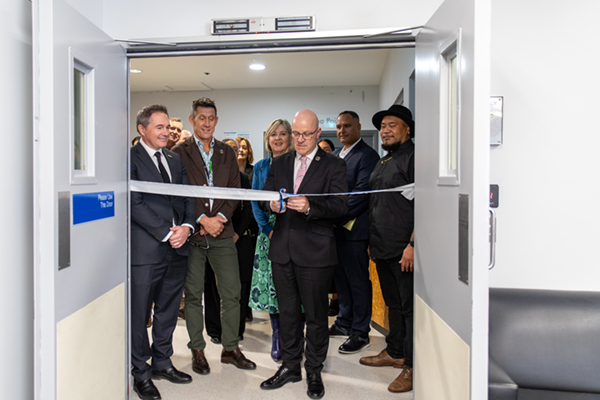 Ten new forensic inpatient beds have been made available at the Regional Forensic Psychiatric Service at Waikato Hospital to expand forensic mental health capacity for adults in prison or on remand in Health New Zealand’s Midland region.
|
| 18 May |
Strong gains in two-year immunisation target for Tamariki MāoriHealth New Zealand is welcoming a significant increase in Māori immunisation rates, with full immunisation at 24 months rising from just over 60 per cent in late 2024 to 71.5 per cent at the end of last month. |
| 15 May |
New global report shows empowering nurses is key to saving lives and strengthening health systemsAs the world marks International Nurses Day, the International Council of Nurses (ICN) is calling for urgent investment in nursing, supported by a major new global report, Our Nurses. Our Future. Empowered Nurses Save Lives, that presents seven key nursing powers. |
| 14 May |
Lakes and Whanganui nurses still waiting for Holiday Pay a decade on
Photo by Fin Ocheduszko-Brown at Whanganui Chronicle Nurses at Lakes and Whanganui districts are calling on Te Whatu Ora to explain why after a decade of redress, they still don’t know when they will receive their full Holiday Act remediation payments, NZNO says. |
| 13 May |
Recognising the extraordinary contribution of nursesInternational Nurses Day is an opportunity to recognise the extraordinary role nurses play in caring for New Zealanders at every stage of life, Health Minister Simeon Brown says. |
| 12 May |
Government’s decision to scrap fees free scheme will lead to further student exodusThe Coalition Government’s decision to scrap the fees free policy for third year tertiary students has left nursing tauira outraged |
| 30 Apr |
BroPilot grounding digital tools in whānau, culture, and care A passion for his Māori culture and a desire to make AI accessible to everyone inspired Troy Baker, Senior ICT Specialist, Health New Zealand to develop BroPilot – a culturally grounded way of working with Microsoft Copilot that reflects Māori values, whakaaro, and real lived experience.
|
| 29 Apr |
Heartbreaking tragedies were avoidable - NZNOAnalysis by a media outlet, published today, finding health care staff shortages were contributing factors in the deaths of 11 babies is a national and avoidable tragedy, NZNO says. |
| 28 Apr |
CTU launches Roving Health and Safety Representatives policy on Workers’ Memorial DayThe New Zealand Council of Trade Unions Te Kauae Kaimahi has today launched our Roving Health and Safety Representatives policy at the Workers’ Memorial Day commemoration in Wellington, with further events held across the motu in Manawatū, Christchurch, and Otago. |
| 24 Apr |
“The 80s Calling”: New national campaign challenges outdated HIV stigmaAssociate Health Minister Matt Doocey today launched Health New Zealand’s “The 80s Calling”; a provocative new campaign designed to reduce stigma, normalise conversations about HIV, and support people living with HIV. |
| 23 Apr |
Government’s attack on Māori health raised at the UNConcerns over the Coalition Government’s active reversal of policies designed to improve Māori health outcomes were raised at the United Nations in New York this morning. |
| 16 Apr |
Tribute to Professor Lester Levy’s service to healthcareHealth New Zealand Chief Executive Dr Dale Bramley is paying tribute to Health NZ Board Chair Professor Lester Levy, who finishes in the role at the end of the month. |
| 10 Apr |
Chronic health care assistant short staffing harming vulnerable patientsTe Whatu Ora’s attempt to cut costs by requiring health care assistants to carry out cohort patient watches is harming vulnerable patients and staff, NZNO says. |
| 9 Apr |
New group education clinics speeding up knee and hip surgery careHealth New Zealand is rolling out a new group education approach for people waiting for hip and knee surgery in north and west Auckland, resulting in more patients being seen sooner. |
| 25 Mar |
National Diabetes Roadmap launched to improve care, prevention, and quality of lifeHealth New Zealand has launched a new National Diabetes Roadmap (‘the Roadmap’) to improve care, strengthen prevention, and support better health outcomes and quality of life for people living with diabetes. |
| 24 Mar |
ACT should leave nursing to professionals and medical evidenceTōpūtanga Tapuhi Kaitiaki o Aotearoa NZNO Kaiwhakahaere Kerri Nuku says ACT MP Todd Stephenson has dismissed the Nursing Council’s draft code of conduct - which proposes strengthening cultural safety, whānau-centred care and te Tiriti o Waitangi obligations - as political ideology. |
| 23 Mar |
UK report reflects ICN warnings on international recruitment ripoff — now countries must act togetherThe International Council of Nurses (ICN) warmly welcomes a new report from the UK All Party Parliamentary Group (APPG) on Global Health and Security that recognizes the huge sums saved by high-income countries who recruit abroad and acknowledges the severe harms caused by unethical recruitment from fragile source countries left without nurses. |
| 20 Mar |
HPV self-test boosts cervical cancer screening ‘across the board’, new study confirmsMaking human papillomavirus (HPV) self-testing available to all women increases the number of people screened for cervical cancer, a new study led by researchers from Te Herenga Waka—Victoria University of Wellington has confirmed. |
| 19 Mar |
ICN at CSW70: Violence against nurses is a gendered crisis threatening global healthThe International Council of Nurses (ICN) has warned that violence against nurses is a global gendered crisis that threatens health systems, patient safety and workforce sustainability |
| 17 Mar |
Additional winter health care workers a drop in the ocean of needThe Government’s announcement today of 378 extra staff to help hospitals cope with winter demand is a drop in the ocean of what patients need, NZNO says. |
| 12 Mar |
Funding change will ensure more consistent emergency care for New ZealandersA simple change in how ambulance medicines are funded is set to create more consistent emergency care. |
| 9 Mar |
Questions over dilapidated and cramped renal unit forced to ration dialysisThe Health Minister must explain why after years of concerns from nurses about Christchurch Hospital’s barely functioning dialysis unit, he only stepped in late yesterday when life-saving treatment had to be rationed, NZNO says. |
| 3 Mar |
Hospitals and health workers should never be targetsThe right of health care workers to provide care during international conflicts must be protected, Tōpūtanga Tapuhi Kaitiaki o Aotearoa NZNO says. |
| 2 Mar |
Public and Mental Health Nurses settle collective agreementHealth New Zealand welcomes the ratification of the two Public Service Association (PSA) Public and Mental Health Nurses collective employment agreements for Auckland and the Rest of New Zealand. |