


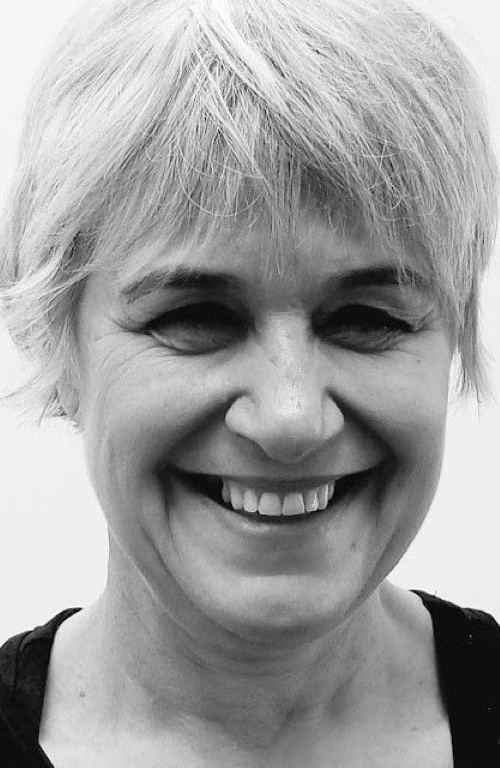
About the authors:Aimee Miles, RN, MHSci(clin nsg), is a clinical nurse specialist at Christchurch Hospital, Canterbury District Health Board, Christchurch, New Zealand. Raewyn Lesa, RN, MN, PhD, is a senior lecturer in the Centre for Postgraduate Nursing Studies, University of Otago, Christchurch. Lorraine Ritchie, RN, MHSci, PhD, is a lecturer in the Centre for Postgraduate Nursing Studies, University of Otago, Christchurch. This article was accepted for publication in October 2021. |
ABSTRACTAim: This research sought to evaluate the experiences of nurses working with decentralised workstations in New Zealand hospital wards, to explore the intersection between the physical environment and its impact on nurses and nursing care. Background: The environment in which nurses deliver care is always changing. There has been a shift away from centralised nurses’ stations in wards to decentralised satellite workstations. While studies have shown positive aspects of this shift, unintended challenges of this design for nurses have been identified, eg increased physical exertion, feelings of isolation and challenges related to teamwork. Methods: This exploratory qualitative design collected data by way of two focus groups with nurses who worked in a hospital ward with a decentralised nursing station. Each focus group consisted of seven participants and ran for approximately 30 minutes. The focus groups were audio-recorded and transcribed for thematic analysis. Findings: The findings showed a dichotomy of experiences and views about decentralised workstations. While there were benefits for patients, such as quicker response to call bells, nurses being in close proximity and more communication with families, for the nurses, there were feelings of isolation which affected teamwork, collegiality and nursing culture. The nurses also faced challenges related to increased walking, less patient visibility, lack of space to document nursing care and limited knowledge of other patients on the ward. Conclusion: There is a need for well-researched and considered hospital design, with both the patient and the staff considered during the planning process. |
||||
KEYWORDSdecentralised work station, pod nursing, hospital design, nurse collegiality |
|||||
 Aimee Miles
 Raewyn Lesa
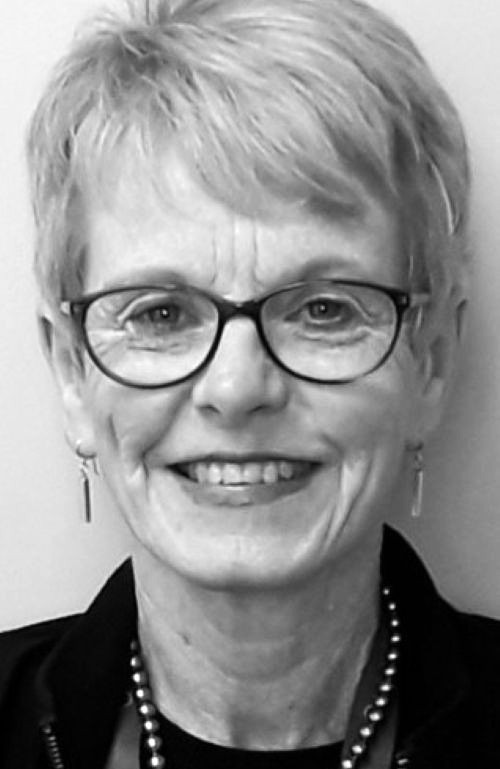 Lorraine Ritchie
INTRODUCTION
THE ENVIRONMENT IN WHICH nurses deliver care is always changing. In the modern hospital inpatient ward, there has been a step away from the traditional central nurses’ station to decentralised nursing stations (DNS). This shift has changed the model of care and had an impact on the nursing workforce (Fay et al., 2017; Gum et al., 2012). The student researcher for this master of health science research study has worked in both centralised and decentralised satellite stations and has experienced benefits and challenges of both models. This research sought to evaluate the experiences of nurses working in decentralised satellite workstations to determine the advantages and limitations of working in this context, as well as explore the intersection of the physical environment and nursing care. The study aimed to identify strategies to support staff working in a decentralised environment and suggest recommendations for hospital management and nursing leaders to formulate strategies to make nursing in a decentralised environment successful for staff and patients.
BACKGROUND
Decentralisation of the nursing station – also known as pod nursing, geographical nursing or modular nursing – is generally defined as several small workstations each located next to a cluster of patient rooms (Bayramzadeh & Alkazemi, 2014). Nurses working in pods usually work with only one other nurse and may not see others unless they are in a shared space such as the medication room. Decentralising the nursing station and creating geographically positioned pods has become a popular mode of design (Zadeh et al., 2012). The reasoning behind this shift is that by decentralising the nurses’ station and placing pods closer to patients’ rooms, nurses may spend more time at the bedside. For nurses, there may also be less distractions and noise, less walking and reduced physical burdens, more bench space and access to computers, and reduced infection rates (Gum et al., 2012; Pati et al., 2015; Real et al., 2017).
Strategically placed decentralised nursing stations may decrease physical exertion for nurses if they are closer to their assigned patients and if they can see their patients while documenting care at the satellite station (Hendrich, et al., 2008; Copeland & Chambers, 2017). Studies have shown that nurses working in decentralised stations made more visits to patient rooms (Gurascio-Howard & Malloch, 2007), which has been linked with increased communication with patients and their families and improved patient satisfaction (Real et al., 2018). Extra time at the patient bedside and increased visibility of patients afforded by decentralised nursing stations have also been widely linked to a reduction in falls and quicker response times to call bells (Brewer et al., 2018).
Other reported benefits of the decentralised station for nurses include reduced noise and distractions, and more bench space with improved availability of computers, telephones and equipment (Copeland & Chambers, 2017; Zhang et al., 2015). A decentralised nursing station may also increase staff visibility and therefore remove a perceived physical barrier between staff and the public (Zborowsky et al., 2010). Increased proximity has been shown to be reassuring for patients and their family members (Bosch et al., 2016). An added benefit is that decentralised nursing stations may mean less physical exertion due to less walking. This may encourage nurses to stay longer in the workforce, improve morale, reduce stress and increase staff satisfaction (Friese et al., 2014; Stichler, 2013).
While these reported benefits of decentralised stations are positive, other studies have shown that nurses face challenges in this environment (Becker, 2009). Becker (2007) argued that decentralisation affects staff connections, learning by participation with others, and the flow of information (which in nursing is often opportunistic rather than planned). Becker points out that socialising, while often considered wasted time, is the foundation of teamwork and collaboration, which builds trust and offers direction, mentoring, feedback and learning.
Nurses have also spoken about a lack of shared space in decentralised stations which affects collegiality and mentoring of new or junior staff (Real et al., 2018; Zhang et al., 2015). Informal interactions between nurses gathered at a central station, acts as a conduit for relationships between colleagues and provides an opportunity for junior staff to elicit knowledge and experience from those around them (Hendrich et al., 2008; Real et al., 2017). Similarly, Parker et al. (2012) point out that a centralised hub fosters social interactions and support in a job that is emotionally taxing. These authors argue that the physical environment for nurses should help ameliorate the emotional fatigue, stress and burnout often associated with nursing.
Several studies have shown that decentralising the workstation may have an unintended consequence of nurses feeling isolated (Copeland & Chambers, 2017; Parker et al., 2012; Real et al., 2018; Zhang et al., 2015). These feelings typically arise from not seeing other nurses and therefore being unaware of their workloads (Bosch et al., 2016; Copeland & Chamber, 2017). According to Bosch et al. (2016), if nurses cannot see their colleagues, they are less likely to ask for help and they may not know that their co-workers need help. Whereas being in close proximity to one another allows for co-ordination and co-operation – both hallmarks of a high-functioning, positive team environment (Kalisch & Begeny, 2005). Identifying when nurses are stressed or busy plays an important role in nursing culture, because team members can offer each other physical or emotional support (Parker et al., 2012; Real al., 2017). The geographical separation of the stations may also mean the nurse in charge of the shift is unaware that a nurse requires extra help or guidance (Zhang et al., 2015).
In summary, research shows there are both positive and negative outcomes from the decentralisation of nursing stations. However much of the research has employed quantitative methods or questionnaires, which limits a qualitative understanding of the impact of a decentralised environment for nurses. The aim of this study was to highlight the nurse’s voice to explore how ward design works in the New Zealand context. It aims to provide data on the positives and negatives of this design model for nurses working in this environment. Since decentralisation of the nursing station is a design growing in popularity with hospital developers, this research project may help conceptualise the problems and successes of this model and add to the growing knowledge on the topic.
METHODOLOGY
The research design was an exploratory qualitative approach, employing two focus groups to explore the experiences of the nurses who worked in a ward with a decentralised nursing station. Focus groups were chosen as an efficient and effective method to bring nurses together to share their experiences. It was also a method suited to the nurses, who were time poor due to workloads, because the focus group could be conducted on the ward during a scheduled education session.
Potential participants were registered nurses who worked and delivered care in a ward with decentralised satellite workstations. The inclusion criteria were kept broad to include charge nurse managers, clinical nurse educators and clinical nurse specialists, as they could offer different perspectives, creatiing a holistic picture of the decentralised model. The aim was to recruit nurses from two different contexts (an acute hospital setting and a rehabilitation hospital setting). However the COVID-19 pandemic affected recruitment from acute care, and consequently, nurses were recruited from the rehabilitation setting only. The recruitment process consisted of displaying advertising posters as well as a short verbal presentation to the ward on the research project. Participants were asked to express their interest by contacting the researcher, who then emailed them further information about the study.
Two focus groups (seven nurses in each) were conducted at a tertiary-level rehabilitation hospital where the nurses worked. The reason for having two focus groups was due to the number of nurses expressing an interest in participating. The nurses could choose which focus group to attend. Each focus group ran for approximately 30 minutes. The groups were facilitated by the student researcher using a semi-structured interview guide. A second person who signed a confidentiality form was present at the first focus group to observe group behaviours and take notes. The student researcher was unable to find a suitable note-taker for the second focus group. The questions were pre-planned but were adapted to the flow of the conversation, as well as to seek clarity and obtain detail. Participant demographics were also collected.
Examples of the opening questions included:
1) Tell me about the ward layout, ie is your medication room centralised? Are your supplies decanted to your workstations?
2) How does the layout of your ward impact on how you do your job?
3) Does it support or hinder you in providing nursing care?
The set phases outlined by Clarke and Braun (2017), and similarly reinforced by Attride-Stirling (2011), guided the thematic analysis. This process involved becoming familiar with the data and then creating codes based on what the researcher felt was characteristic of a piece of data (Clarke & Braun, 2017). Next, the codes were organised into themes and sub-themes that fed into the primary and overarching themes. The final phase involved reviewing the themes to determine their validity in reflecting the data, ensuring each theme was well supported by data, checking that the appropriate sub-themes and codes were under the main themes, and checking that the themes were distinct from one another (Clarke & Braun, 2017). The student researcher led the analysis, with input and discussion about the emerging themes from the two other experienced researchers. To promote trustworthiness, the themes are illustrated with verbatim quotes from the nurses, so readers can determine if the interpretations make sense.
Ethics approval for the study was obtained from the University of Otago ethics committee (reference: D20/071) and the hospital in which the nurse participants worked. The researchers were not asked to keep the setting confidential. However they chose to not name the hospital/region in the write-up because New Zealand is small, therefore participants might be identified. The application of tikanga Māori in regard to the decentralisation model and its relationship to partnership with whānau and access to nurses was discussed during consultation with Māori.
FINDINGS
A total of 14 nurses participated in the two focus groups – seven nurses in each group. The majority were female and there was a range of ages. Unfortunately, there was no Māori voice, which would have added to the findings of this research. There were only two nurses working in the ward where this research was conducted who identified as Māori, which may explain why this voice was lacking. Nurse demographics are shown below in Table 1.
Table 1: Nurse demographics
| Gender | |||||
|---|---|---|---|---|---|
| Male | Female | Other | |||
| Group 1 | 2 | 5 | 0 | ||
| Group 2 | 1 | 6 | 0 | ||
| Total | 3 (21%) | 11 (79%) | |||
| Age | |||||
| 21-30 | 31-40 | 41-50 | 51-60 | 60+ | |
| Group 1 | 1 | 1 | 3 | 2 | 0 |
| Group 2 | 0 | 3 | 1 | 1 | 2 |
| Total | 1 (7%) | 4 (29%) | 4 (29%) | 3 (21%) | 2 (14%) |
| Ethnicity | |||||
| NZ European | Māori | Pasifika | Asian | Other | |
| Group 1 | 2 | 0 | 1 | 3 | 1 |
| Group 2 | 4 | 0 | 0 | 1 | 2 |
| Total | 6 (43%) | 0 | 1 (7%) | 4 (29%) | 3 (21%) |
Drawing on the thematic analysis of the focus group data, a possible dichotomy was identified, in that a decentralised nursing station environment benefited the patients but not necessarily the nurses.
This finding is presented in three overarching themes:
1) Benefits for patients and families.
2) Challenges related to the ward design.
3) Feelings of isolation.
Together, these three themes describe the nurses’ experiences of working in a ward with pods, as opposed to a centralised nursing station. These findings are presented with excerpts from the focus group data to illustrate. For clarity, unnecessary words and slang have been removed from the quotes presented.
Benefits for patients and families
The nurses discussed several benefits of working in a DNS environment for the patients and their families. A recurrent theme was that open spaces and improved visibility of the nurses created opportunities for communication and interactions between families and nurses. One nurse suggested that because the families could see them, the nurses were perceived as more approachable. The nurses suggested this approachability differed to wards with a centralised nursing station because in that design, the public areas and the nurses’ station may seem separated:
“When we were centralised, it felt like we were quite separate and the families wouldn’t come to the door”.
“You have more contact with them [patient’s families]. You say hello as they come in and goodbye as they go out. In here [a centralised room] we probably wouldn’t see them come and go”.
The nurses discussed an important benefit of a DNS in regards to patient safety in that their response time to answer call bells was quicker. The main reason for this was that the nursing stations were geographically closer to the patient rooms compared to when they worked in a centralised nursing station. One nurse explained that being able to answer bells promptly meant patients were less likely to try to mobilise without assistance. Several nurses suggested that hearing the nurses moving about, or conversing with others, particularly during the day shift, was reassuring for patients:
“They do say they can hear us, they know we’re out there, they can hear people talking . . . so there is some type of reassurance”.
“I think bells are acknowledged sooner . . . I think our response time and our timeliness to respond to patients’ needs generally, is greater and better”.
“Presence of staff in an area where patients were all the time works in theory because ultimately, we base ourselves at a pod . . . We do a lot around the pods”.
These examples show the nurses perceived there were important benefits for their patients and families when working in a DNS environment. These benefits aligned with the intended purpose of the DNS which was that nurses would spend more time at the bedside, respond more quickly to call bells and that falls would be reduced (Real at al., 2018). However, there were further discussions in the focus groups that a DNS environment benefited the patients but not necessarily the nurses. The following themes highlight the challenges the nurses in this study experienced when working in a DNS environment.
Challenges related to the ward design
The impact of the ward design on the nurses was discussed in both focus groups. A particular challenge they spoke about was that despite their DNS being close to the patients’ rooms, the patients could not see them. This was due to the room configuration, in which the bed was positioned behind the wall. The problem was exacerbated when the glass doors into the rooms that were initially clear, were frosted to protect the privacy of the patients. One nurse explained this was a possible falls risk for patients as they often “tried to get up and do it themselves”. The room configuration also meant nurses could not see the patients:
“If you were sitting on the toilet as a patient, everyone coming down the corridor could see you sitting on the toilet so hence why there’s now frosting, but that diminishes our ability to have line of sight into the rooms”.
“If you stand at the end of the staff station, you can glance and see into patient rooms, but you can’t always see their heads or the head of the bed. You can see that they are probably still in their beds at a glance . . . but generally they can’t see you either”.
The nurses also spoke about the potential effect of the ward design on their working day. The first was that the medication room and kitchen were located at one end of the ward by the entrance. If the nurse was assigned to the DNS furthest away from the entrance, they walked more during their shift. Some of the nurses said they had noticed more patient falls during medication times because they were in the medicine room rather than at their DNS:
“The end pod does a lot more walking with going to the kitchen to get a cup of tea and meds”.
“People want to get up and go to the bathroom, yet people aren’t around when we’ve got activities that take nurses away from those patient areas”.
The second challenge the nurses discussed was a lack of space in the DNS to write their notes. Space was particularly problematic during the morning shift because the multidisciplinary team often sat at the DNS. The nurses found this lack of space frustrating because they needed to find an alternative space to write patient notes. Examples were given of writing notes standing at the counter, in the patient lounge, or at the kitchen tables, which was not practical or private:
“It’s a dining room for the patients, so if you’re sitting there with patient notes it’s like a confidentiality [issue].”
“We encourage visitors [and the] patients to sit in that area . . . so that’s not actually that practical for us.”
Feeling isolated
Another challenge of working in a DNS, discussed in both focus groups, was a feeling of “being on their own”. The nurses explained that this feeling was especially noticeable when they needed assistance, or later in the evening when they had settled their patients for the night:
“We used to have two nurses . . . so we always knew if they needed help with something, it’s not like that anymore, you’re normally left on your own”.
“One nurse can sit in quite an isolated space and be quite lonely”.
“It is quite isolating, especially in the evenings when everyone might be in their rooms with their patients and you can’t find anybody”.
The nurses also spoke about receiving less support from their colleagues when working in a DNS, largely because the other nurses might not realise how busy they were:
“We don’t really know if the nurse in that pod is really struggling unless they tell us that they are actually struggling . . . When we are centralised . . . we huddle together and if that person or nurse is not interacting [because] there’s something she’s busy doing, we can offer help right away”.
“If you’re in a big pod all together, you know what your colleagues [are] going through and you’re all out there to bat for them . . . it’s not like that anymore”.
By comparison, working in a centralised nursing station provided the nurses with a hub for social connections and interactions:
“You miss out on the connection point throughout your whole entire duty, apart from your initial handover that you have.”
“[When] you were centralised, you saw people in and out so you would be like ‘Oh, are you alright?’ You would check in with people more.”
A new graduate nurse explained that for her, interactions with senior nurses were especially important because these moments provided an opportunity to chat about her patients. Other nurses spoke about less “banter”, chatting, debriefing and laughter when working in a DNS, which one nurse described as a loss of camaraderie. The nurses explained it like this:
“We used to have banter at the end of the shift while we wrote our notes and debrief . . . it was all good but there is none of that anymore.”
“Patients used to tell me, it’s so nice to hear you girls laughing out there. That doesn’t really happen too much anymore, which is really quite sad.”
“There is not much comradery and some people might not think that’s important but I do, [for] your mental health in a workplace”.
Similarly, the nurses spoke about the impact of a DNS environment on the ward culture which typically thrived on social interactions. For example, one nurse explained that nurses were “sociable creatures”. Various strategies had been implemented to try to overcome isolation such as having “huddles” and catch-ups. However, due to busyness, these strategies were difficult to sustain:
“The ward culture certainly depends on nurses being able to talk to each other . . . we’ve put everyone into these little cells to work on their own. I do find the feel of the ward certainly changed . . . for nurses and the whole culture of nursing. I think we’re actually losing a bit in a way”.
“Our staff try and meet together at some point, especially in the afternoon . . . our reasoning [is] that there was an opportunity to catch up about a particular patient, so everyone was aware”.
“We do encourage huddles and they are meant to be where you connect with people, but there are varying thoughts on how that occurs.”
A related challenge the nurses discussed was that because they worked in geographically separated nursing stations, they had limited information about other patients on the ward. Whereas when they worked together in a centralised nursing station, they often overheard their colleagues discussing their patients. The result was an overall knowledge of what was happening in the ward which was deeper than the handover given at shift change:
“If it’s centralised . . . we are able to know all of the patients, rather than just that particular pod”.
“You have a brief overview of them but you don’t know them well”.
“You heard all the conversations as it happened, whereas you probably don’t get that [in the pod] because . . . we generally don’t talk with the others the same”.
The nurses also discussed safety concerns associated with less knowledge about the other patients on the ward. For example, one nurse said there was an increased reliance on the mobility boards above the patient’s bed. She explained that if this board was not up-to-date, safe mobilisation might be compromised. Another concern raised by several nurses was that their colleagues might not realise their patient was deteriorating. To alert the other nurses that they needed help, using the emergency bell might be their only option, which was not ideal:
“You are heavily reliant on the bedside boards . . . you really hope that they are up to date”.
“I have been involved in situations where a lot can be happening with an individual patient in one pod and the rest of the ward is probably unaware that the patient is deteriorating”.
“The nurse is flat out and unless they activate an emergency button or the clinical emergency . . . gets to that point . . . the rest of the ward can remain [oblivious] to the fact that that is happening around them”.
DISCUSSION
The findings of this study show that nurses felt that while there were benefits of decentralised nursing stations for patients, the design posed some challenges for nurses. The perceived benefits for patients were having nurses closer at hand and a quicker response time to call bells, both of which have been reported in the literature (Hua et al., 2012; Zhang et al., 2015). This is a positive finding because other studies have shown that responding more quickly to call bells increases patient satisfaction (Hua et al., 2012) and prevents patient falls (Zhang et al., 2015). While data related to patient satisfaction and falls were not collected in this study, the nurses believed working in close proximity to patients enabled them to respond to their patients in a timely manner, which meant patients were less likely to try to mobilise by themselves.
The nurses in this study spoke about increased walking during their working day because of the way the ward was designed. Those working in the DNS furthest away from the medication rooms and kitchen were affected the most. However, the literature highlights conflicting findings about whether working in a DNS increases the amount of walking a nurse does. Some studies have shown that locating a DNS closer to patient rooms results in less walking (Pati et al., 2012; Real et al., 2017). The findings in this study suggest an influencing factor as to how much a nurse walks during their working day, is the location of frequently accessed areas, such as the medication room. This is worth considering during the hospital design process.
Another perceived benefit of a DNS identified by the nurses in this study was that they were more visible, which created opportunities to interact with patients and families. The nurses believed this visibility reassured patients, which is consistent with the findings in other studies (Bosch et al., 2016; Zborowsky et al., 2010). In the context of this study, this finding is important because the nurses worked in a rehabilitation ward with mostly older patients who the nurses said could be quite anxious. Further, visible nurses might be perceived as more approachable and in the New Zealand context, this may support working in partnership with Māori patients and their families.
On the other hand, increased visibility did not necessarily translate to these nurses being able to see their patients. Some desks were positioned so that nurses faced away from patients and had to turn around in order to see into the rooms. This may not have been the way the original ward design was envisioned but rather an unintended consequence of furniture and door placement. Visibility, and having patients in the nurse’s line of sight were high on the list of reasons why DNSs were designed (Jimenez et al., 2019). Therefore this lack of visual access to patients in the ward studied appeared to be out of the norm. While the literature about DNS does not specifically state how to physically design these spaces, it does implicitly state that visibility is key (Hua et al., 2012). There is a potential that this lack of line of sight contributed to what the nurses in this study perceived was an unchanged patient fall rate.
The nurses also identified a lack of space at the DNS which meant they sometimes used public spaces to complete documentation. A lack of DNS space is not reported in the literature; however other hospitals with a DNS model have introduced a hybrid design by including a centralised space for allied health, nurses and medical teams (Copeland & Chambers, 2017; Zhang et al., 2015). The use of the hybrid design (a combination of pods and a shared space to congregate) may address some of the issues with space, as well as providing an opportunity for social connections.
For the nurses in this study, the foremost personal challenge of the DNS model was feelings of isolation which the literature suggests may be the largest unintended consequence of this design (Tyson et al., 2002; Zborowsky et al., 2010; Zhang et al., 2015). For the nurses, isolation affected teamwork, collegiality and ward culture, which were intertwined and interdependent concepts. Isolation may also have an impact on informal mentoring of novice nurses – this is significant because learning by osmosis from experienced nurses is a cornerstone of nursing (Becker, 2007). Similarly, the nurses spoke about receiving less support in a DNS because their colleagues might not have noticed that they were stressed or busy. Zhang et al. (2015) reported a similar finding; however these researchers found that over time, the nurses started to address this issue by actively working on changing their nursing culture, and having “huddles”. This finding suggests there is the potential to address isolation if strategies are put in place to bring nurses together.
Another challenge for the nurses this study identified was that working in a DNS could affect collegiality. The nurses spoke about missing laughter, and opportunities to share, bounce ideas off each other, and debrief. According to Gurascio-Howard and Malloch (2007), when working in a DNS, the nurses still actively sought to congregate in communal spaces to interact with colleagues. Collegiality is important because it helps build trust and enables nurses to form bonds, find common ground and relate to one another (Real et al., 2018). It also provides much-needed emotional support in a job that can be emotionally taxing (Zhang et al., 2015). The nurses in this study had not yet consistently used strategies such as “huddles”, communication technologies, or rostering an extra nurse in charge, all of which might address some of these challenges.
The nurses suggested isolation was a patient-safety risk because their colleagues could be unaware of what was going on in other pods. This is an international concern with the DNS model (Parker et al., 2012; Real et al., 2018). A participant in a study by Real et al (2018) explained that “people could be coding, could be sick. You can’t hear anything or see anything” (p.8). This issue might therefore be a global one and not just be specific to the application of the DNS design in the New Zealand context. This is a concerning finding because if nurses do not have enough knowledge about the other patients on the ward, or receive the support they need, patients may be at risk and the stress on nursing staff may increase.
RECOMMENDATIONS
The following recommendations are suggested strategies to support nurses working in DNS and foster a working environment more conducive to providing nursing care.
1) Consider bringing in communication technology that nurses could use to get help if they are working alone, eg a wireless communication tool that the nurses could carry with them.
2) Implement nurse “huddles” at least once a shift so they can connect with each other, discuss their patients and flag any unwell patients.
3) Consider an increase in nurse staffing so a nurse without a patient load can be rostered as an extra each shift. This role could include intentional rounds of all pod stations; support, mentoring and advice for staff; medication checks; and assistance if a patient is deteriorating.
4) Explore whether simple changes are possible in the existing ward layout (room configuration) to increase visibility of the patients for the nurses.
Further research about the experiences of nurses working in the DNS model with a larger sample size, and across other geographical locations and ward settings, would further our understanding of this topic. Studies to investigate the relationship between the DNS model and patient safety, and research into effective strategies for the improvement of the DNS model for nurses would be beneficial.
LIMITATIONS
This research explored the experiences of nurses in a specific DNS environment, therefore the implications and recommendations might be limited. A strength of focus groups is that nurses can interact and share their perspectives; the researchers acknowledge that the voice of confident personalities may overshadow the voice of quieter participants.
CONCLUSION
This research project has highlighted nurses’ perspectives of the benefits and challenges of decentralised satellite stations. The main benefit was that open spaces and improved visibility of the nurses created opportunities for communication and interactions between families and nurses. There were some challenges for the nurses, related to isolation and loss of collegiality; however with thoughtful consideration, these challenges might be mitigated. Nurses spend the most time providing hands-on care in the ward environment. Therefore consulting and including nurses in the design stage of the ward layout may lessen some of the challenges these nurses experience.
REFERENCES
Attride-Stirling, J. (2001). Thematic networks: An analytic tool for qualitative research. Qualitative Research, 1(3), 384-405.
Bayramzadeh, S., & Alkazemi, M. F. (2014). Centralized vs. decentralized nursing stations: An evaluation of the implications of communication technologies in healthcare. Health Environments Research and Design Journal, 7(4), 62-80.
Becker, F. (2009). At one with your surroundings? Improve the nursing work environment by better understanding the role of physical design. Nursing Management, 40(8), 24-27.
Becker, F. (2007). Nursing unit design and communication patterns: what is “real” work? Health Environments Research and Design Journal, 1(1), 58-62.
Bosch, S. J., Apple, M., Hiltonen, B., Worden, E., Lu, Y., Nanda, U., & Kim, D. (2016). To see or not to see: Investigating the links between patient visibility and potential moderators affecting the patient experience. Journal of Environmental Psychology, 47, 33-43.
Brewer, B., Carley, K. M., Benham-Hutchins, M., Effken, J. A., Reminga, J. (2018). Nursing unit design, nursing staff communication networks, and patient falls: Are they related? Health Environments Research and Design Journal, 11(4), 82-94.
Clarke, V., & Braun., V. (2017). Thematic analysis. The Journal of Positive Psychology, 12(3), 297-298.
Copeland, D., & Chambers, M. (2017). Effects of unit design on acute care nurses’ walking distances, energy expenditure, and job satisfaction: A pre-post relocation survey. Health Environments Research and Design Journal, 10(4), 22-36.
Fay, L., Carll-White, A., Schadler, A., Isaacs, K. B., & Real, K. (2017). Shifting landscapes: The impact of centralized and decentralized nursing station models on the efficiency of care. Health Environments Research and Design Journal, 10(5), 80-94.
Friese, C. R., Grunalawt, J. C., Bhullar, S., Bihlmeyer, K., Chang, R., & Wood, W. (2014). Pod nursing on a medical/surgical unit: Implementation and outcomes evaluation. Journal of Nursing Administration, 44(4), 207-211.
Gum, L. Y., Prideaux, D., Sweet, L., & Greenhill, J. (2012). From the nurses’ station to the health team hub: How can design promote interpersonal collaboration? Journal of Interpersonal Care, 26(1), 21-27.
Gurascio-Howard, L., & Malloch, K. (2007). Centralized and decentralized nurse station design: An examination of caregiver communication, work activities, and technology. Health Environments Research and Design Journal, 1(1), 44-57.
Hendrich, A., Chow, M. P., Skierczynski, B. A., & Lu, Z. (2008). A 36-hospital time and motion study: How do medical-surgical nurses spend their time? The Permanente Journal, 12(3), 25-34.
Hua, Y., Becker, F., Wurmser, T., Bliss- Holtz, J., & Hedges, C. (2012). Effects of nursing unit spatial layout on nursing team communication patterns, quality of care, and patient safety. Health Environments Research and Design Journal, 6(7), 8-38.
Jimenez, F. E., Puumala, S. E., Apple, M., Bunker-Hellmich, L., Rich, R. K., & Brittin, J. (2019). Associations of patient and staff outcomes with inpatient unit designs incorporating decentralized caregiver workstations: A systematic review of empirical evidence. Health Environments Research and Design Journal, 12(1), 26-43.
Kalisch, B. J., & Begeny, S. M. (2005) Improving nursing unit teamwork. Journal of Nursing Administration, 15(12), 550-556.
Parker, F. M., Eisen,S., & Bell. J. (2012). Comparing centralized vs. decentralized nursing unit design as a determinant of stress and job satisfaction. Journal of Nursing Education and Practice, 2(4), 66-76.
Pati, D., Harvey, T. E., Redden, P., & Summers, B. (2015). An empirical examination of the impacts of decentralized nursing unit design. Health Environments Research and Design Journal, 8(2), 56-70.
Real, K., Bardach, S. H., & Bradach, D. R. (2017). The role of the built environment: How decentralized nurse stations shape communication, patient care processes, and patient outcomes. Health Communication, 32(12), 1557-1570.
Real, K., Santiago, J., Fay, L., Isaacs, K., & Carll-White, A. (2018). The social logic of nursing communication and team processes in centralised and decentralised workspaces. Health Communication, 34(14).
Stichler, J. (2013). Healthy work environments for the ageing nursing workforce. Journal of Nursing Management, 21, 956-963.
Tyson, G. A., Lambert, G., & Beattie, L. (2002). The impact of ward design on the behaviour, occupational satisfaction and well-being of psychiatric nurses. International Journal of Mental Health Nurses, 11(2), 94-102.
Zadeh, R. S., Shepley, M. M., & Waggener, L. T. (2012). Rethinking efficiency in acute care nursing units: Analayzing nursing unit layouts for improved spatial flow. Health Environments Research and Design Journal, 6(1), 39-65.
Zborowsky, T., Bunker-Hellmich, L., & O’ Neil, M. (2010). Centralized vs. decentralized nursing stations: Effects on nurses’ functional use of space and work environment. Health Environments Research and Design Journal, 3(4), 19-42.
Zhang, Y., Soroken, L., Laccetti, M., Ronan de Castillero, E., & Konadu, A. (2015). Centralized to hybrid nurse station: Communication and teamwork among nursing staff. Journal of Nursing Education and Practice, 5(12).
Daily doses – uncut news
| 5 Oct |
Labour's pay rise a first step, but pay equity needs a full settlementTōpūtanga Tapuhi Kaitiaki o Aotearoa NZNO has welcomed Labour's promised pay rise for care and support workers as a first step. It says care and support workers now need a full settlement of their pay equity claim and a workable pay equity system for all of its members. |
| 1 Oct |
Health NZ releases first national report on serious adverse eventsHealth New Zealand has published its first national Serious Adverse Event Report, acknowledging the serious harm experienced by patients and whānau and outlining the improvements identified and actions underway to strengthen patient safety. The report covers serious adverse events reported in Hospital and Specialist Services between 1 July and 31 December 2025. |
| 25 Sept |
380 more health care workers at the end of winter too little too lateAn announcement of 380 additional nurses, midwives and health care assistants for hospitals around the country at the end of winter is too little too late, NZNO says. |
| 23 Sept |
Auckland University research finds nurse shortages increase post-surgery deaths and complicationsNew research by Auckland University has found addressing nurse shortages in post-operative care may save 182 lives a year because short-staffed wards have higher rates of potentially preventable deaths and complications after their surgeries. |
| 21 Sept |
Whanganui Hospital ED averaged 680% capacity over a week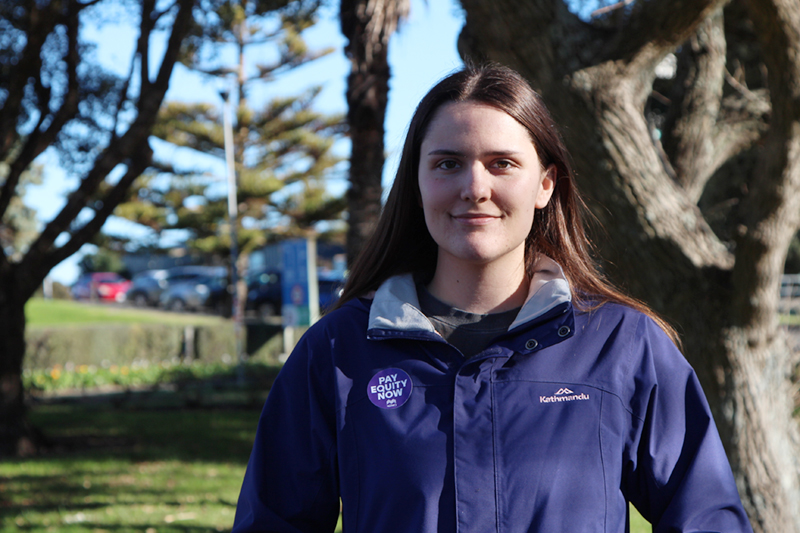 Working in an overcrowded emergency department (ED), up to 680% capacity over a week, makes staff feel overwhelmed with the pressure, Tōpūtanga Tapuhi Kaitiaki o Aotearoa NZNO says.
|
| 14 Sept |
WellSouth's Newborn Enrolment Kahu Taurima Programme a finalist at the Primary Care Awards 2026WellSouth's Newborn Enrolment Kahu Taurima Programme is a finalist at the Primary Care Awards for the HALEO Best Supplier Service, Product or Campaign category. Winners will be announced on 17 October. |
| 14 Sept |
Global Study: Nursing Shortages Require Workforce Policy Solutions, Not Recruitment Campaigns AloneWhy people choose nursing, and why they leave, comes down to the same factors. The global nursing shortage cannot be solved simply by encouraging more people to enter the profession, according to a new evidence brief. |
| 8 Sept |
Overworked, understaffed Gisborne ED staff strike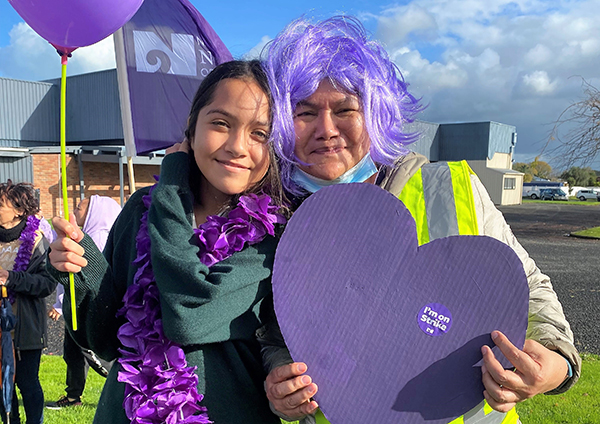 Health and safety concerns arising from unsafe staffing levels have forced nurses at Gisborne Hospital’s emergency department (ED) to go on strike.
|
| 4 Sept |
Strong growth in wāhine Māori and Pacific women’s cervical screening rates highlights success of self-testing programmeCervical screening participation has increased significantly for both wāhine Māori and Pacific women, reflecting the strong impact of self-testing, Screening Services and the dedicated efforts of health providers working alongside their communities. |
| 4 Sept |
Government must adopt Wai 2713 recommendations on disability systemThe Coalition Government must urgently adopt new recommendations from the Waitangi Tribunal which has found significant parts of the disability system prejudice tāngata whaikaha Māori (Māori with disabilities), NZNO says. |
| 31 Aug |
Employing graduate nurses will help keep them in nursing and the countryA new proposal that will require Te Whatu Ora to offer all eligible graduate nurses jobs in the public health system will help keep them in nursing and in Aotearoa New Zealand, NZNO says. |
| 26 Aug |
Health Minister’s claim Winter Plan ‘managing well’ delusionalHealth Minister Simeon Brown’s claim that hospitals are ‘managing well’ because of the Government’s Winter Plan is delusional, NZNO says. |
| 25 Aug |
Hospital data shows nursing shortages continue to put patients at riskTe Whatu Ora data released today shows patients are continuing to be put at risk by the Coalition Government’s deliberate failure to safely staff hospital wards, NZNO says. |
| 24 Aug |
Fed-up North Shore ED staff declare state of emergencyNZNO members working in the emergency department (ED) at North Shore Hospital have declared a state of emergency due to unsafe staffing levels resulting in ongoing overcrowding. |
| 19 Aug |
What happened to the winter health plan?The $25 million 2026 Winter Plan launched by Health Minister Simeon Brown in March to erase pressure on the health system has been an unmitigated disaster, Tōpūtanga Tapuhi Kaitiaki o Aotearoa NZNO says. |
| 11 Aug |
Applications open for advanced nursing education programmesHealth New Zealand is encouraging registered nurses to apply for two advanced education programmes that support nurses to further develop their clinical skills and expand access to care in communities across New Zealand. |
| 3 Aug |
Health New Zealand welcomes settlement of NZRDA collective agreementHealth New Zealand welcomes the vote by New Zealand Resident Doctors Association (NZRDA) members to settle their collective agreement. |
| 30 Jul |
Backing our frontline rural health workforceRural communities across New Zealand will benefit from three new investments that will support the rural health workforce and help more people access care closer to home, Associate Health Minister Matt Doocey says. |
| 22 Jul |
Te Whatu Ora must disclose staffing levels at time of tragic deathTe Whatu Ora must disclose whether the Waikato emergency department (ED) was short-staffed at the time a man tragically died in the waiting room, NZNO says. |
| 6 Jul |
Reflecting on IND 2026Looking back on last month’s International Nurses Day 12 May 2026 (IND 2026), the impact of this year's theme "Our Nurses. Our Future. Empowered Nurses Save Lives" continues to resonate across the world. ICN’s landmark IND 2026 report defined seven key powers of nursing and this message has been strengthened with nurses in every region celebrating, naming, and owning their powers throughout May. |
| 3 Jul |
Health New Zealand acknowledges Ombudsman statement on Wakari Ward 10AHealth NZ welcomes the independent investigation by the Ministry of Health into Ward 10A. On Wednesday the Health NZ board agreed to close Wakari Ward 10a as a forensic intellectual disability (ID) unit, with the future use of the ward yet to be determined. |
| 2 Jul |
New programme to fast track bowel cancer care and cut colonoscopy waitlistsHealth New Zealand is today launching a national initiative, designed to fast track bowel cancer care and reduce colonoscopy waitlists by up to 30 per cent. |
| 1 Jul |
Six new Co-Response Team locations announced to strengthen support for people in mental distressThe next six locations for Health New Zealand and NZ Police Co-Response Teams have been confirmed, expanding a model that helps people experiencing mental distress receive timely, wraparound support that better meets their health needs. |
| 29 Jun |
Mental health and addiction targets progress continuesHealth New Zealand continues to make important progress against its mental health and addiction targets, meeting four out of five national targets this quarter. |
| 25 Jun |
Access to care continuing to improve across a range of health indicatorsNew health data released today shows continued improvement in access to care across a range of health indicators. |
| 18 Jun |
Funding "boost" continues dangerous under-funding of aged careThe Health Minister’s funding "boost" for aged residential care continues underfunding to the sector and will continue unsafe practices and short staffing, which is putting vulnerable residents at risk, NZNO says. |
| 16 Jun |
Labour to make maternity scans freeLabour will add free maternity scans to the Medicard alongside three free doctor’s visits a year, so every pregnant woman gets the care she needs. |