


About the authors:Jeanette Briscoe, RN, MN(hons), PGDipAdvNurs, BHSc(nurs), is a principal nursing lecturer at Northtec, Whangarei, New Zealand. Thomas Harding, RN, PhD, is a research consultant at Northtec, Whangarei. This article was accepted for publication in September 2020. |
ABSTRACTAim: The aim of this research was to promote the use of the SOAP(IE) framework in medical nurses’ practice. Background: Documentation is an essential aspect of nursing practice required to meet legal, organisational and professional standards for patient care. Accurate and complete documentation records the care given to patients, along with their progress and responses to care. It also provides communication between the health professionals involved in the patient’s care. Method: Action research was selected as the methodology for this project, which involved district health board nursing staff. This methodology involves cycles of planning, implementing, evaluating and reflecting to identify areas needing improvement. Three cycles of action research were conducted, using audits, surveys and a focus group interview with registered nurses (RNs) in two medical wards. Audit and survey data were analysed using the descriptive statistical tool SPSS, and focus group interview data were analysed using manual thematic analysis. Results: The first cycle found nurses had awareness of the SOAP(IE) framework; however, 75 percent of them did not use it when documenting, reporting time constraints, heavy workloads and a lack of clear guidelines as barriers to its use. A focus group interview was held in the reflection and planning stage of cycle two; the group identified further education, resources and promotion of the framework as methods for improving use of SOAP(IE). Following implementation of education sessions, and the use of posters, ID tags and nurse champions promoting the framework, results showed an increase from 25 percent to 95 percent of RNs using the SOAP(IE) framework for documenting. Conclusion: Nurses acknowledge documentation is a key priority in nursing care; however they identify heavy workloads, time constraints and a lack of understanding and guidelines as barriers to using the SOAP(IE) framework. In-service education, providing guidelines through posters and ID tags and having designated nurse champions has promoted the use of the SOAP(IE) framework, resulting in more comprehensive and accurate nursing documentation. |
||
KEYWORDS |
|||
INTRODUCTION
SEVERAL DOCUMENTATION FRAMEWORKS are available to guide nurses. Commonly used documentation methods in New Zealand include SBARR, Focus charting, SOAP(IE)1 and narrative documentation (NZNO, 2017). The SOAP(IE) framework was chosen by the New Zealand district health board (DHB) involved in this study because it provides nurses with a problem-solving approach intended to improve communication among the multidisciplinary health-care team and improve quality and continuity of patient care. The SOAP(IE) framework consists of: subjective and objective assessment data, a plan of care, interventions and evaluation. These provide a clear problem-solving method and is also used by several other health professions for documenting patient care (Blair & Smith, 2012).
The DHB’s 2015 documentation policy states that the SOAP(IE) framework is the required tool for health professionals to use for documentation in patient records. An audit of documentation by the DHB nursing directorate, which focused specifically on the use of the SOAP(IE) framework, found some nurses were not using this framework when documenting. The nursing directorate approached the local school of nursing to enquire about the teaching of nursing documentation in the bachelor of nursing (BN) programme. The SOAP(IE) documentation framework is taught to student nurses to enable them to document accurately and chronologically in patient health records while they are on clinical placements. A disconnect between what is taught and what is practised became evident. Nurses reported that new graduates were familiar with the framework and confident at using it when they started work at the hospital. However, anecdotal evidence suggests that within a short time they stop using the framework and follow the documentation format of nurses who have worked in that particular clinical area for a length of time. This highlighted an area of practice that could be improved. Therefore the DHB nursing leaders and the nursing school decided to collaborate on a research project to identify the issues nurses face when documenting and to explore how to promote the use of the SOAP(IE) framework in nursing practice.
LITERATURE REVIEW
A literature search of the CINAHL, Joanna Briggs Institute, EBSCO, and Gale databases was undertaken using the following key words: “nursing documentation”, “documentation frameworks” and “SOAP documentation”. It became evident there is limited recent research specifically related to nursing documentation and a lack of research conducted in New Zealand. This project aims to add to the body of knowledge from a New Zealand context.
Documentation is an essential aspect of nursing practice required to meet legal, organisational and professional standards related to patient care. Themes identified in the literature related to documentation include the purpose of documentation, documentation frameworks, effects of poor-quality documentation, and barriers to documentation for nurses (Beach & Oates, 2014; Jayasekara, 2019; McCarthy et al., 2019; Okaisu et al., 2014; Prideaux, 2011).
Accurate and complete documentation reflects the care given to patients and records their progress and responses to care. It also provides communication between health professionals involved in the patient’s care (Beach & Oates, 2014; Jayasekara, 2019; McCarthy et al., 2019; Okaisu et al., 2014; Prideaux, 2011; Scruth, 2014).
Documentation should clearly and accurately detail the care delivered to patients, demonstrating critical thinking, clinical decision-making and evaluation of outcomes (Beach & Oates, 2014; Blair & Smith, 2012). Essential components of documentation include that it should be patient-centred, reflecting the patient’s perspective of their health care, and that it be written fully in a chronological format to avoid omissions, mistakes or inaccuracies (Jeffries et al., 2010). Communication among health professionals is also identified as one of the main purposes of documentation. Clear and accurate documentation in the patient record enables all health professionals involved in the patient’s care to collaborate and deliver safe care (Beach & Oates, 2014; Jeffries et al., 2010; Prideaux, 2011).
There are consistent themes in the literature related to poor-quality nursing documentation. Poor-quality documentation refers to records that are incomplete and inaccurate – these are issues which have been associated with compromised patient safety (Jeffries et al., 2010; Okaisu et al., 2014; Prideaux, 2011; Tower et al., 2012). Nurses describe heavy workloads, time constraints and the time that documentation takes away from direct hands-on patient care as factors associated with poor documentation (Blair & Smith, 2012; Donohoe, 2015; Okaisu et al., 2014; Prideaux, 2011). Nurses also report a lack of guidelines or frameworks to help them structure their documentation in a systematic way (Blair & Smith, 2012; Okaisu et al., 2014; Prideaux, 2011).
AIM
The aim of this research was to promote the use of the SOAP(IE) framework in medical nurses’ practice.
METHOD AND DATA COLLECTION
Action research was selected as the most appropriate methodology for this project, because it focuses on practice issues and practice change in clinical environments (Schneider, et al., 2014). Action research actively engages the participants in the process, empowering them to be fully involved in learning about their own situation and to facilitate the change process to improve their practice. Action research consists of repeated cycles of planning, action, data collection, analysis, evaluation and reflection, until the situation improves (Schneider et al., 2014). For this project, three cycles of action research were undertaken over a 12-month period.
Cycle one
Two methods of data collection were employed in cycle one: audit and survey. Planning commenced using the results of the initial documentation audit which prompted the research project. The initial audit data was collected from five DHB wards – three surgical and two medical. The audit showed the nurses in the surgical wards consistently used the SOAP(IE) framework when documenting patient care, while the nurses in the medical wards did not. A point to note is that the audit tool used the SOAPE framework, ie it did not include the “I” (implementation) section of the SOAP(IE) framework. The audit rated each component of the SOAPE framework as a percentage, to show how much they were used in nursing documentation in the five wards. The audit showed the framework was not being consistently used in medical nurses’ documentation. Therefore the research team decided to undertake a survey (see Appendix 1, below the references), as part of the action phase of cycle one, to identify the reasons for this.
All registered nurses (RNs) (n=68) across the two medical wards were invited to complete an online questionnaire. Laptop computers were set up with the survey link in the staff room of both medical wards for easy access for participants. A total of 41 questionnaires were completed, a response rate of 60 percent.
Cycle two
The results of the survey formed the reflection and planning stage of cycle two. The survey asked for data on the RNs’ nursing qualifications and years of RN experience (see Table 1, immediately below, and Appendix 1) and then asked participants about their knowledge and use of the SOAP(IE) framework. Barriers identified from the literature were included and participants were asked to rate these using a Likert scale. They were also asked to add in any other barriers they felt impacted on their ability to use the framework (Appendix 1).
Table 1: Participants’ roles and demographic categories
|
Roles of participants (68 RNs) |
|---|
|
|
DEMOGRAPHIC CATEGORIES: Highest nursing qualification |
|
| Years of RN experience |
|
Reflection on the results of the survey identified that participants strongly agreed with the barriers identified from the literature to explain why they did not use the framework when documenting. The researchers planned to hold a focus group interview with senior nurses in the medical wards, including two clinical nurse managers (CNMs), two associate nurse managers (ACNMs), and two clinical nurse educators (CNEs). The results from the survey were presented and a focus group interview was held to develop a plan to overcome the barriers identified and to promote the use of the SOAP(IE) framework.
Cycle three
Following the focus group interview, a series of measures were put in place in the DHB’s two medical wards to promote use of the framework. A series of short 15-minute in-service education sessions were held over two months, ensuring all RNs received training on use of the framework. Posters were made and hung up in the ward offices where nurses frequently write their patient notes. All nurses were provided with a pocket ID-tag with key prompts for each section of the framework. CNEs became SOAP(IE) champions, available to nurses for advice and to promote use of the framework.
Following the implementation of education, prompts and champions, the survey (Appendix 1) was repeated to find out whether the new measures had improved use of the framework.
SAMPLE
A convenience sample of registered nurses working in two medical wards were invited to participate in this research. Nurses working in surgical wards were excluded based on the results of the initial audit showing that most surgical nurses effectively use the SOAP(IE) framework when documenting in patient records. Enrolled nurses were excluded due to their scope of practice limitations related to the analysis, assessment, planning and evaluation of patient care. Participants included the medical wards’ two CNMs, two ACNMs and two CNEs, and all RNs working in the two medical wards were invited to participate. The sample size was n=68. The participants were provided with an information sheet outlining the purpose of the research and what would be required of them if they agreed to participate. Confidentiality of individuals was detailed in the information sheet, which outlined how the privacy of information would be maintained, and that individuals would not be able to be identified at any stage of the research. RNs who agreed to participate in the research were asked to sign a consent form indicating their consent to participate and informing them they could withdraw from the study at any time.
ETHICS
Ethical approval to conduct this study was obtained from the polytechnic research committee and approval was gained from the DHB director of nursing. The nursing directorate team, who were co-researchers in this project, undertook the audit of patient records. Their position as senior RNs employed by the DHB allowed them access to patient records for audit purposes. They were the only members of the research team who had direct access to patient records. Audit results did not include any data identifying patients or staff.
DATA ANALYSIS
A mixed-method approach was adopted for this action research study, as a combination of qualitative and quantitative data collection methods were used. Munn and Pearson (2013) state that employing multiple approaches to data collection in action research allows deeper understanding of the subject being researched. Mixed-method data analysis combines and links quantitative and qualitative data (Sandelowski, 2000).
A collaborative approach was used to analyse the data. This included assistance from the DHB information technology (IT) department to retrieve the raw data from the surveys and the expertise of a nursing lecturer experienced in the use of computerised statistical analysis software. Audit and survey data were analysed using the Statistical Package for Social Sciences (SPSS) version 25. The methods used to describe the data were ordinal and nominal measurement and frequency distribution. The data were summarised through percentiles, cumulative frequency tables and sorting frequency tables. Further analysis of the data used cross-tabulation. Cross-tabulation presents the frequency distribution of two or more variables to determine a relationship or association between them (Suresh, 2014) and was used to examine the relationship between category variables, such as years of nursing experience and knowledge, and use of the SOAP(IE) framework.
Open-ended questions were used in the focus group interview and the data collected, transcribed and interpreted using thematic analysis. Vaismoradi et al. (2016) define a theme as repeating ideas and thematic analysis as a method for identifying, analysing and reporting themes within data. The aim of the focus group interview was to reflect on the main findings from the survey and develop a plan for the third cycle in the action research process. A manual coding method was used to identify the themes from the focus group interview data. This involved two researchers identifying the main themes from the interview and clarifying the accuracy of the interpretation of the themes with the focus group participants.
Self, peer and academic validation were achieved through regular research meetings with researchers, participants and a senior research advisor. Documentation of minutes of meetings, survey and audit reports were checked for accuracy. A project timeline was developed to outline the action research process. For action research, validation is enhanced by transparency in the process. A timeline provides the dates of data collection, action points and the change to practice as the project unfolded (McNiff, 2013).
RESULTS
Cycle one
Results from the initial documentation audit found the SOAP(IE) framework was not being consistently used by RNs in two medical wards. The overall areas of inconsistency related to documenting subjective data, assessment data, plans and evaluation (see Table 2).
Table 2: Results of cycle one SOAPIE framework audit of two medical wards
|
Framework sections |
Percentage of RNs using aspect of framework in documentation |
||
|---|---|---|---|
| Ward A | Ward B | Overall | |
| S: Subjective data | 60 | 100 | 80 |
| O: Objective data | 100 | 100 | 100 |
|
A: Assessment/ analysis data |
40 | 100 | 70 |
| P: Plan | 53 | 53 | 53 |
| I: Implementation | Not included in audit tool |
Not included in audit tool |
– |
| E: Evaluation | 100 | 40 | 70 |
The main findings from the survey, using SPSS data analysis software, showed that although most of the nurses knew about the SOAP(IE) framework (82.5 percent), 75 percent of them did not use it for documentation. The results looked at the correlation between years of experience, knowledge of how to apply the framework, and putting the framework into use. Although 92 percent of the respondents with 0-5 years’ experience knew how to apply the framework, 75 percent did not use it for their documentation. Equally, 75 percent of the nurses with more than six years of experience who had knowledge of the framework did not use it.
The findings also showed that over half the respondents learned about the framework from their undergraduate education. Although DHB policy specifies use of the SOAP(IE) framework, only 10 percent learned about the framework from their workplace.
Most of the respondents reported that heavy workload (95 percent) and time constraints (87.5 percent) were the main barriers in their experience of documenting care. Most respondents also agreed that lack of clear guidelines and interruption to direct hands-on patient care also rated highly as barriers to documentation.
Cycle two
Following completion of the survey in cycle one, the researchers reviewed the results and identified the need for collaboration with senior nurses in the wards to provide the resources and leadership needed to promote use of the SOAP(IE) framework. This formed the basis for holding a focus group interview with the CNMs, ACNMs and CNEs. The purpose of the focus group interview was to provide feedback and reflect on the results. Heavy workload and time constraints were found to be two of the main barriers to using SOAP(IE) documentation. However, one of the CNEs suggested that this “related to documentation in general and not specifically to using the SOAP(IE) framework”.
The results indicated that even though nurses knew about the framework, they were unsure how to apply it to their documentation. The participants in the focus group interview identified the need for education and clear guidelines for nurses to refer to when documenting. A plan was formulated to run in-service education sessions, develop posters and ID tags and appoint the CNEs as champions of the framework.
Cycle three
Following the action phase – implementing in-service education sessions, posters and ID tags and appointing champions of the framework – a second survey was completed. Twenty-two nurses (response rate = 32 percent), a much smaller sample size than the first survey (41 respondents) responded. All the participants had knowledge of the SOAP(IE) framework, compared to 82.5 percent in the first survey. Furthermore, 90 percent of participants stated that they used the SOAP(IE) framework for their documentation each shift. This compared to 25 percent of participants using the framework in the first survey. However, due to the anonymity of the participants, it is unclear whether these were the nurses who were already using the framework. When asked about attendance at the in-service education offered, 91 percent (n=20) had attended. When the participants were asked if they had found the education beneficial in helping them understand and use the SOAP(IE) framework, 72 percent agreed they were, while 17 percent did not find the education beneficial.
DISCUSSION
Documentation is a professional and legal requirement for all health professionals (Blair & Smith, 2012; Okaisu et al., 2014). Accurate and comprehensive documentation has been described as a tool that provides communication between health professionals for the delivery of safe patient care (Beach & Oates, 2014; Blair & Smith, 2012; McCarthy et al., 2019; Okaisu, et al., 2014; Prideaux, 2011; Tower et al., 2012). A poor standard of documentation leads to a breakdown of communication between health professionals, which ultimately can compromise patient safety (Tower et al., 2012). One of the ways identified to ensure documentation is comprehensive and accurate is using the SOAP(IE) documentation framework (Blair & Smith, 2012).
One of the major findings of this research is that nurses need clear guidelines on how to implement the SOAP(IE) framework when documenting patient care. A lack of clear guidelines has been identified in the literature as an issue related to poor documentation (Blair & Smith, 2012; Okaisu et al., 2014; Prideaux, 2011). The DHB policy specifies SOAP(IE) as the required framework for documentation; however, the findings of this study demonstrate that only 10 percent of the participants learned about the framework through the DHB, and generally this was through other nursing colleagues. Most of the participants learned about the SOAP(IE) framework from their undergraduate nursing education. This finding highlighted the need for education on the use of the framework and a plan was developed to structure in-service education sessions to improve RNs’ understanding of the framework. Govranos & Newton (2014) identified factors that need to be considered when planning in-service education, such as time, resources, the culture of the workplace and the support of managers, to ensure the learning is successful. CNMs, ACNMs and CNEs were all part of the focus group interview during the planning stage, which confirmed their support for the provision of on-going education and practice improvement. Short, regular education sessions, delivered at times during shifts when nurses were best able to attend, were run by the CNEs to teach nurses about the framework. During the in-service sessions, nurses could ask questions and give suggestions to help improve their use of the framework. Participants suggested that having some examples of the framework would help and therefore posters were developed and displayed in ward offices as exemplars. Pocket-sized ID tags outlining the framework were also developed for quick reference.
The focus group also emphasised that nurses could become “champions”, to promote and assist other nurses with implementation of the framework. The CNEs took on this role and were available to nurses for advice and guidance. Ploeg et al. (2010) describe nurse champions as persuasive leaders who influence best practice by sharing information through education and mentoring. Champions are described as transformational leaders, having enthusiasm and vision as distinguishing features (Thomson et al., 2006). Even though there was a lower response rate to the second survey, 72 percent reported they found the education beneficial, increasing their knowledge of how to use the SOAP(IE) framework. The post-education audit showed use of the framework had increased from 75 percent to 90 percent, indicating the in-service education was successful. There is a lack of current literature that evaluates whether the knowledge gained from in-service education transfers to clinical practice; this is an area identified for further research. However, Clark et al. (2015) suggest a positive organisational culture and a supportive learning environment are needed to improve patient care.
The findings from this study indicate that heavy workloads and time constraints are among the main barriers to documentation. This is supported in the literature (Blair & Smith, 2012; Donohoe, 2015; Okaisu et al., 2014; Prideaux, 2011). Participants described documentation as “an interruption to hands-on patient care”, which was also reported by Donohoe (2015). However, the participants all agreed that documentation was a high priority in their workload. These views were related to documentation in general and not specifically to the use of the SOAP(IE) framework.
LIMITATIONS
This research was limited to two medical wards in one DHB and the sample size was small, therefore further research across other areas would be necessary to ascertain whether this documentation framework is understood and used consistently. A further limitation relates to the results of the second online survey. It is unknown who the respondents were and whether they were the nurses already familiar with and using the framework from the first survey. The small sample size also limits the value of the data collected.
RECOMMENDATIONS FOR PRACTICE
The findings of this study indicate that on-going education and support are essential for the promotion of practice change. Continued support from management to provide resources to promote the use of the SOAP(IE) framework is essential. Champions of the framework are key to educating and promoting the framework and ongoing regular education sessions to support nurses to use the framework will enable accurate and comprehensive nursing documentation. Continued documentation audits will provide evidence of the quality and accuracy of nursing documentation and the use of the SOAP(IE) framework, and results should be disseminated to ward staff.
CONCLUSION
The aim of this collaborative action research project was to promote the use of the SOAP(IE) documentation framework in medical nurses’ practice in a DHB. Although this was a small study, the results indicate increased use of the SOAP(IE) framework and improved nursing documentation.
Nurses describe documentation as a key priority of their nursing care; however, the main barriers of heavy workloads, time constraints, interruptions to hands-on care and a lack of understanding/guidelines of how to apply the SOAP(IE) framework impacted on the standard of nursing documentation. Implementation of in-service education, providing guidelines on the framework through posters and ID tags and appointing nurse champions have promoted the use of SOAP(IE), resulting in more comprehensive and accurate nursing documentation.
ACKNOWLEDGMENTS
The authors would like to acknowledge:
- The research team: Jeanette Briscoe, Zoe Williamson, Michelle Panov, Sheryll Beveridge and Raiquel TePuni.
- Data analysis expertise: Victoria Munro (SPSS), DHB ICT department (audit and survey data).
- Senior research advisor: Dr Bev Mackay.
REFERENCES
Beach, J., & Oates, J. (2014). Maintaining best practice in record-keeping and documentation. Nursing Standard, 28(36), 45–50.
Blair, W., & Smith, B. (2012). Nursing documentation: Frameworks and barriers. Contemporary Nurse, 41(2), 160-168.
Clark, E., Draper, J., & Rogers, J. (2015). Illuminating the Process: Enhancing the Impact of Continuing Professional Education on Practice. Nurse Education Today, 35(2), 388-394.
Donohoe, J. (2015). Implementing an Education Programme and SOAP Notes Framework to Improve Nursing Documentation (unpublished master’s thesis). Royal College of Surgeons, Dublin, Ireland.
Govranos, M., & Newton, J. M. (2014). Exploring ward nurses’ perceptions of continuing education in clinical settings. Nurse Education Today, 34(4), 655-660.
Jayasekara, R. (2019, February 24). Writing Effective Nursing Notes. Joanna Briggs Institute. JBI@Ovid. 2019; JBI17163
Jeffries, D., Johnson, M., & Griffiths, R. (2010). A meta-study of the essentials of quality nursing documentation. International Journal of Nursing Practice, 16, 112-124.
McCarthy, B., Fitzgerald, S., O’Shea, M., Condon, C., Harnett-Collins, G., Clancy, M., Sheehy, A., Denieffe, S., Bergin, B., & Savage, E. (2019). Electronic nursing documentation interventions to promote or improve patient safety and quality care: A systematic review. Journal of Nursing Management, 27, 491-501.
McNiff, J. (2013). Action Research: Principles and Practice. Taylor and Francis.
Munn, Z., & Pearson, A. (2013). Implementing Evidence Using an Action Research Framework. Wolters Kluwer/Lippincott Williams & Wilkins.
New Zealand Nurses Organisation (NZNO). (2017). Guideline: Documentation.
Okaisu, E. M., Kalikwani, F., Wanyana, G., & Coetzee, M. (2014). Improving the quality of nursing documentation: An action research project. Curationis, 38(1), 1–11.
Ploeg, J., Skelly, J., Rowan, M., Edwards, N., Davies, B., Grinspun, D., Bajnok, I., & Downey, A. (2010). The Role of Nursing Best Practice Champions in Diffusing Practice Guidelines: A Mixed Methods Study. Worldviews on Evidenced-Based Nursing, 7(4), 238-251.
Prideaux, A. (2011). Issues in nursing documentation and record-keeping practice. British Journal of Nursing, 20(22), 1450-1454.
Sandelowski, M. (2000). Combining Qualitative and Quantitative Sampling, Data Collection, and Analysis Techniques in Mixed-Method Studies. Research in Nursing & Health, 23, 246-25.
Schneider, Z., Whitehead, D., LoBiondo-Wood, G., & Haber, J. (2014). Nursing and Midwifery Research: methods and appraisal for evidence-based practice (5th ed.). Elsevier.
Scruth, E. A. (2014). Quality Nursing Documentation in the Medical Record. Clinical Nurse Specialist, 28(6), 312-314.
Suresh, S. (2014). Nursing Research and Statistics.
Thompson, G. N., Estabrooks, C. A., & Degner, L. F. (2006). Clarifying the concepts in knowledge transfer: a literature review. Journal of Advanced Nursing, 53(6), 691-701.
Tower, M., Chaboyer, W., Green, Q., Dyer, K., & Wallis, M. (2012). Registered nurses’ decision-making regarding documentation in patients’ progress notes. Journal of Clinical Nursing, 21, 2917-2929.
Vaismoradi, M., Jones, J., Turunen, H., & Snelgrove, S. (2016). Theme development in qualitative content analysis and thematic analysis. Journal of Nursing Education and Practice, 6(5), 100-110.
APPENDIX
| Appendix 1: Survey questions |
|---|
| 1) How long ago did you graduate/register as a nurse? |
| 2) What is your highest nursing qualification? 5 – Masters (nursing, health science) 4 – Postgraduate diploma 3 – Postgraduate certificate 2 – Bachelor of nursing (undergraduate degree) 1 – Registered nurse (hospital trained, comprehensive or diploma |
|
3) Do you know about the SOAP(IE) documentation framework? a – Yes b – No |
| 4) Please explain how you know about this framework. |
|
5) Do you know how to apply this framework when documenting patient care? a – Yes b – No |
|
6) Do you use the SOAP(IE) framework? a – Yes b – No |
|
If “yes”, how effective is it for you? Please explain. If “no”, describe the framework you use. |
|
7) In your workload, how important do you rate documentation of patient care? 5 – high priority 4 – priority 3 – neither or N/A 2 – low priority 1 – not a priority |
|
8) Please rate the following barriers in regard to your experience of documenting patient care: HEAVY WORKLOAD 5 – strongly agree 4 – agree 3 – neither or N/A 2 – disagree 1 – strongly disagree 5 – strongly agree 4 – agree 3 – neither or N/A 2 – disagree 1 – strongly disagree 5 – strongly agree 4 – agree 3 – neither or N/A 2 – disagree 1 – strongly disagree 5 – strongly agree 4 – agree 3 – neither or N/A 2 – disagree 1 – strongly disagree |
Daily doses – uncut news
| 5 Oct |
Labour's pay rise a first step, but pay equity needs a full settlementTōpūtanga Tapuhi Kaitiaki o Aotearoa NZNO has welcomed Labour's promised pay rise for care and support workers as a first step. It says care and support workers now need a full settlement of their pay equity claim and a workable pay equity system for all of its members. |
| 1 Oct |
Health NZ releases first national report on serious adverse eventsHealth New Zealand has published its first national Serious Adverse Event Report, acknowledging the serious harm experienced by patients and whānau and outlining the improvements identified and actions underway to strengthen patient safety. The report covers serious adverse events reported in Hospital and Specialist Services between 1 July and 31 December 2025. |
| 25 Sept |
380 more health care workers at the end of winter too little too lateAn announcement of 380 additional nurses, midwives and health care assistants for hospitals around the country at the end of winter is too little too late, NZNO says. |
| 23 Sept |
Auckland University research finds nurse shortages increase post-surgery deaths and complicationsNew research by Auckland University has found addressing nurse shortages in post-operative care may save 182 lives a year because short-staffed wards have higher rates of potentially preventable deaths and complications after their surgeries. |
| 21 Sept |
Whanganui Hospital ED averaged 680% capacity over a week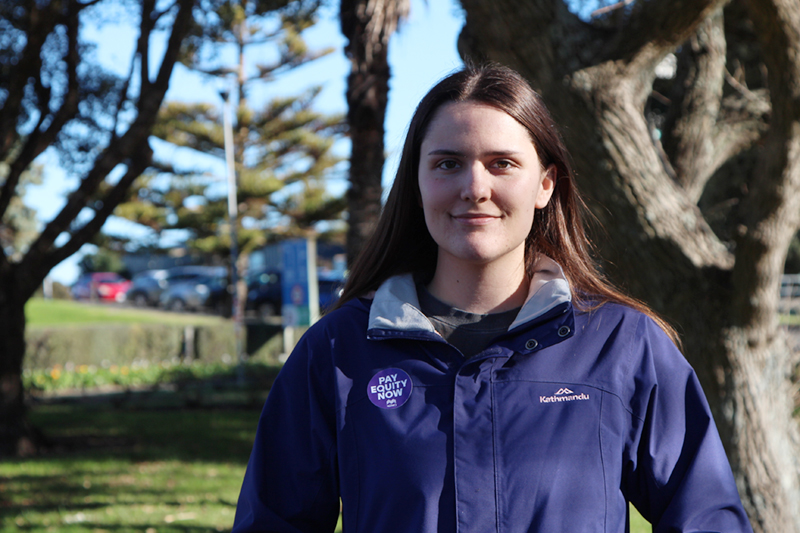 Working in an overcrowded emergency department (ED), up to 680% capacity over a week, makes staff feel overwhelmed with the pressure, Tōpūtanga Tapuhi Kaitiaki o Aotearoa NZNO says.
|
| 14 Sept |
WellSouth's Newborn Enrolment Kahu Taurima Programme a finalist at the Primary Care Awards 2026WellSouth's Newborn Enrolment Kahu Taurima Programme is a finalist at the Primary Care Awards for the HALEO Best Supplier Service, Product or Campaign category. Winners will be announced on 17 October. |
| 14 Sept |
Global Study: Nursing Shortages Require Workforce Policy Solutions, Not Recruitment Campaigns AloneWhy people choose nursing, and why they leave, comes down to the same factors. The global nursing shortage cannot be solved simply by encouraging more people to enter the profession, according to a new evidence brief. |
| 8 Sept |
Overworked, understaffed Gisborne ED staff strike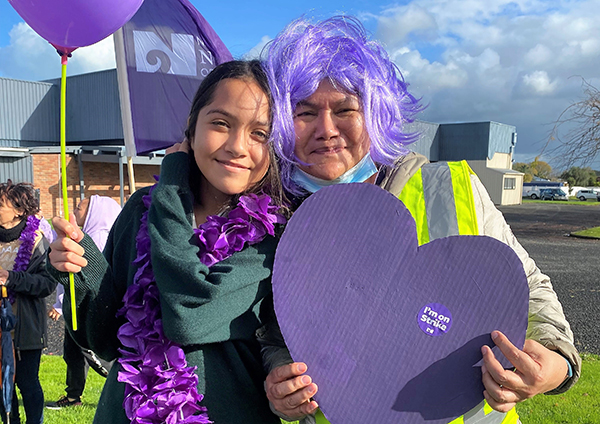 Health and safety concerns arising from unsafe staffing levels have forced nurses at Gisborne Hospital’s emergency department (ED) to go on strike.
|
| 4 Sept |
Strong growth in wāhine Māori and Pacific women’s cervical screening rates highlights success of self-testing programmeCervical screening participation has increased significantly for both wāhine Māori and Pacific women, reflecting the strong impact of self-testing, Screening Services and the dedicated efforts of health providers working alongside their communities. |
| 4 Sept |
Government must adopt Wai 2713 recommendations on disability systemThe Coalition Government must urgently adopt new recommendations from the Waitangi Tribunal which has found significant parts of the disability system prejudice tāngata whaikaha Māori (Māori with disabilities), NZNO says. |
| 31 Aug |
Employing graduate nurses will help keep them in nursing and the countryA new proposal that will require Te Whatu Ora to offer all eligible graduate nurses jobs in the public health system will help keep them in nursing and in Aotearoa New Zealand, NZNO says. |
| 26 Aug |
Health Minister’s claim Winter Plan ‘managing well’ delusionalHealth Minister Simeon Brown’s claim that hospitals are ‘managing well’ because of the Government’s Winter Plan is delusional, NZNO says. |
| 25 Aug |
Hospital data shows nursing shortages continue to put patients at riskTe Whatu Ora data released today shows patients are continuing to be put at risk by the Coalition Government’s deliberate failure to safely staff hospital wards, NZNO says. |
| 24 Aug |
Fed-up North Shore ED staff declare state of emergencyNZNO members working in the emergency department (ED) at North Shore Hospital have declared a state of emergency due to unsafe staffing levels resulting in ongoing overcrowding. |
| 19 Aug |
What happened to the winter health plan?The $25 million 2026 Winter Plan launched by Health Minister Simeon Brown in March to erase pressure on the health system has been an unmitigated disaster, Tōpūtanga Tapuhi Kaitiaki o Aotearoa NZNO says. |
| 11 Aug |
Applications open for advanced nursing education programmesHealth New Zealand is encouraging registered nurses to apply for two advanced education programmes that support nurses to further develop their clinical skills and expand access to care in communities across New Zealand. |
| 3 Aug |
Health New Zealand welcomes settlement of NZRDA collective agreementHealth New Zealand welcomes the vote by New Zealand Resident Doctors Association (NZRDA) members to settle their collective agreement. |
| 30 Jul |
Backing our frontline rural health workforceRural communities across New Zealand will benefit from three new investments that will support the rural health workforce and help more people access care closer to home, Associate Health Minister Matt Doocey says. |
| 22 Jul |
Te Whatu Ora must disclose staffing levels at time of tragic deathTe Whatu Ora must disclose whether the Waikato emergency department (ED) was short-staffed at the time a man tragically died in the waiting room, NZNO says. |
| 6 Jul |
Reflecting on IND 2026Looking back on last month’s International Nurses Day 12 May 2026 (IND 2026), the impact of this year's theme "Our Nurses. Our Future. Empowered Nurses Save Lives" continues to resonate across the world. ICN’s landmark IND 2026 report defined seven key powers of nursing and this message has been strengthened with nurses in every region celebrating, naming, and owning their powers throughout May. |
| 3 Jul |
Health New Zealand acknowledges Ombudsman statement on Wakari Ward 10AHealth NZ welcomes the independent investigation by the Ministry of Health into Ward 10A. On Wednesday the Health NZ board agreed to close Wakari Ward 10a as a forensic intellectual disability (ID) unit, with the future use of the ward yet to be determined. |
| 2 Jul |
New programme to fast track bowel cancer care and cut colonoscopy waitlistsHealth New Zealand is today launching a national initiative, designed to fast track bowel cancer care and reduce colonoscopy waitlists by up to 30 per cent. |
| 1 Jul |
Six new Co-Response Team locations announced to strengthen support for people in mental distressThe next six locations for Health New Zealand and NZ Police Co-Response Teams have been confirmed, expanding a model that helps people experiencing mental distress receive timely, wraparound support that better meets their health needs. |
| 29 Jun |
Mental health and addiction targets progress continuesHealth New Zealand continues to make important progress against its mental health and addiction targets, meeting four out of five national targets this quarter. |
| 25 Jun |
Access to care continuing to improve across a range of health indicatorsNew health data released today shows continued improvement in access to care across a range of health indicators. |
| 18 Jun |
Funding "boost" continues dangerous under-funding of aged careThe Health Minister’s funding "boost" for aged residential care continues underfunding to the sector and will continue unsafe practices and short staffing, which is putting vulnerable residents at risk, NZNO says. |
| 16 Jun |
Labour to make maternity scans freeLabour will add free maternity scans to the Medicard alongside three free doctor’s visits a year, so every pregnant woman gets the care she needs. |