


 |
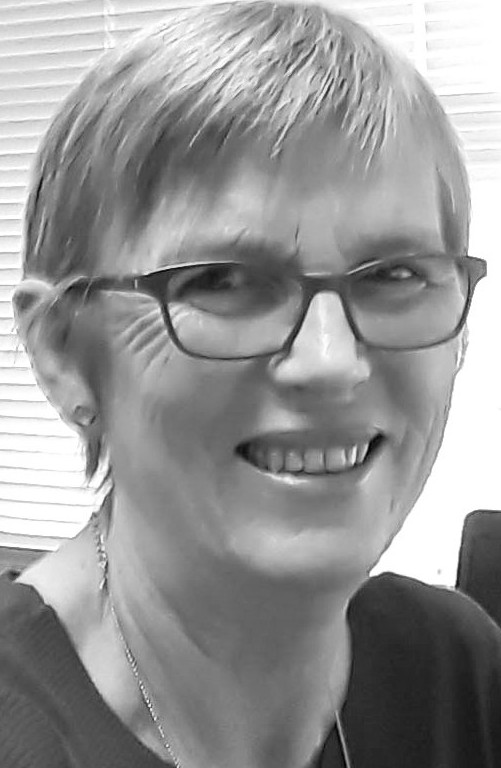
About the author:Ruth Crawford, RN, PhD, is director of the School of Nursing, Health & Wellness, at Western Institute of Technology at Taranaki, New Plymouth, New Zealand. |
||
Aim
RESEARCH METHODOLOGY IS CONCERNED with the questions “How did you do it?” and “How did you know?” Both these questions underpin a further question constantly asked when undertaking qualitative research: “Are you sure?” (Morse, 1994). According to Morse, the soundness of qualitative research, the certainty of the methodology, is imperative. In this paper, I establish how I addressed these issues in my PhD research. My use of focused ethnography is detailed, providing the reader with an auditable route of the study process, along with a discussion of the rigour of the study. The strength of the ethnographic method in uncovering hidden, taken-for-granted assumptions of the participants is revealed.
Nurse-parent emotional interaction was the central focus of my research. I investigated nurses’ and parents’ experience of emotional communication in the context of a children’s unit of a regional hospital in New Zealand. In this paper, emotional communication is defined as communication between the nurse and the parent which focuses on the parent’s feelings and affective responses in relation to their child’s hospitalisation.
As researcher, I was particularly interested in what was going on behind the nurse-parent interaction (the hidden aspects), as well as exploring the front (the observable aspects) of the interaction. I wanted to understand the cultural context of the interaction, to uncover not only what happens, but also why and how it happens, when nurses and parents of hospitalised children communicate and interact in relation to parents’ emotions.
Method
I required a method which would allow me, as the researcher, to look under the observable surface of the nurse-parent interaction to cultural factors influencing nurse-parent communication. I wanted to understand the context in which the interaction takes place, in this case a hospital unit. Hospital units have cultures that are unique to each setting and I needed a method which would allow me to first observe the relationship as an outsider looking in, thus attempting to understand what was going on from nurse and parent perspectives. Ethnography was chosen to enable an uncovering of the hidden, taken-for-granted assumptions (Kleinman, 1988; Mulhall, Le May & Alexander, 1999) of nurses and parents in the health-care environment. Ethnographic methods are designed to explicate and unravel elements in a culture (Ersser, 1996; Lambert, Glacken & McCarron, 2011), such as the culture of communication in the nurse-parent relationship. The ethnographic approach (Higginbottom, 2011; Holloway & Wheeler, 2010; Liamputtong, 2010) was an appropriate and logical choice.
Ethnography
Contemporary ethnography as a research method originated in the discipline of social anthropology in the early 20th century. Hammersley (1990) notes that ethnography as a methodology has some common features, including studying people’s behaviour in everyday contexts; gathering data from a range of sources, particularly observation and informal conversations; an unstructured approach to data collection; a focus on a single setting or group; and analysis involving interpretation of meanings and functions of human actions.
The aim of ethnography is to discover cultural and contextual patterns of knowing, to better understand social and health issues (Duffy, 2005) – not only the “what”, but also the “why” and the “how”. Using an ethnographic method, the researcher participates in people’s daily lives for a period, watches what happens, listens to what is being said, asks questions through formal and informal interviews and collects documents and artefacts (Hammersley & Atkinson, 2007).
Reflexive practice, a central aspect of ethnography, is the acknowledgement of the place of the researcher within the context of the group being studied. Reflexivity is a process that is used to recognise that the researcher is an integral part of the social world being studied (Ersser, 1996; Hammersley & Atkinson, 2007). Ethnography consists partly of participant observation and partly of conversation or interview; it is the mix of these two that leads to reflexivity (Boyle, 1994). Mulhall et al (1999) suggest the reflexive conversation asks the researcher these questions:
1) How have I affected the process and outcome of the research?
2) How has the research affected me?
3) Where am I now?
As part of the reflexive process, researchers need to be aware of their own effects on the research process by identifying any biases brought into the field and their emotional response to their experiences (Roper & Shapira, 2000). Rather than studying people, as a reflexive researcher, I aimed to learn from people, trying to grasp the emic point of view (Morse & Field, 1996). Closely aligned to reflexivity, a further distinguishing feature of contemporary ethnography is the emic/etic perspective.
Emic and etic perspectives
The emic (participant/insider) and the etic (researcher/outsider) perspectives are a significant characteristic of ethnography. The researcher is always going to be the outsider in the relationship, with participants always having an inside view; how the researcher bridges the divide between the two is key. Ethnography is a research approach which is neither subjective nor objective “but rather mediating two worlds (audience and group studied) through a third (ethnographer)” (Lambert, Glacken & McCarron, 2008, p. 3093). Having one foot inside the culture being studied and one foot outside it enables the researcher to understand social structures taken for granted by the participants (Kleinman, 1988).
Trying to understand the emic/participant’s perspective helped me shape the questions I asked of participants, the selection of interview participants, and who I engaged in informal conversations during field work, for example. The strength of the ethnographic method became apparent when trying to understand and explain behaviour and cultural patterns; there was a difference between what people said they do and what they actually did, and both of these perspectives are captured in ethnography (Morse, 1994). The ability to compare data sources exposed discrepancies between stories nurses and parents told me, and the observations I made during field work.
As a researcher, my responsibility was to observe nurse-parent interaction (etic), ask participants questions about what was going on (emic), then interpret the etic and emic perspectives, creating a third dimension to round off the ethnographic picture. That picture was my interpretation of what was happening. The interpretations were then continually reported and discussed with the participants, to check that my understanding was also their understanding.
Focused ethnography
Ethnography can take a number of forms, from a global (macro) ethnography where researchers spend several years in the field undertaking extensive study, to a more focused (micro) ethnography where the researcher studies a subculture such as a single unit or group of specialist nurses (Holloway & Wheeler, 2010). Features of focused ethnographies include: a single researcher; focus on a discrete community; focus on one problem in a specific context; limited number of participants; participants holding specific knowledge; and episodic observation of participants (Higginbottom, 2011). Boyle (1994) notes that focused ethnographies help nurses “understand cultural rules, norms, and values and how they relate to health and illness behaviour” (p.172). Focused ethnography has a practical application which is appealing to nurses – exploring one problem or topic over a short time period, targeting data collection and carefully selecting participants with knowledge of the study topic (Bikker et al, 2017).
This study was a focused ethnography as the aim was to examine the nurse-parent interaction, specifically emotional communication, in the context of a hospital unit.
Ethnography and nursing research
Ethnography has been widely used in nursing research since the latter half of the 20th century. Nurse ethnographers have argued that the method suits nurses because they possess well-honed observational, documentary and analytica; skills (Oliffe, 2005).
Holloway and Wheeler (2010) believe that ethnography in the nursing context allows the “examination of behaviours and perceptions in clinical settings, which leads to an improvement of care and clinical practice” (p.156). Addressing the insider (emic) view versus the outsider (etic) view, Simmons (2007) noted that nurse researchers already have an emic view, enabling them to quickly immerse themselves in the culture and context of the field as participant observers. This can be an advantage. However, a drawback may be that the nurse researcher enters the field with preconceived notions of how people may behave and think (Fetterman, 1989). Documenting assumptions and biases in field notes and reflexively observing thoughts and interpretations help the researcher to manage this process.
Setting
The predominant dedicated space for nurse-parent interaction when a child is hospitalised is a hospital children’s unit. Consequently, the field work component of this study was undertaken within a single setting – one unit of a regional hospital in New Zealand. Institutional access to the hospital to conduct the study in a unit over a period of time was negotiated and agreed upon with the director of nursing at the district health board. The charge nurse of the children’s unit also gave approval for access.
Field work: Participant observation
The key characteristic of an ethnographic study is observation of the participants in the study, to study people’s behaviour in everyday contexts (Hammersley, 1990). Observation requires the researcher to participate in unit activities at some level. Simmons (2007) advises participation can be chosen from four levels. These are: complete participation; moderate participation to observe and learn about behaviour; passive participation, predominantly observing with limited participation; and complete observation, with no interaction. I am a registered nurse (RN) with experience of working in an inpatient children’s unit in another region. As I had some knowledge of the context of the environment, but no knowledge of this particular setting, the most appropriate level for me was as a moderate participator/observer (Simmons, 2007). As a moderate observer, I collected written data, such as field notes, by observing events directly in context, and could assist with nursing care under the direction of an RN where appropriate, thus maintaining my identity as a nurse. Maintaining the distance of a researcher gave me time and space to record observations and ask questions (Simmons, 2007). I mainly observed nursing practice, rather than participating in it.
Handwritten field notes based on participant observation was the primary means of data collection. The observation took three forms (Angrosino, 2005a). The first form was descriptive – all details observed were recorded in a naïve manner, taking nothing for granted. In this early stage, I mapped out the physical elements of the ward space, as an understanding of the environment gives a sense of the cultural patterning of participants. The second form was focused observation, for which only material closely related to nurse-parent interaction was observed, concentrating on specific categories of interactions. The third form was selective observation, focused more specifically on rituals and patterns (Angrosino, 2005a).
Data sources: informal conversations
Consent was ongoing during field work. This meant I checked consent every time I shadowed a nurse, even if they had previously consented, or met with a parent. During the first few weeks of field work I based myself in the central nurses’ station and would accompany individual nurses when they left the station to attend to their work. However, I found this process disjointed and chose instead to start each visit to the unit with a unit handover to gain an overview of what was happening, and then asked one nurse if I could accompany them for the entire shift. All the nurses I asked agreed to this. Thereafter, I would shadow the same nurse during that visit. Informal conversations with nurses also gave me opportunity to continually share my own observations and interpretations and to receive feedback on my initial interpretations.
After the initial weeks of orientation to the unit, I started undertaking informal conversations with parents. Each visit, I introduced myself to any parent on the ward whom I had not previously met, gave them a parent participant information sheet, and asked to speak to them informally at a time convenient to them. If a child who was able to read was present when I met the parent, I gave the child a child participant information sheet to ensure the child understood my presence. If the child was pre-reading, I explained to the child in plain language what I was doing in the ward. Following verbal consent, conversations with parents usually occurred at the child’s bedside; occasionally if the child was asleep, the parent and I would find a quiet place on the ward to talk, such as the parents’ lounge, or an empty room. If I had met the parent previously, I would again visit, check consent was ongoing, and ask if there was anything else they would like to discuss with me.
Data sources: Written documentation
Supplementary data sources were accessed as part of data collection (Speziale & Carpenter, 2003). All written documentation on the unit was extensively read and noted in field notes to gain further insight into nurses’ responses to parents, and the cultural context of the unit. The documentation I reviewed included public notices, unit notices, literature in the unit, staff folders, policies and procedure manuals and children’s medical notes (in which nurses documented their patient care).
Data sources: Field notes
Field notes were taken as a record of my data collection. During field work, I carried a hard-cover notebook with me and made notes of every interaction, observation and my reflections as the visit progressed. Field notes were taken throughout field work and included observations, copies of data sources, personal reflections and my responses to what I observed. It was important that during the research, participants’ experiences took precedence over my own expectations (Roberts, 2007). Therefore I focused on aspects of the interaction/relationship that participants appeared to find difficult to articulate or seemed to be unaware of.
The notes incorporated everything I observed, using all senses. I noted initial impressions, the sounds of the ward, the smell, the colours, and the look and feel of the locale and people (Emmerson, Fretz & Shaw, 1995). I recorded details about the big picture, such as how many people were in the unit, who they all were, and what they were doing at any one time. I noticed who was interacting with whom and what they were discussing. At other times, my view was narrowly focused on an interaction between two or more people, observing body language, content and tone of voice.
I retreated to write my notes as soon as possible after an observation or a conversation, using either a seat in the nurses’ station, or preferably a parent chair in a vacant room, as the latter was quieter. Emmerson et al (1995) advise that the timing of writing field notes depends on the relationship between the researcher and participants in the field. I was constantly intent on noting and noticing everything I observed, as well as my reflexive responses to my observations and interpretations.
Interviews
To gain a deeper understanding of underlying cultural norms and structures within the setting (Holloway & Wheeler, 2010), I invited 10 parents and 10 nurses, with whom I had interacted in the field and who were willing to talk to me, to be interviewed following field work. At the time of the interviews, the parents were no longer in hospital as their child had been discharged. Semi-structured interviews with parents and nurses enabled me to take my initial interpretations and thoughts to the participants to check for accuracy – the member checking process (Sandelowski, 1993). This process gave participants an opportunity to validate, refute or elaborate on the findings, and added another layer/level to the data collected.
Reliability
LeCompte and Goetz (1982) note that ethnographic research has been considered unreliable, and suggest that ethnographers address validity and reliability from an ethnographic perspective. To enhance reliability, LeCompte and Goetz recommend recognising and managing five problems: researcher status position, informant choices, social situations and conditions, analytic constructs and premises, and methods of data collection and analysis.
Researcher status position addresses the extent to which the researcher is a member of the studied group and the position they hold. Documentation about the research made public in the unit identified my previous roles. In my verbal introductions to all participants, I identified myself as a researcher first, then as a nurse. I was careful not to be seen as a nurse on the ward, wearing different clothes to the hospital staff, having a name badge clearly identifying me as a PhD student, and a hospital identification card which stated my honorary staff status.
How participants are chosen influences the results of the study. In this study, all parents who were in hospital with their children were approached to participate in the study. All RNs were also participants. I deliberately sought out a wide range of participants, in age, gender, ethnicity and socio-economic background, to provide variety and to reflect the diversity of the ward population.
Social situations and conditions influence the content of ethnographic data, as participants may feel restrained discussing their experience in social situations. During informal conversations on the unit, I ensured they were held in private where possible. Conversations with nurses were occasionally held in the nurses’ station, and sometimes involved more than one nurse. The length of time in the field, the level of immersion and the relationship between myself and participants enabled me to experience nursing practice in its authentic state.
There are other ways of establishing rigour in ethnographic research. Stewart (1998) suggests that ethnographic researchers aim for objectivity, rather than reliability, as it is impossible for an ethnographic study to be replicable as required for reliability. Further, Stewart argues that ethnographers need to aim for objectivity, as in being “alert, and receptive to the views of others, having empathy and being open-minded” (Stewart, p. 16). The question for the researcher related to objectivity is: “How well does this study transcend the perspectives of the researcher/informants?” (Stewart, p.16).
Data analysis
One of the features of an ethnographic study is the copious amounts of notes collected, including the researcher’s observations and reflections, interview transcripts, and documentary data (Roper & Shapira, 2000). Data collection and analysis occurred simultaneously, as data were interpreted throughout its collection. This process involved transcribing all field notes from notebooks into a Word document, then uploading that document into a computer programme NVivo (QSR International, Victoria, Australia) – qualitative data management software, which enabled me to store, manage, classify and order data.
An inductive process was followed, paying close systematic attention to the data, then generating as many issues, topics and themes as possible (Emmerson et al, 1995). From the initial multiple sources of data, 189 “parent” nodes were established using NVivo. Nodes are descriptive labels given to “chunks of words, sentences or paragraphs” (Roper & Shapira, 2000). The focus of the labels was always trying to answer the questions driving this study, explicitly: emotional communication between nurse and parent and the environmental and cultural context of the nurse-parent interaction.
I used a process described by Bernard (1988, p. 320) as a “constant validity check” to illuminate my own emic understanding, moving back and forth between the etic perspective (my assumptions, ideas and questions) and the emic viewpoint (observations, participants’ reports, and interviews) and testing the etic against the emic. I wrote up my field notes following field work, and then checked my interpretations and ideas with participants next time I was in the field.
A final stage of the analysis was the generation of major findings which were constructed inductively from the analytical, iterative process. These findings represented interpreted meanings of the culture of the unit, and how the participants understood emotional communication (Roper & Shapira, 2000).
Ethical issues specific to ethnographic research
There are ethical issues specific to ethnographic research. These relate to the ongoing interaction between the participants and the researcher, and the fact that the researcher is the primary data collector.
Ersser (1996) notes four major areas of ethical consideration arising from ethnographic research. These are noted below in bold, followed by my explanation of how I managed these in this research. The first is avoiding or limiting deception. I was transparent about the research purpose, with documentation, flyers and ongoing verbal discussions with those interviewed, and for the children of parents who participated in the research.
The second area noted by Ersser (1996) is protecting the autonomy of the participants. Autonomy of the participants was protected by ensuring they were informed about the nature of the research and any implications for themselves of participating, such as time and distraction. Consent was informed and freely given and was continually negotiated.
Avoiding or limiting intrusion/respecting the welfare of participants was the third area noted by Ersser (1996). As Ersser suggests, ethnography involves making public things that are said and done in private. As researcher, I had an obligation to the participants to be as unobtrusive as possible, and to maintain the balance between pursuing the meaning of observations and not unduly disrupting the ordinary quality of the exchanges observed. As a nurse researcher, I endeavoured not to interfere with any nursing care.
The final area noted by Ersser (1996) was encouraging the ethical use of research findings. Confidentiality was assured using identification codes throughout data collection and analysis. The context of the unit environment was extensively detailed to remain true to the ethnographic method, which aims to understand the context of behaviour, not simply the content of that behaviour (Angrosino, 2005b).
Conclusion
This paper details the decision processes involved in choosing and then using focused ethnography for a research project. Salient features of this study were the various sources of data, use of informal conversations and formal interviews, and a lengthy analysis process. This process ensured I represented the participants’ world as it was, as understood by the participants’ emic perspective and my etic perspective, which then determined a third view – my interpretation of the culture of the ward. Regarding my interpretations, I have continually asked myself: “Are you sure?” and constantly sought validation of my interpretations with the participants. A further feature of this study is its reflexive nature – always trying to learn from participants, to understand their point of view, while simultaneously acknowledging my own biases and assumptions, and the effect I have had on the data collected.
As a research method, focused ethnography has proved capable of uncovering and illuminating knowledge about nurse-parent interactions, and specifically the cultural processes surrounding those interactions. With lengthy observation of participants, and informal and formal conversations, I was able to unravel the difference between what people said they do and what they actually did.
References
Angrosino, M. V. (2005a). Recontextualising observation: Ethnography, pedagogy, and the prospects for a progressive political agenda. In N. K. Denzin & Y. S. Lincoln (Eds.), The Sage handbook of qualitative research (3rd ed, pp.729-745). Sage.
Angrosino, M. V. (2005b). Projects in ethnographic research. Waveland Press.
Bernard, H. R. (1988). Research methods in cultural anthropology. Sage.
Bikker, A. P., Atherton, H., Brant, H., Porqueddu, T., Campbell, J. L., Gibson, A., McKinstry, B., Salisbury, C., & Ziebland, S. (2017). Conducting a team-based multi-sited focused ethnography in primary care. BMC Medical Research Methodology, 17, Open Access.
Boyle, J. S. (1994). Styles of ethnography. In J. M. Morse (Ed.), Critical issues in qualitative research methods (pp. 159-186). Sage Publications.
Duffy, L. (2005). Culture and context of HIV prevention in rural Zimbabwe: The influence of gender inequality. Journal of Transcultural Nursing, 16(1), 23-31.
Emmerson, R. M., Fretz, R. I., & Shaw, L. L. (1995). Writing ethnographic field notes. University of Chicago Press.
Ersser, S. (1996). Ethnography in clinical situations: An ethical appraisal. In L. De Raeve. (Ed.), Nursing Research: An ethical and legal appraisal (pp. 42-56). Bailliere Tindall.
Fetterman, D. (1989). Ethnography, step by step. Sage.
Hammersley, M. (1990). Reading ethnographic research: A critical guide. Longman.
Hammersley, M., & Atkinson, P. (2007). Ethnography: Principles in practice (3rd ed). Tavistock.
Higginbottom, G. (2011). The transitioning experiences of internationally-educated nurses into a Canadian health care system: A focused ethnography. BMC Nursing, 10(1), 14.
Holloway, I., & Wheeler, S. (2010). Qualitative research in nursing and healthcare (3rd ed). John Wiley & Sons.
Kleinman, A. (1988). The illness narratives: Suffering, healing and the human condition. Basic Books.
Lambert, V., Glacken, M., & McCarron, M. (2008). ‘Visible-ness’: The nature of communication for children admitted to a specialist hospital in the Republic of Ireland. Journal of Clinical Nursing, 17, 3092-3102.
Lambert, V., Glacken, M., & McCarron, M. (2011). Employing an ethnographic approach: Key characteristics. Nurse Researcher, 19(1), 17-23.
LeCompte, M. D., & Goetz, J. P. (1982). Problems of reliability and validity in ethnographic research. Review of Educational Research, 52(1), 31-60.
Liamputtong, P. (Ed.) (2010). Research methods in health: Foundations for evidence-based practice. Oxford University Press.
Morse, J. M. (Ed). (1994). Critical issues in qualitative research methods. Sage.
Morse, J. M., & Field, P. A. (1996). Nursing research: The application of qualitative approaches (2nd ed). Chapman & Hall.
Mulhall, A., Le May, A., & Alexander, C. (1999). Bridging the research-practice gap: A reflective account of research work. Nursing Times Research, 4(2), 119-131.
Oliffe, J. (2005). Why not ethnography? Urologic Nursing, 25(5), 395-399.
Roberts, D. (2007). Ethnography and staying in your own nest. Nurse Researcher, 14(3), 15-24.
Roper, J. M., & Shapira, J. (2000). Ethnography in nursing research. Sage.
Sandelowski, M. (1993). Rigor or rigor mortis: The problem of rigor in qualitative research revisited. Advances in Nursing Science, 16(2), 1-8.
Simmons, M. (2007). Insider ethnography: Tinker, tailor, researcher or spy? Nurse Researcher, 14(4), 7-17.
Speziale, H. J. S., & Carpenter, D. R. (2003). Qualitative research in nursing: Advancing the humanistic imperative. Lippincott, Williams and Williams.
Stewart, A. (1998). The ethnographer’s method, Qualitative research methods series, 46. Sage.
Daily doses – uncut news
| 5 Oct |
Labour's pay rise a first step, but pay equity needs a full settlementTōpūtanga Tapuhi Kaitiaki o Aotearoa NZNO has welcomed Labour's promised pay rise for care and support workers as a first step. It says care and support workers now need a full settlement of their pay equity claim and a workable pay equity system for all of its members. |
| 1 Oct |
Health NZ releases first national report on serious adverse eventsHealth New Zealand has published its first national Serious Adverse Event Report, acknowledging the serious harm experienced by patients and whānau and outlining the improvements identified and actions underway to strengthen patient safety. The report covers serious adverse events reported in Hospital and Specialist Services between 1 July and 31 December 2025. |
| 25 Sept |
380 more health care workers at the end of winter too little too lateAn announcement of 380 additional nurses, midwives and health care assistants for hospitals around the country at the end of winter is too little too late, NZNO says. |
| 23 Sept |
Auckland University research finds nurse shortages increase post-surgery deaths and complicationsNew research by Auckland University has found addressing nurse shortages in post-operative care may save 182 lives a year because short-staffed wards have higher rates of potentially preventable deaths and complications after their surgeries. |
| 21 Sept |
Whanganui Hospital ED averaged 680% capacity over a week Working in an overcrowded emergency department (ED), up to 680% capacity over a week, makes staff feel overwhelmed with the pressure, Tōpūtanga Tapuhi Kaitiaki o Aotearoa NZNO says.
|
| 14 Sept |
WellSouth's Newborn Enrolment Kahu Taurima Programme a finalist at the Primary Care Awards 2026WellSouth's Newborn Enrolment Kahu Taurima Programme is a finalist at the Primary Care Awards for the HALEO Best Supplier Service, Product or Campaign category. Winners will be announced on 17 October. |
| 14 Sept |
Global Study: Nursing Shortages Require Workforce Policy Solutions, Not Recruitment Campaigns AloneWhy people choose nursing, and why they leave, comes down to the same factors. The global nursing shortage cannot be solved simply by encouraging more people to enter the profession, according to a new evidence brief. |
| 8 Sept |
Overworked, understaffed Gisborne ED staff strike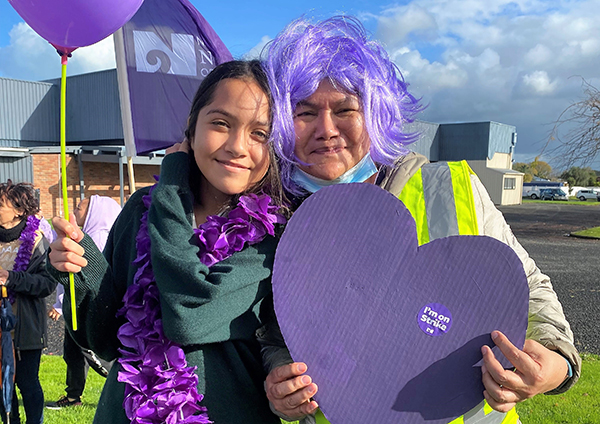 Health and safety concerns arising from unsafe staffing levels have forced nurses at Gisborne Hospital’s emergency department (ED) to go on strike.
|
| 4 Sept |
Strong growth in wāhine Māori and Pacific women’s cervical screening rates highlights success of self-testing programmeCervical screening participation has increased significantly for both wāhine Māori and Pacific women, reflecting the strong impact of self-testing, Screening Services and the dedicated efforts of health providers working alongside their communities. |
| 4 Sept |
Government must adopt Wai 2713 recommendations on disability systemThe Coalition Government must urgently adopt new recommendations from the Waitangi Tribunal which has found significant parts of the disability system prejudice tāngata whaikaha Māori (Māori with disabilities), NZNO says. |
| 31 Aug |
Employing graduate nurses will help keep them in nursing and the countryA new proposal that will require Te Whatu Ora to offer all eligible graduate nurses jobs in the public health system will help keep them in nursing and in Aotearoa New Zealand, NZNO says. |
| 26 Aug |
Health Minister’s claim Winter Plan ‘managing well’ delusionalHealth Minister Simeon Brown’s claim that hospitals are ‘managing well’ because of the Government’s Winter Plan is delusional, NZNO says. |
| 25 Aug |
Hospital data shows nursing shortages continue to put patients at riskTe Whatu Ora data released today shows patients are continuing to be put at risk by the Coalition Government’s deliberate failure to safely staff hospital wards, NZNO says. |
| 24 Aug |
Fed-up North Shore ED staff declare state of emergencyNZNO members working in the emergency department (ED) at North Shore Hospital have declared a state of emergency due to unsafe staffing levels resulting in ongoing overcrowding. |
| 19 Aug |
What happened to the winter health plan?The $25 million 2026 Winter Plan launched by Health Minister Simeon Brown in March to erase pressure on the health system has been an unmitigated disaster, Tōpūtanga Tapuhi Kaitiaki o Aotearoa NZNO says. |
| 11 Aug |
Applications open for advanced nursing education programmesHealth New Zealand is encouraging registered nurses to apply for two advanced education programmes that support nurses to further develop their clinical skills and expand access to care in communities across New Zealand. |
| 3 Aug |
Health New Zealand welcomes settlement of NZRDA collective agreementHealth New Zealand welcomes the vote by New Zealand Resident Doctors Association (NZRDA) members to settle their collective agreement. |
| 30 Jul |
Backing our frontline rural health workforceRural communities across New Zealand will benefit from three new investments that will support the rural health workforce and help more people access care closer to home, Associate Health Minister Matt Doocey says. |
| 22 Jul |
Te Whatu Ora must disclose staffing levels at time of tragic deathTe Whatu Ora must disclose whether the Waikato emergency department (ED) was short-staffed at the time a man tragically died in the waiting room, NZNO says. |
| 6 Jul |
Reflecting on IND 2026Looking back on last month’s International Nurses Day 12 May 2026 (IND 2026), the impact of this year's theme "Our Nurses. Our Future. Empowered Nurses Save Lives" continues to resonate across the world. ICN’s landmark IND 2026 report defined seven key powers of nursing and this message has been strengthened with nurses in every region celebrating, naming, and owning their powers throughout May. |
| 3 Jul |
Health New Zealand acknowledges Ombudsman statement on Wakari Ward 10AHealth NZ welcomes the independent investigation by the Ministry of Health into Ward 10A. On Wednesday the Health NZ board agreed to close Wakari Ward 10a as a forensic intellectual disability (ID) unit, with the future use of the ward yet to be determined. |
| 2 Jul |
New programme to fast track bowel cancer care and cut colonoscopy waitlistsHealth New Zealand is today launching a national initiative, designed to fast track bowel cancer care and reduce colonoscopy waitlists by up to 30 per cent. |
| 1 Jul |
Six new Co-Response Team locations announced to strengthen support for people in mental distressThe next six locations for Health New Zealand and NZ Police Co-Response Teams have been confirmed, expanding a model that helps people experiencing mental distress receive timely, wraparound support that better meets their health needs. |
| 29 Jun |
Mental health and addiction targets progress continuesHealth New Zealand continues to make important progress against its mental health and addiction targets, meeting four out of five national targets this quarter. |
| 25 Jun |
Access to care continuing to improve across a range of health indicatorsNew health data released today shows continued improvement in access to care across a range of health indicators. |
| 18 Jun |
Funding "boost" continues dangerous under-funding of aged careThe Health Minister’s funding "boost" for aged residential care continues underfunding to the sector and will continue unsafe practices and short staffing, which is putting vulnerable residents at risk, NZNO says. |
| 16 Jun |
Labour to make maternity scans freeLabour will add free maternity scans to the Medicard alongside three free doctor’s visits a year, so every pregnant woman gets the care she needs. |