

|
|
About the author:Morag MacKenzie, RN, MAppInnov(dist), PGDipHSci, PGCertTDR, is the charge nurse manager for START (Supported Transfer Accelerated Rehabilitation Team), at the Waikato District Health Board. |
||

Abstract
Transdisciplinary research (TDR) was the methodological approach used to explore challenges and opportunities for enrolled nursing in the contemporary health workforce in New Zealand. The question considered in this TDR study was how the contribution of enrolled nursing might become more visible and better understood in terms of its contribution to the health workforce. TDR was chosen as the methodological approach to enable exploration of potential innovations through a collaboration between a variety of stakeholders in a health-care delivery community.
Key words
transdisciplinary research, methodology, ‘wicked problems’, collaboration, partnership
Introduction
TRANSDISCIPLINARY RESEARCH (TDR) is a methodological approach that enables researchers to examine complex problems in collaboration with a wide variety of stakeholders. This article presents some practical insights from my experience of using TDR to explore the challenges and opportunities of enrolled nursing in the contemporary health workforce. The central ideas of the TDR approach are explained, including “wicked problems”, definitions of TDR, the involvement of stakeholders in partnership and collaboration, and the relevance of reflection in the process of conducting a TDR study.
Wicked problems
In considering the notion of complex societal problems, the phrase “wicked problems” emerges (Mobjörk, 2010, p. 869). These “wicked problems” are complex and require a multi-faceted approach by a variety of stakeholders to find creative and flexible solutions. Roberts (2000) identified four features of “wicked problems”. Firstly, Roberts asserts there is no definite statement of a problem but more of a broad disagreement of what it could be. Secondly, the exploration of solutions is unrestricted and dependent upon stakeholder points of view. The third characteristic is the problem-resolving process is multifaceted due to limitations such as resources or politics. Finally, Roberts identified that these limitations also change as stakeholders change, fail to communicate, or change the parameters by which the problem must be solved (p. 1).
The “wicked problem” for this study came from anecdotal stories relayed by enrolled nurse (EN) students and graduates. They discussed their difficulties with employment and an apparent lack of understanding by other health professionals about the EN scope of practice. ENs practise under the direction and delegation of a registered nurse (RN) or nurse practitioner (NP). They deliver nursing care and health education across the lifespan to health consumers in community, residential or hospital settings. ENs contribute to nursing assessments, care planning, implementation and evaluation of care for health consumers and/or families/whānau, while the RN maintains overall responsibility for the plan of care (Nursing Council of New Zealand, 2019). For me, having participated in successful community-wide projects in the 1990s, transdisciplinary research and innovative methodology appealed, when considering furthering my studies. It seemed timely, then, to take a formal approach to these anecdotal stories.
I considered the challenges for enrolled nursing to be “wicked problems” due to their complexity, the variety of stakeholders and viewpoints involved and the impact of resources and politics. As identified by Dorst (2018), organisations facing complex problems need to become more flexible in the way they respond to them. Dorst suggests a design-based approach which creates a framework for mixing practices, creating new insights and “action in the space between established professions” (p. 60). The TDR methodology was chosen because it enabled a variety of viewpoints to be considered, using a research approach that focused on “real-world” issues.
Transdisciplinary research
In preparing to conduct the research, I needed a workable definition of TDR. Westberg and Polk (2016, p. 385) define TDR as a way to “address the complexity of societal problems through the exchange of knowledge and expertise across diverse groups of societal actors”. Similarly, Wickson et al (2006) determine TDR as focusing on complex and multi-dimensional problems and involving and developing shared methodology with multiple disciplines. Hoffmann-Riem et al (2008) define TDR as ranging from a diffuse conceptual term involving individual disciplines to any research involving stakeholders. Academic literature uses the terms “actors” interchangeably with “participants”, “stakeholders” and “non-academic actors” to describe the individuals who work within the TDR framework (Hoffmann-Riem et al., 2008; Mauser et al., 2013; Wickson et al., 2006). Other writers suggest the critical difference between transdisciplinarity and interdisciplinarity is the deliberate collaboration and intentional involvement of stakeholders in the identification of problems and the co-creation of solutions (Mobjörk, 2010; Thompson Klein, 2004; Wickson et al., 2006). I learnt from my enquiry that TDR involves the collaboration of a diverse number of interested people, focusing on a complex societal problem, and co-creating innovative sustainable solutions.
Partnerships, stakeholders and collaboration
TDR involves various actors/stakeholders from outside academia focussing on real-world issues (Binder et al., 2015). Therefore research on how enrolled nursing might become more visible and better understood in terms of its contribution to the health workforce, involved collaboration with various stakeholders in the Waikato Tainui region and other regions of Aotearoa New Zealand. Participants in the study included non-academic partners or actors in research (Belcher et al., 2016; Binder et al., 2015; Hospes et al., 2017; Schauppenlehner-Kloyber & Penker, 2015; Smith, 2007; Westberg & Polk, 2016).
The inclusion of partners from outside a research context and/or science discipline allows a more holistic viewpoint to be developed. Scholz and Steiner (2015) identified societal actors as having differing world views. Some have goals to improve their business or manage actual issues. In contrast, other researchers/scientists seek to grow theoretical knowledge, contributing to a better understanding of the real world. Klein (2008) recognised the importance of having experts from the “problem space” because the group as a whole form an “appropriate interdisciplinary epistemic community” (p. 121). I felt this aspect of TDR was significant for the study as the research involves and impacts upon nurses, health providers and academics. Through the lens of TDR, diverse voices could be heard.
Positive outcomes from TDR partnerships include network building, trust in others, understanding of others, community identification due to involvement in a TDR project, and knowledge generation and sharing (Walter et al., 2007). Through the TDR framework, mutual and transformational learning occurs – learning that “leaves a legacy” (Mitchell et al., 2015, p. 93). TDR is a long-term process and work-in-progress for those working with the societal problem. I concluded that this would be the case for this study, due to the complex nature of the problem, the diversity of potential stakeholders and subsequent innovations.
The project methodology
An essential consideration in TDR is that each “wicked problem” will have its own distinctive methodology, researchers and detailed solution or solutions. In essence, there is no “one size fits all’. Bergmann et al (2012) state that if researchers want to apply the methods of one transdisciplinary problem to any other transdisciplinary problem, the methods must be “de-coupled or de-contextualised” (p. 20). The selected strategy must also be reassessed frequently and revised, if needed, throughout the research process. Bergmann et al (2012) describe this as the principle of recursiveness, as each step of the process is subject to iteration – the repetition of a process to create a series of outcomes. Each step requires review, given the diversity of people involved, ensuing discussions held, and alterations made. Vilsmaier and Bergmann (2017) further examine the fundamental concepts of TDR and its methodology – integration, collaboration, mutual learning, problem-framing, co-production of solutions, and bringing the solution to fruition.
Bergmann et al (2012) examine three dimensions of integration. Firstly, the cognitive-epistemic dimension explores individual differences and similarities of science and practice and the development of new methods together. Secondly, the social and organisational element considers the varying interests and activities of the research group, focusing on leadership, mutual understanding and the group’s willingness to learn. Finally, communication links various communication styles, expressions and practices to find a common understanding (Bergmann, 2017).
Binder et al (2015) describe practical elements in establishing a TDR project and propose three phases:
- Problem-framing and team-building
Team members clarify their perspectives, problems and expectations and agree on a common set of goals for the project. - Project partners focusing on project work
Individual participants focus on various components of the project and may involve participants outside the group. - Co-generation of knowledge and knowledge integration
Outcomes of the research are identified for the groups of participants – practitioners look to solve societal problems or see transformations; scientists look for new knowledge regarding theory or methodology.
This last phase is the process for making the results useful for all parties. It facilitates understanding of the problem and the processes needed for developing a sustainable solution for all (p. 546).
Pohl and Hadorn (2008, p. 35) also identified the three phases of TDR as problem identification and structuring, problem analysis, and bringing results to fruition. Roodt (2020) describes TDR as a recursive process, whereby existing knowledge is combined with new concepts to co-create an updated construct. In unravelling the intricacies of the societal problem, I needed a logical approach to frame, analyse and process the area of concern, as suggested by Pohl (2011). Pohl and Hadorn (2008, pp. 431-432) identified three types of knowledge that are part of a TDR project, including systems, target and transformational knowledge. Firstly, systems knowledge identifies the problem and the difficulties with transforming the problem and concept into a workable solution. Target knowledge looks at the need for change, potential outcomes and improved practices. Transformational knowledge looks at cultural, ethical, technical, sustainable, political and social components when transforming current practice into improved practices.
Several frameworks and processes describe the transformation of problems into solutions in TDR research (Bergmann et al., 2012; Binder et al., 2015; Hoffman-Riem et al., 2008; Pohl, 2011). Wickson et al (2006) add to the picture by declaring that methodologies used in TDR need to respond to and reflect the problem and situation under investigation (p. 1049). They say “transdisciplinarity is characterized by an interpenetration of epistemologies in the development of methodology” and the “dissolution of disciplinary boundaries is necessary for the construction of novel or unique methodologies tailored to the problem and its context” (p. 1050).
Other literature revealed it was acceptable to use traditional forms of research methods in TDR projects: mixed-method (Thompson et al., 2017), and quantitative and qualitative methods (Claasen et al., 2015; Krettek & Thorpenberg, 2011). The most reassurance was provided by Leavy (2016), who stated “any TDR design can use any method in pursuit of the research objective” (p. 54) and methods were only tools for data collection. Leavy provides a sense of comfort that researchers can still use traditional methods, as it is more the philosophy and process that defines transdisciplinary research.
Reflection in transdisciplinary research
Researchers have highlighted the importance that reflection plays in TDR (Finlay, 2002; Palaganas et al., 2017; Patnaik, 2013). The need to reflect, review and reiterate the research process is essential to producing solutions that are fit for purpose and meaningful to the context. Reflection and reiteration are equally important at the group and individual levels: the group level when participants are together considering the project and the individual level when considering a researcher’s involvement.
Reflection for researchers is therefore essential, as the researcher’s worldview and potential areas of bias may have an impact on the understanding of the problem, the research method, the design and the solutions (Wickson et al., 2006). This reflection contributes to the deconstruction of current knowledge and the rebuilding of new group and individual bodies of knowledge (Wickson et al., 2006, p.1053-1054). This deconstruction and co-creation of knowledge is further elaborated by Popa et al (2015), who proposed four main characteristics of reflexivity related to TDR:
- collaborative deliberation to develop a shared understanding of a problem;
- the social relevance of the problem-framing;
- social experimentation and collective learning processes;
- critical and transformative character of the research agenda.
Reflection is therefore required in all stages of TDR, from discussing the problem and its societal relevance, formulating the action plan, and reviewing learning outcomes to the contribution of the research and transformation of the problem (p. 3). With the diversity of worldviews and knowledge in the stakeholder group, reflection is essential for each member to understand each other and the “wicked problem”. Roux et al (2010) propose the idea of co-reflection by the entire stakeholder group – and support the aspirations of individuals, sub-groups and research funders. Roux et al (2010) introduced the need for a facilitated workshop at the start of the research and then regularly after that to enable “learning by doing” (p. 735). This co-reflection offers opportunities for stakeholders to understand each other’s worldviews better, while working collectively towards a “defined social purpose or aspiration goal” (p. 737).
Group reflections for this project centred on updates on research progress and discussion among the stakeholder group on the role of the EN. The discussions initially centred on the methodology of the project and potential areas of inquiry, processes involved, ethics approval, and updates from group members on the topic from their perspective. Many participants have an active role in the development or employment of ENs, particularly in the Waikato district, but also from a national or regional perspective. Other participants were involved with health-service delivery, and while might not necessarily work or employ ENs, they could see the potential for the development of this role. Group reflection focused on the development of the research project and then later on the findings. Discussions were noted in my portfolio and stakeholders were followed up by email or as part of regular meetings. An email update for stakeholders was disseminated to participants towards the end of the research to discuss the progress and findings.
I found the involvement of the stakeholders to be invaluable for my own understanding of the issues and how the problems affected a variety of people from different parts of the health sector. The group also guided me on my research journey, offering suggestions and opportunities for reflection with kanohi-ki-te-kanohi (face-to-face) discussions. The group has specialised knowledge of the wicked problems being addressed. It could now be likened to “communities of practice”, as proposed by Lave and Wenger (1991), where people form a group with a common interest in a particular area and share knowledge and experiences.
Iteration was a fluid process; it was incorporated throughout the research project and occurred at many stages. This included the development of the “wicked problem”, the ethics application process, construction of the survey questions, dissemination of the surveys and project information-sharing. Mutual learning occurred as group participants took part in ongoing discussions and knowledge-sharing about the development of the role and the broader socio-political and health workforce influences that affect the EN. Participants were able to share developments, trends and strategies that were in place for the role of the EN, and also discuss further challenges or opportunities that they had noted as part of their day-to-day roles.
Networking with stakeholders was also a key component of the TDR methodology. This occurred either in groups or with individuals, and relationships developed over time. Participants pledged support and ongoing contribution to the project and are keen to be a part of future knowledge-sharing, research outcomes and development of the role. Mutual learning transpired for the participants from their involvement in the research, information-sharing, networking and discussions held during the process. As participants come from a variety of backgrounds, they were able to share their knowledge in their collective groups and learn from each other about developments of the role and how to consider moving forward with potential innovations. The group had evidence of the difficulties faced by ENs, both present and historical (Gibson & Heartfield, 2005; Ministry of Health, 2019; Nursing Review, 2017; Prinsloo, 2014).
In summary, the TDR process is underpinned by a fluid research methodology involving integration and collaboration, responding to people, problems and the context in which the research is conducted. TDR methodology evolves due to many factors: wicked real-world problems that may in themselves be evolving, a range of stakeholders including academic and non-academic actors, varying epistemologies, knowledge and practice, and reflection and iteration.
Acknowledgement
This research was conducted while the author was a senior academic staff member at Wintec, working alongside the Design Factory, as it was the enrolled nursing students who she taught who were the impetus for the research.
References
Belcher, B. M., Rasmussen, K. E., Kemshaw, M. R., & Zornes, D. A. (2016). Defining and assessing research quality in a transdisciplinary context. Research Evaluation, 25(1), 1–17.
Bergmann, M., Klein, J. T., & Faust, R. C. (2012). Methods for transdisciplinary research: A primer for practice. Campus-Verlag.
Bergmann, M. (2017). Methods for integration in transdisciplinary research. In Integration and Implementation Insights.
Binder, C. R., Absenger-Helmli, I., & Schilling, T. (2015). The reality of transdisciplinarity: A framework-based self-reflection from science and practice leaders. Sustainability Science, 10(4), 545–562.
Claasen, N., Covic, N. M., Idsardi, E. F., Sandham, L. A., Gildenhuys, A., & Lemke, S. (2015). Applying a transdisciplinary mixed methods research design to explore sustainable diets in rural South Africa. International Journal of Qualitative Methods, 69–92.
Dorst, K. (2018). Mixing practices to create transdisciplinary innovation: A design-based approach. Technology Innovation Management Review, 8(8), 60–65.
Finlay, L. (2002). Negotiating the swamp: The opportunity and challenge of reflexivity in research practice. Qualitative Research, 2(2), 209–230.
Gibson, T., & Heartfield, M. (2005). Australian enrolled nurses have their say – Part 2: Scope of practice. Contemporary Nurse: A Journal for the Australian Nursing Profession, 19(1-2), 126–136.
Hoffmann-Riem, H., Biber-Klemm, S., Grossenbacher-Mansuy, W., Hirsch Hadorn, G., Joye, D., Pohl, C., … Zemp, E. (2008). Handbook of transdisciplinary research. In G. H. Hadorn, H. Hoffman-Riem, S. Biber-Klemm, W. Grossenbacher-Mansuy, D. Joye, C. Pohl, U. Wiesmann, & E. Zemp (Eds.), Handbook of transdisciplinary research (pp. 1–448). Berne, Switzerland.
Hospes, O., Kroeze, C., Oosterveer, P., Schouten, G., & Slingerland, M. (2017). New generation of knowledge: Towards an inter- and transdisciplinary framework for sustainable pathways of palm oil production. NJAS – Wageningen Journal of Life Sciences, 80, 75-84.
Klein, J. T. (2008). Evaluation of interdisciplinary and transdisciplinary research: a literature review. American Journal of Preventive Medicine, 35(2 Suppl), S116-23.
Krettek, A., & Thorpenberg, S. (2011). Transdisciplinary Higher Education – A Challenge for Public Health Science. Education Research International, 2011(Article ID 649539), 6.
Lave, J., & Wenger, E. (1991). Situated Learning. Cambridge University Press.
Leavy, P. (2016). Essentials of transdisciplinary research: Using problem-centered methodologies. Routledge. ISBN 9781598745931
Mauser, W., Klepper, G., Rice, M., Schmalzbauer, B. S., Hackmann, H., Leemans, R., & Moore, H. (2013). Transdisciplinary global change research: The co-creation of knowledge for sustainability. Current Opinion in Environmental Sustainability, 5(3-4), 420-431.
Ministry of Health. (2019). Safer staffing accord.
Mitchell, C., Cordell, D., & Fam, D. (2015). Beginning at the end: The outcome spaces framework to guide purposive transdisciplinary research. Futures, 65, 86–96.
Mobjörk, M. (2010). Consulting versus participatory transdisciplinarity: A refined classification of transdisciplinary research. Futures, 42(8), 866–873.
Nursing Council of New Zealand. (2019). Enrolled Nurse scope of practice.
Nursing Review. (2017). Survey finds mixed support for EN graduates.
Palaganas, E. C., Sanchez, M. C., Molintas, M. V. P., & Caricativo, R. D. (2017). Reflexivity in qualitative research: A journey of learning. Qualitative Report, 22(2), 426-438.
Patnaik, E. (2013). Reflexivity: Situating the researcher in qualitative research. Humanities and Social Science Studies, 2(2), 98–106.
Pohl, C. (2011). What is progress in transdisciplinary research? Futures, 43(6), 618–626.
Pohl, C., & Hadorn, G. H. (2008). Core terms in transdisciplinary research. In G. H. Hadorn, H. Hoffman-Riem, S. Biber-Klemm, W. Grossenbacher-Mansuy, D. Joye, U. Wiesmann, & E. Zemp (Eds.), Handbook of transdisciplinary research (pp. 427-432). Springer.
Popa, F., Guillermin, M., & Dedeurwaerdere, T. (2015). A pragmatist approach to transdisciplinarity in sustainability research: From complex systems theory to reflexive science. Futures, 65, 45-56.
Prinsloo, L. (2014). What influenced changes to Enrolled Nursing in New Zealand.
Roberts, N. (2000). Wicked problems and network approaches to resolution. International Public Management Review, 1(1), 1-19.
Roodt, J. H. S. (2020). Transdisciplinary Research Process 2020. ResearchGate.
Roux, D. J., Stirzaker, R. J., Breen, C. M., Lefroy, E. C., & Cresswell, H. P. (2010). Framework for participative reflection on the accomplishment of transdisciplinary research programs. Environmental Science and Policy, 13(8), 733–741.
Schauppenlehner-Kloyber, E., & Penker, M. (2015). Managing group processes in transdisciplinary future studies: How to facilitate social learning and capacity building for self-organised action towards sustainable urban development? Futures, 65, 57-71.
Scholz, R. W., & Steiner, G. (2015). Transdisciplinarity at the crossroads. Sustainability Science, 10(4), 521–526.
Smith, P. M. (2007). A transdisciplinary approach to research on work and health: What is it, what could it contribute, and what are the challenges? Critical Public Health, 17(2), 159-169.
Thompson Klein, J. (2004). Prospects for transdisciplinarity. Futures, 36(4), 515–526.
Thompson, M., Owen, S., Lindsay, J. M., Leonard, G. S., & Cronin, S. J. (2017). Scientist and stakeholder perspectives of transdisciplinary research: Early attitudes, expectations, and tensions. Environmental Science and Policy, 74(May), 30–39.
Vilsmaier, U., & Bergmann, M. (2013). Mixing and coupling methods in transdisciplinary research and research-based learning. I2S Co-Conference Leuphana University Lueneburg, Germany.
Walter, A. I., Helgenberger, S., Wiek, A., & Scholz, R. W. (2007). Measuring societal effects of transdisciplinary research projects: Design and application of an evaluation method. Evaluation and Program Planning, 30(4), 325–338.
Westberg, L., & Polk, M. (2016). The role of learning in transdisciplinary research: Moving from a normative concept to an analytical tool through a practice-based approach. Sustainability Science, 11(3), 385–397.
Wickson, F., Carew, A. L., & Russell, A. W. (2006). Transdisciplinary research: Characteristics, quandaries and quality. Futures, 38(9), 1046–1059.
Daily doses – uncut news
| 24 Aug |
Fed-up North Shore ED staff declare state of emergencyNZNO members working in the emergency department (ED) at North Shore Hospital have declared a state of emergency due to unsafe staffing levels resulting in ongoing overcrowding. |
| 19 Aug |
What happened to the winter health plan?The $25 million 2026 Winter Plan launched by Health Minister Simeon Brown in March to erase pressure on the health system has been an unmitigated disaster, Tōpūtanga Tapuhi Kaitiaki o Aotearoa NZNO says. |
| 11 Aug |
Applications open for advanced nursing education programmesHealth New Zealand is encouraging registered nurses to apply for two advanced education programmes that support nurses to further develop their clinical skills and expand access to care in communities across New Zealand. |
| 3 Aug |
Health New Zealand welcomes settlement of NZRDA collective agreementHealth New Zealand welcomes the vote by New Zealand Resident Doctors Association (NZRDA) members to settle their collective agreement. |
| 30 Jul |
Backing our frontline rural health workforceRural communities across New Zealand will benefit from three new investments that will support the rural health workforce and help more people access care closer to home, Associate Health Minister Matt Doocey says. |
| 22 Jul |
Te Whatu Ora must disclose staffing levels at time of tragic deathTe Whatu Ora must disclose whether the Waikato emergency department (ED) was short-staffed at the time a man tragically died in the waiting room, NZNO says. |
| 6 Jul |
Reflecting on IND 2026Looking back on last month’s International Nurses Day 12 May 2026 (IND 2026), the impact of this year's theme "Our Nurses. Our Future. Empowered Nurses Save Lives" continues to resonate across the world. ICN’s landmark IND 2026 report defined seven key powers of nursing and this message has been strengthened with nurses in every region celebrating, naming, and owning their powers throughout May. |
| 3 Jul |
Health New Zealand acknowledges Ombudsman statement on Wakari Ward 10AHealth NZ welcomes the independent investigation by the Ministry of Health into Ward 10A. On Wednesday the Health NZ board agreed to close Wakari Ward 10a as a forensic intellectual disability (ID) unit, with the future use of the ward yet to be determined. |
| 2 Jul |
New programme to fast track bowel cancer care and cut colonoscopy waitlistsHealth New Zealand is today launching a national initiative, designed to fast track bowel cancer care and reduce colonoscopy waitlists by up to 30 per cent. |
| 1 Jul |
Six new Co-Response Team locations announced to strengthen support for people in mental distressThe next six locations for Health New Zealand and NZ Police Co-Response Teams have been confirmed, expanding a model that helps people experiencing mental distress receive timely, wraparound support that better meets their health needs. |
| 29 Jun |
Mental health and addiction targets progress continuesHealth New Zealand continues to make important progress against its mental health and addiction targets, meeting four out of five national targets this quarter. |
| 25 Jun |
Access to care continuing to improve across a range of health indicatorsNew health data released today shows continued improvement in access to care across a range of health indicators. |
| 18 Jun |
Funding "boost" continues dangerous under-funding of aged careThe Health Minister’s funding "boost" for aged residential care continues underfunding to the sector and will continue unsafe practices and short staffing, which is putting vulnerable residents at risk, NZNO says. |
| 16 Jun |
Labour to make maternity scans freeLabour will add free maternity scans to the Medicard alongside three free doctor’s visits a year, so every pregnant woman gets the care she needs. |
| 29 May |
WellSouth Statement on Budget 2026: a missed opportunityBudget 2026 is a missed opportunity for primary care, and for the communities that depend on it most, in particular our rural people and practices. |
| 29 May |
Updated - Nurses on front lines of Ebola outbreak at serious riskIn response to the gravely concerning and escalating Ebola outbreak in the Democratic Republic of the Congo (DRC) and Uganda, the International Council of Nurses (ICN) warns that nurses and other frontline health workers are being put at serious risk and left fearful for their safety. |
| 27 May |
Health NZ committed to safeguarding patient informationHealth New Zealand welcomes the reports released today into the Manage My Health (MMH) cyber incident and is committed to ensuring all possible steps are taken to safeguard patient information. |
| 22 May |
More New Zealanders could benefit from funded vaccines from 2027Pharmac is proposing changes that would give more New Zealanders access to funded vaccines from 2027, including expanded access to the flu vaccine for young children. |
| 21 May |
It’s not just the wallet: How the gender pay gap can hurt women’s bodiesWhile many aspects of New Zealand’s enduring gender pay gap have been discussed, its physical impact on workers has been largely overlooked – until now. |
| 21 May |
Bupa nurses take pay equity claim over historic wage discriminationNZNO nurses working at Bupa aged residential care homes throughout Aotearoa New Zealand have raised a pay equity claim to address historic gender-based wage discrimination. |
| 20 May |
Waikato Hospital adds 10 forensic mental health beds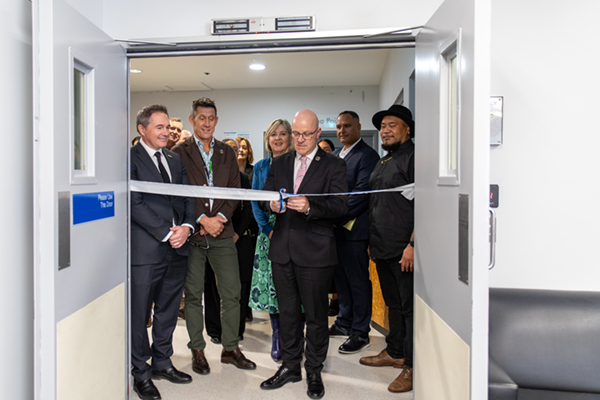 Ten new forensic inpatient beds have been made available at the Regional Forensic Psychiatric Service at Waikato Hospital to expand forensic mental health capacity for adults in prison or on remand in Health New Zealand’s Midland region.
|
| 18 May |
Strong gains in two-year immunisation target for Tamariki MāoriHealth New Zealand is welcoming a significant increase in Māori immunisation rates, with full immunisation at 24 months rising from just over 60 per cent in late 2024 to 71.5 per cent at the end of last month. |
| 15 May |
New global report shows empowering nurses is key to saving lives and strengthening health systemsAs the world marks International Nurses Day, the International Council of Nurses (ICN) is calling for urgent investment in nursing, supported by a major new global report, Our Nurses. Our Future. Empowered Nurses Save Lives, that presents seven key nursing powers. |
| 14 May |
Lakes and Whanganui nurses still waiting for Holiday Pay a decade on
Photo by Fin Ocheduszko-Brown at Whanganui Chronicle Nurses at Lakes and Whanganui districts are calling on Te Whatu Ora to explain why after a decade of redress, they still don’t know when they will receive their full Holiday Act remediation payments, NZNO says. |
| 13 May |
Recognising the extraordinary contribution of nursesInternational Nurses Day is an opportunity to recognise the extraordinary role nurses play in caring for New Zealanders at every stage of life, Health Minister Simeon Brown says. |
| 12 May |
Government’s decision to scrap fees free scheme will lead to further student exodusThe Coalition Government’s decision to scrap the fees free policy for third year tertiary students has left nursing tauira outraged |
| 30 Apr |
BroPilot grounding digital tools in whānau, culture, and care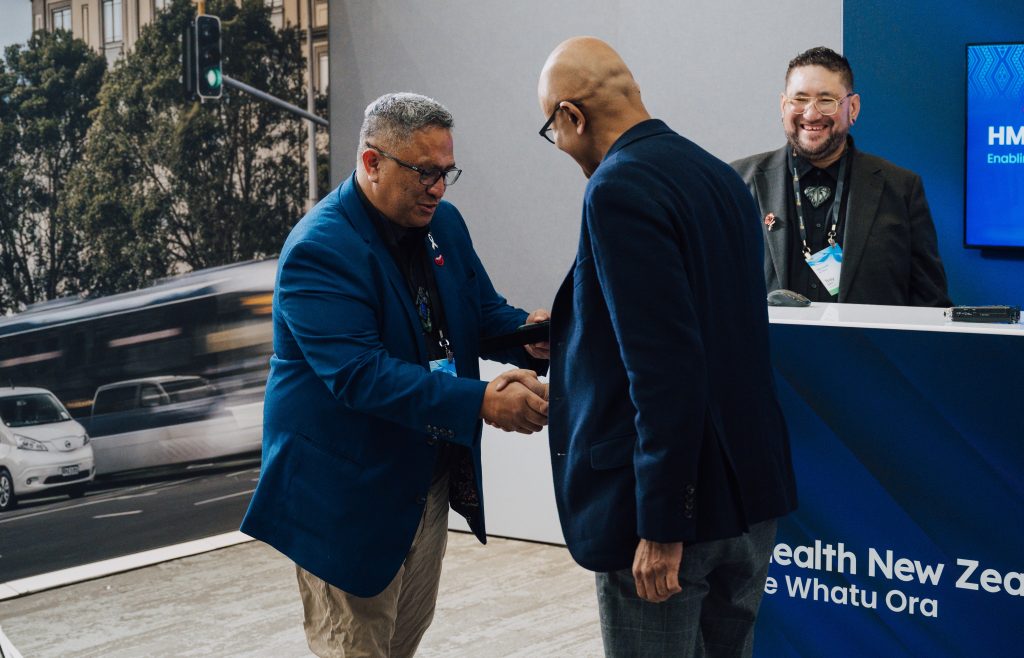 A passion for his Māori culture and a desire to make AI accessible to everyone inspired Troy Baker, Senior ICT Specialist, Health New Zealand to develop BroPilot – a culturally grounded way of working with Microsoft Copilot that reflects Māori values, whakaaro, and real lived experience.
|
| 29 Apr |
Heartbreaking tragedies were avoidable - NZNOAnalysis by a media outlet, published today, finding health care staff shortages were contributing factors in the deaths of 11 babies is a national and avoidable tragedy, NZNO says. |
| 28 Apr |
CTU launches Roving Health and Safety Representatives policy on Workers’ Memorial DayThe New Zealand Council of Trade Unions Te Kauae Kaimahi has today launched our Roving Health and Safety Representatives policy at the Workers’ Memorial Day commemoration in Wellington, with further events held across the motu in Manawatū, Christchurch, and Otago. |
| 24 Apr |
“The 80s Calling”: New national campaign challenges outdated HIV stigmaAssociate Health Minister Matt Doocey today launched Health New Zealand’s “The 80s Calling”; a provocative new campaign designed to reduce stigma, normalise conversations about HIV, and support people living with HIV. |
| 23 Apr |
Government’s attack on Māori health raised at the UNConcerns over the Coalition Government’s active reversal of policies designed to improve Māori health outcomes were raised at the United Nations in New York this morning. |
| 16 Apr |
Tribute to Professor Lester Levy’s service to healthcareHealth New Zealand Chief Executive Dr Dale Bramley is paying tribute to Health NZ Board Chair Professor Lester Levy, who finishes in the role at the end of the month. |
| 10 Apr |
Chronic health care assistant short staffing harming vulnerable patientsTe Whatu Ora’s attempt to cut costs by requiring health care assistants to carry out cohort patient watches is harming vulnerable patients and staff, NZNO says. |
| 9 Apr |
New group education clinics speeding up knee and hip surgery careHealth New Zealand is rolling out a new group education approach for people waiting for hip and knee surgery in north and west Auckland, resulting in more patients being seen sooner. |
| 25 Mar |
National Diabetes Roadmap launched to improve care, prevention, and quality of lifeHealth New Zealand has launched a new National Diabetes Roadmap (‘the Roadmap’) to improve care, strengthen prevention, and support better health outcomes and quality of life for people living with diabetes. |
| 24 Mar |
ACT should leave nursing to professionals and medical evidenceTōpūtanga Tapuhi Kaitiaki o Aotearoa NZNO Kaiwhakahaere Kerri Nuku says ACT MP Todd Stephenson has dismissed the Nursing Council’s draft code of conduct - which proposes strengthening cultural safety, whānau-centred care and te Tiriti o Waitangi obligations - as political ideology. |
| 23 Mar |
UK report reflects ICN warnings on international recruitment ripoff — now countries must act togetherThe International Council of Nurses (ICN) warmly welcomes a new report from the UK All Party Parliamentary Group (APPG) on Global Health and Security that recognizes the huge sums saved by high-income countries who recruit abroad and acknowledges the severe harms caused by unethical recruitment from fragile source countries left without nurses. |
| 20 Mar |
HPV self-test boosts cervical cancer screening ‘across the board’, new study confirmsMaking human papillomavirus (HPV) self-testing available to all women increases the number of people screened for cervical cancer, a new study led by researchers from Te Herenga Waka—Victoria University of Wellington has confirmed. |
| 19 Mar |
ICN at CSW70: Violence against nurses is a gendered crisis threatening global healthThe International Council of Nurses (ICN) has warned that violence against nurses is a global gendered crisis that threatens health systems, patient safety and workforce sustainability |
| 17 Mar |
Additional winter health care workers a drop in the ocean of needThe Government’s announcement today of 378 extra staff to help hospitals cope with winter demand is a drop in the ocean of what patients need, NZNO says. |
| 12 Mar |
Funding change will ensure more consistent emergency care for New ZealandersA simple change in how ambulance medicines are funded is set to create more consistent emergency care. |
| 9 Mar |
Questions over dilapidated and cramped renal unit forced to ration dialysisThe Health Minister must explain why after years of concerns from nurses about Christchurch Hospital’s barely functioning dialysis unit, he only stepped in late yesterday when life-saving treatment had to be rationed, NZNO says. |
| 3 Mar |
Hospitals and health workers should never be targetsThe right of health care workers to provide care during international conflicts must be protected, Tōpūtanga Tapuhi Kaitiaki o Aotearoa NZNO says. |
| 2 Mar |
Public and Mental Health Nurses settle collective agreementHealth New Zealand welcomes the ratification of the two Public Service Association (PSA) Public and Mental Health Nurses collective employment agreements for Auckland and the Rest of New Zealand. |