

About the authors:Costantinos (Kosta) Tabakakis, MHSci(hons), MEd, is a PhD candidate at the School of Nursing, Midwifery and Social Sciences, CQUniversity, Noosa, Australia. He is also a research adviser at Research and Enterprise, University of Otago, Christchurch, New Zealand. Margaret McAllister, RN, EdD, is an adjunct professor at the School of Nursing, Midwifery and Social Sciences/Higher Education, CQUniversity, Noosa, Australia. Julie Bradshaw, RN, MNurs(hons), PhD, is the deputy dean for learning and teaching, and the head of course for mental health postgraduate nursing at the School of Nursing, Midwifery and Social Sciences, CQUniversity, Rockhampton, Australia. This article was accepted for publication in August 2020. |
ABSTRACTAims and objectives: To investigate the impact of workplace factors on burnout in New Zealand registered nurses (RNs). Background: Nursing is characterised by chronic workplace stress. Research examining the role of workplace factors (ie practice environment and bullying) in shaping burnout is scarce. Methods: A cross-sectional survey was conducted among 480 New Zealand RNs. Burnout was self-reported using the CBI, while practice environment and negative acts in the workplace were self-reported using PES-NWI, and NAQ-R respectively. The STROBE checklist was used for this paper. Results: For every point increase in PES-NWI, there was a decrease of 6.82, 12.62, and 9.86 points in personal burnout (PB), work-related burnout (WRB), and client-related burnout (CRB) respectively after controlling for demographic and job-related characteristics. For every point increase in NAQ-R, there was an increase of 0.47, 0.50, and 0.20 points in PB, WRB, and CRB respectively after controlling for sample characteristics. These two factors explained for 18.4 percent, 27.6 percent and 12.4 percent of the variation in PB, WRB and CRB respectively. The prevalence of high PB, WRB and CRB was 50.8 percent, 46.5 percent and 16.0 percent respectively. Conclusion: Workplace factors are associated with burnout in RNs. Health-care organisations and nurse leaders have a duty to provide safe and healthy workplaces that cultivate positive outcomes for nurses and patients. Future efforts to reduce workplace stress and burnout in nurses will need to include initiatives that reduce high workloads, provide greater job flexibility and autonomy, increase collaboration and reduce bullying and harassment. |
||||
KEYWORDS |
|||||
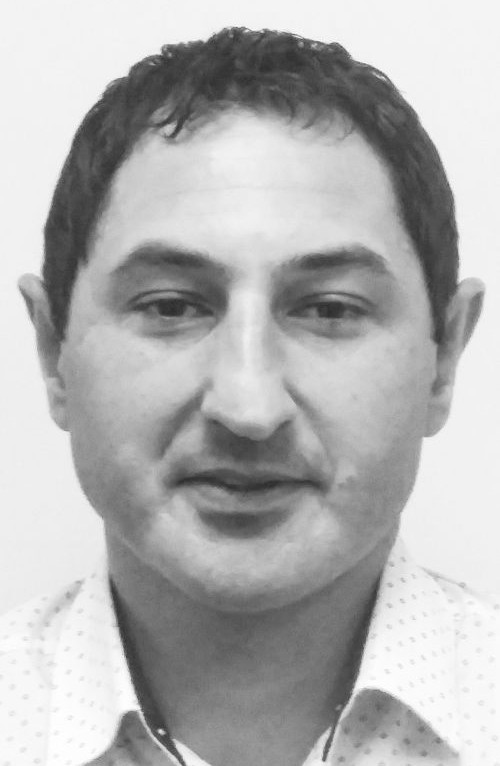 Costantinos Tabakakis
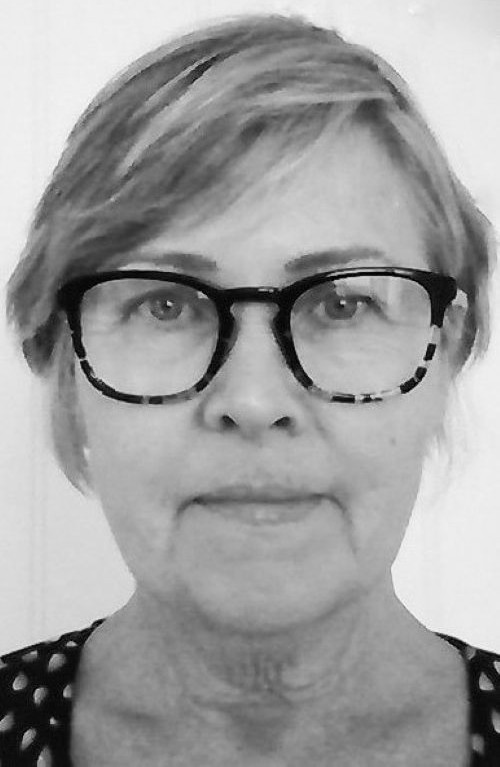 Margaret McAllister
 Julie Bradshaw
INTRODUCTION
A LARGE BODY OF evidence has emerged showing nurses from different countries and health-care systems are often exposed to high levels of stress in their workplace. These include nurses in Australia (Opie et al., 2011), Greece (Sarafis et al., 2016), the United Kingdom (Marangozov et al., 2017), Nigeria (Faremi et al., 2019), the United States (Roberts & Grubb, 2014), and Iran (Najimi et al., 2012). In a systematic literature review, McVicar (2003) identified several major sources of workplace stress in nurses, including workload/inadequate staff/time pressure, relationships with other clinical staff, leadership/management issues, professional conflict and the emotional demands of caring, shift work and lack of compensation. McVicar also concedes that it is nearly impossible to ignore the effect that personal circumstances have on a nurse’s ability to cope with workplace stress – sometimes easing stress, while at other times compounding difficulties.
Workplace stress in nurses is often associated with reduced job satisfaction (Hayes et al., 2015) and increased risk of burnout. Furthermore, workplace stress (ie inadequate staffing and lack of organisational support) was assessed by nurses as adversely affecting the quality of patient care (Aiken et al., 2002). Burnout is associated with increased absenteeism (Dyrbye et al., 2019) and, ultimately, may result in intent to leave the profession (Heinen et al., 2013).
BACKGROUND AND LITERATURE REVIEW
Within the New Zealand context, there has been a steady stream of research examining workplace stress in nurses. Dewe (1987) conducted one of the earliest seminal studies on the topic and found several potential sources of stress for nurses, including work overload, difficulties with other staff, difficulties in nursing the critically unwell, concerns over patient treatment and dealing with helplessly ill patients. Later, Watson and Feld (1996) found that nurse-doctor conflict was another major source of stress, followed by workload, inadequate preparation for dealing with the emotional needs of patients and their families, and death and dying. In 2007, a survey of Australian and New Zealand nurses found workplace stress was increasing and the authors predicted that nurses would experience poorer mental and physical health (Chang et al., 2007). Huntington et al. (2008) reported that workload was the most common workplace stressor. Ditzel (2009) found nurses experienced a moderate frequency of perceived job stress, nurses who worked full-time in public hospitals were most susceptible to work stress, high workload was the most significant contributor to job stress, and nurses aged 20 to 30 years experienced the highest frequency of perceived job stress.
In addition to stress, research on burnout in New Zealand nurses is emerging. Hall (2001), in the first study exploring burnout in New Zealand nurses, found nearly a third of nurses were in the advanced phases of burnout. Burnout was strongly associated with age, in particular in the 41-45 years age band. No significant associations were found between burnout and gender, job positions and hours of work. Burnout patterns did not differ across nurse settings. Moloney et al. (2018) showed that work-life interference, workload and emotional demands have the largest effects on burnout. Frey et al. (2018), using hierarchical multiple regression, found the four factors in the model of specialisation (palliative care/other, palliative care education, psychological hardiness and psychological empowerment) significantly predicted burnout (R2 = 0.445).
The International Hospital Outcomes Study (IHOS) (Aiken et al., 2002) is a body of work conducted in the United States over a period of 10 years, culminating in a conceptual framework for determining “good” or “Magnet” hospitals. These hospitals were successful in attracting and retaining nurses, while producing positive nurse and patient outcomes. Integral to positive nurse and patient outcomes were a set of two core hospital-level or organisational features: nurse staffing, and organisational support for nursing care. This work laid the platform for the development of the Practice Environment Scale – Nurse Work Index (PES-NWI) (Lake, 2002; Lake & Friese, 2006), which measures five key domains of the nursing practice environment. Two domains were specific to the hospital-environment: 1) nurse participation in hospital affairs, and 2) nursing foundations for quality of care. The remaining three domains were specific to the unit: 1) nurse manager ability, leadership and support, 2) staffing and resource adequacy, and 3) collegial nurse-doctor relations.
The Bergen Bullying Research Group (BBRG) has shown in its research that employees who have been exposed to bullying or bullying behaviours reported higher levels of psychological and physical symptoms than others (Mikkelsen & Einarsen, 2001). Also, BBRG has shown individuals who were bullied reported more detrimental outcomes (ie poor sleep quality, reduced job satisfaction) than others who had experienced interpersonal conflict/aggression only (Notelaers et al., 2018). A literature review by the National Institute of Health Norway and BBRG on workplace bullying highlights the undeniable conclusion that exposure to workplace bullying results in a suite of short- and long-term negative mental and physical health outcomes (Nielsen & Einarsen, 2018).
In summary, New Zealand nurses report a range of workplace stressors which, if sustained, can result in burnout. There is an absence of data on the relationship between the practice environment and negative acts in the workplace, and burnout in New Zealand nurses. This requires further investigation. The work of Aiken et al. (2002) and Nielsen et al. (2011) have guided a current project examining resilience in New Zealand nurses (Tabakakis et al., 2019). This study explores the influence of personal, hospital workplace and bullying factors within this population.
Reducing sources of workplace stress and ultimately burnout in nurses needs to become a leading priority for health-care organisations around the globe, especially given the growing global nursing shortage (Drennan & Ross, 2019). This study aimed to investigate the impact of workplace factors, including practice environment and negative acts in the workplace, on burnout in New Zealand registered nurses (RNs).
METHODS
Study population, design and sample
In 2017, New Zealand had 49,933 practising RNs on the Register maintained by the Nursing Council of New Zealand. Ninety-one percent of these were female, 43 percent were 50 years or older and 7 percent identified as Māori (Nursing Council of New Zealand, 2018).
This cross-sectional study was conducted between August 23 and November 4, 2018. Cross-sectional studies are observational and investigate both exposure and outcome at the same time in a set population (Nour & Plourde, 2019). Five thousand RNs were randomly selected from the New Zealand Nurses Organisation (NZNO) database and invited to participate. The NZNO population has a similar demographic profile to the national New Zealand nursing workforce. The email invitation included information about the study, contact details for the research team and a SurveyMonkey link to an anonymous online questionnaire. A participant information sheet was provided at the beginning of the questionnaire, which conformed to ethical procedures. The Strengthening the Reporting of Observational studies in Epidemiology (STROBE) checklist for cross-sectional studies (Von Elm et al., 2007) was used for this paper to ensure clear and complete reporting of study conduct.
Ethics
Ethical approval was obtained from the Central Queensland University Human Research Ethics Committee (CQU HREC) (approval number 2110). Advice was sought from Gary Witte (academic committees and services office manager, University of Otago) on whether ethics approval was also required from an accredited New Zealand-based ethics committee. Given the project received full ethical review from CQU HREC, it was deemed this was not required. This was further supported by NZNO. Māori consultation was undertaken with Karen Keelan (kaitohutohu rangahau Māori/Māori research advisor, University of Otago, Christchurch). Advice was given on data collection and dissemination to Māori stakeholders, including the possibility of providing the questionnaire and interview material in te reo Māori. This was considered, but due to budget constraints, was not feasible.
Variables and measurements
Demographic and job-related characteristics self-reported by the participants included age, gender (male, female, other), ethnicity (seven categories), relationship status (single, in a relationship/defacto/married/cohabitating, other), employment status (full-time, part-time, other), highest nursing qualification (undergraduate, postgraduate, other), years employed as a nurse, place of employment (district health board, non-district health board), and intention to leave in the previous 12 months (yes, no).
The Copenhagen Burnout Inventory (CBI) (Kristensen, Borritz, Villadsen, & Christensen, 2005) is a 19-item measure of fatigue (physical and psychological) and exhaustion in three domains (separate scales): (1) personal burnout, (2) work-related burnout, and (3) client-related burnout. Personal burnout (PB, six items) is an overall state of prolonged physical and psychological exhaustion, regardless of source (generic scale). Work-related burnout (WRB, seven items) is a state of prolonged physical and psychological exhaustion, which is perceived as related to the person’s work. Client-related burnout (CRB, six items) is a state of prolonged physical and psychological exhaustion, which is perceived as related to the person’s work with clients, which, in this context, is the patients. Items are rated on a series of 5-point Likert scales (“always”, “often”, “sometimes”, “seldom” and “never/almost never”). Scores for all scales range from 0-100. Scores of 50 or greater in each of the three scales indicate a high level of burnout. Higher scores in each domain indicate greater severity of fatigue and exhaustion (burnout). Prevalence of burnout scores are determined by assessing the percentage of individuals with scores ≥50 as a percentage of the overall respondents within each subscale. The CBI has acceptable psychometric properties (Chambers et al., 2016; Fong et al., 2014; Milfont et al., 2008).
The Practice Environment Scale of the Nursing Work Index (PES-NWI) (Lake, 2002) was used to assess the practice environment. The PES-NWI includes 31 items with five subscales, with items scored on a Likert scale. The four responses are: 1=strongly agree, 2=somewhat agree, 3=somewhat disagree and 4=strongly disagree. The five subscales are: 1) nurse participation in hospital affairs (nine items), 2) nurse foundations for quality of care (nine items), 3) nursing unit manager ability, leadership and support of nurses (five items), 4) staffing and resource adequacy (four items), 5) collegial nurse-doctor relations (three items). The PES-NWI has been used in a revised form within the Australian context (Middleton et al, 2008). The revised version has been validated using a Queensland nursing population, demonstrating good psychometric properties (Parker et al, 2010). Response categories were reversed: 1=strongly disagree, 2=somewhat disagree, 3=somewhat agree and 4=strongly agree. A composite (overall) score can be calculated by adding the five subscale scores and taking an average. The composite score was used in this study.
The Negative Acts Questionnaire-Revised (NAQ-R) (Nielsen et al., 2011) was used to assess perceived exposure to negative acts in the workplace. The NAQ-R is a 23-item self-report questionnaire, consisting of three subscales measuring frequency, intensity and prevalence of unwanted and negative behaviour, and workplace bullying within the past six months. The three subscales are: 1) person-related bullying (seven items), 2) work-related bullying (12 items), and 3) physically intimidating bullying (three items). Examples of unwanted behaviour included someone withholding information from you which affects your performance, being ordered to do work below your level of competence, and being exposed to persistent and unjustified criticism. Bullying behaviours included being shouted out, finger pointing, having one’s personal space invaded and being threatened. The first 22 items assess a respondent’s perception of exposure to unwanted and negative behaviour, which may be deemed bullying if occurring frequently over time (often referred to as the “behavioural method”), while the 23rd item assesses the respondent’s overall feeling of being bullied, often referred to as the “self-labelling method”. Item 23 was not used in this study. The NAQ-R has five responses: 1=never, 2=now and then, 3=monthly, 4=weekly and 5=daily. Total NAQ-R scores (using first 22 items) range from 22-110, with higher scores indicating heightened intensity. The NAQ-R has good psychometric properties (Einarsen, Hoel, & Notelaers, 2009). The total NAQ-R score was used for this study.
Data analysis
Analyses were conducted using SPSS, v25.0. Descriptive statistics were presented as mean (SD) for quantitative variables, and frequencies and percentages for categorical ones. The Level 1 prioritised output classification standard was used to categorise ethnicity (Health Information Standards Organisation, 2017). T-test and ANOVA were used to examine associations between the three subscales of CBI and sample characteristics (categorical variables). Pearson’s correlations were computed to test associations between burnout with age, years employed as a nurse, PES-NWI composite score and total NAQ-R score. A multiple linear regression was used for multivariable analysis to determine the associations of workplace factors (ie practice environment and bullying) and burnout. Two regression models were run. Model 1 included two workplace factors, ie average PES-NWI mean score and average NAQ-R score. Model 2 included the two workplace factors adjusted for age, gender, relationship status, ethnicity, highest nursing qualification, years employed as a nurse and place of employment. Assumptions were checked and met. Regression coefficients and 95 percent confidence intervals were reported for workplace factors. Cronbach’s alphas were calculated for the CBI subscales, PES-NWI and NAQ-R to assess their internal consistency reliability. Missing values were excluded from analyses. All p values are two-sided and considered significant if <0.05.
RESULTS
A total of 480 participants completed all questionnaire scales, a response rate of 11.86 percent (586/4, 939; after removing inactive emails). Items within the three subscales of the CBI were well correlated – Cronbach’s alphas were 0.90, 0.77 and 0.87 for PB, WRB and CRB respectively. The PES-NWI and NAQ-R showed good internal consistency as reported (Tabakakis et al, 2019). Table 1 shows demographic and job characteristics of the sample.
Table 1: Sample characteristics
| n | % or mean (SD) | |
|---|---|---|
| Gender
Male/other |
586 35 551 |
6% 94% |
| Average age (years) | 559 | 47.1 (12.77) |
| Relationship status
Single/other |
586 137 59 390 |
23.4% 10.1% 66.6% |
| Ethnicity
European |
586 430 52 18 72 14 |
73.4% 8.9% 3.1% 12.3% 2.4% |
| Highest nursing qualification
Undergraduate/other |
586 453 133 |
77.3% 22.7% |
| Employment type
Full-time |
586 287 250 49 |
49.0% 42.7% 8.4% |
| Average years employed as a nurse | 586 | 20.87 (13.80) |
| Place of employment
District health board |
586 344 242 |
58.7% 41.3% |
| Intention to leave
Yes |
586 305 281 |
52% 48% |
| Average CBI-PB mean score | 485 | 48.55 (19.86) |
| Average CBI-WRB mean score | 485 | 47.58 (21.53) |
| Average CBI-CRB mean score | 485 | 24.07 (19.93) |
| Average PES-NWI mean score | 515 | 2.70 (0.54) |
| Average NAQ-R score | 480 | 34.27 (12.69) |
CBI-PB: Copenhagen Burnout Inventory – Personal Burnout
CBI-WRB: Copenhagen Burnout Inventory – Work-related Burnout
CBI-CRB: Copenhagen Burnout Inventory – Client-related Burnout
PES-NWI: Practice Environment Scale – Nurse Work Index
NAQ-R: Negative Acts Questionnaire – Revised
Characteristics of our sample are similar to those of the national sample. Note, the n varies across characteristics, as some questions were not answered by all respondents. On average, total PB, WRB and CRB scores were 48.55 (SD=19.86), 47.58 (SD=21.53) and 24.07 (SD=19.93) respectively. PES-NWI score was 2.70 (SD=0.54); and total NAQ-R score was 34.27 (SD=12.67). The prevalence of high PB, WRB and CRB was 50.8 percent, 46.5 percent and 16.0 percent respectively.
Table 2 shows the Pearson’s correlations between the three subscales of the CBI, PES NWI, and NAQ-R. PB, WRB, and CRB subscale scores were positively correlated with NAQ-R score (r = 0.40, r = 0.45, and r = 0.27 respectively; all p values <0.001). PB, WRB and CRB subscale scores were negatively associated with PES-NWI score (r = -0.35, r = -0.46, and r = -0.34 respectively; all p values <0.001). PES-NWI score was negatively correlated with NAQ-R score (r = -0.50, p <0.001).
Table 2: Pearson’s correlations between scales
| n | Mean | SD | 1 | 2 | 3 | 4 | 5 | |
|---|---|---|---|---|---|---|---|---|
| CBI-PB – personal burnout [1] | 485 | 48.55 | 19.86 | 1 | ||||
| CBI – work-related burnout [2] | 485 | 47.58 | 21.53 | .80* | 1 | |||
| CBI – client-related burnout [3] | 485 | 24.07 | 19.93 | .52* | .64* | 1 | ||
| PES-NWI composite score [4] | 515 | 2.70 | 0.54 | -.35* | -.46* | -.34* | 1 | |
| NAQ-R score [5] | 480 | 17.36 | 7.05 | .40* | .45* | .27* | -.50* | 1 |
PES-NWI: Practice Environment Scale – Nurse Work Index
NAQ-R: Negative Acts Questionnaire – Revised
* Correlation is significant at the <0.001 level (2-tailed)
Table 3 shows bivariate associations between PB, WRB and CRB and sample characteristics. Burnout was not significantly associated with gender, ethnicity, relationship status, highest nursing qualification or employment type (p values>0.05). PB, WRB and CRB were significantly associated with intention to leave, having on average 11.42, 14.92 and 7.87 points more than others respectively (p values<0.001). PB, WRB and CRB were also significantly associated with place of employment, that is respondents who were employed in a DHB setting had on average 4.87, 14.92 and 6.7 points more than others. Age was negatively correlated with PB (r = -.162, p <.001), WRB (r = -.215, p <.001), and CRB (r = -.152, p <.01). Years employed as a nurse was also negatively correlated with PB (r = -.138, p <.01), WRB (r = -.178, p <.001), and CRB (r = -.117, p <.05).
Table 3: Bivariate associations between burnout and sample characteristics
| n | PB Mean (SD) |
WRB Mean (SD) |
CRB Mean (SD) |
Gender
Male |
23 458 |
45.11 (19.61) 48.72 (19.94) |
46.59 (22.26) 47.65 (21.55) |
28.08 (27.59) 23.96 (19.52) |
|---|---|---|---|---|
| Relationship status
Single/other |
112 51 322 |
48.92 (19.64) 52.04 (21.88) 47.86 (19.60) |
47.70 (22.10) 52.87 (22.46) 46.71 (21.12) |
22.17 (17.95) 25.00 (20.28) 24.59 (20.54) |
| Ethnicity
European |
367 118 |
48.64 (19.34) 48.27 (21.48) |
46.87 (20.69) 49.82 (23.90) |
24.11 (19.52) 23.94 (21.24) |
| Highest nursing qualification Undergraduate/ |
370 115 |
49.16 (19.98) 46.59 (19.42) |
48.14 (21.83) 45.81 (20.53) |
25.35 (20.82) 20.36 (16.26) |
| Employment type Full-time |
236 209 40 |
48.45 (20.71) 48.88 (18.70) 47.40 (21.05) |
48.03 (21.79) 47.28 (21.35) 46.52 (21.45) |
23.89 (21.04) 24.10 (19.09) 25.00 (17.80) |
| Place of employment DHB |
299 186 |
50.41 (20.30)* 45.54 (18.80) |
49.95 (21.68)** 43.78 (20.78) |
26.64 (21.06)*** 19.94 (17.24) |
| Intention to leave DHB |
254 231 |
53.99 (19.16)*** 42.57 (18.91) |
54.69 (20.24)*** 39.77 (20.19) |
27.82 (20.23)*** 19.95 (18.79) |
*p<0.05 (2-tailed)
**p=<0.01 (2-tailed)
***p=<0.001 (2-tailed)
Multivariable associations between PB, WRB, CRB and workplace factors (ie practice environment and negative acts in the workplace) are presented in Tables 4-6.
Table 4: Multiple linear regression coefficients (95% confidence interval) between workplace factors and personal burnout
| Model 1 (n=480) | Model 2¥ (n=475) | Partial eta squared |
|
|---|---|---|---|
| PES-NWI | -7.15 (-10.57, -3.72)*** | -6.82 (-10.28, -3.37)*** | 0.031 |
| NAQ-R | 0.47 (0.33, 0.62)*** | 0.50 (0.35, 0.64)*** | 0.084 |
| Age | – | -0.16 (-0.39, 0.07) | 0.004 |
| Gender (MvF) | – | -2.20 (-9.75, 5.35) | 0.001 |
| Ethnicity
Euro v Non-Euro |
– |
2.76 (-1.18, 6.71) |
0.004 |
| Relationship status
Single/other |
– – |
1.82 (-6.62, 3.00) -1.95 (-8.86,4.96) |
0.002 0.001 |
| Years employed as a nurse |
– |
-0.11 (-0.31, 0.10) |
0.002 |
| Highest nursing qual
(UG/other v PG) |
– |
1.45 (-2.32, 5.23) |
0.001 |
| Place of employment
(DHB v non-DHB) |
– |
3.43 (0.02, 6.84)* |
0.008 |
| Adjusted R2=0.184 | Adjusted R2=0.212 |
¥ Controlled for age, gender, ethnicity, relationship status, highest nursing qualifications, years employed as a nurse and workplace type.
PES-NWI = Practice environment scale – nurse work index, NAQ-R = Negative acts questionnaire – revised
M/D/C = Married, defacto, cohabiting; UG = undergraduate, PG = postgraduate
*p <0.05, **p <0.01, ***p <0.001
Table 5: Multiple linear regression coefficients (95% confidence interval) between workplace factors and work-related burnout
| Model 1 (n=480) | Model 2¥ (n=475) | Partial eta squared |
|
|---|---|---|---|
| PES-NWI | -12.50 (-16.00, -9.00)*** | -12.62 (-16.09, -9.16)*** | 0.099 |
| NAQ-R | 0.50 (0.35, 0.65)*** | 0.51 (0.36, 0.66)*** | 0.086 |
| Age | – | -0.24 (-0.47, 0.01)* | 0.009 |
| Gender (MvF) | – | -0.02 (-7.60, 7.57) | 0.000 |
| Ethnicity
Euro v Non-Euro |
– |
0.13 (-4.09, 3.83) |
0.000 |
| Relationship status
Single/other |
– – |
2.30 (-6.25, 1.66) -1.98 (-7.66, 3.70) |
0.003 0.001 |
| Years employed as a nurse |
– |
-0.12 (-0.33, 0.08) |
0.003 |
| Highest nursing qual
(UG/other v PG) |
– |
0.90 (-2.89, 4.69) |
0.000 |
| Place of employment
(DHB v non-DHB) |
– |
3.94 (0.52, 7.37)* |
0.011 |
| Adjusted R2=0.276 | Adjusted R2=0.326 |
¥ Controlled for age, gender, ethnicity, relationship status, highest nursing qualifications, years employed as a nurse and workplace type.
PES-NWI = Practice environment scale – nurse work index, NAQ-R = Negative acts questionnaire – revised
M/D/C = Married, defacto, cohabiting; UG = undergraduate, PG = postgraduate
*p <0.05, **p <0.01, ***p <0.001
Table 6: Multiple linear regression coefficients (95% confidence interval) between workplace factors and client-related burnout
| Model 1 (n=480) | Model 2¥ (n=475) | Partial eta squared |
|
|---|---|---|---|
| PES-NWI | -10.11 (-13.66, -6.57)*** | -9.86 (-13.41, -6.32)*** | 0.061 |
| NAQ-R | 0.20 (0.05, 0.36)*** | 0.24 (0.09, 0.40)** | 0.020 |
| Age | – | -0.22 (-0.45, -0.01)* | 0.007 |
| Gender (MvF) | – | 4.64 (-3.11, 12.38) | 0.003 |
| Ethnicity
Euro v Non-Euro |
– |
1.69 (-2.36, 5.73) |
0.001 |
| Relationship status
Single/other |
– – |
-3.67 (-7.71, 0.36) -6.37 (-12.17, 0.57) |
0.007 0.010 |
| Years employed as a nurse |
– |
-0.06 (-0.27, 0.15) |
0.001 |
| Highest nursing qual
(UG/other v PG) |
– |
3.90 (0.03, 7.77)* |
0.008 |
| Place of employment
(DHB v non-DHB) |
– |
4.55 (1.05, 8.04)* |
0.014 |
| Adjusted R2=0.124 | Adjusted R2=0.18 |
¥ Controlled for age, gender, ethnicity, relationship status, highest nursing qualifications, years employed as a nurse and workplace type.
PES-NWI = Practice environment scale – nurse work index, NAQ-R = Negative acts questionnaire – revised
M/D/C = Married, defacto, cohabiting; UG = undergraduate, PG = postgraduate
*p <0.05, **p <0.01, ***p <0.001
Model 1, that included only two workplace factors, explained 18.4 percent, 27.6 percent and 12.4 percent of the variation in PB, WRB and CRB respectively. Both factors were significantly associated with PB, WRB and WRB. For every point increase in PES-NWI, there was a 7.15 decrease in PB, 12.50-point decrease in WRB and 10.11-point decrease in CRB respectively (p values <0.001). In contrast, for every point increase in NAQ-R, there was a 0.47-point increase in PB, 0.50-point increase in WRB and 0.20-point increase in PB (p values <0.001). The results were similar even after controlling for age, gender, ethnicity, relationship status, years employed as a nurse, highest nursing qualification and place of employment (Model 2 in Tables 4-6). Coefficients for PB, WRB, CRB, and PES-NWI were -6.82, -12.62 and -9.86 respectively (p values <0.001). Coefficients for PB, WRB, CRB and NAQ-R were 0.47, 0.50, and 0.20 respectively (p values <0.001). Model 2 explained 21.4 percent, 32.6 percent and 17.3 percent of the variation in PB, WRB, and CRB respectively.
DISCUSSION
Nurses experience high levels of occupational stress. Understanding of the role of workplace factors in shaping burnout in New Zealand RNs is limited. The main goal of this study was to examine the impact of workplace factors on New Zealand RNs’ burnout levels.
Our results show that the practice environment and perceived exposure to negative acts in the workplace, including bullying, play a significant role in shaping burnout in New Zealand RNs. For every point increase in PES-NWI, there was a corresponding 7.15-point decrease in PB, 12.50-point decrease in WRB and 10.1-point decrease in CRB. This inverse association is well-supported by previous research exploring the role of the practice environment on nurse burnout, including Swedish medical and surgical RNs (Leineweber et al., 2014), Brazilian primary healthcare nurses (Lorenz & Guirardello, 2014) and Belgian hospital nurses. In addition, for every point increase in NAQ-R, there was a corresponding 0.47-point increase in PB, 0.50-point increase in WRB, and 0.20-point increase in CRB. This result is supported by Kim et al. (2019), who found a significant association between bullying and burnout in Japanese hospital nurses. When compared to these studies, our study sample was, on average, both older and had been employed as nurses for longer.
The burnout subscale scores in our study (PB = 48.55, WRB = 47.58 and CRB = 24.07) were lower than most other studies using nurses and the CBI. Chou et al. (2014) reported PB, WRB and CRB scores of 60.1, 55.8 and 42.9 respectively in a study involving Chinese medical professionals which included nurses. Differences in mean burnout scores may be attributed to both demographic (ie lower average age of Chinese nurses, 33.9 years) and structural (ie stricter social, economic and political regulation) factors. Nobre et al (2019) reported PB, WRB and CRB scores of 51.4, 58.5 and 53.1 respectively for Portuguese nurses working in an emergency department (ED). It is possible that higher mean scores were reported in the Portuguese study, as the sample included only ED nurses, who were younger (median age = 30.0 years). Equally important was the small sample size in the Portuguese study (n = 32). In contrast, Kristensen et al (2005) reported lower PB and WRB scores for both Danish hospital (PB = 36.9, WRB = 35.0) and district/community (PB = 38.4, WRB = 31.40) nurses than PB and WRB scores found in our study. Also, CRB (24.07) was lower in this study than CRB for both hospital nurses (29.7) and district/community nurses (25.3) (Kristensen et al., 2005). The demographic profile of both studies is quite similar, suggesting differences in in social policy and working conditions between the two jurisdictions may have influenced nurse outcomes.
Published studies reporting prevalence of burnout in nurses using the CBI are scarce. The prevalence of high PB (50.8 percent), WRB (46.5 percent) and CRB (16.0 percent) in this study was lower than PB (59.4 percent), WRB (68.7 percent) and CRB (56.3 percent) in the Portuguese ED nurses study (Nobre et al., 2019). Prevalence in our study was also lower than the prevalence reported in a study involving Chinese nurses (PB = 73.2 percent, WRB = 66.0 percent and CRB = 43.3 percent) (Chou et al., 2014).
To our knowledge, this is the first study to investigate the influence of the practice environment and exposure to negative acts in the workplace on burnout in New Zealand RNs. Also, this is the first study to use the CBI with New Zealand nurses.
LIMITATIONS
This study had some limitations. First, the low response rate may limit the generalisability of the results to all New Zealand nurses. Future research using a shorter questionnaire may reduce response burden and may subsequently increase the response rate. Second, the study did not collect data on stressful life events, which may affect the outcome of burnout. Third, the cross-sectional design does not allow us to draw conclusions on the causal relationship between burnout, the practice environment and negative acts in the workplace. A longitudinal design with enhanced data collection will improve efforts to uncover these relationships. Finally, studies employing the CBI in health systems like New Zealand are limited, which makes comparisons difficult. More research is needed using the CBI in nursing cohorts in similar health systems.
CONCLUSIONS
The findings show that the practice environment, and repeated exposure to negative acts in the workplace such as bullying, were associated with burnout in RNs. Health-care organisations and nurse leaders have a responsibility to provide safe and healthy workplaces that cultivate positive outcomes for nurses. Future efforts to reduce workplace stress and burnout in nurses will need to include initiatives that limit high workloads, provide greater job flexibility and autonomy, and effectively manage bullying. Nurses will also need to prepare for the realities of shift work and the emotional labour required when making decisions in a context where there are sick patients and stressed people. Emotional intelligence is integral to nurses fulfilling their role, and it is not always taught well.
Specific workplace strategies to enhance the work environment may include ensuring safe staffing levels and appropriate skill mix and employing anti-bullying initiatives. Nursing education needs to have more simulation experiences that introduce students to an environment where multiple sources of stress are occurring, so that students can experience such challenging situations in a safe setting and rehearse responses that will ease, rather than add to tension. Students may also discuss and develop coping resources that expand their individual repertoires and increase their chances of coping in the future. Future research will also be required to examine the impact of such strategies on transforming work environments, easing stress and preventing burnout in RNs.
REFERENCES
Aiken, L. H., Clarke, S. P., & Sloane, D. M. (2002). Hospital staffing, organization, and quality of care: Cross-national findings. Nursing Outlook, 50(5), 187-194.
Chambers, C. N. L., Frampton, C. M. A., Barclay, M., & McKee, M. (2016). Burnout prevalence in New Zealand’s public hospital senior medical workforce: a cross-sectional mixed methods study. BMJ Open, 6(11).
Chang, E. M. L., Bidewell, J. W., Huntington, A. D., Daly, J., Johnson, A., Wilson, H., Lambert, V., & Lambert, C. E. (2007). A survey of role stress, coping and health in Australian and New Zealand hospital nurses. International Journal of Nursing Studies, 44(8), 1354-1362.
Chou, L.-P., Li, C.-Y., & Hu, S. C. (2014). Job stress and burnout in hospital employees: comparisons of different medical professions in a regional hospital in Taiwan. BMJ Open, 4(2), e004185.
Dewe, P. J. (1987). Identifying the causes of nurses’ stress: A survey of New Zealand nurses. Work & Stress, 1(1), 15-24.
Ditzel, E. (2009). Job stress among nurses: the implications for the healthcare profession. International Journal of Behavioural and Healthcare Research, 1(2), 125-142.
Drennan, V. M., & Ross, F. (2019). Global nurse shortages – the facts, the impact and action for change. British Medical Bulletin, 130(1), 25-37.
Dyrbye, L. N., Shanafelt, T. D., Johnson, P. O., Johnson, L. A., Satele, D., & West, C. P. (2019). A cross-sectional study exploring the relationship between burnout, absenteeism, and job performance among American nurses. BMC Nursing, 18(1), 57.
Einarsen, S., Hoel, H., & Notelaers, G. (2009). Measuring exposure to bullying and harassment at work: Validity, factor structure and psychometric properties of the Negative Acts Questionnaire-Revised. Work & Stress, 23(1), 24-44.
Faremi, F. A., Olatubi, M. I., Adeniyi, K. G., & Salau, O. R. (2019). Assessment of occupational related stress among nurses in two selected hospitals in a city southwestern Nigeria. International Journal of Africa Nursing Sciences, 10, 68-73.
Fong, T. C. T., Ho, R. T. H., & Ng, S. M. (2014). Psychometric Properties of the Copenhagen Burnout Inventory – Chinese Version. The Journal of Psychology, 148(3), 255-266.
Frey, R., Robinson, J., Wong, C., & Gott, M. (2018). Burnout, compassion fatigue and psychological capital: Findings from a survey of nurses delivering palliative care. Applied Nursing Research, 43, 1-9.
Hall, L. (2001). Burnout: Results of an empirical study of New Zealand nurses. Contemporary Nurse, 11(1), 71-83.
Hayes, B., Douglas, C., & Bonner, A. (2015). Work environment, job satisfaction, stress and burnout among haemodialysis nurses. Journal of Nursing Management, 23(5), 588-598.
Health Information Standards Organisation. (2017). HISO 10001:2017 Ethnicity Data Protocols. New Zealand Ministry of Health.
Heinen, M. M., van Achterberg, T., Schwendimann, R., Zander, B., Matthews, A., Kózka, M., Ensio, A., Sjetne, I. S., Casbas, T. M., Ball, J., & Schoonhoven, L. (2013). Nurses’ intention to leave their profession: A cross sectional observational study in 10 European countries. International Journal of Nursing Studies, 50(2), 174-184.
Huntington, A., Bidewel, J., Gilmour, J., Chang, E., Daly, J., Lambert, V., & Lambert, C. (2008). The relationship between workplace stress, coping strategies and health status in New Zealand nurses. Journal of Occupational Health and Safety – Australia and New Zealand, 24, 131-141.
Kim, Y., Lee, E., & Lee, H. (2019). Association between workplace bullying and burnout, professional quality of life, and turnover intention among clinical nurses. PLOS ONE, 14(12), e0226506.
Kristensen, T. S., Borritz, M., Villadsen, E., & Christensen, K. B. (2005). The Copenhagen Burnout Inventory: A new tool for the assessment of burnout. Work & Stress, 19(3), 192-207.
Lake, E. T. (2002). Development of the practice environment scale of the Nursing Work Index. Research in Nursing & Health, 25(3), 176-188.
Lake, E. T., & Friese, C. R. (2006). Variations in nursing practice environments. Nursing Research, 55(1), 1-9.
Leineweber, C., Westerlund, H., Chungkham, H. S., Lindqvist, R., Runesdotter, S., & Tishelman, C. (2014). Nurses’ Practice Environment and Work-Family Conflict in Relation to Burn Out: A Multilevel Modelling Approach. PLOS ONE, 9(5), e96991.
Lorenz, V. R., & Guirardello, E. d. B. (2014). The environment of professional practice and Burnout in nurses in primary healthcare. Revista Latino-Americana de Enfermagem, 22, 926-933.
Marangozov, R., Huxley, C., Manzoni, C., & Pike, G. (2017). Royal College of Nursing Employment Survey 2017.
McVicar, A. (2003). Workplace stress in nursing: a literature review. Journal of Advanced Nursing, 44(6), 633-642.
Middleton, S., Griffiths, R., Fernandez, R., & Smith, B. (2008). Nursing practice environment: How does one Australian hospital compare with magnet hospitals? International Journal of Nursing Practice, 14, 366-372.
Mikkelsen, E. G., & Einarsen, S. (2001). Bullying in Danish work-life: Prevalence and health correlates. European Journal of Work and Organizational Psychology, 10(4), 393-413.
Milfont, T. L., Denny, S., Ameratunga, S., Robinson, E., & Merry, S. (2008). Burnout and Wellbeing: Testing the Copenhagen Burnout Inventory in New Zealand Teachers. Social Indicators Research, 89(1), 169-177.
Moloney, W., Boxall, P., Parsons, M., & Sheridan, N. (2018). Which Factors Influence New Zealand Registered Nurses To Leave Their Profession? New Zealand Journal of Employment Relations (Online), 43(1), 1-13.
Najimi, A., Goudarzi, A. M., & Sharifirad, G. (2012). Causes of job stress in nurses: A cross-sectional study. Iranian Journal of Nursing & Midwifery Research, 17(3), 301-305.
Nielsen, M., & Einarsen, S. (2018). What we know, what we do not know, and what we should and could have known about workplace bullying: An overview of the literature and agenda for future research. Aggression and Violent Behavior, 42, 71-83.
Nielsen, M., Notelaers, G., & Einarsen, S. (2011). Measuring exposure to workplace bullying. In S. Einarsen, H. Hoel, D. Zapf, & C. Cooper (Eds.), Bullying and Harassment in the Workplace. Developments in Theory, Research, and Practice. (pp. 149-174). CRC Press, Taylor & Frances Group.
Nobre, D. F. R., Rabiais, I. C. M., Ribeiro, P. C. P. S. V., & Seabra, P. R. C. (2019). Burnout assessment in nurses from a general emergency service. Revista Brasileira de Enfermagem, 72, 1457-1463.
Notelaers, G., Van der Heijden, B., Günter, H., Nielsen, M. B., & Einarsen, S. V. (2018). Do Interpersonal Conflict, Aggression and Bullying at the Workplace Overlap? A Latent Class Modeling Approach. Frontiers in Psychology, 9, 1664-1078.
Nour, S., & Plourde, G. (2019). Pharmacoepidemiology in the Prevention of Adverse Drug Reactions. In S. Nour & G. Plourde (Eds.), Pharmacoepidemiology and Pharmacovigilance (pp. 25-65). Academic Press.
Nursing Council of New Zealand. (2018). The New Zealand nursing workforce: A profile of nurse practitioners, registered nurses and enrolled nurses 2016-2017.
Opie, T., Lenthall, S., Wakerman, J., Dollard, M., MacLeod, M., Knight, S., Rickard, G., & Dunn, S. (2011). Occupational stress in the Australian nursing workforce: a comparison between hospital-based nurses and nurses working in very remote communities. Australian Journal of Advanced Nursing, 28(4), 36-43.
Parker, D., Tuckett, A., Eley, R., & Hegney, D. (2010). Construct validity and reliability of the Practice Environment Scale of the Nursing Work Index for Queensland nurses. International Journal of Nursing Practice, 16(4), 352-358.
Roberts, R. K., & Grubb, P. L. (2014). The consequences of nursing stress and need for integrated solutions. Rehabilitation Nursing, 39(2), 62-69.
Sarafis, P., Rousaki, E., Tsounis, A., Malliarou, M., Lahana, L., Bamidis, P., Niakas, D, & Papastavrou, E. (2016). The impact of occupational stress on nurses’ caring behaviors and their health related quality of life. BMC Nursing, 15(1), 56.
Tabakakis, C., McAllister, M., Bradshaw, J., & To, Q. G. (2019). Psychological resilience in New Zealand registered nurses: The role of workplace characteristics. Journal of Nursing Management, 27(7), 1351-1358.
Von Elm, E., Altman, D. G., Egger, M., Pocock, S. J., Gøtzsche, P. C., & Vandenbroucke, J. P. (2007). The Strengthening the Reporting of Observational Studies in Epidemiology (STROBE) statement: guidelines for reporting observational studies. Lancet, 370(9596), 1453.
Watson, P., & Feld, A. (1996). Factors in stress and burnout among paediatric nurses in a general hospital. Nursing Praxis in New Zealand, 11(3), 38-46.
Daily doses – uncut news
| 24 Aug |
Fed-up North Shore ED staff declare state of emergencyNZNO members working in the emergency department (ED) at North Shore Hospital have declared a state of emergency due to unsafe staffing levels resulting in ongoing overcrowding. |
| 19 Aug |
What happened to the winter health plan?The $25 million 2026 Winter Plan launched by Health Minister Simeon Brown in March to erase pressure on the health system has been an unmitigated disaster, Tōpūtanga Tapuhi Kaitiaki o Aotearoa NZNO says. |
| 11 Aug |
Applications open for advanced nursing education programmesHealth New Zealand is encouraging registered nurses to apply for two advanced education programmes that support nurses to further develop their clinical skills and expand access to care in communities across New Zealand. |
| 3 Aug |
Health New Zealand welcomes settlement of NZRDA collective agreementHealth New Zealand welcomes the vote by New Zealand Resident Doctors Association (NZRDA) members to settle their collective agreement. |
| 30 Jul |
Backing our frontline rural health workforceRural communities across New Zealand will benefit from three new investments that will support the rural health workforce and help more people access care closer to home, Associate Health Minister Matt Doocey says. |
| 22 Jul |
Te Whatu Ora must disclose staffing levels at time of tragic deathTe Whatu Ora must disclose whether the Waikato emergency department (ED) was short-staffed at the time a man tragically died in the waiting room, NZNO says. |
| 6 Jul |
Reflecting on IND 2026Looking back on last month’s International Nurses Day 12 May 2026 (IND 2026), the impact of this year's theme "Our Nurses. Our Future. Empowered Nurses Save Lives" continues to resonate across the world. ICN’s landmark IND 2026 report defined seven key powers of nursing and this message has been strengthened with nurses in every region celebrating, naming, and owning their powers throughout May. |
| 3 Jul |
Health New Zealand acknowledges Ombudsman statement on Wakari Ward 10AHealth NZ welcomes the independent investigation by the Ministry of Health into Ward 10A. On Wednesday the Health NZ board agreed to close Wakari Ward 10a as a forensic intellectual disability (ID) unit, with the future use of the ward yet to be determined. |
| 2 Jul |
New programme to fast track bowel cancer care and cut colonoscopy waitlistsHealth New Zealand is today launching a national initiative, designed to fast track bowel cancer care and reduce colonoscopy waitlists by up to 30 per cent. |
| 1 Jul |
Six new Co-Response Team locations announced to strengthen support for people in mental distressThe next six locations for Health New Zealand and NZ Police Co-Response Teams have been confirmed, expanding a model that helps people experiencing mental distress receive timely, wraparound support that better meets their health needs. |
| 29 Jun |
Mental health and addiction targets progress continuesHealth New Zealand continues to make important progress against its mental health and addiction targets, meeting four out of five national targets this quarter. |
| 25 Jun |
Access to care continuing to improve across a range of health indicatorsNew health data released today shows continued improvement in access to care across a range of health indicators. |
| 18 Jun |
Funding "boost" continues dangerous under-funding of aged careThe Health Minister’s funding "boost" for aged residential care continues underfunding to the sector and will continue unsafe practices and short staffing, which is putting vulnerable residents at risk, NZNO says. |
| 16 Jun |
Labour to make maternity scans freeLabour will add free maternity scans to the Medicard alongside three free doctor’s visits a year, so every pregnant woman gets the care she needs. |
| 29 May |
WellSouth Statement on Budget 2026: a missed opportunityBudget 2026 is a missed opportunity for primary care, and for the communities that depend on it most, in particular our rural people and practices. |
| 29 May |
Updated - Nurses on front lines of Ebola outbreak at serious riskIn response to the gravely concerning and escalating Ebola outbreak in the Democratic Republic of the Congo (DRC) and Uganda, the International Council of Nurses (ICN) warns that nurses and other frontline health workers are being put at serious risk and left fearful for their safety. |
| 27 May |
Health NZ committed to safeguarding patient informationHealth New Zealand welcomes the reports released today into the Manage My Health (MMH) cyber incident and is committed to ensuring all possible steps are taken to safeguard patient information. |
| 22 May |
More New Zealanders could benefit from funded vaccines from 2027Pharmac is proposing changes that would give more New Zealanders access to funded vaccines from 2027, including expanded access to the flu vaccine for young children. |
| 21 May |
It’s not just the wallet: How the gender pay gap can hurt women’s bodiesWhile many aspects of New Zealand’s enduring gender pay gap have been discussed, its physical impact on workers has been largely overlooked – until now. |
| 21 May |
Bupa nurses take pay equity claim over historic wage discriminationNZNO nurses working at Bupa aged residential care homes throughout Aotearoa New Zealand have raised a pay equity claim to address historic gender-based wage discrimination. |
| 20 May |
Waikato Hospital adds 10 forensic mental health beds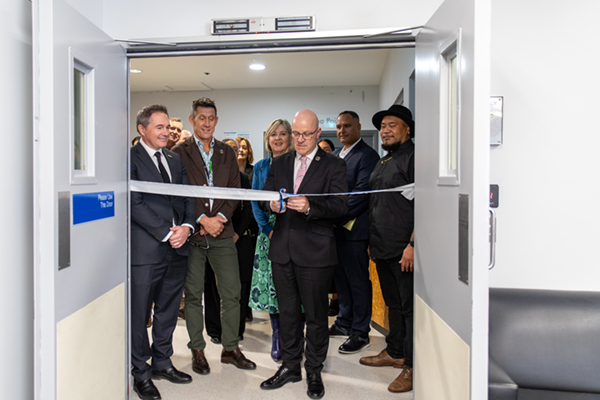 Ten new forensic inpatient beds have been made available at the Regional Forensic Psychiatric Service at Waikato Hospital to expand forensic mental health capacity for adults in prison or on remand in Health New Zealand’s Midland region.
|
| 18 May |
Strong gains in two-year immunisation target for Tamariki MāoriHealth New Zealand is welcoming a significant increase in Māori immunisation rates, with full immunisation at 24 months rising from just over 60 per cent in late 2024 to 71.5 per cent at the end of last month. |
| 15 May |
New global report shows empowering nurses is key to saving lives and strengthening health systemsAs the world marks International Nurses Day, the International Council of Nurses (ICN) is calling for urgent investment in nursing, supported by a major new global report, Our Nurses. Our Future. Empowered Nurses Save Lives, that presents seven key nursing powers. |
| 14 May |
Lakes and Whanganui nurses still waiting for Holiday Pay a decade on
Photo by Fin Ocheduszko-Brown at Whanganui Chronicle Nurses at Lakes and Whanganui districts are calling on Te Whatu Ora to explain why after a decade of redress, they still don’t know when they will receive their full Holiday Act remediation payments, NZNO says. |
| 13 May |
Recognising the extraordinary contribution of nursesInternational Nurses Day is an opportunity to recognise the extraordinary role nurses play in caring for New Zealanders at every stage of life, Health Minister Simeon Brown says. |
| 12 May |
Government’s decision to scrap fees free scheme will lead to further student exodusThe Coalition Government’s decision to scrap the fees free policy for third year tertiary students has left nursing tauira outraged |
| 30 Apr |
BroPilot grounding digital tools in whānau, culture, and care A passion for his Māori culture and a desire to make AI accessible to everyone inspired Troy Baker, Senior ICT Specialist, Health New Zealand to develop BroPilot – a culturally grounded way of working with Microsoft Copilot that reflects Māori values, whakaaro, and real lived experience.
|
| 29 Apr |
Heartbreaking tragedies were avoidable - NZNOAnalysis by a media outlet, published today, finding health care staff shortages were contributing factors in the deaths of 11 babies is a national and avoidable tragedy, NZNO says. |
| 28 Apr |
CTU launches Roving Health and Safety Representatives policy on Workers’ Memorial DayThe New Zealand Council of Trade Unions Te Kauae Kaimahi has today launched our Roving Health and Safety Representatives policy at the Workers’ Memorial Day commemoration in Wellington, with further events held across the motu in Manawatū, Christchurch, and Otago. |
| 24 Apr |
“The 80s Calling”: New national campaign challenges outdated HIV stigmaAssociate Health Minister Matt Doocey today launched Health New Zealand’s “The 80s Calling”; a provocative new campaign designed to reduce stigma, normalise conversations about HIV, and support people living with HIV. |
| 23 Apr |
Government’s attack on Māori health raised at the UNConcerns over the Coalition Government’s active reversal of policies designed to improve Māori health outcomes were raised at the United Nations in New York this morning. |
| 16 Apr |
Tribute to Professor Lester Levy’s service to healthcareHealth New Zealand Chief Executive Dr Dale Bramley is paying tribute to Health NZ Board Chair Professor Lester Levy, who finishes in the role at the end of the month. |
| 10 Apr |
Chronic health care assistant short staffing harming vulnerable patientsTe Whatu Ora’s attempt to cut costs by requiring health care assistants to carry out cohort patient watches is harming vulnerable patients and staff, NZNO says. |
| 9 Apr |
New group education clinics speeding up knee and hip surgery careHealth New Zealand is rolling out a new group education approach for people waiting for hip and knee surgery in north and west Auckland, resulting in more patients being seen sooner. |
| 25 Mar |
National Diabetes Roadmap launched to improve care, prevention, and quality of lifeHealth New Zealand has launched a new National Diabetes Roadmap (‘the Roadmap’) to improve care, strengthen prevention, and support better health outcomes and quality of life for people living with diabetes. |
| 24 Mar |
ACT should leave nursing to professionals and medical evidenceTōpūtanga Tapuhi Kaitiaki o Aotearoa NZNO Kaiwhakahaere Kerri Nuku says ACT MP Todd Stephenson has dismissed the Nursing Council’s draft code of conduct - which proposes strengthening cultural safety, whānau-centred care and te Tiriti o Waitangi obligations - as political ideology. |
| 23 Mar |
UK report reflects ICN warnings on international recruitment ripoff — now countries must act togetherThe International Council of Nurses (ICN) warmly welcomes a new report from the UK All Party Parliamentary Group (APPG) on Global Health and Security that recognizes the huge sums saved by high-income countries who recruit abroad and acknowledges the severe harms caused by unethical recruitment from fragile source countries left without nurses. |
| 20 Mar |
HPV self-test boosts cervical cancer screening ‘across the board’, new study confirmsMaking human papillomavirus (HPV) self-testing available to all women increases the number of people screened for cervical cancer, a new study led by researchers from Te Herenga Waka—Victoria University of Wellington has confirmed. |
| 19 Mar |
ICN at CSW70: Violence against nurses is a gendered crisis threatening global healthThe International Council of Nurses (ICN) has warned that violence against nurses is a global gendered crisis that threatens health systems, patient safety and workforce sustainability |
| 17 Mar |
Additional winter health care workers a drop in the ocean of needThe Government’s announcement today of 378 extra staff to help hospitals cope with winter demand is a drop in the ocean of what patients need, NZNO says. |
| 12 Mar |
Funding change will ensure more consistent emergency care for New ZealandersA simple change in how ambulance medicines are funded is set to create more consistent emergency care. |
| 9 Mar |
Questions over dilapidated and cramped renal unit forced to ration dialysisThe Health Minister must explain why after years of concerns from nurses about Christchurch Hospital’s barely functioning dialysis unit, he only stepped in late yesterday when life-saving treatment had to be rationed, NZNO says. |
| 3 Mar |
Hospitals and health workers should never be targetsThe right of health care workers to provide care during international conflicts must be protected, Tōpūtanga Tapuhi Kaitiaki o Aotearoa NZNO says. |
| 2 Mar |
Public and Mental Health Nurses settle collective agreementHealth New Zealand welcomes the ratification of the two Public Service Association (PSA) Public and Mental Health Nurses collective employment agreements for Auckland and the Rest of New Zealand. |