

About the authors:Jenny Field, MA(Hons), Appld MPhil, Patricia McClunie-Trust, RN, PhD, is a principal lecturer in the Centre for Health and Social Practice, Wintec, Hamilton, New Zealand. Celine Kearney, PhD, MA(Hons), is an academic staff member in the Centre for Languages, Wintec, Hamilton, New Zealand. Jane Jeffcoat, RN, NP, MHSc, is a nurse practitioner at Te Korowai Hauora o Hauraki, Waikato, New Zealand. This article was accepted for publication in November 2020. |
ABSTRACTAim: This article reports on a collaborative project that explored transdisciplinary understandings of the implications of learning English for the health and well-being of people who have come as refugees to Aotearoa New Zealand. Background: It is important to understand learners’ backgrounds and wider social worlds to best offer them opportunities for learning the English language, which is in most cases a significant factor in health literacy and in being able to access health care. Methodology: Secondary analysis was used to analyse the health implications of an emergent data set from a primary research study with learners who were refugees. Sixty adults of refugee backgrounds participated in the primary research. Ages of participants ranged from 18 to 64 years, and the participants were predominantly female. Findings: The key themes developed from the secondary analysis were: complexity of life experience, challenges to living and learning, family responsibilities, challenges to “peace of mind” and mental health, and personal agency. Eliciting narratives about who people are, where they are from, and how migration affects them at all levels of daily life, and therefore their health and well-being, is integral to culturally safe practice with people with refugee backgrounds. Conclusions: The health of new New Zealanders is a social equity issue that nurses and other health and social-care professionals need to be concerned with, especially in creating culturally safe conditions for people with refugee backgrounds to engage well with health services. |
||||
KEYWORDSrefugee, language development, health and wellbeing, nursing |
|||||
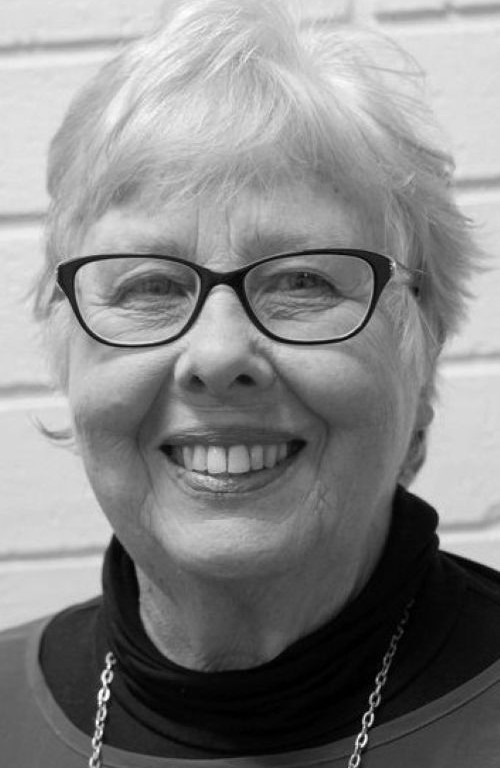 Jenny Field
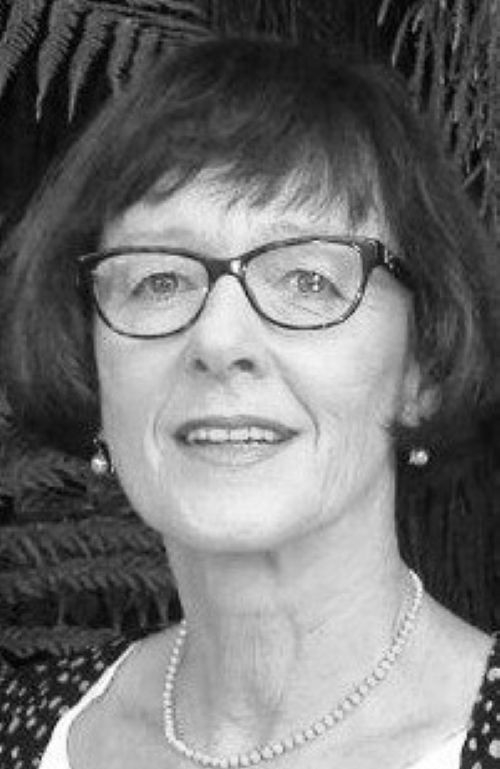 Patricia
 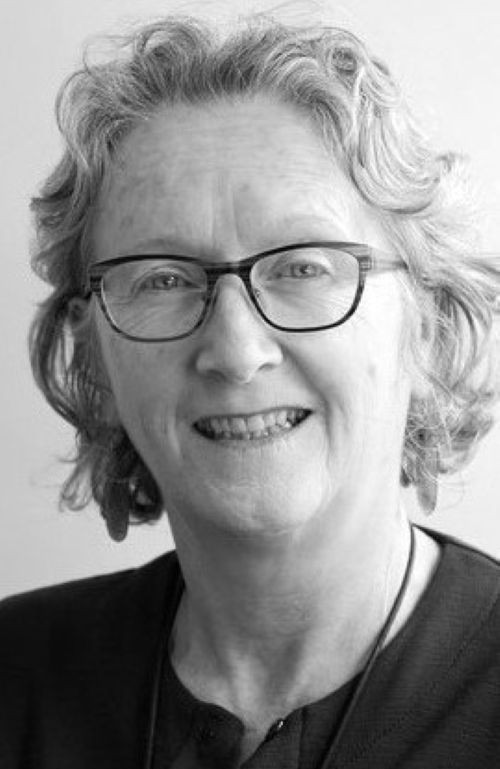 Celine Kearney
 Jane Jeffcoat
INTRODUCTION
THIS ARTICLE ARGUES FOR professions to work together to better meet language development and health needs of people who migrate to Aotearoa New Zealand as refugees. The article grew out of a conversation at a research seminar where the language teacher authors were presenting the findings of language development research with learners who were refugees. The two nurses present recognised the health implications of these findings and we have undertaken a joint transdisciplinary secondary analysis process to translate the findings of the primary study into a health care context for nursing.
The primary research on language development reported here is part of a wider research project focused on the learning and teaching needs of learners with emerging literacy (Field, 2019; Kearney, 2019; Field & Kearney, in press). In many cases, new New Zealanders may already be orally fluent in one or more languages or dialects, but need to develop oral and written English language skills to function in our society, which is dominated by English. Many of these people are learning to write in English without having first been able to write in any other language.
This article backgrounds the current situation in Aotearoa New Zealand for arrival of people with refugee backgrounds. It briefly reviews literature on learning a language and a transdisciplinary frame suggested for this, and relevant nursing and health literature. It introduces the researchers, their intentions for the research, methodology and methods and theories underpinning these. Following that, we highlight the voices of some English language learners from refugee backgrounds, and analyse and reflect on these short narratives and their relevance for primary health care and nursing practice.
BACKGROUND
Aotearoa New Zealand had a yearly quota of 750 refugees for more than 30 years, from 1987 to 2018. The number then increased to 1000 people and in July 2020, the quota was scheduled to increase to 1500 (Immigration New Zealand, 2018). This effectively doubles the number of people each year who will require support from education and health services, and to find a home and employment, or to generate income from their own business (Beaglehole, 2005). The United Nations High Commission for Refugees makes a distinction between a “refugee” and a “migrant”. A refugee is someone forced from their home by conflict or persecution, whereas a migrant voluntarily moves in search of better fortunes (McNamee, 2017).
These new New Zealanders from refugee backgrounds, who are welcomed into the country under the auspices of Te Tiriti o Waitangi as tauiwi, “people from afar” (Walker, 2004), spend an initial six weeks at Auckland University of Technology’s (AUT) Mangere refugee immigration centre in Manukau City. They complete a programme which includes English language and literacy classes, health checks, other skills and an opportunity to reflect on the challenges of moving into a new society (Refugee Education Centre, 2020). Informal reports reveal that the welcoming ceremony, with a formal pōwhiri led by Māori, is a powerful experience for people who have been homeless or in danger in their homelands, moving from country to country, possibly escaping war (Hayward, 2019).
In earlier years, community groups, church groups and individuals took responsibility for helping these people into new homes. As numbers of refugees and migrants have increased, the Government has taken over and now contracts the New Zealand Red Cross and other non-governmental organisations (NGOs) to provide resettlement and employment services for new refugee families and individuals. Eight reception centres have been developed over the decades: Auckland region, Hamilton, Palmerston North, Wellington region, Nelson, Christchurch, Dunedin and Invercargill. The scheduled increase in refugee numbers means that six new settlement centres are being developed: Whanganui, Levin, Masterton, Blenheim, Ashburton and Timaru (Immigration New Zealand, 2018).
English language lessons for people with migrant and refugee backgrounds have been provided by individuals and home tutors for more than 40 years. The national home tutor network for English as a Second Language (ESOL), renamed English Language Partners in the 1990s, is contracted by government to provide community-based classes, as well as home tutors. In 2019, English Language Partners operated 22 centres nationally, had 7199 adult learners and 1705 trained volunteer language teachers (English Language Partners New Zealand, 2019). Language lessons are also offered in government institutions of technology, private educational businesses, and a variety of community-based organisations and communities, such as churches, mosques and temples and a range of NGOs.
LITERATURE REVIEW
Key literature guiding this inquiry includes research on English literacy development in Aotearoa New Zealand and related issues, such as learners’ health challenges; a transdisciplinary framework on learning a second language; and cultural safety in the delivery of health care.
Literacy development and related challenges
Research into the broader needs of people with migrant and refugee backgrounds in New Zealand (White et al. 2002) finds that learning a language requires both individual and community investment. Focusing specifically on adults learning English, research by Benseman (2014) and Shamem et al. (2002) has shown that individual language learning trajectories can often be influenced by their previous experiences. This is particularly so for learners from refugee backgrounds, who may be orally fluent in one or two languages, but able to write in neither. It is a longer process to learn to write in English, without being able to write in a first language (Tarone et al. 2009). English language teachers may need to direct learners to health services, for both physical and mental health. Hope’s (2013) research into the perceived benefits of a community-based ESOL literacy programme for migrant and former refugee women found that 11 of the 15 participants rated learning communication skills for “speaking with the doctor” as a benefit of the programme (p.19).
Elliot (2015) points out that over the last 25 years, people of refugee backgrounds in New Zealand have moved past being passive recipients of welfare assistance and services and being spoken for by others, to having their own strong voice. These include the development in 2009 of the National Refugee Network (NRN), a collective national voice for former refugees. It was composed of representatives from the regional Strengthening Refugee Voices grouping, an initiative of the Immigration Department to strengthen voices at a local level (Elliot & Yusuf, 2014). The Otago Stocktake (Cunningham et al. 2018), which focused on structural determinants of mental health and well-being, highlighted the importance of recognising the resilience and resourcefulness of those who have been displaced and forced to resettle in a new country. They cite Betts et al.’s (2015) emphasis on enabling “bottom-up innovation” in refugee communities and the significant well-being benefits this may provide. Literacy teachers need to be aware of community-based networks which can help learners with their health and other challenges. The stocktake highlighted the importance of language and communication to health and well-being. It cites Shrestha-Ranjit et al. (2017), who identified access to interpreters and culturally-safe services as key to providing effective care and support. Lack of access to professional interpreters has been identified as a barrier to providing health care, particularly mental health care, for people from refugee backgrounds in Aotearoa New Zealand (Cunningham et al., 2018).
A transdisciplinary frame
As language teachers and health professionals, it is important for us to be aware, as the Douglas Fir Group (2016) explains, that when individuals are moving from the micro-level of social activity to the meso (middle) level of wider family, schools, neighbourhoods and larger institutions and organisations, that social, economic, cultural and political conditions are significant influences on them (p. 37). They also say learners’ access to specific types of social experiences, and their ability and willingness to participate, are shaped by these conditions. Organisations at that wider social level would include health-care facilities, including primary health care and mental health services. Educationalist and linguist Bonnie Norton (2000, 2013) says that individuals have multiple aspects to their social identity, which change over time and potentially cause stress in the process of that change. Social identities are aspects of a person that reflect their different relationships to the world (Douglas Fir Group). Learning English is influenced by individuals’ senses of identity and agency, and the power dynamics they must negotiate at multiple levels (Norton, 2000, 2013).
Research illustrates the complexity of the social identities and experiences of refugee learners. Isshi (2017) followed one adult male former refugee for 18 months. His findings suggested that migrants’ everyday interactions with others shape their perceptions of who they are and their understandings of the community in which they live. Thiruselvam (2019) applies a post-colonial feminist analysis to the New Zealand context after the mosque killings in Christchurch in March 2019. She highlights many challenges that people of refugee and migrant backgrounds face, which she believes are a consequence of New Zealand’s colonial settler history. In the face of the violence that she experienced, and her experience of being “othered”, she concludes that “finding a community of people with a shared view and experience of the world is an act of resistance. The care and validation we give and receive within our communities are often so healing” (p.69). Equally critical is Chile (2002) on the experience of racism and marginalisation experienced by black African communities in this country. These insights about the complexity of experience signpost that it is important to find out about people’s backgrounds and wider social worlds. This helps us offer them better opportunities to improve their English and to access health services.
Cultural safety
Cultural safety guidelines were first written by Irihapeti Ramsden in 1991, informed by Māori experiences of health services, and adopted by the New Zealand Nursing Council in 1992. Cultural safety is defined as: “The effective nursing practice of a person or family from another culture and is determined by that person or family. Culture includes, but is not restricted to, age or generation; gender; sexual orientation; occupation and socioeconomic status; ethnic origin or migrant experience; religious or spiritual belief; and disability’’ (Nursing Council of New Zealand, 2012). Ramsden highlighted the importance of nurses’ behaviour and attitudes towards patients, and their ability, or otherwise, to create trust (Manchester, 2002, p.21). De Souza (2015) has a chapter on culturally safe care for ethnically and religiously diverse communities, in an edited collection of professional perspectives on cultural safety in Aotearoa New Zealand. This acknowledges the need for New Zealand nurses to be able to respond appropriately to the growing and varied communities of people with migrant or refugee backgrounds in Aotearoa.
Clendon and Munns (2018) highlight the importance of cultural safety in the delivery of primary health care. They recommend viewing culture through a critical lens, suggesting “understanding individuals comes from exploring their history, behaviour and particular view of the world as it is embedded in their culture, but distinctive in their patterns of attitude and behaviour” (p. 248). We believe willingness to understand and respect cultural differences is as important in teaching literacy as it is in delivering primary health care. As teachers, we need to be aware of learners’ backgrounds and take this into account where possible in the classroom. As health professionals, we also need to understand the consequences of the life experiences of former refugees who are using health services.
METHODOLOGY
The primary research
Participants in the primary study (2017-2019) were 60 adults of refugee backgrounds from Somalia, Cambodia, Colombia, Pakistan, Democratic Republic of Congo and Afghanistan. Ages ranged from 18 to 64 years old, and participants were predominantly female. They were invited to participate in the research because they had been attending ESOL literacy classes provided through English Language Partners, or at a government-funded tertiary institute in one provincial city.
The secondary research
Secondary research involves analysing data that were originally collected for another purpose. The supplementary analysis approach to secondary research involves a deeper analysis of aspects of the data that were not fully explored in the original study (Heaton, 2008; Johnston, 2014). Finding a good fit between the primary research dataset and a new research question for the secondary analysis is key to using that existing data well. The specific area of interest for the secondary analysis was identified because data from the research interviews indicated potential influences on health and well-being, and factors affecting access to health care. Our secondary analysis focused on the research question: What are the health impacts of migration as a former refugee?
An inductive approach to thematic analysis (Flick, 2018; Patton, 2015) provided the methodological framework. We read and re-read the transcribed responses to the interview questions, initially colour-coding to identify categories. In this article, we highlight constraints to accessing health services, which fell into broad areas: health, family and learning challenges. We chose narratives from the primary research interviews that clearly articulated health challenges in the participants’ accounts of their experiences. In the secondary analysis, we found that the participants whose data we had selected for analysis shared the same country of origin. As Table 1 (below) shows, they were predominantly women, which was to be expected as the 60 learners interviewed for the primary research were predominantly female.
Table 1: Background information for participants who made contributions about their experiences (2017-2019)
| Pseudonym | Age | Gender | Country of origin | Languages spoken on arrival | Years of prior education | Years living in NZ | Other features of interest |
|---|---|---|---|---|---|---|---|
| Shantika | 48 | F | Afghanistan |
Dari Urdu |
0 | 2 | Lived in Pakistan for 5 years. Learned Urdu. |
| Sabina | 38 | F | Afghanistan | Dari | 0 | 6 months | |
| Haleema | 57 | F | Afghanistan | Dari | 4 | 3 | Lived in Pakistan for some years. |
| Soraya | 30 | F | Afghanistan | Pashto | 0 | 2 | |
| Hindra | 57 | F | Afghanistan | Dari | 0 | 2 | |
| Ahmed | 45 | M | Afghanistan | Dari | 8 | 2 | Learned to read and write in Dari at the Madrasa. Leg injuries from the conflict. |
| Rani | 31 | F | Afghanistan | Dari | 0 | 2 | Lived in Pakistan for 9 years. |
| Bira | 42 | F | Afghanistan | Dari | 0 | 3 | |
| Fatima | 53 | F | Afghanistan | Dari | 6 months | 3 |
ETHICS
Ethical approval to conduct the primary research was obtained from the Wintec Human Ethics Research Committee. In collecting data for the research, particular attention was given to the potential vulnerability of the participants, including challenges with language in the process of seeking consent. A translator explained the research to the class, the language of the consent form was simplified, and written consent was obtained from each participant before commencing data collection. Pseudonyms were used for the participants’ names.
FINDINGS
The key themes developed from the secondary analysis were: complexity of life experience, challenges to living and learning, family responsibilities, challenges to “peace of mind” and mental health, and personal agency.
Complexity of life experience
We offer two short narratives first, to illustrate the complexity of life experience of two women (women were the predominant participants in this inquiry):
“I left school early as I needed to look after my three siblings and my father. My mother died when I was eight. After the children grew up, I married at 30. No school for me. Then my husband passed away and I needed to work. I had children then so needed to work to provide for them. I was in Pakistan for five years and then came to New Zealand. I can read the Quran in Dari. I used to read it with my neighbour in Afghanistan.” (Shantika)
“I have lived in New Zealand for 10 months. I have six children. They are all living here. 20, 16, 14, 12 and six and three. I didn’t go to school. There was no school available. I can read Dari but can’t write. I think it will take about four years to do everything by myself such as taking children to the doctors and solving my problems.” (Sabina)
These narratives illustrate that, for these two women, their caring roles within their family, and later for their own children, have largely shaped their lives. Neither narratives reveals any formal schooling, though both can read some Dari. Consequently, embarking now on formal classes in English, they have the added challenge of learning to write in another language, without having learned that skill in their earlier language/s. New Zealand research (Benseman 2014; Shamem et al., 2002) shows that learners like these women take longer to learn English, as their progress is often interrupted by responsibilities for children and family.
The process for adult preliterate learners in learning to read and write is very different from the process for children in a print-literate culture. Adult language learners with no experience of print literacy have to learn to understand that marks on a page can become letters and words, and that written words can represent a story or a message, just as spoken words and pictures can.
Other conventions associated with written English – such as written texts having a beginning, middle and end; and that English is read from left to right and from top to bottom of the page – all need to be acquired (Burt et al., 2008). Phonemic awareness – the connection between letters and sounds – is also a pre-reading skill. These concepts take time to learn and progress can be incremental, but in time these literacy concepts will be built. The implication for this in the health sector is that during the first years of resettlement, people may need to bring family members to fill in health forms, or need an interpreter. Participant responses revealed that 45 percent of the 60 participants in the primary study experienced physical or mental health challenges that had an impact on their learning. The four following themes emerged from participants’ responses relating to health.
Challenges to living and learning
Managing health challenges had an impact on how participants were able to learn, to support their future. Similarly, other family members’ health influenced whether or not participants were able to attend English language class.
“If I am well, I am learning well. Sometimes I am not well. I was in a lot of pain. I had an x-ray for my stomach and my back.” (Haleema)
“I come every day, but I have two children and if they are sick I can’t come. The other time I get stressed is if I phone my parents and if they are not doing well, then I get stressed.” (Soraya)
Given the experiences described in these two responses, and many others, language teachers need to allow for irregular attendance by some learners because they are ill, or because family members are sick. This can mean their learning progress is continually interrupted, making development of skills slower. Slower progress has implications for how people with refugee backgrounds are able to interact with people in social institutions. It is important that challenges to living and learning for people with refugee backgrounds are recognised and understood by the representatives of social institutions who interact with them. Living with the consequences of trauma and illness experienced before, or in the process of migration, may have an impact on how they are able to take up opportunities offered to them in their host country. They may also struggle to develop the language and educational skills they need to navigate their new life.
Family responsibilities
Being responsible for family members, having health problems, and depending on children for help to meet activities of daily living, all affect a migrant or refugee’s ability to interact with social institutions, including health services. Learning English is key to finding work.
“I rely on my sons for everything. I want to be independent. If my sons are not there, I can’t go out, like go to the doctor.” (Hindra)
“I am aware how the building procedure goes. My problem is my health. If my health improves, I might look at building or business and of course when my English is better. Stopping learning. I live with my elderly mum and I get worried when she gets sick. My mum is very old. She recently had an eye operation. She is 83.” (Ahmed)
“My difficulty is I can’t talk so whenever I go somewhere, I have to take my daughters with me. So I have to wait for a chance to do this as I have a health problem.” (Rani)
These three narratives, related to health and well-being, illustrate how responsibility for and dependence on family members can constrain opportunities in life. The two women rely on their children to accompany them to a doctor or health-care appointment because their language skills are not sufficient to understand or communicate. These participants are engaged in family roles as mothers and caregivers with little potential time or other resources for self-care. The male participant also notes his family responsibilities and concerns about his ageing mother. What seems significant for these participants is that migration has distanced them from the family and other social support that may have been available to them in their home country.
Challenges to ‘peace of mind’ and mental health
Participants associated challenges to “peace of mind” and mental health with complex and threatening experiences involving the loss of family members and the stress of living in a country at war. This stress was complicated when family members had been left behind.
“My mind is not settled. My mind is in …. (home country). I think about my children and how they doing. During the whole of my life I have been in war. I am thinking about my daughters. When they go out the door I don’t know if they will come back. My family who have been killed. My sister and my brother are lost. We don’t know where he is. Until today I am still waiting.” (Bira)
“At school we learn something but when we go home we forget. We are thinking of our families back home when we go home and so our memory is affected.” (Fatima)
These narratives show that participants’ minds are occupied with deep and lasting concerns, focused on the loved ones they have lost, and the worry and grief associated with that loss, while at the same time endeavouring to find a place in their host country. As language teachers, we need to try to understand learners’ backgrounds. And we need to adapt our teaching style to create a safe, accepting environment in class, where each learner can feel respected and accepted, with supportive cooperative engagement between teacher and learners. Understanding the unique circumstances that have brought former refugees to New Zealand and the mental health impact of those experiences is also critical for health professionals.
Personal agency
We have chosen this short narrative because it clearly illustrates the power of human agency, as Norton (2013) describes it. This participant has decided that attending class is the way forward to create change in her circumstances, so she attends, despite her health challenges:
“I am sick, but I still come because if I sit at home nothing will change.” (Soraya)
This narrative shows how the participant is courageous in her daily life and understands that even while experiencing challenges to her health, she has power to influence her circumstances through her own actions.
DISCUSSION
People who migrate to New Zealand as refugees are likely to experience profound challenges to their social identity (Norton, 2000, 2013). As migrants, refugees are likely to have less power in relationships with people and institutions in their host country, and as Thiruselyam (2019) and Chile (2002) clearly illustrate, particularly when accessing health care. It is important that nurses are aware of refugee populations and the challenges they face in becoming new New Zealanders. Primary health care workers need to find out from former refugees information about their background, where they are from, and how their experiences have affected them, including effects on their health and well-being. This is a skill that health professionals need to deploy with sensitivity, so the individual can feel safe and trust the health-care worker. As we explain later in the discussion, this understanding of who people are is particularly important for culturally safe practice with people of migrant or refugee backgrounds. This is important, because migration results in a far-reaching reordering of migrants’ daily lives at all levels of social activity (Douglas Fir Group, 2016), which has significant health consequences. These health consequences may be amplified for people who have experienced significant trauma while leaving their home countries. While migrants have chosen to relocate, refugees may have had little choice in leaving their home country (McNamee, 2017).
The impact of experiences before migration is a potential negative influence on health (Castaneda et al., 2015). One participant in this study noted, “my mind is not settled”, indicating the impact of past trauma and worry about family left behind in their country of origin. Many people with refugee backgrounds have experienced traumatic events that have an ongoing impact on their mental health. They may also have physical health conditions that require long-term support from health-care services. Participants in this study shared how the negative health effects of prior events and experiences are ongoing, even after they have settled in a country where previously experienced threats no longer exist. The effect of past trauma on people with refugee backgrounds should not be under-estimated (George, 2010). Research in Canada (Pottie et al., 2011) found that all migrants, even those who were healthy on arrival, had a subsequent decline in health. This finding was attributed to differing health needs of migrants, owing to exposure to disease, migration experiences, genetic predispositions and living conditions in the host country.
Social isolation or exclusion in the process of becoming settled in their host country have negative impacts on the health of people with refugee backgrounds. Separation from family, and the loss of familar social norms and cultural practices, may affect their mental health, causing anxiety and depression. Davies et al. (2009) acknowledge that migrants’ ongoing health may be determined by their ability to be included in communities and access appropriate and acceptable health services in their host country. The demands of daily living, family responsibilites and communication barriers can impede migrants’ ability to feel at home in a community and to seek help to manage their health and living requirements. Davies et al. also note that cultural differences in understanding of mental health may also affect health-seeking behaviour. Where family are present or have migrated together, the support that family provide may ease migrants’ worries. However, for people with refugee backgrounds, migrating with family members is not always possible.
Anderson (2008) suggests that migrants use multiple strategies to navigate the New Zealand health-care system, but this ability is influenced by their knowledge and experience of health services before migrating. For people with refugee backgrounds, barriers to engagement with health services may be related to language problems, health literacy and a lack of understanding about how the New Zealand health system works and what they are entitled to. Social networks provide essential support when migrants do not know where to go for help when they get sick, or how to engage with health services. The level of comfort people with refugee backgrounds have with specific health services may be informed by their experiences of health services in their own country. This may also be true for how they evaluate which health services they prefer to attend.
Health literacy – the ability to access, understand or apply health information – is a key factor in the health of people with refugee backgrounds (Davies et al., 2009; Wångdahl et al., 2014). Some participants in this study were illiterate in their own language, having had limited opportunities for schooling in their home countries. They were learning to read for the first time in English, a process that may take them a number of years to achieve some proficiency. People with refugee backgrounds who have lower levels of education, or less cultural knowledge of the host country, may be less likely to seek health care and engage in healthy behaviour (Dowling et al., 2019). They highlight the importance of supporting the education needs and health literacy of migrants to help prevent their health declining.
Nurses need to engage with people who have refugee backgrounds in culturally safe ways to support them in managing their health and well-being (de Souza, 2015; Nursing Council of New Zealand, 2012). The health inequalities that exist between migrants and other populations in New Zealand are partly attributable to lower use of the health service. However, providing culturally safe care for people with refugee backgrounds can be complex. It is challenging for health professionals to overcome language barriers and to fully understand the experiences migrants bring to health-care encounters. The availability of high quality translation is essential for working with migrants who are not yet fluent in English (Suphanchaimat et al., 2015). While some people with refugee backgrounds rely on family members to interpret for them, positioning family members in this way carries its own challenges in terms of confidentiality and the power dynamics in family relationships. The use of male interpreters for women seeking health care may constrain the ability of these women to communicate with health-care providers, particularly concerning women’s health issues. The same concerns may arise for male migrants with female interpreters. Gaining the trust of people with refugee backgrounds, and developing personalised relationships with them, is essential for nurses to provide them with the best care (Ministry of Health, 2012).
CONCLUSIONS
This transdisciplinary inquiry has been transformational for the researchers, because it has taken us beyond the scope of our own disciplines. The narratives have allowed us insight into aspects of the participants’ lives. People with migrant backgrounds, especially people who come to New Zealand as refugees, are exposed to unique factors affecting their physical and mental health, and consequently their ability to learn a new language. The health of these new New Zealanders is a social equity issue that nurses need to be concerned with. They need to create culturally safe conditions so migrant populations can engage effectively with health services. An understanding of the specific challenges relating to migration and the unique experiences of new New Zealanders would enhance these encounters.
RECOMMENDATIONS
Promoting community-level engagement with primary-care services may help to reduce inequalities for refugee populations. As advocates for people with refugee backgrounds, nurses need to influence policy makers to recognise the individual, social, cultural and historical factors that affect the health of migrants. Following the Otago Stocktake (Cunningham et al., 2017), this will require an acknowledgement of the multi-lingual environment in New Zealand and explicit policy to ensure that important signs are regularly reproduced in several languages, including te reo Māori.
Health services should engage with people with refugee backgrounds in culturally safe and responsive ways, showing understanding of their unique experiences. This requires a diverse health workforce, both at policy development level and at on-the-ground service level.
Nurses should also recognise the importance of social networks in overcoming the unique constraints migrants encounter in using health services. These constraints include communication barriers, challenges in attending appointments, and different cultural and social interpretations of health and illness. Nurses, and other health professionals, also require contemporary evidence-based clinical guidelines to inform how they work with migrants and refugees.
LIMITATIONS
This study involved a relatively small sample of people who came to New Zealand as refugees, so the findings of this research may not be generalisable to other migrant populations either here or overseas.
However, the stories told by the participants are likely to be echoed in the lives of refugees who are yet to settle in Aotearoa New Zealand. Data for this study were originally gathered to understand more about how learners with refugee backgrounds experience learning English, rather than having a specific focus on health. This secondary analysis of an existing data set could be considered a limitation in the methodology. The importance of language skills, both written and spoken, is a key factor which links both disciplines. This, in our opinion, reduces the limitation. However, this analysis provides a stepping-off point – a potential focus for further research on the relationships between people with refugee or migrant backgrounds and the health services and health professionals they engage with. Further research may point the way to a greater level of equity in our primary health care services.
REFERENCES
Anderson, A. (2008). Understanding migrants’ primary healthcare utilisation in New Zealand through an ethnographic approach. Diversity in Health and Social Care, 5, 291–301.
Beaglehole, A. (2005). Story: Refugees. Te Ara – the encyclopaedia of New Zealand.
Benseman, J. (2014). Adult Refugee Learners with Limited Literacy: Needs and Effective Responses. Refuge, 30(1), 93-103.
Betts, A., Bloom, L., & Weaver, N. (2015). Refugee innovation: Humanitarian innovation that starts with communities [report]. Refugee Studies Centre.
Burt, M., Peyton, J. K., & Schaetzel, K. (2008). Working with adult English language learners with limited literacy: Research, practice, and professional development. Center for Applied Linguistics.
Castañeda, H., Holmes, S. M., Madrigal, D. S., Young, M. E. D., Beyeler, N., & Quesada, J. (2015). Immigration as a social determinant of health. Annual Review of Public Health, 36, 375-392.
Chile, L. M. (2002). The imported underclass: Poverty and social exclusion of black African refugees in Aotearoa New Zealand. Asia Pacific Viewpoint, 43(3), 355–366.
Clendon, J., & Munns, A. (2018). Community Health and Wellness: Principles of primary health care. Elsevier Health Sciences.
Cunningham, R., Kvalsvig, A., Peterson, D., Kuehl, S., Gibb, S., McKenzie, S., & Every-Palmer, S. (2018). Stocktake report for the mental health and addiction inquiry. University of Otago.
Davies, A. A., Basten, A., & Frattini, C. (2009). Migration: a social determinant of the health of migrants. Eurohealth, 16(1), 10-12.
De Souza, R. (2015). Culturally safe care for ethnically and religiously diverse communities. In D. Wepa (Ed.), Cultural Safety in Aotearoa (2nd ed., pp. 189-201). Cambridge University Press.
Douglas Fir Group. (2016). A Transdisciplinary Framework for SLA in a Multilingual World. The Modern Language Journal, 16, 19-47.
Dowling, A., Enticott, J., Kunin, M., & Russell, G. (2019). The association of migration experiences on the self-rated health status among adult humanitarian refugees to Australia: an analysis of a longitudinal cohort study. International Journal for Equity in Health, 18, 130.
Elliot, S. (2015). Toward equal participation: An autoethnography of facilitating consultation in the refugee sector. Aotearoa New Zealand Social Work, 27(3), 57-67.
Elliot, S., & Yusuf, I. (2014). ‘Yes we can; but together’: Social capital and refugee resettlement. Kôtuitui: New Zealand Journal of Social Sciences Online, 9(2), 101–110,
English Language Partners New Zealand. (2019). Want to learn English?
Field, J. (2019, August). Whenever I go somewhere, I have to take my daughters with me: An enquiry into the progress and strategies used for L2 literacy acquisition by former refugee adults in New Zealand. Paper presented at the Literacy Education and Second Language Learning for Adults Conference (LESLLA), USA.
Field, J., & Kearney, C. (In press). Partnership in resettlement and adult education: Former refugees and host communities. Chapter to be published in Chapter Refugee Education across the Lifespan: Mapping Experiences of Language Learning and Use.
Flick, U. (2018). An Introduction to Qualitative Research. Sage Publications Ltd.
George, M. (2010). A Theoretical Understanding of Refugee Trauma. Clinical Social Work Journal 38, 379-387.
Haywood, M. (2019, August). The pôwhiri as an authentic welcome to newcomers. Presentation at Manaakitanga: Welcoming refugee background learners. Refugee Education Centre, Auckland University of Technology.
Heaton, J. (2008). Secondary analysis of qualitative data: An overview. Historical Social Research/Historische Sozialforschung, 33(3), 33-45.
Hope, C. (2013). “A thousand steps, a long time, a lot of words”: The perceived and observed benefits of a community based ESOL literacy programme for migrant and former refugee women. Centre for Languages, Waikato Institute of Technology, New Zealand. Research Monograph ISBN: 978-1-877510-07-6
Immigration New Zealand. (2018). Immigration Factsheets: Refugees and Asylum Seekers.
Isshi, D. (2017). Agency from an adult refugee’s perspective. New Zealand Studies in Applied Linguistics, 23(2), 5-24.
Johnston, M. P. (2014). Secondary Data Analysis: A Method of Which the Time has Come. Qualitative and Quantitative Methods in Libraries, 3(3), 619-626.
Kearney, C. (2019, November). Aotearoa 2020: Accommodating limited literacy background learners. Applied Linguistics Association of Australia/Applied Linguistics Association of New Zealand Conference, Curtin University, Perth, Australia.
McNamee, G. (2017). Of Sanctuary, Refuge, Migrants and Refugees. Virginia Quarterly Review, 93(2), 192-192.
Manchester, A. (2002). Challenging and changing the culture of nursing. Kai Tiaki Nursing New Zealand, 8(1),20-21.
Ministry of Health. (2012). Refugee Health Care: A handbook for health professionals.
Norton, B. (2013). Identity and language learning: Extending the conversation. Multilingual Matters.
Norton, B. (2000). Identity and language learning: Gender, ethnicity and educational change. Pearson Education Ltd.
Nursing Council of New Zealand, Te Kaunihera Tapui o Aotearoa. (2012). Tikanga Whanonga: Code of conduct for nurses.
Patton, M. (2015). Qualitative research and evaluative methods: Integrating theory and practice (4th ed.). Sage Publications Inc.
Pottie, K., Greenaway, C., Feightner, J., Welch, V., Swinkels, H., Rashid, M., Narasiah, L., Kirmayer, L., Ueffing, E., MacDonald, N., Hassan, G., McNally, M., Khan, K., Buhrmann, R., Dunn, S., Dominic, A., McCarthy, A., Gagnon, A., … & coauthors of the Canadian Collaboration for Immigrant and Refugee Health. (2011). Evidence-based clinical guidelines for immigrants and refugees. Cmaj, 183(12), E824-E925.
AUT Refugee Education Centre. (2020). A welcoming world-classlearning environment for refugees.
Shamem, N., McDermot, K., Martin Blaker J., & Carryer, J. (2002). Through Language to Literacy: A Report on the Literacy Gains of Low Level and Pre-literate Adult ESOL learners in Literacy Classes. Auckland, New Zealand: Unitec, AUT, ESOL Home Tutor Service.
Shrestha-Ranjit, J., Patterson, E., Manias, E., Payne, D., & Koziol-McLain, J. (2017). Effectiveness of primary health care services in addressing mental health needs of minority refugee population in New Zealand. Issues in Mental Health Nursing, 38(4), 290-300.
Suphanchaimat, R., Kantamaturapoj, K., Putthasri, W., & Prakongsai, P. (2015). Challenges in the provision of healthcare services for migrants: a systematic review through providers’ lens. BMC Health Services Research, 15(1), 390.
Tarone, E., Bigelow, M., & Hansen, K. (2009). Literacy and second language oracy. Oxford University Press.
Thiruselvam, N. (2019). Care ethics and narratives of the ‘grateful refugee’ and ‘model minority’: A postcolonial feminist observation of New Zealand in the wake of the Christchurch terror attacks. Women’s Studies Journal, 33(1) 62-70.
Walker, R. (2004). Ka whawhai tonu matou: Struggle without End. Penguin Books Ltd.
Wångdahl, J., Lytsy, P., Mårtensson, L., & Westerling, R. (2014). Health literacy among refugees in Sweden – a cross-sectional study. BMC Public Health, 14(1), 1030.
White, C., Watts, N., & Trlin, A. (2002). New Zealand as an English-language learning environment: Immigrant experiences, provider perspectives and social policy implications. Social Policy Journal of New Zealand, 18, 148-162.
Daily doses – uncut news
| 24 Aug |
Fed-up North Shore ED staff declare state of emergencyNZNO members working in the emergency department (ED) at North Shore Hospital have declared a state of emergency due to unsafe staffing levels resulting in ongoing overcrowding. |
| 19 Aug |
What happened to the winter health plan?The $25 million 2026 Winter Plan launched by Health Minister Simeon Brown in March to erase pressure on the health system has been an unmitigated disaster, Tōpūtanga Tapuhi Kaitiaki o Aotearoa NZNO says. |
| 11 Aug |
Applications open for advanced nursing education programmesHealth New Zealand is encouraging registered nurses to apply for two advanced education programmes that support nurses to further develop their clinical skills and expand access to care in communities across New Zealand. |
| 3 Aug |
Health New Zealand welcomes settlement of NZRDA collective agreementHealth New Zealand welcomes the vote by New Zealand Resident Doctors Association (NZRDA) members to settle their collective agreement. |
| 30 Jul |
Backing our frontline rural health workforceRural communities across New Zealand will benefit from three new investments that will support the rural health workforce and help more people access care closer to home, Associate Health Minister Matt Doocey says. |
| 22 Jul |
Te Whatu Ora must disclose staffing levels at time of tragic deathTe Whatu Ora must disclose whether the Waikato emergency department (ED) was short-staffed at the time a man tragically died in the waiting room, NZNO says. |
| 6 Jul |
Reflecting on IND 2026Looking back on last month’s International Nurses Day 12 May 2026 (IND 2026), the impact of this year's theme "Our Nurses. Our Future. Empowered Nurses Save Lives" continues to resonate across the world. ICN’s landmark IND 2026 report defined seven key powers of nursing and this message has been strengthened with nurses in every region celebrating, naming, and owning their powers throughout May. |
| 3 Jul |
Health New Zealand acknowledges Ombudsman statement on Wakari Ward 10AHealth NZ welcomes the independent investigation by the Ministry of Health into Ward 10A. On Wednesday the Health NZ board agreed to close Wakari Ward 10a as a forensic intellectual disability (ID) unit, with the future use of the ward yet to be determined. |
| 2 Jul |
New programme to fast track bowel cancer care and cut colonoscopy waitlistsHealth New Zealand is today launching a national initiative, designed to fast track bowel cancer care and reduce colonoscopy waitlists by up to 30 per cent. |
| 1 Jul |
Six new Co-Response Team locations announced to strengthen support for people in mental distressThe next six locations for Health New Zealand and NZ Police Co-Response Teams have been confirmed, expanding a model that helps people experiencing mental distress receive timely, wraparound support that better meets their health needs. |
| 29 Jun |
Mental health and addiction targets progress continuesHealth New Zealand continues to make important progress against its mental health and addiction targets, meeting four out of five national targets this quarter. |
| 25 Jun |
Access to care continuing to improve across a range of health indicatorsNew health data released today shows continued improvement in access to care across a range of health indicators. |
| 18 Jun |
Funding "boost" continues dangerous under-funding of aged careThe Health Minister’s funding "boost" for aged residential care continues underfunding to the sector and will continue unsafe practices and short staffing, which is putting vulnerable residents at risk, NZNO says. |
| 16 Jun |
Labour to make maternity scans freeLabour will add free maternity scans to the Medicard alongside three free doctor’s visits a year, so every pregnant woman gets the care she needs. |
| 29 May |
WellSouth Statement on Budget 2026: a missed opportunityBudget 2026 is a missed opportunity for primary care, and for the communities that depend on it most, in particular our rural people and practices. |
| 29 May |
Updated - Nurses on front lines of Ebola outbreak at serious riskIn response to the gravely concerning and escalating Ebola outbreak in the Democratic Republic of the Congo (DRC) and Uganda, the International Council of Nurses (ICN) warns that nurses and other frontline health workers are being put at serious risk and left fearful for their safety. |
| 27 May |
Health NZ committed to safeguarding patient informationHealth New Zealand welcomes the reports released today into the Manage My Health (MMH) cyber incident and is committed to ensuring all possible steps are taken to safeguard patient information. |
| 22 May |
More New Zealanders could benefit from funded vaccines from 2027Pharmac is proposing changes that would give more New Zealanders access to funded vaccines from 2027, including expanded access to the flu vaccine for young children. |
| 21 May |
It’s not just the wallet: How the gender pay gap can hurt women’s bodiesWhile many aspects of New Zealand’s enduring gender pay gap have been discussed, its physical impact on workers has been largely overlooked – until now. |
| 21 May |
Bupa nurses take pay equity claim over historic wage discriminationNZNO nurses working at Bupa aged residential care homes throughout Aotearoa New Zealand have raised a pay equity claim to address historic gender-based wage discrimination. |
| 20 May |
Waikato Hospital adds 10 forensic mental health beds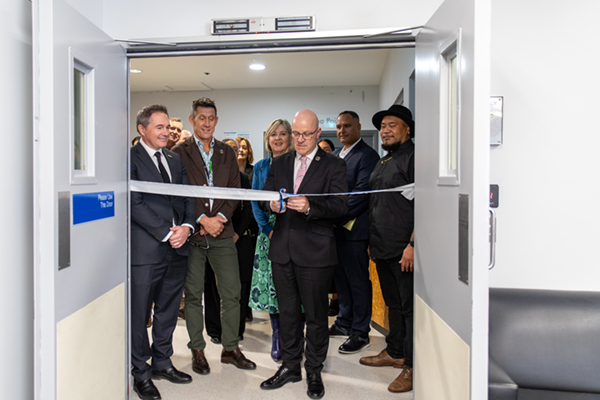 Ten new forensic inpatient beds have been made available at the Regional Forensic Psychiatric Service at Waikato Hospital to expand forensic mental health capacity for adults in prison or on remand in Health New Zealand’s Midland region.
|
| 18 May |
Strong gains in two-year immunisation target for Tamariki MāoriHealth New Zealand is welcoming a significant increase in Māori immunisation rates, with full immunisation at 24 months rising from just over 60 per cent in late 2024 to 71.5 per cent at the end of last month. |
| 15 May |
New global report shows empowering nurses is key to saving lives and strengthening health systemsAs the world marks International Nurses Day, the International Council of Nurses (ICN) is calling for urgent investment in nursing, supported by a major new global report, Our Nurses. Our Future. Empowered Nurses Save Lives, that presents seven key nursing powers. |
| 14 May |
Lakes and Whanganui nurses still waiting for Holiday Pay a decade on
Photo by Fin Ocheduszko-Brown at Whanganui Chronicle Nurses at Lakes and Whanganui districts are calling on Te Whatu Ora to explain why after a decade of redress, they still don’t know when they will receive their full Holiday Act remediation payments, NZNO says. |
| 13 May |
Recognising the extraordinary contribution of nursesInternational Nurses Day is an opportunity to recognise the extraordinary role nurses play in caring for New Zealanders at every stage of life, Health Minister Simeon Brown says. |
| 12 May |
Government’s decision to scrap fees free scheme will lead to further student exodusThe Coalition Government’s decision to scrap the fees free policy for third year tertiary students has left nursing tauira outraged |
| 30 Apr |
BroPilot grounding digital tools in whānau, culture, and care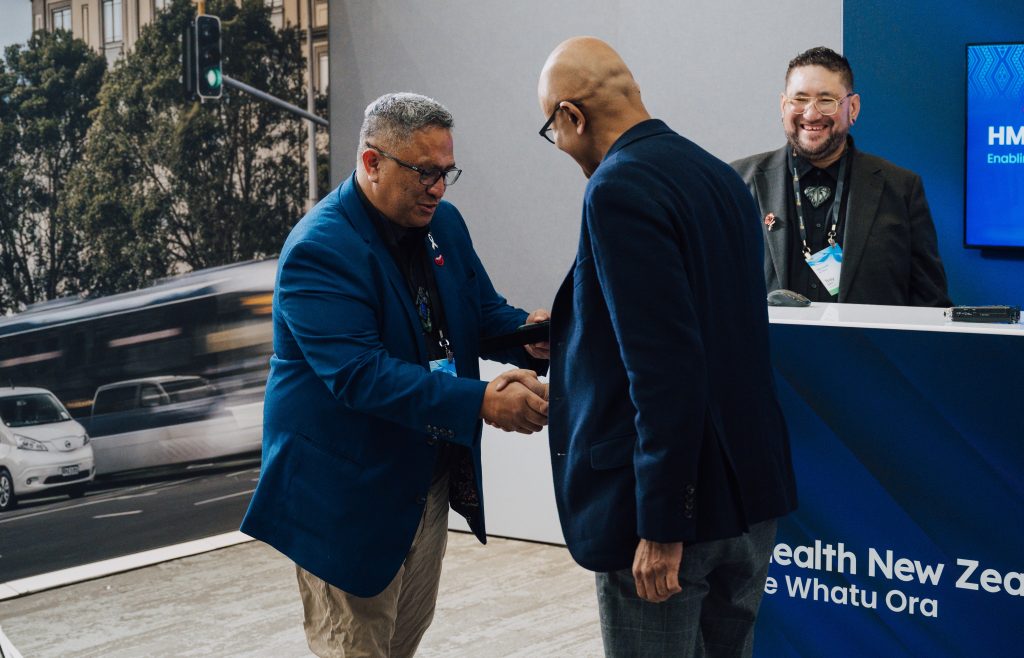 A passion for his Māori culture and a desire to make AI accessible to everyone inspired Troy Baker, Senior ICT Specialist, Health New Zealand to develop BroPilot – a culturally grounded way of working with Microsoft Copilot that reflects Māori values, whakaaro, and real lived experience.
|
| 29 Apr |
Heartbreaking tragedies were avoidable - NZNOAnalysis by a media outlet, published today, finding health care staff shortages were contributing factors in the deaths of 11 babies is a national and avoidable tragedy, NZNO says. |
| 28 Apr |
CTU launches Roving Health and Safety Representatives policy on Workers’ Memorial DayThe New Zealand Council of Trade Unions Te Kauae Kaimahi has today launched our Roving Health and Safety Representatives policy at the Workers’ Memorial Day commemoration in Wellington, with further events held across the motu in Manawatū, Christchurch, and Otago. |
| 24 Apr |
“The 80s Calling”: New national campaign challenges outdated HIV stigmaAssociate Health Minister Matt Doocey today launched Health New Zealand’s “The 80s Calling”; a provocative new campaign designed to reduce stigma, normalise conversations about HIV, and support people living with HIV. |
| 23 Apr |
Government’s attack on Māori health raised at the UNConcerns over the Coalition Government’s active reversal of policies designed to improve Māori health outcomes were raised at the United Nations in New York this morning. |
| 16 Apr |
Tribute to Professor Lester Levy’s service to healthcareHealth New Zealand Chief Executive Dr Dale Bramley is paying tribute to Health NZ Board Chair Professor Lester Levy, who finishes in the role at the end of the month. |
| 10 Apr |
Chronic health care assistant short staffing harming vulnerable patientsTe Whatu Ora’s attempt to cut costs by requiring health care assistants to carry out cohort patient watches is harming vulnerable patients and staff, NZNO says. |
| 9 Apr |
New group education clinics speeding up knee and hip surgery careHealth New Zealand is rolling out a new group education approach for people waiting for hip and knee surgery in north and west Auckland, resulting in more patients being seen sooner. |
| 25 Mar |
National Diabetes Roadmap launched to improve care, prevention, and quality of lifeHealth New Zealand has launched a new National Diabetes Roadmap (‘the Roadmap’) to improve care, strengthen prevention, and support better health outcomes and quality of life for people living with diabetes. |
| 24 Mar |
ACT should leave nursing to professionals and medical evidenceTōpūtanga Tapuhi Kaitiaki o Aotearoa NZNO Kaiwhakahaere Kerri Nuku says ACT MP Todd Stephenson has dismissed the Nursing Council’s draft code of conduct - which proposes strengthening cultural safety, whānau-centred care and te Tiriti o Waitangi obligations - as political ideology. |
| 23 Mar |
UK report reflects ICN warnings on international recruitment ripoff — now countries must act togetherThe International Council of Nurses (ICN) warmly welcomes a new report from the UK All Party Parliamentary Group (APPG) on Global Health and Security that recognizes the huge sums saved by high-income countries who recruit abroad and acknowledges the severe harms caused by unethical recruitment from fragile source countries left without nurses. |
| 20 Mar |
HPV self-test boosts cervical cancer screening ‘across the board’, new study confirmsMaking human papillomavirus (HPV) self-testing available to all women increases the number of people screened for cervical cancer, a new study led by researchers from Te Herenga Waka—Victoria University of Wellington has confirmed. |
| 19 Mar |
ICN at CSW70: Violence against nurses is a gendered crisis threatening global healthThe International Council of Nurses (ICN) has warned that violence against nurses is a global gendered crisis that threatens health systems, patient safety and workforce sustainability |
| 17 Mar |
Additional winter health care workers a drop in the ocean of needThe Government’s announcement today of 378 extra staff to help hospitals cope with winter demand is a drop in the ocean of what patients need, NZNO says. |
| 12 Mar |
Funding change will ensure more consistent emergency care for New ZealandersA simple change in how ambulance medicines are funded is set to create more consistent emergency care. |
| 9 Mar |
Questions over dilapidated and cramped renal unit forced to ration dialysisThe Health Minister must explain why after years of concerns from nurses about Christchurch Hospital’s barely functioning dialysis unit, he only stepped in late yesterday when life-saving treatment had to be rationed, NZNO says. |
| 3 Mar |
Hospitals and health workers should never be targetsThe right of health care workers to provide care during international conflicts must be protected, Tōpūtanga Tapuhi Kaitiaki o Aotearoa NZNO says. |
| 2 Mar |
Public and Mental Health Nurses settle collective agreementHealth New Zealand welcomes the ratification of the two Public Service Association (PSA) Public and Mental Health Nurses collective employment agreements for Auckland and the Rest of New Zealand. |