


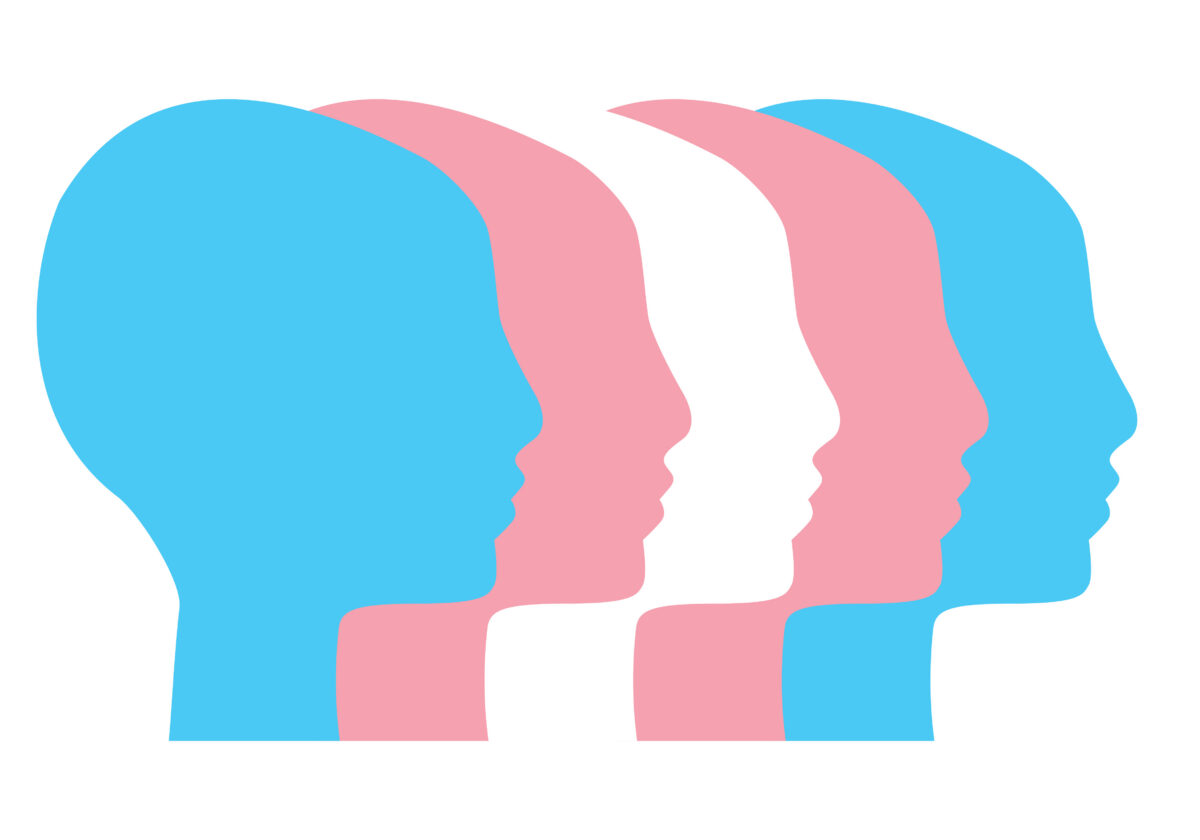
When introducing her Legislation (Definitions of Woman and Man) Amendment Bill for its first reading in Parliament, New Zealand First MP Jenny Marcroft branded trans health initiatives as a “woke contagion” that is being forced on our health-care system.
The bill wishes to define ‘woman’ in law as “an adult human biological female”, and ‘man’ as “an adult human biological male”.
Such an attempt at defining binary sex classifications under the law is seen as unscientific and unworkable at a practical level. Sex is a complicated and often misunderstood outcome of chromosomes, genes, gene expression, enzymes, hormones and anatomy.
The bill would affect how trans, non-binary, takatāpui, and intersex people are viewed in the eyes of the law, weakening anti-discrimination protections and restricting rights and access to health care and services.
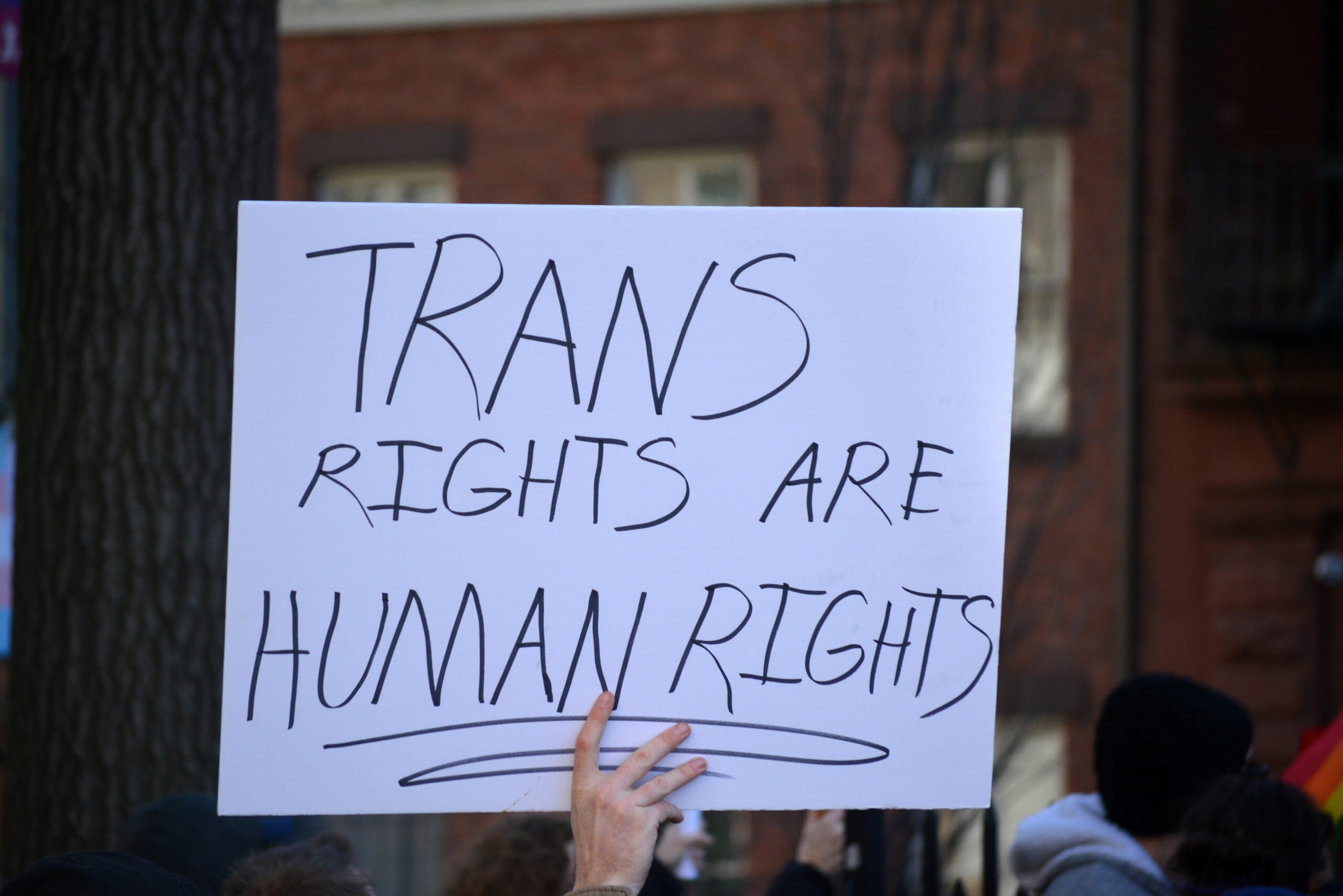
The harm and discrimination this leads to is well documented overseas. The bill has passed its first reading and is at select committee, where New Zealanders can have their say.

Marcroft claims to represent the views of ordinary New Zealanders in her opposition to trans people and their health-care needs. However, our experience as trans health researchers and educators tells us a different story. We are a diverse group of trans, takatāpui, and cisgender nurses, kahu pōkai (midwives), doctors, and health researchers who work together on research and education initiatives to build capability for trans inclusion in our health-care system.
We see this work as part of a commitment to cultural safety in Aotearoa’s health-care system whereby all people, including rainbow communities, should have equitable opportunity to access health care that meets our needs.
Plenty of research supports why this work is important. Counting Ourselves,1 a national study of trans and non-binary people’s health, found that participants rate their health much lower than the general population yet report an unmet need for health services.
Trans and non-binary people are much less likely to report being treated with respect and dignity in their health-care interactions compared to the general population. This can lead to trans people avoiding health care.
‘More than one in five participants avoided seeing a doctor or nurse practitioner because they were afraid of being disrespected or mistreated as a trans or non-binary person.’
In Counting Ourselves, more than one in five participants avoided seeing a doctor or nurse practitioner in the past year because they were afraid of being disrespected or mistreated as a trans or non-binary person.
Amongst those who had been pregnant, less than half reported their main care provider was affirming or very affirming of their gender.
When communities have a higher need for health care and are less likely to access it, health inequities become locked in.
While there are real challenges to ensuring our health-care system provides safe and accessible services to trans people, we hear every day in our work that Aotearoa’s health-care providers are ready, willing, and able to listen and respond.
We also hear from trans people the positive impacts of this, increasing their willingness to access services and improving their overall health and wellbeing.

Across a range of trans health initiatives, health-care providers from across the motu express their enthusiasm to meet trans health-care needs and their willingness to make changes to their practice to ensure this happens.
They also tell us that these changes are relatively straightforward and tend to improve care for everyone.
Time and time again we hear support and affirmation from health-care providers: “I would love to be more accepting and inclusive”, “it makes me want to try harder to make these patients feel comfortable”, “it’s great that it’s being brought into our service”, “these changes are always easy and readily accepted by all”, “our world is changing in a wonderful way and everybody benefits from inclusive care”.
Our work opens opportunities to have deeper conversations about sex, gender, relationships, bodies and norms with kaimahi. We hear these opportunities for reflection can positively impact their overall practice.
One of the messages we hear consistently from health-care providers is that a major barrier to inclusive practice is a lack of leadership in the health-care system.

Health-care providers also report an unmet need for education about trans peoples’ health-care needs.
This is important, because while Marcroft claims people don’t support trans health initiatives, her Government is systematically erasing trans people and their health-care needs from health policy.
Leadership for inclusive health care is going backwards at a time when health-care providers want and need it.
Nurses and kahu pōkai led the creation and development of cultural safety, pioneered by Irihapeti Ramsden in the late 1980s to deliver on a professional commitment to Te Tiriti o Waitangi and to work towards equity for Māori. Trans health initiatives are valued as part of this proud tradition and need defending as such.
Nurses and midwives can speak for themselves about their commitment to providing inclusive, safe and equitable care to Aotearoa’s diverse people and communities. All health-care providers deserve access to the resources they need to fulfill these professional commitments.
How you can help
You can express your opposition to the bill by writing to your local MP or clicking here to prepare a written submission.
And for more information about some of our projects, click here to find out about primary care training, here to find out about the warming the whare project or here to find out about the trans pregnancy care project.
George Parker, RM, senior lecturer, Victoria University; Sara K Filoche BSc Hons, MSc, PhD, Pg Dip Gen Med, University of Otago, Wellington; Rona Carroll, senior lecturer and general practitioner, University of Otago Wellington. Liora Noy RN, IBCLC, MPH, Newtown Parenting Support Centre; Ed Hyde, obstetrics and gynaecology specialist, clinical senior lecturer, University of Otago; Fleur Kelsey, RM and senior lecturer, Otago Polytechnic; Katie Graham, Lecturer in health psychology, Victoria University; Elizabeth Kerekere, adjunct professor, Victoria University; Alex Ker, named investigator, Warming the Whare Project, doctoral candidate, Victoria University; Jaimie Veale, senior lecturer and Rutherford discovery fellow, University of Waikato.
References
- Yee, A., Bentham, R., Byrne, J., Veale, J., Ker, A., Norris, M., Tan, K., Jones, H., Polkinghorne, T., Gonzalez, S., Withey-Rila, C., Wi-Hongi, A., Brown-Acton, P., Parker, G., Clunie, M., Kerekere, E., Fenaughty, J., Treharne, G., & Carroll, R. (2025). Counting Ourselves: Findings from the 2022 Aotearoa New Zealand Trans and Non-binary Health Survey. Transgender Health Research Lab, University of Waikato, Hamilton, NZ.