


|
ABSTRACTAim: This research describes the experiences of New Zealand nursing students who were allocated to managed isolation and quarantine facilities (MIQFs) as a clinical placement during the COVID-19 pandemic. Background: The nursing students were based in Christchurch, New Zealand, during the time the MIQFs were operating, between 2020 and 2022. They were in the third year of a bachelor of nursing programme (BN). Placement in MIQF was optional for these students. In the initial stages of this placement, concern about the students’ safety, ie the risk of them being infected with COVID-19, was expressed by their families, the public and the media. Methods: A descriptive, qualitative design was used for this study. There were seven participants, and data were collected from focus group interviews. The online platform Zoom was used for focus group meetings, due to the complete lockdown during the initial data-gathering in 2020. The focus group interviews were recorded and transcribed, then analysed for themes. Findings: The study found that the MIQF was a valid and unique placement for the nursing students, providing them with clinical skills and learning not found elsewhere. The students said they felt supported by clinical and academic staff and gained confidence in communication and critical thinking in an often-challenging environment. The nursing students all met competence according to Nursing Council requirements. Notably, the student nurses described feeling safe within these facilities, and none contracted COVID-19 during their placements. Conclusion: Clinical placement of year-three BN students in MIQF during the COVID-19 pandemic was described by the participants as a well-grounded and innovative learning experience. |
||||||||
KEYWORDSCOVID-19, nursing students, clinical placement, managed isolation quarantine facilities |
|||||||||
 Patricia Thomson
 Dianne Hudson
 Anna Richardson
 Ada Campbell
 Avril Guihen
INTRODUCTION
Coronaviruses are a diverse family of viruses that can cause infections in both humans and animals. They include the common cold and the viruses which caused previously large-scale infections such as severe acute respiratory syndrome (SARS) and Middle East respiratory syndrome (MERS) (Ministry of Health [MOH], 2020a). COVID-19, caused by the SARS-CoV-2 virus, is a highly infectious coronavirus, that quickly spread worldwide in late 2019 and early 2020. The World Health Organization declared it a pandemic in March 2020 (World Health Organization [WHO], 2023). In New Zealand, the first recorded case of COVID-19 was confirmed on February 28, 2020 (MOH, 2020a), after which border restrictions were put in place. The New Zealand Government’s response was to implement a nation-wide lockdown, with all public places closed, and only those people considered essential able to continue working (MOH, 2020c). From this time until April 2021, all international arrivals, apart from very few exceptions, were required to complete a 14-day period of isolation in a managed isolation and quarantine facility (MIQF) before entering the country (Ministry of Business, Innovation and Employment [MBIE], 2021).
The Canterbury District Health Board (CDHB) employed a nursing workforce to work in MIQFs. These nurses were employed with the stipulation that they not work in any other clinical setting, to prevent potential spread of infection, and were also required to be tested for COVID-19 on a weekly basis (MBIE, 2021). There were six MIQFs in the South Island, all located in Christchurch (CDHB, 2021). These facilities were hotels that had been reassigned for quarantine purposes. This was regarded as a practical solution at the time but because the facilities were not purpose-built for quarantine, they were sometimes a challenging environment for managing infection control, with limited air-conditioning and air-flow conditions that could contribute to airborne infection.
One of the effects of the lockdown was to put an immediate halt to nursing students’ clinical placements as the students were deemed non-essential workers (MOH, 2020b). Clinical placements in any form did not resume until early May 2020, when the New Zealand alert level was reduced. Clinical placement restrictions rapidly became a global issue, with concerns about placing students into clinical environments which were stressful and ever-changing due to the pandemic. High workloads for nursing staff affected their ability to supervise students and support that academic liaison staff were able to give was limited (Ulenaers, Grosemans, Schrooten & Bergs, 2021). Many nursing schools struggled to provide students with clinical experiences that were safe and relevant, increasingly replacing them with online and virtual technologies and simulation. However, regulations that stipulated the required number of clinical placement hours still needed to be upheld, although some provisions were made to accommodate the pandemic. This was a challenging time, with health-care facilities desperate for help on the one hand, and the need to keep students and academic staff safe on the other (Morin, 2020).
BACKGROUND
Year-three bachelor of nursing (BN) students were offered clinical placements in the Christchurch MIQFs starting in September 2020 and continuing until the facilities closed in April 2022. These placements related to the family and community nursing section of the BN course. The immediate reaction to this placement opportunity was one of anxiety on the part of students’ families, the public and the media, that the MIQFs were an unsafe environment due to the risk of contracting COVID-19. However, the nursing students who chose to do clinical placement at the MIQFs, and the academic staff member allocated to support them, were given extensive training in the use of personal protective equipment (PPE) and were included in weekly swab testing offered to all staff at these facilities. Allocation to the MIQF placement was optional for both the nursing students and academic staff, due to it being an unconventional clinical learning environment and due to the level of anxiety in the community at the time. The placement fitted the criteria of community-based nursing, met the learning objectives for the course, and the students met the required competency for their scope of practice, as set by the Nursing Council (NCNZ, 2007). Once a student chose this placement, the inclusion criteria that were then applied were that neither they nor their family members were immunocompromised in any way, nor had any other risk factors.
Academic staff prepared the students for this placement with reviews of health assessment frameworks, clinical skills and safety measures, including use of personal protective equipment (PPE). As part of orientation at the MIQFs, they were fully fitted with PPE appropriate to the area. They were orientated and security-cleared to be on the premises by New Zealand Army personnel. The nursing students worked alongside registered nurses (RNs), monitoring guests’ health and wellbeing and managing health concerns. They worked in a multidisciplinary team consisting of police, military, hospitality, medical and nursing personnel. The people quarantined at the facilities were referred to as “guests”, rather than patients or clients, due to the novel hotel environment of MIQF.
There were personal and professional challenges for the students allocated to this placement. In the initial stages, these included the intrusion of the media, who questioned the wisdom of placing nursing students at these facilities, and also the perceptions and beliefs of the wider community. These concerns, which centred on the risk of students and staff contracting COVID-19, were predominantly negative and based on conjecture rather than fact. In terms of their safety, the students felt prepared by policies and procedures put in place to protect them. For the students, the key outcomes from the experience included learning to adapt and hone communication skills, working in collaboration with a diverse multidisciplinary team and learning to deal with the stigma – based on fear of infection – expressed by family, friends, the wider community and other health professionals. Of note, the students were in the third year of their BN degree and had considerable knowledge and skills to build on. Nonetheless, they gained valuable clinical experience working in this environment, not only with numerous acutely unwell COVID-19 patients, but also from working in an unknown and potentially unstable clinical environment.
The COVID-19 pandemic offered a unique opportunity to explore the experiences of the nursing students allocated to the MIQF clinical setting. Given that the Christchurch students were the only nursing students in the country who undertook MIQF clinical placements, this allowed the researchers to document an important milestone in the history of New Zealand nursing. To date, while many studies have identified novel opportunities for nursing student placement worldwide (Ahmed et al, 2022; Barisone et al, 2022; Berger, 2021; Cushen-Brewster et al, 2021; Jamieson et al, 2021; Kang & Yang, 2021; Norman & Meszaros, 2021; Popoola, 2021; Ulenaers et al, 2021), none have been published about nursing students being placed in an isolation quarantine facility during the 2020 pandemic.
METHODOLOGY
A descriptive, qualitative design was used because it was relevant to the aim of the study, which was to describe the experiences of BN students allocated to an MIQF. Data were collected from two focus groups, using the online platform Zoom as a tool for focus group meetings. Using Zoom was necessary due to the complete lockdown during the initial stages of data-gathering. Focus groups provide a forum for open discussion and can facilitate the exploration of the participants’ own viewpoints. They are often used for qualitative data collection in health research and have the advantage of participants being able to listen to and develop a range of viewpoints (Stewart & Shamdasani, 2014). Holding the focus groups online allowed participants to choose a time to participate that was most convenient to them, provided an opportunity to participate from home and lessened the chance of cross-infection with COVID-19. This also helped overcome other potential problems with bringing the students together, such as students being in different geographical locations and working different shifts. With a small number of participants, the facilitators were readily able to manage group dynamics and keep the discussion on topic, which can be difficult in focus group meetings (Braun & Clarke, 2013).
Purposive sampling was used to recruit participants from the group of 24 potential participants who had attended placements in the Christchurch MIQFs. All 24 students were contacted by email, and 10 consents were obtained, with seven participants taking part in the focus group interviews. The participants consisted of five women and two men, whose ages ranged from 20 to 42 years; three identified as New Zealand European, two as Pacific and two as Māori. The number who consented was higher than the number who finally participated – the ability to participate was affected by the impact of workload during the pandemic.
Ethical approval was obtained from the Ara Research Knowledge Transfer Ethics Committee (no. 1890). Organisational locality approval was provided, and participants were invited via email by an intermediary. None of the participants were taught or assessed by members of the research team to avoid the potential for coercion. Informed consent was gained from all participants before data collection and anonymity and confidentiality of participant data was maintained by using pseudonyms in transcribing; the independent transcriber signed a confidentiality agreement.
Three of the research team were not used as interviewers as they were markers or moderators of theory or clinical assessments in year three, which would have created a potential conflict of interest. The two researchers who conducted the focus group interviews were not involved in this work. There was no academic advantage or disadvantage to the students for their participation in the research. In accordance with institutional policies, no financial reward was made for participation in the focus groups.
The two researchers who conducted the focus group sessions had expertise in group management, allowing all participants to have an equitable and fair opportunity to share their views. The focus group questions were provided to the participants on the day the hour-long sessions took place and participants were offered the opportunity to add or amend any responses afterwards. Questions were open-ended and varied according to participant responses. A full list of the focus group questions can be seen in Appendix 1 (below references).
For consistency of data collection, the same two researchers conducted both focus groups. Each session began with a karakia, an introduction and an explanation of the focus group process, including the aim of the research. Permission was sought from the participants to audiovisually record the session via Zoom. Notes were taken by one of the focus group facilitators. These were used predominantly to guide the session, clarify information and stimulate further conversation on issues that evolved during the discussion. One example was, when the participants talked about safety, the notetaker asked them, “Did you feel safe?”
All five researchers analysed the data, after the audiovisual recordings were transcribed verbatim by an independent transcriber. The researchers used the six phases of thematic analysis identified by Braun and Clarke (2013), which specifies that each step must be completed before the next is started. First, the researchers familiarised themselves with the data, each of them viewing the audiovisual Zoom recordings of the focus groups and reading the transcripts repetitively. Each researcher identified important patterns in the data, labelling them to create categories, and then comparing them with what the other researchers had produced. The emerging codes were reviewed to recognise overlaps and redundancies, and themes and concepts were identified. Each researcher was allocated a theme to explore further and synthesise. Subthemes emerged through this in-depth exploration of the raw data. Quotes from the participants ensured authenticity and correlation of data. In retrospect, the initial intention of the thematic analysis was too linear. Braun and Clarke (2022) advise seeking, developing, and checking to ensure the research team have captured the data. With repetitive analysis of the themes and subthemes, this process occurred naturally over time.
FINDINGS
Six themes were identified from the data which were ultimately synthesised to the following five:
- Safety in the MIQF – whether the nursing students felt they were safe from COVID-19 infection; and with guests who were often frustrated due to days of isolation;
- Communication – the challenges of communicating with clients under isolation conditions;
- Working in the multi-disciplinary team – the importance of teamwork within a unique and diverse workforce;
- Stigma – the impact on participants of discrimination from the community; and
- Confidence and competence – the valuable skills learnt in this unique environment.
Safety in the MIQF
The nursing students’ safety was a key consideration when deciding to use MIQF as a placement opportunity. A key question students were asked in the focus group sessions was, “Did you feel safe?” The responses below show that the participants did feel safe from infection and prepared for their role, due to the processes put in place to protect them. But they did not always feel safe with frustrated and angry guests.
“I have never ever felt unsafe at all in any situation all the time that I was there, it is a safe and controlled environment. With PPE, I got extensively trained and felt confident donning and doffing. You had to have your own health checks which were done by other staff. I did everything by the book, and I didn’t get COVID.”
However the students sometimes felt unsafe with guests, who were restricted to their rooms for prolonged periods, and at times became agitated and frustrated.
“The only thing that made me feel unsafe was that occasionally guests would get really angry with us, regarding not being able to go out of their rooms which was often for smokes once they had just landed, or a little bit frustrated with having to have their children swabbed and then them being swabbed.”
Communication
The students emphasised how important communication was in caring for guests in the MIQF. The impact of isolation on the guests could be addressed by making a commitment to spend time them. This enabled therapeutic relationships to develop and gave guests time to talk and interact socially. The students discussed the importance of communication skills that promoted mental health and the challenge of conversing with guests who did not speak English.
“If they were alone, you would be the only face-to-face interaction they would have, so you really needed to take time to talk to them and they really appreciated it. With full PPE on, they could only see our eyes, behind goggles, so they could not see our facial expressions. We had to really know body language. In addition, this preceptor taught me how to gauge a patient in terms of their verbal and nonverbal cues to assess their mental status and I found that helpful. We also had to organise interpreters and then we would have forms printed, so that the health checks could be performed accurately.”
Functioning in the multidisciplinary team
The importance of teamwork was evident and integral to the success of the MIQF. This was a unique experience for the nursing students, which required them to hone their communication skills and reflexive practice. The multidisciplinary team (MDT) included defence force personnel, police, hotel staff, health and education personnel, interpreters and a wellbeing team.
“There were challenges, but it was interesting to see how well we worked together and yes, it was enjoyable and a positive experience working alongside a diverse team. Being able to work with the NZDF, the police, hotel and the different health staff was unique and something that might never occur again.”
The challenges of the MDT included maintaining the confidentiality of guests’ health information when working with personnel who were not health workers. Putting up those barriers to protect guests’ privacy could be challenging at times, but the students also saw it as a learning experience, relevant to the professional responsibility of maintaining confidentiality.
“How to explain things to different team members, because they would have various levels of health literacy, was quite a different skill to learn. In the hospital, the team usually consists of other health practitioners, so as nurses we really had to think that personal information cannot just be given out and that permission is needed from the people themselves and we had to present this in a non-confronting, non-conflict sort of way.”
Stigma and discrimination outside the MIQF
Stigma and discrimination were issues that affected the students in their personal lives, especially those in the first cohort allocated to MIQF. Discrimination came from friends, family, and the public, who were fearful of infection. Some health professionals also expressed a lack of confidence in the isolation processes when the pandemic was in the initial stages.
An example was when a student allocated to MIQF had a family member admitted to hospital.
“Where I was living at the time, they were not comfortable with me being in the MIQF, so I moved to my mum’s for the placement time. I remember talking to a lady saying I am going to work as a student [in a MIQF], and she visibly took a huge step away from me, so I would end up just not telling people that I was there.”
“Initially when my mum was admitted to hospital, they were not too happy for me to visit, but after a while I was allowed to talk to her. I decreased my visits and had another family member visit her instead of me.”
Building confidence and competence
Working in the MIQF provided a unique learning experience and an opportunity for the nursing students to use the skills they had already acquired, and learn new skills. They reported that at the end of the placement and their subsequent completion of the BN programme, they were confident in caring for any patient with an infectious disease and had gained valuable infection control skills.
“I am more confident and will happily swab anyone, even children, which was challenging initially. I am confident with PPE, this is not new, and I know the expectations and outcomes. It has been helpful for me; I taught my current clinical nurse manager how to do swabs because we had to get a rapid swab done. Other important things are reinforced especially with this new world with Covid. I feel confident with infection control which will help me throughout my career.”
The participants felt that the MIQF placement enabled them to meet the Nursing Council competencies for third-year students.
“Meeting competency is about a lot of thinking and talking to our nursing lecturers and nursing staff that everything does apply. I have done so many things on one shift and every single competency can be applied. It is different, you just look at learning in a unique way and think outside of the box, so having those discussions was helpful.”
DISCUSSION
Since the onset of the COVID-19 pandemic, the nursing workforce has had to pivot and adapt to the ever-changing clinical scene across Aotearoa. While nurses have been described as “invisible heroes” who have contributed to the vaccination, isolation and treatment of infected people, the impact of their contribution has often gone unrecognised (Popoola, 2021). As the pandemic entered New Zealand, there was understandable fear of COVID-19 amongst the public and also within the health professions who were seeking advice about infection prevention and control (Berger, 2021).
While the MIQF environment no longer exists, several key lessons emerged from the nursing students’ experience – these related to safety, communication skills, working in a multidisciplinary team, the learning experience and managing stigma. When the BN students entered the MIQF setting on September 7, 2020, a national nursing organisation suggested that this setting was unsafe for nursing students to practice. However this research highlights that students were able to protect their own safety by following infection control procedures.
Preparing the students for this placement, and thus helping to protect their safety, included tutorial work and simulations, revision of PPE procedures and revising experience of illness prevention and infection control from previous placements. Safety concerns for nursing students and academic staff in the clinical setting were evident in literature reflecting on lessons from the COVID-19 pandemic (Rice et al, 2021; Rizzo Parse, 2020; Schuman, 2020). The student participants in this study said the media description of MIQFs as “unsafe” did not reflect their experiences and that they understood and adhered to safety procedures and policies. However their sense of safety was challenged by the needs and behaviours of some MIQF guests, which included aggression, fighting, and expression of exasperation and anger.
Communication has always been at the heart of nursing practice (Hutchinson, 2017). However it was recognised that communication with guests in the MIQF was less than optimal due to the necessity for social isolation and because staff had to wear PPE which hinders communication and can distort the message (Spillane, 2020).The nursing students knew that guests could only see their eyes, behind goggles, which made communication particularly challenging for non-English speakers.
With PPE restricting the ability of staff to communicate, and the need to keep social contact to a minimum, it is understandable why some guests felt isolated and anxious while in the MIQF. However, the students enjoyed communicating with guests from different countries and backgrounds, and recognised that their skills in assessment and promoting mental health were enhanced by the experience. The literature says that COVID-19 created new opportunities for learning; however, nursing students in some parts of the world were placed in clinical settings they were not ready for (Rizzo Parse, 2020). However these year three nursing students, due to their seniority, were able to demonstrate well-honed communication skills in practice.
The students found communication with the MDT interesting. They noted that the team at MIQF – defence staff, police, hotel staff, nurses, interpreters and wellbeing teams – was unique and they might never work in such a group again. They emphasised the need to collaborate, and gained insight into interprofessional practice. Roth (2020) stated the initial chaos of COVID-19 worldwide settled into a new phenomenon of “unexpected innovation” – the collaboration the nursing students experienced in the MIQF could be seen as an example of this. Barriers were broken down between health, police, defence, hospitality, and education personnel, to enable a seamless experience in the MIQF environment. Collaboration had some barriers, in particular that of guest privacy – students knew they were not able to share personal health information with non-health professionals.
Prosen (2020) said that while nursing professionals should be celebrated for their efforts, there had been negative reactions such as stigmatisation of and discrimination against people diagnosed with COVID-19 and those caring for them. This research highlighted the nursing students’ personal experience of stigma associated with the MIQF placement. Some of their families expressed reservations about their taking up placements at MIQF without full understanding of the pandemic and the environment. It is important to avoid labels that stigmatise people who have an infectious disease such as COVID-19, and the health professionals who care for them (WHO, 2020). Health professionals outside the MIQF setting were cautious with the students on this placement, with one student prevented from visiting family in hospital. The students spoke about not perpetuating the stigma and how the guests were not dangerous to the public. However, they refrained from informing people in the community they were on placement in MIQF to protect themselves from discrimination.
This research highlighted media intrusion, with accounts of media trying to photograph guests in the MIQFs, particularly in the initial stages. The media have a role in pandemics, but do not always communicate the science effectively, creating further misinformation, stigma, fear and inappropriate responses (Généreux et al, 2020). The students reported that they had applied critical thinking to practice while placed in the MIQFs and had learned to “think outside the box”. Overseas literature said students felt supported in their practice during the pandemic, with partnerships formed between tertiary providers and health agencies (Bliss, 2021, Rodriguez et al, 2021). The Christchurch students reported being well supported by clinical and academic staff. Aided by that support, the students developed confidence in communication and nursing skills, contributing to their preparation for graduation and employment. Some of the students expressed pride for their contribution in the MIQFs, and the lessons learnt will assist in their future careers.
The MIQF clinical placement was a unique and valid learning experience for these nursing students, providing a different learning experience to that of any other nursing students in the country at the time. They felt supported and met competence requirements, none contracted COVID-19 while on placement, and all subsequently were able to complete their degree. Clinical placements in community nursing are often hard to find, and this research has shown that thinking broadly can provide students with valid and varied placement options. Further, this model of alternative placement could inform future clinical practice learning and support the nursing workforce in any future pandemic. Several authors have described the COVID-19 era as being uncertain and shifting rapidly, with lessons to be learnt for the future planning of student clinical experience (Aurentz & Layman, 2020; Bitton & Buck, 2020; Schuman, 2020), with an emphasis on new collaborations, partnerships and workforce changes.
LIMITATIONS
This research explored a unique clinical placement opportunity for year-three nursing students during the COVID-19 pandemic. A limitation of this study is that there were a small number of participants; however their voices describe an innovative and safe learning opportunity for students, which could be repeated in any future pandemic.
CONCLUSION
This research has highlighted an innovative and responsive approach to the COVID-19 pandemic, which provided nursing students with a clinical learning experience in a community setting. Despite its challenging and unfamiliar environment, the benefit of the MIQF placement was that it was safe for nursing students, RNs, guests and the multidisciplinary personnel. It was courageous of the students to take up the opportunity to undertake clinical learning in the MIQFs, rather than resorting to clinical projects and simulation. This research has highlighted an opportunity to “think outside the box” for clinical learning, while providing a student-centred learning experience.
REFERENCES
Ahmed, W. A. M., Abdulla, Y. H. A., Alkhadher, M. A., & Alshameri, F. A. (2022). Perceived Stress and Coping Strategies among Nursing Students during the COVID-19 Pandemic: A Systematic Review. Saudi Journal of Health Systems Research, 2(3), 85-93.
Aurentz, C., & Layman, J. (2020). Reflections on nursing education during a pandemic and lessons learned. The Missouri Nurse, Summer 2020, 28-30.
Barisone, M., Ghirotto, L., Busca, E., Diaz Crescitelli, M. E., Casalino, M., Chilin, G., Milani, S., Sanvito, P., Suardi, B., Follenzi, A., & Dal Molin, A. (2022). Nursing students’ clinical placement experiences during the Covid-19 pandemic: A phenomenological study. Nurse Education in Practice, 59, 103297–103297.
Berger, S. (2021). Encounters with uncertainty and complexity: Reflecting on infection prevention and control nursing in Aotearoa during the COVID-19 pandemic. Nursing Praxis in Aotearoa New Zealand, 37(3), 15-19.
Bitton, J. R., & Buck, D. K. (2020). The impact of the pandemic on Oregon nursing education. Oregon State Board of Nursing Sentinel, 39(4), 20-21.
Bliss, J. (2021). The impact of Covid-19 on practice learning in nurse education. British Journal of Community Nursing, 26(12), 576-580.
Braun, V., & Clarke, V. (2013). Successful qualitative research: a practical guide for beginners. Sage.
Braun, V., & Clarke, V. (2022). Thematic Analysis: a practical guide. Sage.
Canterbury District Health Board. (2021, Dec 17). Canterbury’s government agencies team up to support COVID-19 Care in the Community Quarantine Facilities.
Cushen-Brewster, N., Barker, A., Driscoll-Evans, P., Wigens, L., & Langton, H. (2021). The experiences of adult nursing students completing a placement during the COVID-19 pandemic. British Journal of Nursing, 30(21), 1250-1255.
Généreux, M., Schluter, P. J., Hung, K. K., Wong, C. S., Pui Yin Mok, C., O’Sullivan, T., David, M. D., Carignan, M.-E., Blouin-Genest, G., Champagne-Poirier, O., Champagne, É., Burlone, N., Qadar, Z., Herbosa, T., Ribeiro-Alves, G., Law, R., Murray, V., Chan, E.Y.Y., Pignard-Cheynel, N.,…Roy, M. (2020). One virus, four continents, eight countries: An interdisciplinary and international study on the psychosocial impacts of the Covid-19 pandemic among adults. International Journal of Environmental Research and Public Health, 17(22), Article 8390.
Hutchinson, D. (2017). Consultation skills: are yours up to scratch? Practice Nurse, 47(2), 10-14.
Jamieson, I., Andrew, C., & King, J. (2021). Keeping our borders safe. The social stigma of nursing in managed isolation and quarantine border facilities during the COVID-19 pandemic. Nursing Praxis in Aotearoa New Zealand, 37(3), 53-61.
Kang, D.-H.-S., & Yang, J. (2021). Clinical Practice Experience of Nursing Students During the COVID-19 Pandemic. Korean Journal of Adult Nursing, 33(5), 509-521.
Ministry of Business, Innovation and Employment. (2021). MIQ timeline.
Ministry of Health. (2020a). Single case of Covid-19 confirmed in New Zealand.
Ministry of Health. (2020b). Chief nursing officer letter to nurses across Aotearoa.
Ministry of Health. (2020c). History of the COVID-19 alert system.
Norman, K., & Meszaros, K. (2021). Community nursing placements: student learning experiences during a pandemic and beyond. British Journal of Community Nursing, 26(5), 214-217.
Nursing Council of New Zealand. (2007). Competencies for RNs.
Popoola, T. (2021). COVID-19’s missing heroes: Nurses’ contribution and visibility in Aotearoa New Zealand. Nursing Praxis in Aotearoa New Zealand, 37(3), 8-11.
Prosen, M. (2020). Social stigma in the time of coronavirus (COVID-19): an epidemic we must not remain silent about. Slovenian Nursing Review, 54(2), 100-103.
Rice, M. E., Shank, B., Clark, T., Robertson, M., Hamlin, A. S., Ruffin, T., & Wilson, D. R. (2021). Caring During COVID-19: Nursing Education. Tennessee Nurse, 84(2), 18-19.
Rizzo Parse, R. (2020). Nurse education: You can’t go home again. Nursing Science Quarterly, 33(3), 197.
Rodriguez, A. M. M. M., Cardoso, T. Z., Abrahão-Curvo, P., Gerin, L., Palha, P. F., & Segura-Muñoz, S. I. (2020). Vaccination against influenza in the face of COVID-19: teaching-service integration for training in nursing and health. Vaccination Against Influenza in Primary Care, 25(SPE), 1-6.
Roth, E. (2020). Epidemic temporalities: A concise literature review. Anthropology Today, 36(4), 13-16.
Schuman, R. (2020). Transitions in nursing clinical education due to Covid-19. How Houston Baptist University transformed its nursing programme. Texas Nursing Magazine, 4, 14-15.
Spillane, E. (2020). COVID-19 and the impact it has on communication in maternity. Midwifery Matters, 165, 8-11.
Stewart, D. & Shamdasani, P. (2014). Focus groups: Theory and practice (3rd ed.). Sage.
Ulenaers, D., Grosemans, J., Schrooten, W., & Bergs, J. (2021). Clinical placement experience of nursing students during the COVID-19 pandemic: A cross-sectional study. Nurse Education Today, 99, 104746-104746.
World Health Organization. (2020). Social stigma associated with COVID-19.
World Health Organization. (2023). Coronavirus disease (COVID-19).
APPENDIX 1
Focus group questions
- Can you tell me how you were orientated and prepared for the placement in the MIQF? For example, what preparation/education did you receive?
- What was the clinical day you experienced in practice, working under the direction and delegation of the registered nurse?
- What did you enjoy most about the work in the MIQF?
- What were the most significant learning experiences for you as a student nurse in the MIQF?
- What were the biggest challenges for you as a student nurse in the MIQF?
- How did the experience in the MIQF draw on your knowledge and experience in the bachelor of nursing programme?
- How did the clinical portfolio support your learning while on placement in the MIQF?
- How did the experience in the MIQF facility draw on your personal and life experiences?
- Thinking beyond your clinical placement in the MIQF, how did the experience impact on your life – thinking about relationships, community, and social activities?
- Thinking beyond your clinical placement in the MIQF facility, how did the experience impact on your preparation in transitioning to a registered nurse?
- What advice would you give to bachelor of nursing students behind you going on placement in the MIQF?
- Anything that you would like to add or thought you would be asked about that has been omitted?
Daily doses – uncut news
| 27 Oct |
Pilot registry to trial a safer path for women’s pelvic healthHealth New Zealand has started a pilot in Christchurch today to test processes required to establish a nationwide registry for female pelvic floor procedures, including surgical mesh. |
| 23 Oct |
National’s hiring freeze puts lives at riskLast night’s warnings from doctors at Wairau Hospital that patients may die if they don’t get more staff is yet another example of the damage National’s hiring freeze has done to our health system. |
| 23 Oct |
Recognition of need to fix primary care crisis good for patientsRecognition of the need to fix the crisis in primary health care is good for patients but stops short of a much-needed overhaul of the sector, NZNO says. |
| 20 Oct |
Winners of the 2026 NZ Primary Healthcare Awards | He Tohu Mauri Ora announced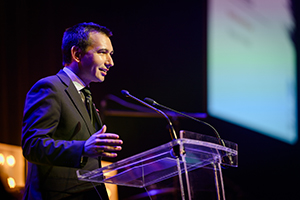 Over 600 supporters of primary care gathered at the Auckland's Viaduct Events Centre on Saturday night for a glittering gala dinner for the 2026 New Zealand Primary Healthcare Awards | He Tohu Mauri Ora.
|
| 19 Oct |
Te Whatu Ora must fully staff vital Starship Children's Hospital wardsTe Whatu Ora must fully staff all wards at Starship Children's Hospital including four vital wards which are short of a total of 18 full-time nurses, NZNO says. |
| 16 Oct |
Paid placements policy will help boost nursing workforceA policy to pay nursing students a weekly allowance while they're on clinical placements will help them graduate and boost Aotearoa New Zealand's homegrown nursing workforce, NZNO says. |
| 5 Oct |
Labour's pay rise a first step, but pay equity needs a full settlementTōpūtanga Tapuhi Kaitiaki o Aotearoa NZNO has welcomed Labour's promised pay rise for care and support workers as a first step. It says care and support workers now need a full settlement of their pay equity claim and a workable pay equity system for all of its members. |
| 1 Oct |
Health NZ releases first national report on serious adverse eventsHealth New Zealand has published its first national Serious Adverse Event Report, acknowledging the serious harm experienced by patients and whānau and outlining the improvements identified and actions underway to strengthen patient safety. The report covers serious adverse events reported in Hospital and Specialist Services between 1 July and 31 December 2025. |
| 25 Sept |
380 more health care workers at the end of winter too little too lateAn announcement of 380 additional nurses, midwives and health care assistants for hospitals around the country at the end of winter is too little too late, NZNO says. |
| 23 Sept |
Auckland University research finds nurse shortages increase post-surgery deaths and complicationsNew research by Auckland University has found addressing nurse shortages in post-operative care may save 182 lives a year because short-staffed wards have higher rates of potentially preventable deaths and complications after their surgeries. |
| 21 Sept |
Whanganui Hospital ED averaged 680% capacity over a week Working in an overcrowded emergency department (ED), up to 680% capacity over a week, makes staff feel overwhelmed with the pressure, Tōpūtanga Tapuhi Kaitiaki o Aotearoa NZNO says.
|
| 14 Sept |
WellSouth's Newborn Enrolment Kahu Taurima Programme a finalist at the Primary Care Awards 2026WellSouth's Newborn Enrolment Kahu Taurima Programme is a finalist at the Primary Care Awards for the HALEO Best Supplier Service, Product or Campaign category. Winners will be announced on 17 October. |
| 14 Sept |
Global Study: Nursing Shortages Require Workforce Policy Solutions, Not Recruitment Campaigns AloneWhy people choose nursing, and why they leave, comes down to the same factors. The global nursing shortage cannot be solved simply by encouraging more people to enter the profession, according to a new evidence brief. |
| 8 Sept |
Overworked, understaffed Gisborne ED staff strike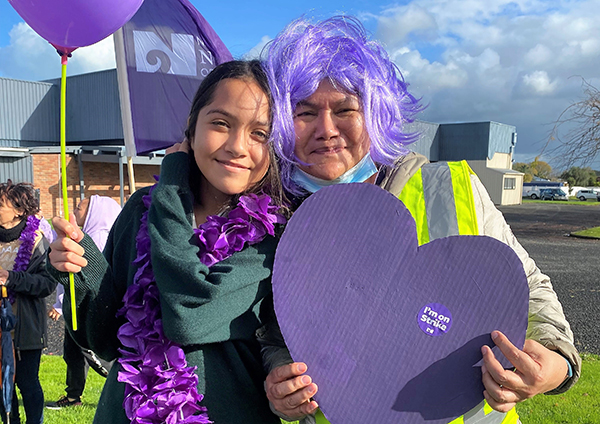 Health and safety concerns arising from unsafe staffing levels have forced nurses at Gisborne Hospital’s emergency department (ED) to go on strike.
|
| 4 Sept |
Strong growth in wāhine Māori and Pacific women’s cervical screening rates highlights success of self-testing programmeCervical screening participation has increased significantly for both wāhine Māori and Pacific women, reflecting the strong impact of self-testing, Screening Services and the dedicated efforts of health providers working alongside their communities. |
| 4 Sept |
Government must adopt Wai 2713 recommendations on disability systemThe Coalition Government must urgently adopt new recommendations from the Waitangi Tribunal which has found significant parts of the disability system prejudice tāngata whaikaha Māori (Māori with disabilities), NZNO says. |
| 31 Aug |
Employing graduate nurses will help keep them in nursing and the countryA new proposal that will require Te Whatu Ora to offer all eligible graduate nurses jobs in the public health system will help keep them in nursing and in Aotearoa New Zealand, NZNO says. |
| 26 Aug |
Health Minister’s claim Winter Plan ‘managing well’ delusionalHealth Minister Simeon Brown’s claim that hospitals are ‘managing well’ because of the Government’s Winter Plan is delusional, NZNO says. |
| 25 Aug |
Hospital data shows nursing shortages continue to put patients at riskTe Whatu Ora data released today shows patients are continuing to be put at risk by the Coalition Government’s deliberate failure to safely staff hospital wards, NZNO says. |
| 24 Aug |
Fed-up North Shore ED staff declare state of emergencyNZNO members working in the emergency department (ED) at North Shore Hospital have declared a state of emergency due to unsafe staffing levels resulting in ongoing overcrowding. |
| 19 Aug |
What happened to the winter health plan?The $25 million 2026 Winter Plan launched by Health Minister Simeon Brown in March to erase pressure on the health system has been an unmitigated disaster, Tōpūtanga Tapuhi Kaitiaki o Aotearoa NZNO says. |
| 11 Aug |
Applications open for advanced nursing education programmesHealth New Zealand is encouraging registered nurses to apply for two advanced education programmes that support nurses to further develop their clinical skills and expand access to care in communities across New Zealand. |
| 3 Aug |
Health New Zealand welcomes settlement of NZRDA collective agreementHealth New Zealand welcomes the vote by New Zealand Resident Doctors Association (NZRDA) members to settle their collective agreement. |
| 30 Jul |
Backing our frontline rural health workforceRural communities across New Zealand will benefit from three new investments that will support the rural health workforce and help more people access care closer to home, Associate Health Minister Matt Doocey says. |
| 22 Jul |
Te Whatu Ora must disclose staffing levels at time of tragic deathTe Whatu Ora must disclose whether the Waikato emergency department (ED) was short-staffed at the time a man tragically died in the waiting room, NZNO says. |
| 6 Jul |
Reflecting on IND 2026Looking back on last month’s International Nurses Day 12 May 2026 (IND 2026), the impact of this year's theme "Our Nurses. Our Future. Empowered Nurses Save Lives" continues to resonate across the world. ICN’s landmark IND 2026 report defined seven key powers of nursing and this message has been strengthened with nurses in every region celebrating, naming, and owning their powers throughout May. |
| 3 Jul |
Health New Zealand acknowledges Ombudsman statement on Wakari Ward 10AHealth NZ welcomes the independent investigation by the Ministry of Health into Ward 10A. On Wednesday the Health NZ board agreed to close Wakari Ward 10a as a forensic intellectual disability (ID) unit, with the future use of the ward yet to be determined. |
| 2 Jul |
New programme to fast track bowel cancer care and cut colonoscopy waitlistsHealth New Zealand is today launching a national initiative, designed to fast track bowel cancer care and reduce colonoscopy waitlists by up to 30 per cent. |
| 1 Jul |
Six new Co-Response Team locations announced to strengthen support for people in mental distressThe next six locations for Health New Zealand and NZ Police Co-Response Teams have been confirmed, expanding a model that helps people experiencing mental distress receive timely, wraparound support that better meets their health needs. |
| 29 Jun |
Mental health and addiction targets progress continuesHealth New Zealand continues to make important progress against its mental health and addiction targets, meeting four out of five national targets this quarter. |
| 25 Jun |
Access to care continuing to improve across a range of health indicatorsNew health data released today shows continued improvement in access to care across a range of health indicators. |
| 18 Jun |
Funding "boost" continues dangerous under-funding of aged careThe Health Minister’s funding "boost" for aged residential care continues underfunding to the sector and will continue unsafe practices and short staffing, which is putting vulnerable residents at risk, NZNO says. |
| 16 Jun |
Labour to make maternity scans freeLabour will add free maternity scans to the Medicard alongside three free doctor’s visits a year, so every pregnant woman gets the care she needs. |