
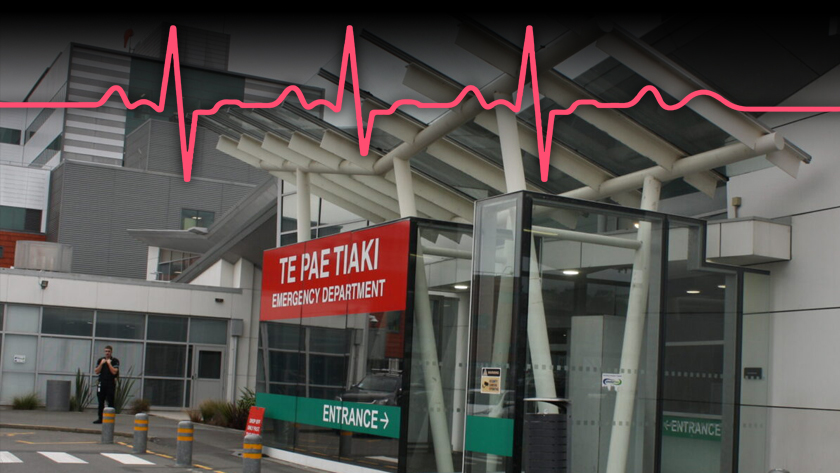
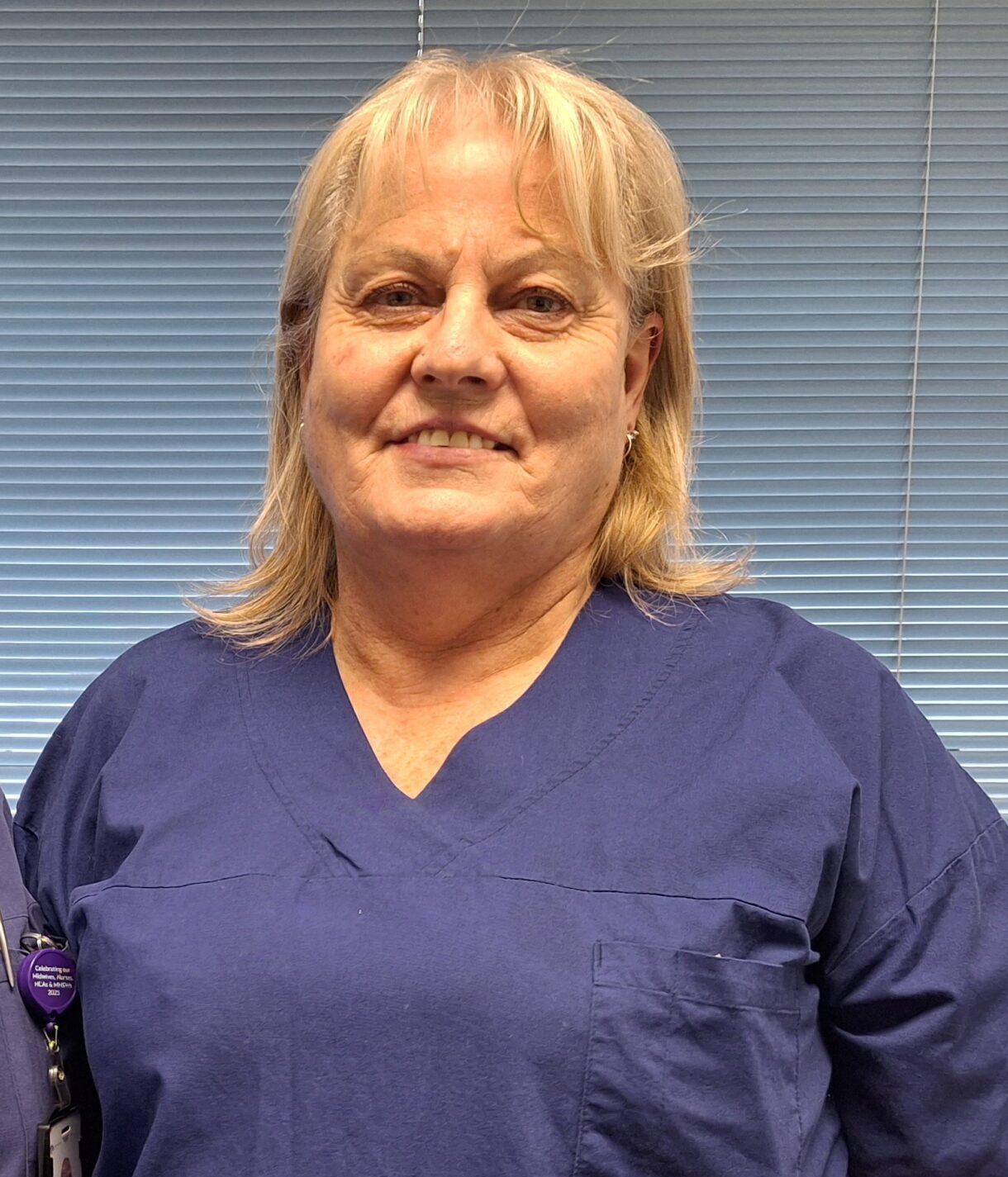
“It’s been bloody awful,” the NZNO delegate told Kaitiaki. Since 2023, the ED has been short up to 55 full-time-equivalent (FTE) nurses — dropping to 45 at the beginning of this year.
Since then, new staff had come on board “really, really slowly”. Nurse managers had to apply to Te Whatu Ora-Health NZ (HNZ) regional managers to make appointments — who might authorise one or two recruits, said Taankink.

‘I worked that day — it was bloody awful.’
“We were getting one or two a week, that’s why it took so long. We have been getting a slow trickle over the past few months.”
Finally — just in time for the Election — they are almost fully staffed.
See also the Kaitiaki podcast: Loving the job while waiting for ED ‘bomb’ to blow
“Our nurse manager has been fighting for staff the whole three years National’s been in. We’ve been fighting and we’ve been able to get the odd one coming through — but now, because it’s Election year, they’re giving us another 380 nurses,” Taankink said.
“Well if you think that’ll win them votes, they’re s**t out of luck!”
In 2023, safe staffing calculations showed Wellington emergency department (ED) was short by 55 FTE nurses.
They managed to hire 25 that year before the newly-elected National-led Coalition Government’s hiring freeze kicked in and the shortages crept up again.
“Each year our CCDM [care capacity demand management safe staffing tool] calculated we needed more and more.”
‘There was a freeze’
Yet, with HNZ ordered to claw back a $1.4 billion deficit, they were not able to recruit any staff: “There was a freeze.”
By the beginning of this year, they were almost back to where they’d started — 45 FTE nurses down. That meant a shift could be short by up to 10 nurses, which left no time for anything beyond the absolute basics — and even those were on the line at times.
“As an ED we stablise and move on. So as long as we have a stable patient who is fit for a ward, the ward should be able to do the IDC [indwelling catheter] or nasogastric [tube],” she said. “Our nurses like to finish but . . . but we just have to reiterate ‘just make sure the patient is safe and stable and get them to the ward’.”
‘We’ve been fighting and we’ve been able to get the odd one coming through — but now, because it’s Election year, they’re giving us another 380 nurses.’
Then in June and July the ED was overwhelmed with a record number of patients during a tough winter — which peaked at 257 one day.
“I worked that day — it was bloody awful,” Taankink said.
Normally, there would be 170 to 180 patients over a 24-hour period, but that particular week in late June/early July there were 210 to 230 most days.
“It was also particularly bad because of our ageing population and people aren’t going to GPs — either because they can’t get in or can’t afford it, so they’re coming in a lot sicker.”
At the time, patients were being “ramped” in the ambulance bay, and parts of the waiting room were adapted for patients being admitted.
“We were just making do, making spaces anywhere we could to allow flow into the ED.”
There have been close calls — one patient in the corridor was revived after having a heart attack. Nurses often felt they were gambling with lives, she said.
Nor did it help that Wellington Hospital’s ED — due to be rebuilt by 2030 — was an “unworkable” space.
Many nurses just couldn’t take the pressure anymore and had quit and left — the hospital and the country. Others just burned out and took sick leave — intensifying the pressure on those remaining.

“We would sometimes have six or seven staff ringing in sick per shift this winter. We don’t know whether it’s burnout or winter illness, but that put a lot of strain on the department.”
On top of that, there was a crackdown on overtime, so it could only be offered if the ED was short by eight FTE nurses or did not have the right skill mix: “Only then could we put out a text saying ‘overtime for triage nurses or resus nurses’.”
Where are the promised new staff?
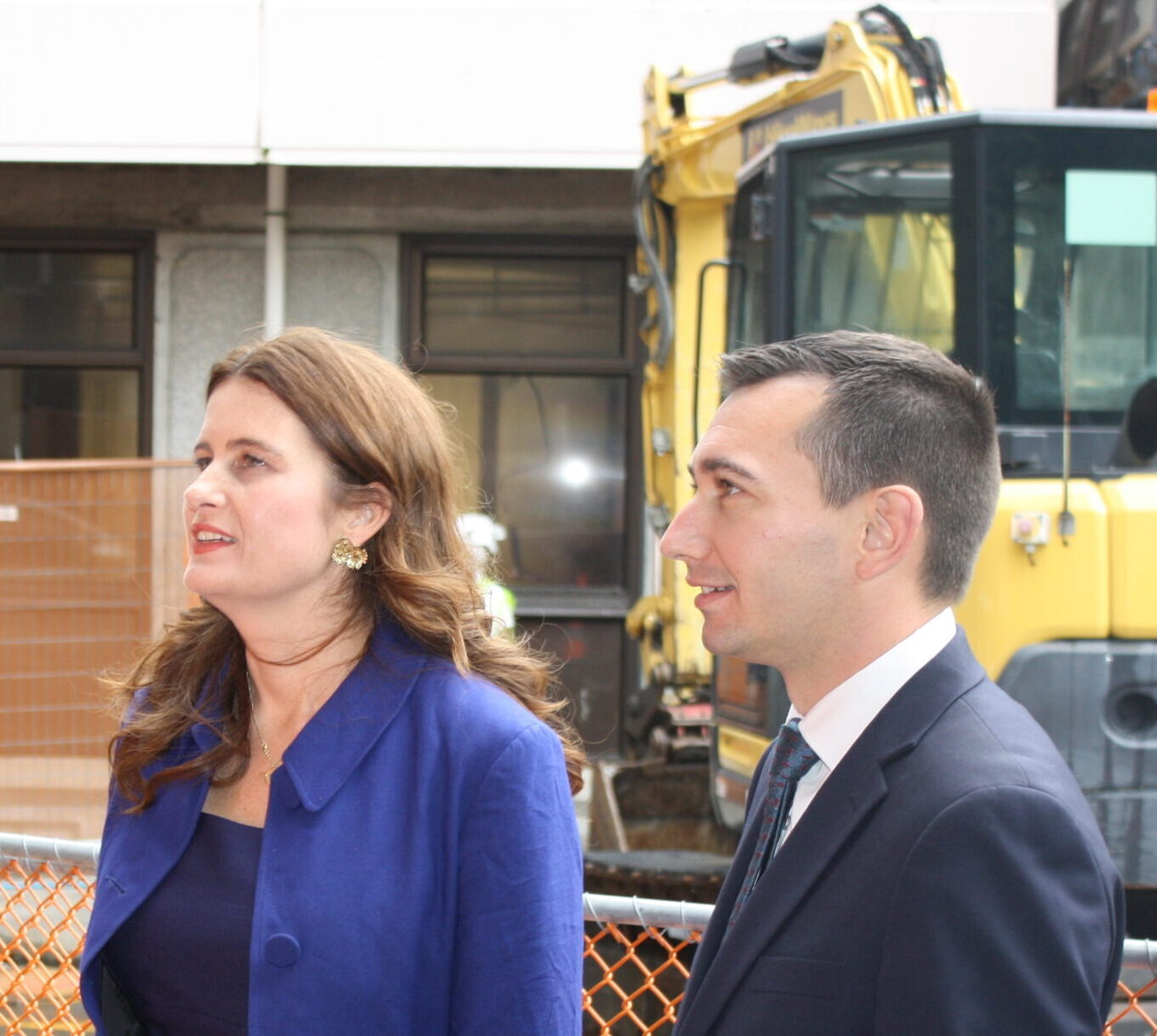
In September, national chief nurse Nadine Gray announced HNZ would hire another 380 full-time equivalent (FTE) staff, including 94 ED staff, by the end of its financial year, June 30, 2027. That included 120 FTE in the Northern region, 32 in the Midland region, 76 in the Central region and 149 for the South Island.
Gray said the ED workers would be “largely nurses” but no further specifics have been provided.

The news was greeted with disbelief by NZNO’s emergency nurses’ college chair Natasha Hemopo, who said it was too little, too late.
Taankink said Wellington was in a better place, but there were many EDs still struggling with understaffing around the country.
Gisborne ED staff are currently on a uniform strike over unsafe staffing — their second strike this year. Tauranga Hospital ED staff have asked HNZ bosses for 15 more nurses and Whanganui Hospital ED staff have spoken out about being nearly seven times over capacity recently. In June, a man died in the Waikato Hospital ED toilets after waiting nine hours to be seen.
North Shore ED called off a strike last month after winning another 25 FTE nurses following their declaration of an ED staffing emergency.