



TĒNĀ KOUTOU, TĒNĀ KOUTOU, tēnā tatou katoa.
Welcome to the 2022 edition of Kaitiaki Nursing Research. The statement in this edition about the corrected name for the journal demonstrates what can happen when cultural representations are appropriated without consent or understanding, however well-meaning. It also raises questions about how nursing might respectfully engage with tikanga, reflecting the traditional knowledge and practices of Māori, to enhance nursing knowledge for the health and well-being of all people in Aotearoa.
This potential for appropriation reminds us that, as nurses, we need to kōrero with Māori as individuals, whānau and iwi to reflect on the most important things that will make a difference for people engaging with nurses in health-care services. We also need to study the findings of research published on the experiences of Māori in the health system to recognise what needs to change to create a more equitable environment for care that safeguards the cultural values and beliefs of health consumers (Graham & Masters-Awatere, 2020; Palmer et al., 2019). We should also not assume that what we are doing in our efforts to be culturally safe or responsive is right, without engaging in conversations with clients, whānau and colleagues. It is important for nurses to recognise that all people they encounter in health-care contexts have their own unique understanding of cultural knowledge that is relevant to their circumstances and their interactions with nurses (Tipa, 2021).
Kōrero needed on kaitiakitanga
From a Māori worldview, kaitiakitanga represents values and practices involving guardianship (NZNO, 2019) and conservation of the environment and its relationship to the health of communities (Royal, 2007). Royal identifies the role of kaitiaki as a person or group that carries out the role of guardian or conserver. So what does this idea of guardianship mean for Kaitiaki Nursing Research? This journal has an important role in disseminating research that represents the central and unique role of nursing’s contribution across the whole range of health-care services in Aotearoa New Zealand. But we need to kōrero with our nursing whānau across the whole spectrum of nursing roles to imagine how this journal might fully engage in kaitiakitanga for nursing practice and nursing research in Aotearoa. That is our challenge for the next year.
In this time of struggle to staff health services with nurses, as Litchfield notes in her guest editorial, there has never been a more important time to ensure that the contribution of nursing to health services and population health is made visible to the people of Aotearoa. The COVID-19 pandemic has offered opportunities for new ways of thinking in response to situations that are beyond our experience in living memory. Nursing responses, and the wisdom these responses have made visible, need to be recorded for future generations of nurses who find themselves similarly challenged.
This year’s edition presents articles that address some key issues in nursing education, practice and research. The first two articles explore opportunities to engage nursing students in activities that will support them as graduates entering health services that have high demand. Moir and Baby researched whether teaching communication skills early in a master of nursing science programme enabled graduate-entry nursing students to develop confidence in dealing with aggression in practice. Violence and aggression toward nurses have been exacerbated by the COVID-19 pandemic, and nursing students sometimes bear the brunt of aggression from both clients and staff in clinical practice settings. This study highlights that offering communication skills training early in the programme enables nursing students to develop confidence in dealing with aggression across all areas of health care.
Students expressed empathy and compassion
Nurse educators Bingham and Malone researched whether an educational intervention, based on face-to-face sharing of narratives with those who have a lived experience of mental illness and addiction, resulted in the expression of empathy and compassion by nursing students. In their study, an educational intervention was incorporated into the teaching and learning of mental health and addictions concepts in the bachelor of nursing curriculum, based on principles of narrative learning. The results indicated that a significant number of the student participants expressed empathy and compassion after listening to the narrative of a person who had experienced mental illness and/or addiction. The authors suggest that this intervention could be useful to enable nursing students to develop a deeper understanding of how to relate to people who have experienced mental illness and/or addiction.
Increasing nurses’ job satisfaction is one of the main considerations in enabling the delivery of high-quality patient care, and retention of nurses in the health workforce (Slåtten et al., 2022). Othman conducted a literature review to explore the impact of nursing managers using a transformational leadership style and its effects on nurses’ work satisfaction and retention. This review found that transformational nurse leaders have a positive impact on the quality of nurses’ working conditions, helping create a healthy work environment and supporting the autonomy of nurses in their clinical roles. Nurses’ mental health, job commitment and commitment to the organisation are crucial factors in their job satisfaction, which is an important consideration for health-care providers who are struggling to staff services with nurses.
The challenges of using clinical guidelines
Evidence-based clinical guidelines are an essential tool for nurses managing clients with complex conditions. Clinical guidelines enable the transfer of research-based knowledge into practice, with the understanding they are used alongside nursing judgment about what best fits the clinical context and the client’s preferences (Menlyk & Fineout-Overholt, 2011). However, Menlyk and Fineout-Overholt note that it can be challenging for nurses to incorporate evidence-based guidelines into everyday practice. Donkin et al. explored nurse perspectives on barriers and facilitators of implementing the nationally endorsed stroke guidelines, in a New Zealand acute stroke unit. The findings of this research contribute to understanding the barriers and facilitators nurses may face in using clinical guidelines, and offer ideas about how to enhance their use in this practice context.
People with long-term conditions such as diabetes, hypertension, chronic respiratory diseases, dementias, and chronic renal and liver diseases require complex and ongoing care. The research brief for this edition offers a summary of the findings from an integrative review on whether home visits from nurse practitioners improve outcomes for people living with long-term conditions. Laidlaw and Mercer found the research reported that home visits from nurse practitioners reduced barriers to care and improved the health and quality of life for people with long-term conditions. However, further clarity is needed in health teams about the potential role of nurse practitioners in providing equitable and accessible health care for high-risk populations.
To identify the most relevant research for practice, access to the most pertinent information is essential. This requires nurse researchers to apply the right kind of search strategies, including a clearly defined systematic search process. International databases contain a wealth of knowledge, but finding relevant published research can be daunting and confusing without the support of an experienced librarian. In the final article for the 2022 edition, Reynolds et al. present an example of an ordered and systematic advanced search process, providing a step-by-step guide for how an evidence-based review question could be searched in library databases.
References
Graham, R. and Masters-Awatere, B. (2020), Experiences of Māori of Aotearoa New Zealand’s public health system: a systematic review of two decades of published qualitative research. Australian and New Zealand Journal of Public Health, 44, 193-200.
Melnyk, B. M., & Fineout-Overholt, E. (2011). Implementing evidence-based practice: Real-life success stories. Sigma Theta Tau International.
NZNO. (2019). Code of ethics.
Palmer, S. C., Gray, H., Huria, T., Lacey, C., Beckert, L., & Pitama, S. (2019). Reported Māori consumer experiences of health systems and programs in qualitative research: a systematic review with meta-synthesis. International Journal for Equity in Health, 18, 163.
Royal, Te Ahukaramū Charles. (2007). Kaitiakitanga – guardianship and conservation – Understanding kaitiakitanga. Te Ara – the Encyclopedia of New Zealand.
Slåtten, T., Lien, G., & Mutonyi, B. R. (2022). Precursors and outcomes of work engagement among nursing professionals – a cross-sectional study. BMC health services research, 22(1), 1-15.
Tipa, Z. (2021). Mahi Ngātahi: Culturally responsive ways of working with whānau accessing Well Child/Tamariki Ora services. Doctoral dissertation, Auckland University of Technology.
Daily doses – uncut news
| 5 Oct |
Labour's pay rise a first step, but pay equity needs a full settlementTōpūtanga Tapuhi Kaitiaki o Aotearoa NZNO has welcomed Labour's promised pay rise for care and support workers as a first step. It says care and support workers now need a full settlement of their pay equity claim and a workable pay equity system for all of its members. |
| 1 Oct |
Health NZ releases first national report on serious adverse eventsHealth New Zealand has published its first national Serious Adverse Event Report, acknowledging the serious harm experienced by patients and whānau and outlining the improvements identified and actions underway to strengthen patient safety. The report covers serious adverse events reported in Hospital and Specialist Services between 1 July and 31 December 2025. |
| 25 Sept |
380 more health care workers at the end of winter too little too lateAn announcement of 380 additional nurses, midwives and health care assistants for hospitals around the country at the end of winter is too little too late, NZNO says. |
| 23 Sept |
Auckland University research finds nurse shortages increase post-surgery deaths and complicationsNew research by Auckland University has found addressing nurse shortages in post-operative care may save 182 lives a year because short-staffed wards have higher rates of potentially preventable deaths and complications after their surgeries. |
| 21 Sept |
Whanganui Hospital ED averaged 680% capacity over a week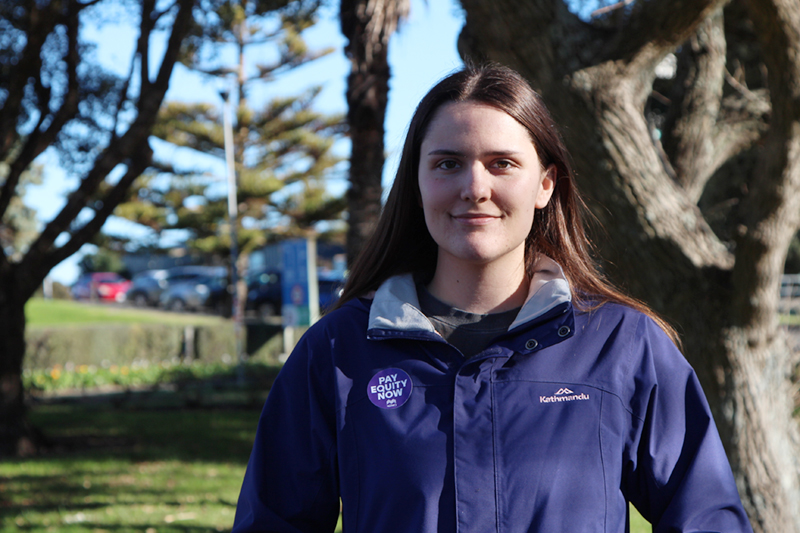 Working in an overcrowded emergency department (ED), up to 680% capacity over a week, makes staff feel overwhelmed with the pressure, Tōpūtanga Tapuhi Kaitiaki o Aotearoa NZNO says.
|
| 14 Sept |
WellSouth's Newborn Enrolment Kahu Taurima Programme a finalist at the Primary Care Awards 2026WellSouth's Newborn Enrolment Kahu Taurima Programme is a finalist at the Primary Care Awards for the HALEO Best Supplier Service, Product or Campaign category. Winners will be announced on 17 October. |
| 14 Sept |
Global Study: Nursing Shortages Require Workforce Policy Solutions, Not Recruitment Campaigns AloneWhy people choose nursing, and why they leave, comes down to the same factors. The global nursing shortage cannot be solved simply by encouraging more people to enter the profession, according to a new evidence brief. |
| 8 Sept |
Overworked, understaffed Gisborne ED staff strike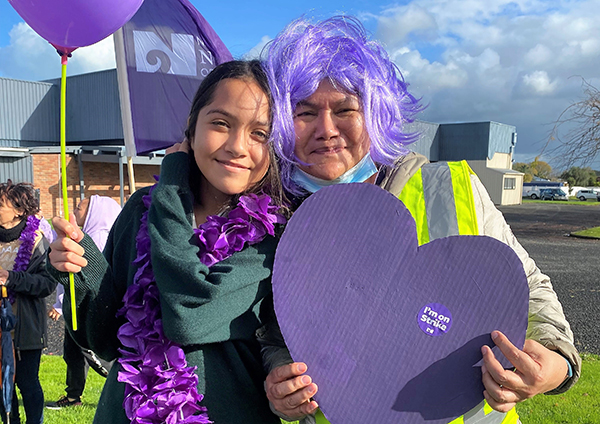 Health and safety concerns arising from unsafe staffing levels have forced nurses at Gisborne Hospital’s emergency department (ED) to go on strike.
|
| 4 Sept |
Strong growth in wāhine Māori and Pacific women’s cervical screening rates highlights success of self-testing programmeCervical screening participation has increased significantly for both wāhine Māori and Pacific women, reflecting the strong impact of self-testing, Screening Services and the dedicated efforts of health providers working alongside their communities. |
| 4 Sept |
Government must adopt Wai 2713 recommendations on disability systemThe Coalition Government must urgently adopt new recommendations from the Waitangi Tribunal which has found significant parts of the disability system prejudice tāngata whaikaha Māori (Māori with disabilities), NZNO says. |
| 31 Aug |
Employing graduate nurses will help keep them in nursing and the countryA new proposal that will require Te Whatu Ora to offer all eligible graduate nurses jobs in the public health system will help keep them in nursing and in Aotearoa New Zealand, NZNO says. |
| 26 Aug |
Health Minister’s claim Winter Plan ‘managing well’ delusionalHealth Minister Simeon Brown’s claim that hospitals are ‘managing well’ because of the Government’s Winter Plan is delusional, NZNO says. |
| 25 Aug |
Hospital data shows nursing shortages continue to put patients at riskTe Whatu Ora data released today shows patients are continuing to be put at risk by the Coalition Government’s deliberate failure to safely staff hospital wards, NZNO says. |
| 24 Aug |
Fed-up North Shore ED staff declare state of emergencyNZNO members working in the emergency department (ED) at North Shore Hospital have declared a state of emergency due to unsafe staffing levels resulting in ongoing overcrowding. |
| 19 Aug |
What happened to the winter health plan?The $25 million 2026 Winter Plan launched by Health Minister Simeon Brown in March to erase pressure on the health system has been an unmitigated disaster, Tōpūtanga Tapuhi Kaitiaki o Aotearoa NZNO says. |
| 11 Aug |
Applications open for advanced nursing education programmesHealth New Zealand is encouraging registered nurses to apply for two advanced education programmes that support nurses to further develop their clinical skills and expand access to care in communities across New Zealand. |
| 3 Aug |
Health New Zealand welcomes settlement of NZRDA collective agreementHealth New Zealand welcomes the vote by New Zealand Resident Doctors Association (NZRDA) members to settle their collective agreement. |
| 30 Jul |
Backing our frontline rural health workforceRural communities across New Zealand will benefit from three new investments that will support the rural health workforce and help more people access care closer to home, Associate Health Minister Matt Doocey says. |
| 22 Jul |
Te Whatu Ora must disclose staffing levels at time of tragic deathTe Whatu Ora must disclose whether the Waikato emergency department (ED) was short-staffed at the time a man tragically died in the waiting room, NZNO says. |
| 6 Jul |
Reflecting on IND 2026Looking back on last month’s International Nurses Day 12 May 2026 (IND 2026), the impact of this year's theme "Our Nurses. Our Future. Empowered Nurses Save Lives" continues to resonate across the world. ICN’s landmark IND 2026 report defined seven key powers of nursing and this message has been strengthened with nurses in every region celebrating, naming, and owning their powers throughout May. |
| 3 Jul |
Health New Zealand acknowledges Ombudsman statement on Wakari Ward 10AHealth NZ welcomes the independent investigation by the Ministry of Health into Ward 10A. On Wednesday the Health NZ board agreed to close Wakari Ward 10a as a forensic intellectual disability (ID) unit, with the future use of the ward yet to be determined. |
| 2 Jul |
New programme to fast track bowel cancer care and cut colonoscopy waitlistsHealth New Zealand is today launching a national initiative, designed to fast track bowel cancer care and reduce colonoscopy waitlists by up to 30 per cent. |
| 1 Jul |
Six new Co-Response Team locations announced to strengthen support for people in mental distressThe next six locations for Health New Zealand and NZ Police Co-Response Teams have been confirmed, expanding a model that helps people experiencing mental distress receive timely, wraparound support that better meets their health needs. |
| 29 Jun |
Mental health and addiction targets progress continuesHealth New Zealand continues to make important progress against its mental health and addiction targets, meeting four out of five national targets this quarter. |
| 25 Jun |
Access to care continuing to improve across a range of health indicatorsNew health data released today shows continued improvement in access to care across a range of health indicators. |
| 18 Jun |
Funding "boost" continues dangerous under-funding of aged careThe Health Minister’s funding "boost" for aged residential care continues underfunding to the sector and will continue unsafe practices and short staffing, which is putting vulnerable residents at risk, NZNO says. |
| 16 Jun |
Labour to make maternity scans freeLabour will add free maternity scans to the Medicard alongside three free doctor’s visits a year, so every pregnant woman gets the care she needs. |