By Christina Severinsen, Felicity Ware, Mary Breheny and Sarah Aitken
December 20, 2022
Wāhi Kōrero is a unique research project where patients share their stories of care that did not meet their needs, via an online story-sharing platform. In the first part of this project, young mothers share challenging accounts of their experiences with Well Child nurses.
Read more... `Kōrero I wish I could’ve had with the Well Child nurse’

By He Ako Hiringa
December 9, 2022
Antimicrobial resistance — when pathogens develop resistance to drugs used to fight them — is a serious threat to health care in New Zealand and around the world. Antimicrobial stewardship — ie careful and appropriate use of antimicrobial drugs (including antibiotics) — is vital to preserving the effectiveness of these medicines.
This article explains the key role of primary care in antimicrobial stewardship. There is a clear role for prescribers, but nonprescribers such as primary health care nurses also have an important part to play in supporting the appropriate use of antimicrobials.
Read more... How primary care can improve antimicrobial stewardship
By He Ako Hiringa
September 12, 2022
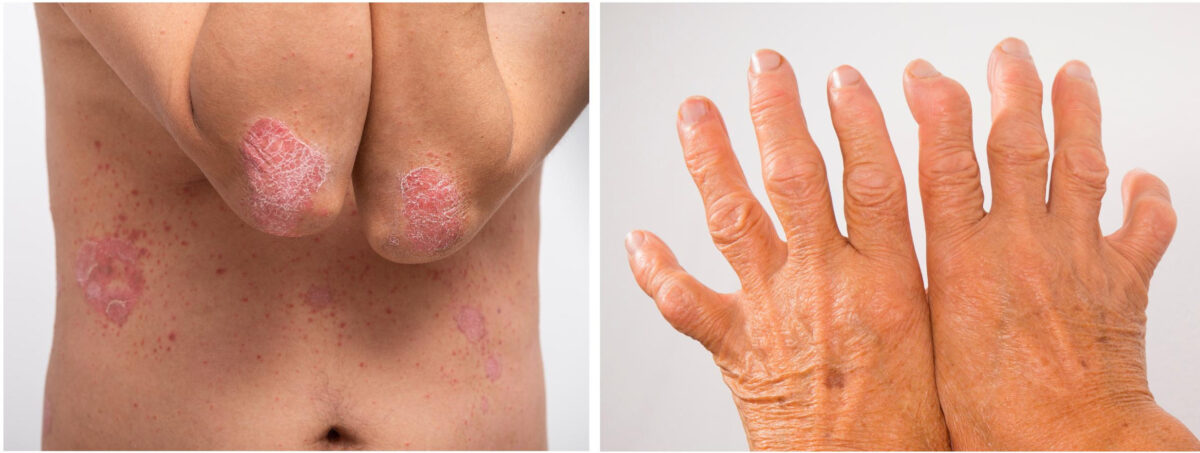
Most patients taking the biological medicine adalimumab are transitioning to a "biosimilar" version of the drug called Amgevita. This article explains why this is happening, and how nurses in primary care can help smooth the transition.
Read more... Biological medicines: Transitioning to Amgevita — a biosimilar of adalimumab
By He Ako Hiringa
May 27, 2022
Biological medicines are being increasingly used to treat a range of conditions in New Zealand. Nurses need to understand what they are, how they are used and possible side effects in the patients they care for.
Read more... Introduction to biological medicines

By Jim Vause
April 14, 2022
Managing patients’ CVD risk, medication non-adherence, and improving communication with patients: This article has particular relevance to primary care nurses, including those specialising in long-term conditions, and to cardiac care educators.
Read more... Cardiovascular disease — tackling medication adherence

By Keenan D’Souza, Katarina Campbell, Amjad Alsiyabi, Sally Davis, Lucy Hou, Rebecca Zhao and Jackie Williams
March 21, 2022
RNs should be setting an example to student nurses on how to perform hand hygiene to the highest standards.
Read more... Hand hygiene: A student nurse perspective

By David Codyre
March 8, 2022
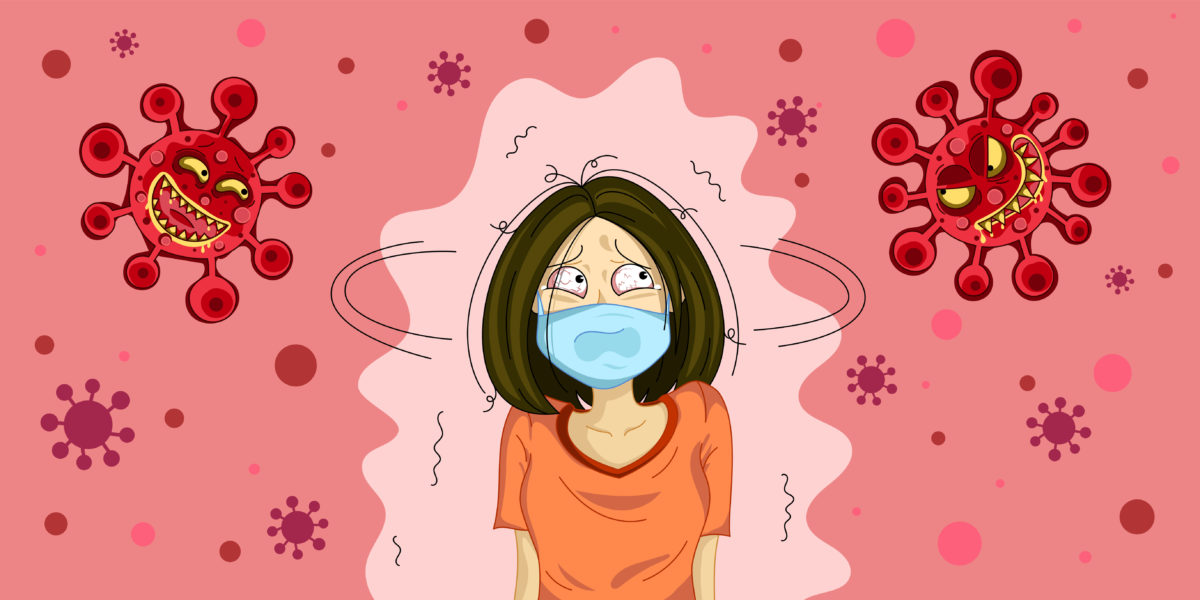
Constant media saturation over the past two years has painted a catastrophic picture of COVID-19. While this has helped drive up immunisation rates, it is having unintended consequences.
Read more... COVID anxiety — helping patients cope
By Dee Mangin
February 24, 2022
New Zealand can draw on the experiences of health systems around the world that have been caring for COVID-19 patients in the community much longer than us.
Read more... HOW TO TREAT: COVID-19 in primary care

By Louise Rummel, Sheona Watson, Julie Beck and Jane Kelly
February 8, 2022
New Zealand research on the work readiness of new graduates finds their competence and confidence are boosted by a supportive and familiar workplace.
Read more... Workplace support and familiarity are vital for the confidence of new graduate nurses

By Linda Bryant
December 1, 2021
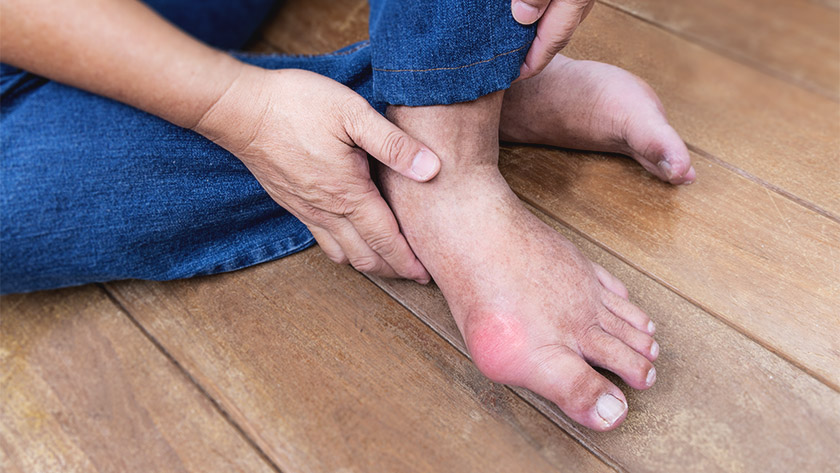
Gout is a chronic and debilitating long-term condition that disproportionately affects Māori and Pacific people. It needs to be addressed with holistic care, and patient, ongoing relationships with whānau.
Read more... Beyond medicines for gout
By Heather Woods
November 1, 2021
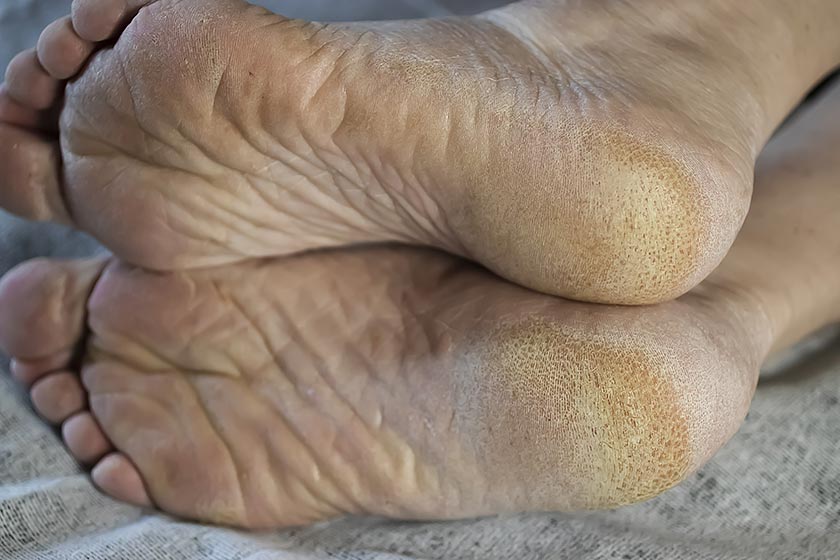
Nurses in primary care play an important role in managing foot care, especially for elderly, diabetic and disabled patients.
Read more... The importance of nurse-led foot care
By Georgina Casey
November 1, 2021
Autoimmunity occurs where the T- and B-lymphocytes stop distinguishing ‘self’ from ‘non-self’ and begin generating antibodies and immune memory cells against the body’s own tissues.
Read more... Autoimmune disorders – light on the horizon?
By Claire Budge, Melanie Taylor and Paula Eyres
October 1, 2021
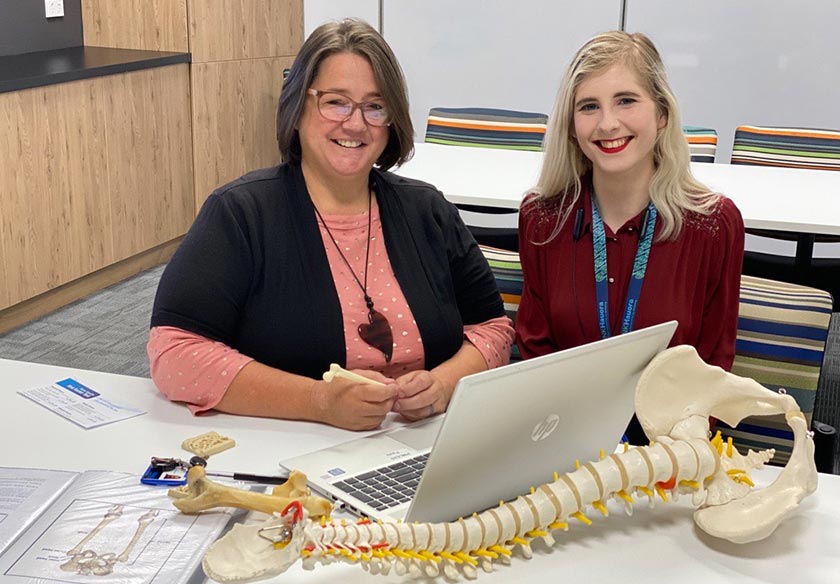
Quality improvement (QI) should be an integral part of health service delivery. As best practice principles evolve and system changes are demanded, services need to be evaluated and assessed to ensure they are being run as effectively and efficiently as possible, while meeting the ever-changing needs of practitioners and their patients.
Read more... Improving quality in a fracture service
By Georgina Casey
September 1, 2021
Mutations are producing COVID-19 variants more dangerous than the original.
Read more... The dangers of Delta

By Joanne Lomax
August 1, 2021
A patient diary helps bridge memory gaps for intensive care patients, thus helping their psychological recovery.
Read more... How diaries help ICU patients recover
By Georgina Casey and Craig Waterworth
July 1, 2021
Many prescribed drugs can impair a person’s driving, even when they are being taken correctly.
Read more... Driving under the influence of prescribed medication
By Wendy Blair
June 1, 2021
NZNO professional nursing adviser Wendy Blair, RN, PhD, shares a summary of her research on the extent nurses in New Zealand recognise and report unsafe practice by their peers.
Read more... Unsafe practice: How nurses recognise and respond to unsafe practice by their peers

By Margaret E Hughes, Gayle M Rose and Henrietta Trip
June 1, 2021
How do registered nurses with disabilities or impairment manage their work and ensure they practise safely?
Read more... ‘Double, double, triple-checking’

By Helen Duyvestyn
June 1, 2021
What can a nurse do in everyday practice to support a person with mild depression and anxiety? A clinical nurse specialist recommends a variety of practical tools and advice.
Read more... Nursing support for people with mild mental health needs
By Janine Ellison
May 1, 2021
Experienced nurses are quitting the profession in droves. What’s driving them out and what might keep them working in acute care?
Read more... Why are experienced nurses leaving work?